Deer Repellent for Fall and Winter Browse
Deer pressure climbs as natural forage fades. Repellents help when you reapply on schedule (especially after rain) and when you combine them with plant choice and barriers on the plants you care about most. Late September through midwinter is when to get ahead of browse, not when to hope the herd moves on.
Start from honest plant pages (Veronica, deer-resistant hosta alternatives) for what usually gets left alone, then protect favorites deer already know. No plant is truly deer-proof; ratings vary by region, season, and herd pressure.
What works in practice
- Odor and taste sprays - cover foliage and stems deer reach; reapply per label after rain or heavy dew.
- Granules - useful along borders and beds; refresh on the product interval.
- Netting and cages - highest certainty for specimen shrubs and young trees.
- Rotation - switching active types across the season can slow habituation.
Build a calendar reminder through late fall and midwinter. Set-and-forget rarely holds when snow covers other food.
🌱 Get Personalized Plant Picks
Answer a few quick questions and we’ll match plants to your exact yard conditions.
Find My Plants →Shop deer repellent on Amazon
Fall and winter browse protection. We may earn a commission at no extra cost to you.
Amazon · Deer repellent Amazon · Spray Amazon · Granules Amazon · Netting
Fall setup checklist
- Walk the yard at dusk once; note browse lines and favorite shrubs.
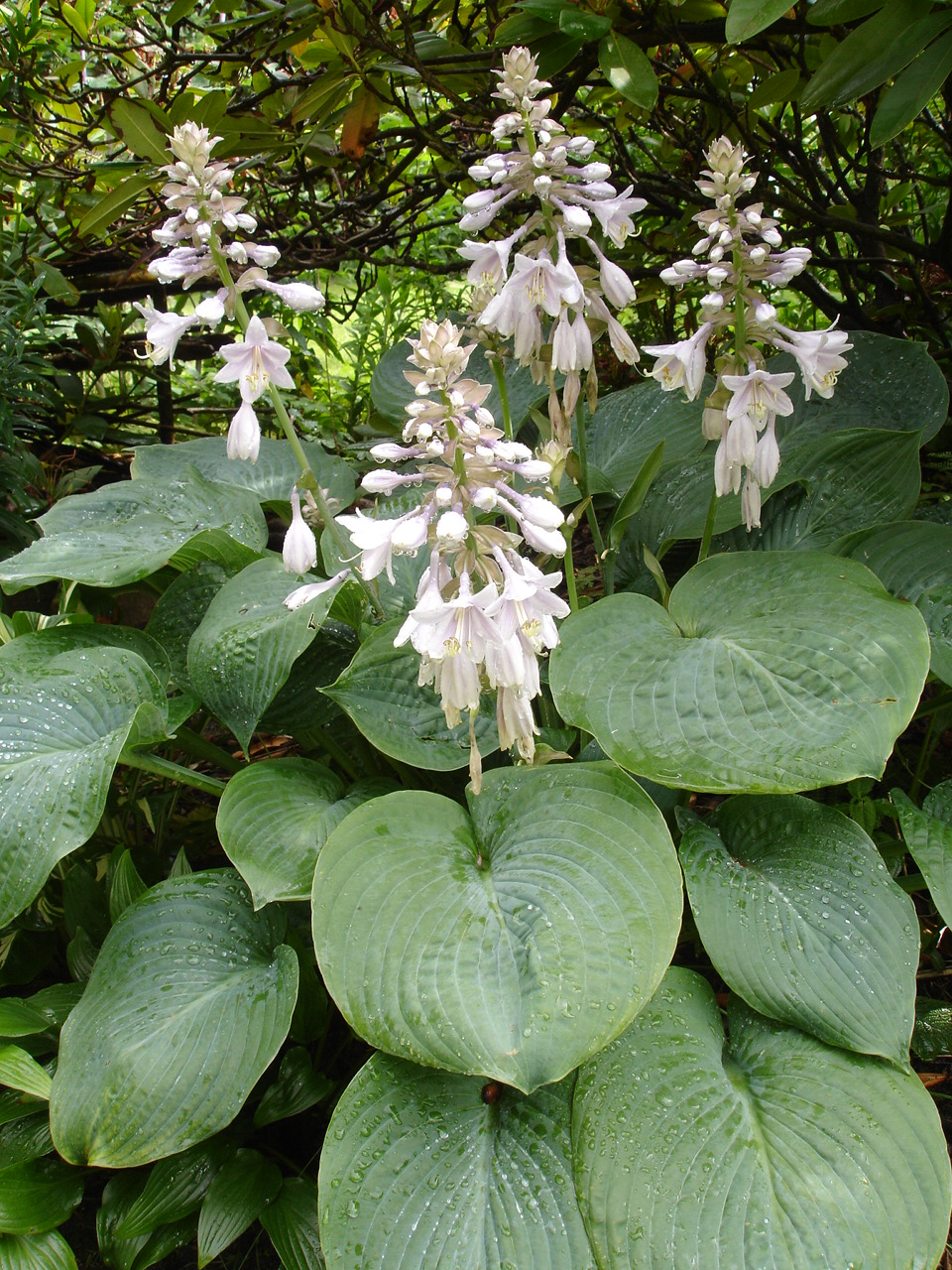
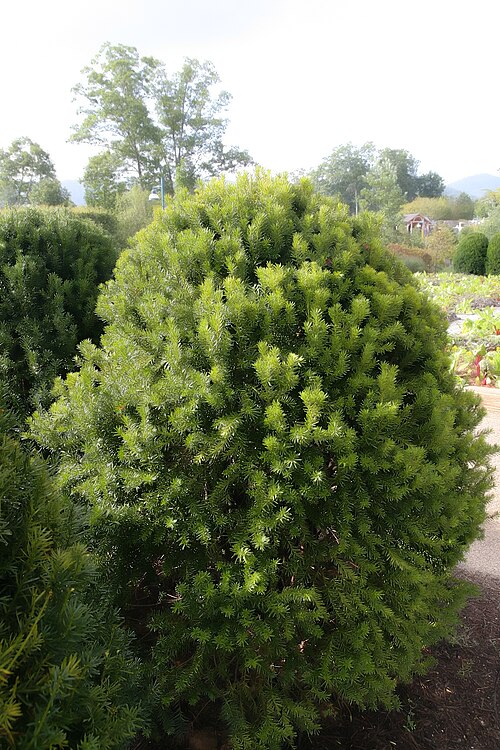
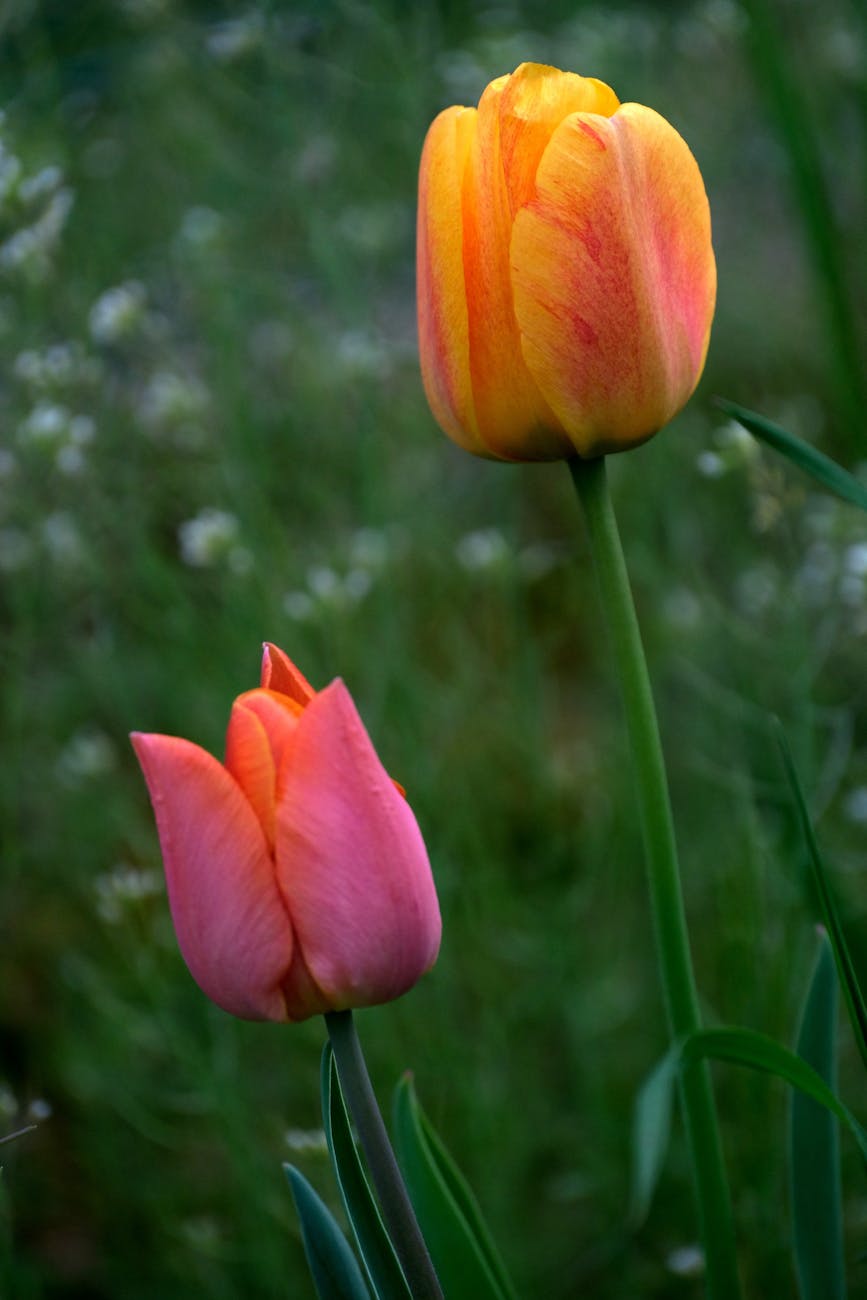
- Treat or cage the top targets first (yews, hostas, tulips, young fruit trees, whatever deer hit locally).
- Apply spray to dry foliage; let it dry before rain when you can.
- Stake netting so it does not rub bark raw.
- Put a monthly phone reminder through February.
- Pair new fall plantings with protection their first winters (Zone 3 fall garden care).
Spray vs granules vs fencing
| Tool | Best when | Watch-outs |
|---|---|---|
| Spray | Leafy shrubs, perennials, small trees within reach | Needs reapply after rain; cover undersides deer nose |
| Granules | Borders, groundcovers, lawn edges | Refresh on interval; less useful up in the canopy |
| Netting / cages | High-value specimens, young fruit, tulip beds | Stake well; leave air gap so fabric does not ice onto buds |
If you are on the fence about fencing a whole bed, check how often deer show up at dusk for a week. Occasional pressure often yields to spray plus tougher plant lists; nightly driveway herds argue for netting on the plants you cannot replace.
Pair with planting, not instead of it
New fall shrubs in cold zones need water and mulch and browse protection their first winters. Deer-tougher plant lists reduce how many cages you need; they rarely make a hungry January herd ignore a tender favorite next to the driveway.
Cross-check zone planting guides for how bulbs and shrubs share a weekend with protection work: Zone 3, Zone 4, Zone 5.
Midwinter discipline
After the first deep freeze, walk again. Snow height changes which stems deer can reach. Re-treat exposed cambium on young fruit and thin-barked trees if your product labels allow winter use. Rotate chemistry if the same spray stopped working by December.
Bottom line
Repellent earns its keep with reapplication discipline and focus on high-value plants, backed by netting where failure is expensive. Use Veronica and hosta-alternative pages for plant strategy; use this page for the product path through fall and winter browse.
Ready to build a deer-smarter bed list? Try the PlantWise Plant Finder →