The winding, 1 to 2 inch wide trails of matted or dead grass that appear when snow melts are vole runways, made by small rodents that tunnel along the soil surface under snow cover all winter. Most lawns recover on their own: rake out the loose clippings and debris, topdress any bare soil, and reseed thin spots during your normal seeding window. To prevent a repeat, mow the last cut of the season a little shorter, clear leaves and tall grass from lawn edges, keep mulch away from tree trunks, wrap young trunks with hardware cloth, and trap in covered stations if numbers are high.
Voles, moles, or something else?
| Sign | Likely culprit |
|---|---|
| Surface trails of clipped, dead grass, small open holes about 1 1/2 inches wide | Voles |
| Raised ridges and volcano-shaped soil mounds | Moles |
| Bark gnawed off at the base of shrubs and young trees | Voles (under snow) or rabbits (above snow) |
| Ragged patches lifted like carpet | Skunks or raccoons digging for grubs |
Voles are plant eaters. They clip grass blades and roots along the runway and gnaw bark and roots of shrubs, perennials, and young trees. Moles eat insects and worms and do not eat plants. Our guide to fall grub control covers the lifted-carpet type of damage.
🌱 Get Personalized Plant Picks
Answer a few quick questions and we’ll match plants to your exact yard conditions.
Find My Plants →Why damage shows up at snowmelt
Snow cover protects voles from hawks, owls, foxes, and cats. They stay active all winter, running the same paths under the snow, and the damage stays hidden until it melts. Years with deep, long-lasting snow tend to show the worst runways. Tall grass, piles of leaves, and heavy mulch at lawn edges give them extra cover going into winter.
Shop vole control gear on Amazon
Castor oil granules that make turf less appealing, quarter inch hardware cloth for trunk collars, and covered trap stations that keep birds and pets out. We may earn a commission at no extra cost to you.
Amazon · Castor oil repellent granules Amazon · Quarter inch hardware cloth Amazon · Covered trap stations
Repairing the lawn in spring
- Wait until the lawn dries enough to walk on without leaving footprints.
- Rake the runways with a leaf rake or spring-tine rake to remove clipped grass and lift matted blades. Grass crowns are often alive under the debris.
- Wait two to three weeks. Most runways green up and fill in as the grass grows.
- Topdress bare spots with a thin layer of compost or soil, pressing down any loose ridges. Our lawn topdressing guide shows how.
- Reseed spots that stay bare, matching your existing grass, and keep the seed moist until it is established.
Preventing next winter's runways
- Lower the last mow of the season slightly, staying within the healthy range for your grass, so the lawn does not lie flat and matted under snow. Our lawn mowing guide lists heights by grass type.
- Clear leaves from the lawn and edges before snow falls. A leaf vacuum mulcher or mower makes quick work of it.
- Cut back tall grass and weedy strips along fences, beds, and foundations where voles shelter.
- Pull mulch back 3 to 6 inches from the trunks of trees and shrubs.
- Wrap young trunks with a cylinder of quarter inch hardware cloth a few inches out from the bark, buried 2 to 3 inches into the soil and reaching above the expected snow line.
- Use castor oil repellents as a short-term deterrent on lawns and beds. Results vary, and they need reapplication after heavy rain.
- Welcome predators. Owl boxes and hawk perches near open areas help in rural yards.
Trapping safely
Where populations are high, trapping is the most direct control. Set standard snap traps across a runway, baited with a little peanut butter mixed with oats, and always place them inside a covered trap station or under a box with an entry hole so birds, pets, and children cannot reach them. Wear gloves when handling traps and dead rodents, and dispose of them in a sealed bag. Avoid poison baits: they can kill pets and the owls and hawks that eat poisoned rodents, and many areas restrict their use.
Protecting bulbs and beds
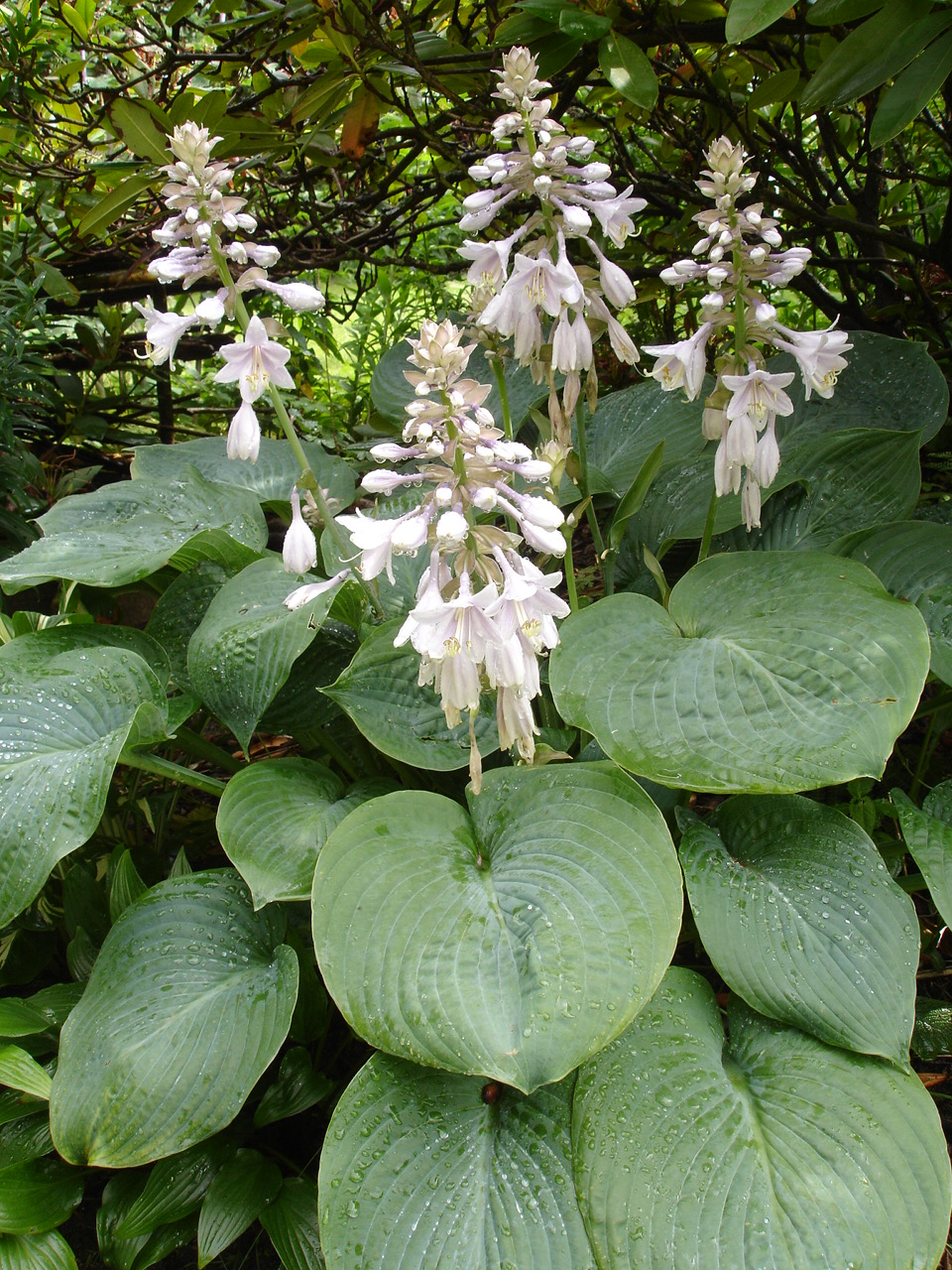
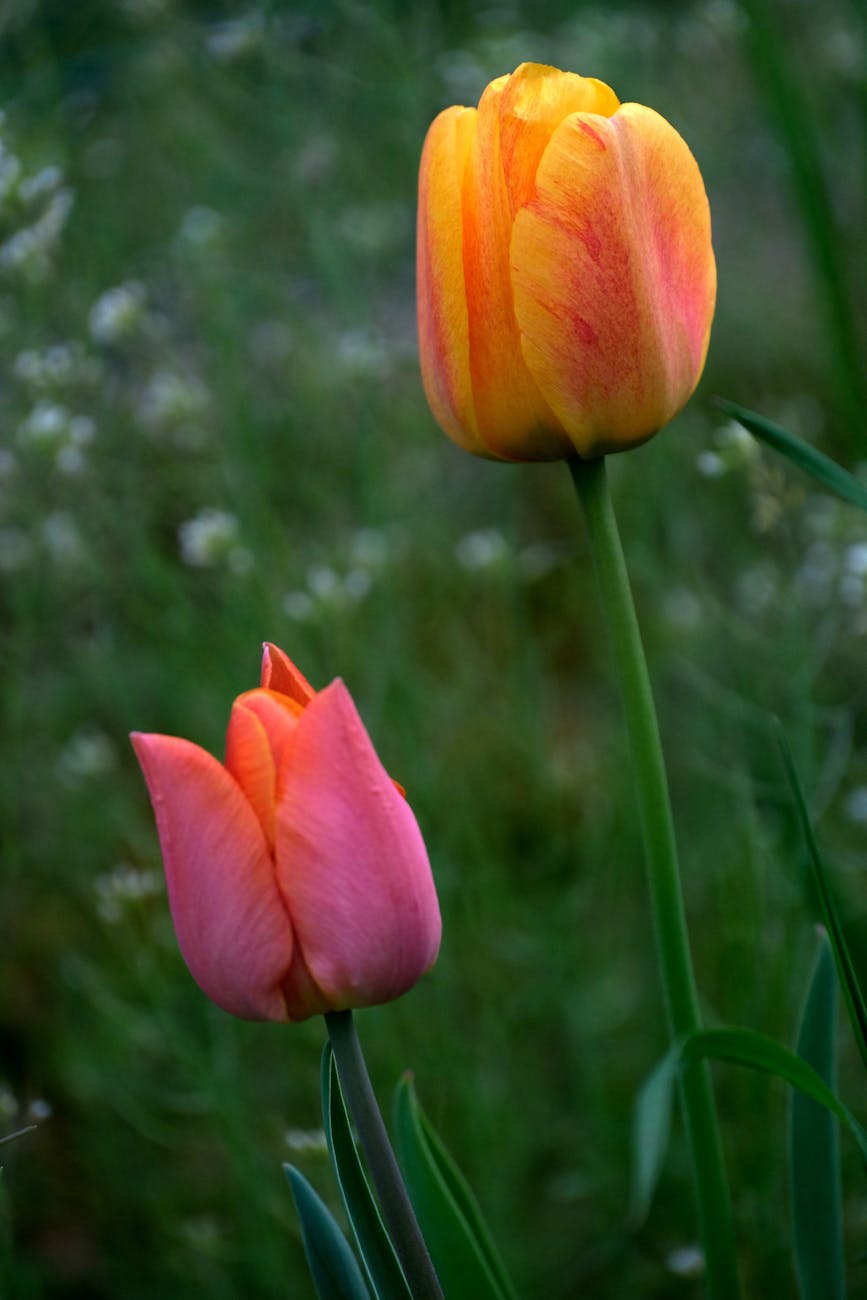
Voles also eat tulip bulbs, hosta roots, and other perennials. Planting bulbs in wire cages or with sharp grit in the planting hole helps. See our guide to bulb cages for voles and squirrels.
Bottom line
Rake and wait first, since most vole runways recover, then reseed what stays bare. Before the next snow, cut cover, clear leaves, pull mulch from trunks, wrap young trees in hardware cloth, and trap only in covered stations. For other winter lawn steps, read our winter lawn care guide by zone.
Related reading
- Tree wraps and trunk guards for winter
- Rodent-proof bird seed storage
- Moss in the lawn: causes and control
Ready to match plants to your location? Try the PlantWise Plant Finder →