Winter Lawn Care Guide by Zone
Winter lawn care varies dramatically depending on your climate zone and the type of grass you have. Generally, cool-season grasses (common in Northern zones) go dormant but require some winter prep, while warm-season grasses (common in Southern zones) enter a deeper dormancy and need different considerations. Understanding your specific zone and grass type is key to ensuring your lawn emerges healthy and vibrant in the spring.
🌱 Get Personalized Plant Picks
Answer a few quick questions and we’ll match plants to your exact yard conditions.
Find My Plants →Why Does Winter Lawn Care Vary by Zone?
The primary reason winter lawn care differs across zones is the type of grass that thrives in those regions. Grasses are broadly categorized into cool-season and warm-season varieties.
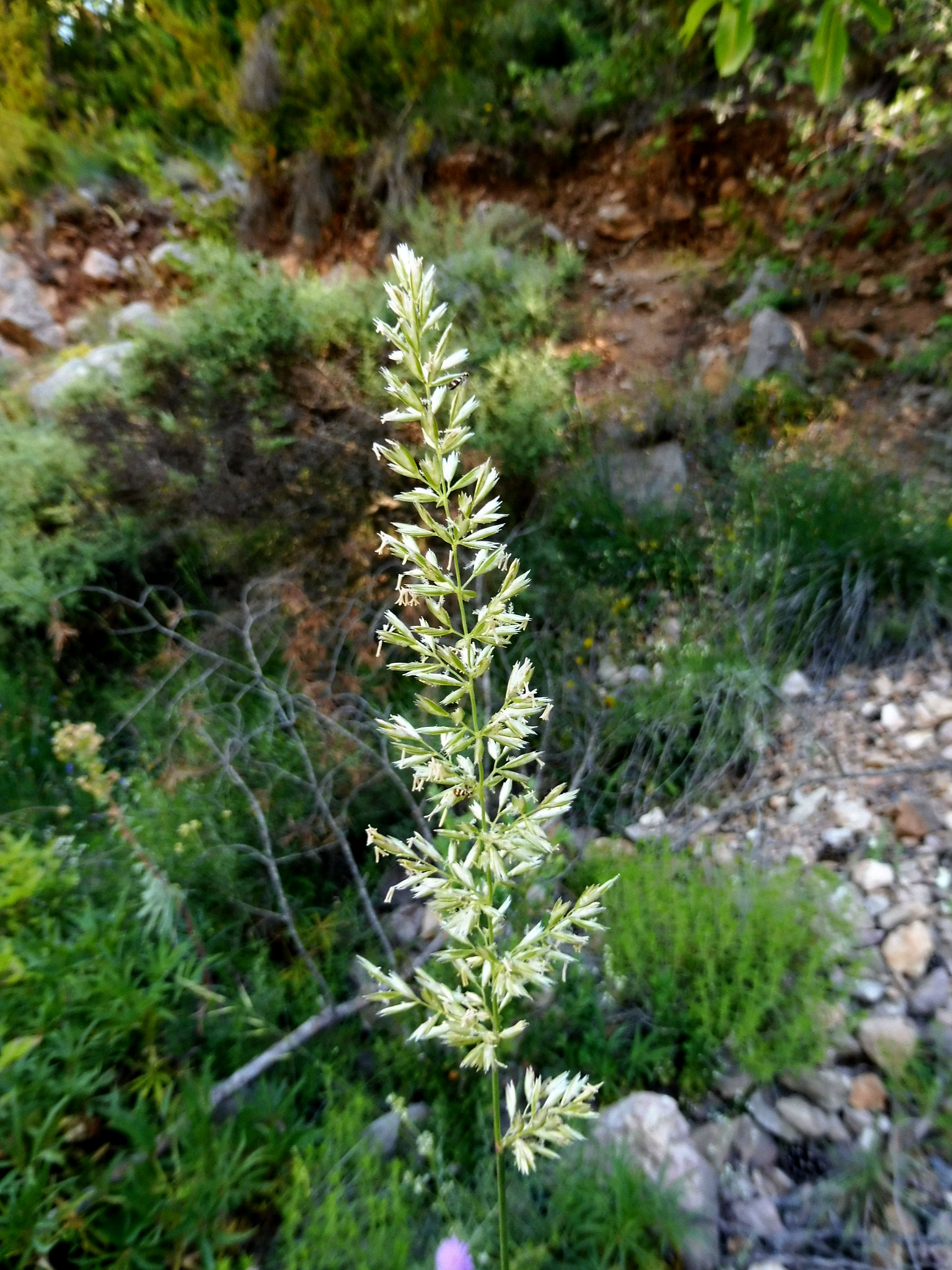
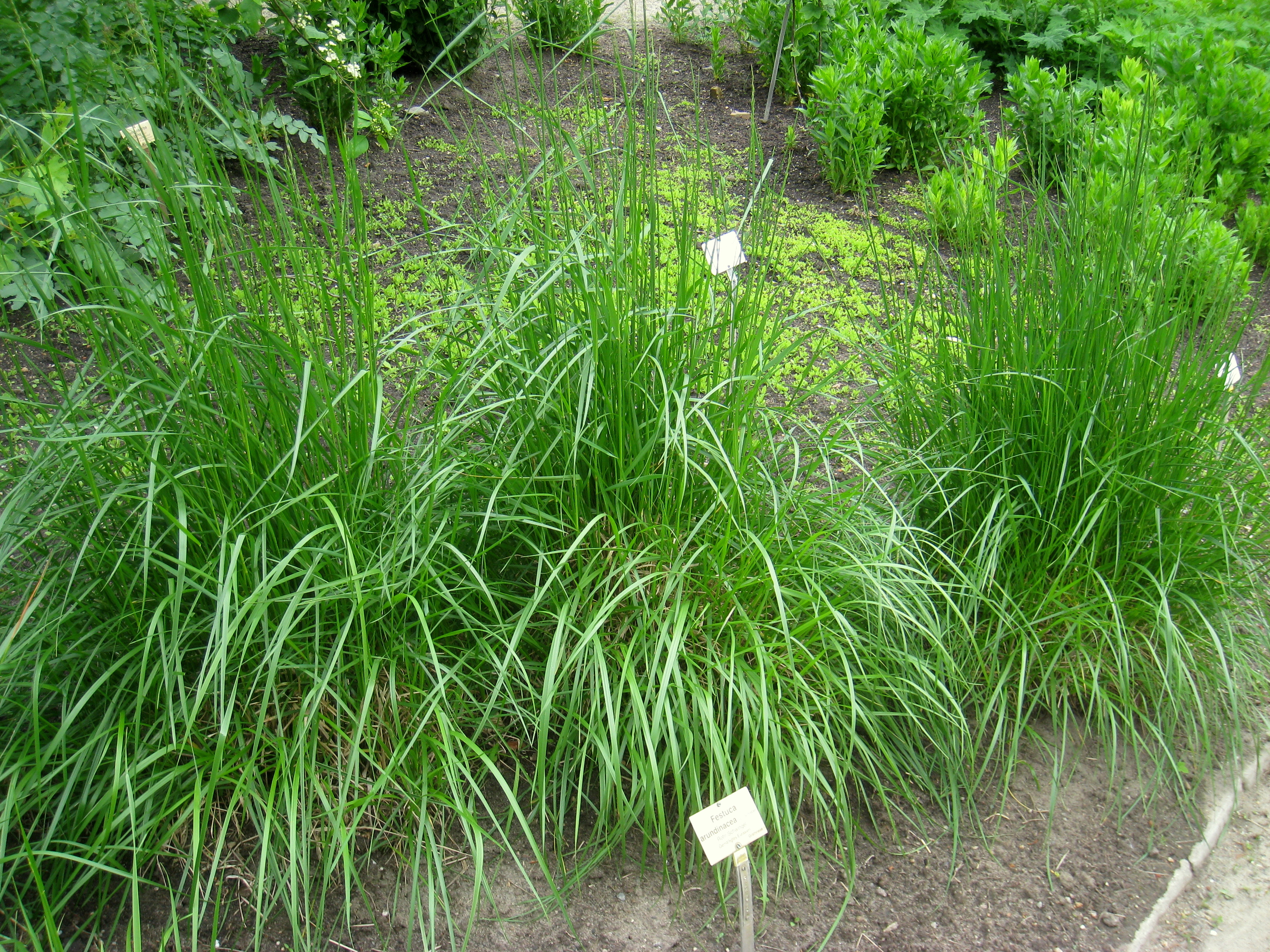
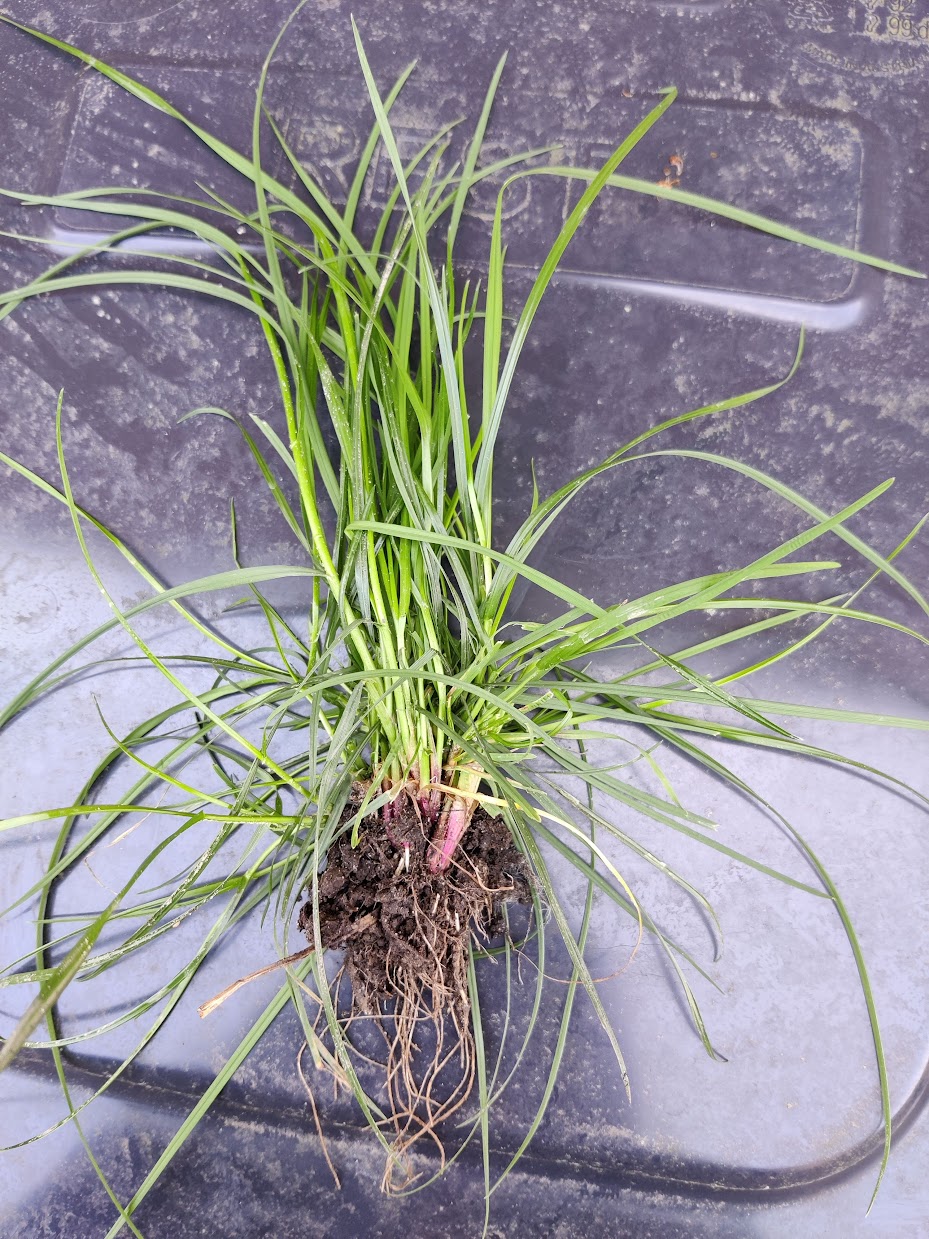
- Cool-season grasses (e.g., Kentucky Bluegrass, Tall Fescue, Perennial Ryegrass, Fine Fescue) prefer cooler temperatures, growing actively in spring and fall. They can tolerate cold winters, often going dormant but retaining some green color or quickly greening up with mild spells.
- Warm-season grasses (e.g., Bermuda, Zoysia, St. Augustine, Centipede) prefer warmer temperatures, growing actively in summer. They go completely dormant and turn brown in winter, especially after the first hard frost.
Your USDA Plant Hardiness Zone, while primarily for perennial plants, gives a good indication of the typical winter temperatures in your area, which directly impacts your grass.
What Should You Do for Cool-Season Lawns in Winter?
For those with cool-season grasses, winter preparation is all about strengthening the grass for dormancy and protecting it from winter stress.
Late Fall/Early Winter Prep (Before Hard Freeze):
- Final Mowing: Continue mowing as long as your grass is growing. Gradually lower your mower blade height over the last few cuts of the season, aiming for a final cut of about 2-2.5 inches. This helps prevent snow mold and allows more sunlight to reach the crown of the grass.
- Fertilization (Winterizer): This is perhaps the most crucial step. Apply a "winterizer" fertilizer (typically high in potassium, with some nitrogen) in late fall, just before the ground freezes. This feeds the roots, not the blades, helping the grass store carbohydrates for winter survival and promoting earlier spring green-up.
- Aeration: If you haven't aerated in the fall, consider doing so before the ground freezes. This improves air, water, and nutrient penetration to the roots.
- Weed Control: Apply a pre-emergent herbicide in late fall to prevent winter annual weeds like henbit and chickweed from sprouting.
- Leaf Removal: Rake or mulch fallen leaves regularly. A thick layer of leaves can smother the grass, promote fungal diseases like snow mold, and block sunlight.
- Watering (If Dry): If your region experiences a dry fall and winter without snow cover, occasionally water your lawn, especially evergreens, when temperatures are above freezing. This prevents desiccation.
During Winter (Once Dormant):
- Minimize Traffic: Avoid walking or driving on frozen grass. The brittle blades can easily break, and compacted snow or ice can damage the dormant crowns, leading to bare spots in spring.
- Snow Management: If you have heavy snow, try to distribute it evenly. Avoid piling snow from driveways onto the lawn, as the salt and weight can cause damage.
- Monitor for Snow Mold: If you get prolonged snow cover, be aware of snow mold (pink or gray patches). Good fall prep (mowing, leaf removal) helps prevent this.
How Do Warm-Season Lawns Need Different Winter Care?
Warm-season grasses go into a deeper dormancy, turning brown and ceasing growth. The goal here is to protect the dormant turf and prepare for spring regrowth.
Late Fall/Early Winter Prep (Before First Hard Frost):
- Final Mowing: Continue mowing at your regular height until growth slows significantly. There's no need to cut warm-season grasses extra short for winter.
- Fertilization: Unlike cool-season grasses, warm-season lawns generally do not need a winterizer fertilizer high in nitrogen. A late-season application of nitrogen can stimulate tender new growth that will be easily damaged by frost. If you fertilize, choose a low-nitrogen, high-potassium formula, and apply it well before the first expected frost. Many experts recommend skipping late-fall fertilization entirely for warm-season grasses.
- Weed Control: Apply a pre-emergent herbicide in late fall to prevent winter annual weeds. This is very important as dormant warm-season grass offers no competition to weeds.
- Leaf Removal: Just like with cool-season lawns, remove all fallen leaves to prevent smothering and disease.
- Watering: If your area experiences a dry winter with no precipitation, occasionally water your dormant lawn when temperatures are above freezing. This prevents the soil from drying out completely and helps protect the root system.
During Winter (Once Dormant):
- Minimize Traffic: Avoid heavy foot traffic on dormant, brittle warm-season grass. It's more susceptible to damage when brown and dormant.
- Overseeding (Optional): Many homeowners with warm-season lawns choose to overseed with a cool-season annual grass like annual ryegrass in the fall. This provides a green lawn through winter, but it will die out in spring as the warm-season grass greens up. This requires additional mowing and watering through winter.
- Pest Monitoring: Keep an eye out for any unusual pest activity, though most pests are less active in winter.
Quick Reference: Winter Lawn Care by Grass Type
| Task | Cool-Season Grasses (e.g., Fescue, Bluegrass) | Warm-Season Grasses (e.g., Bermuda, Zoysia) |
|---|---|---|
| Mowing | Gradually lower height to 2-2.5" for final cuts. | Continue regular height until growth stops. |
| Fertilization | Apply "winterizer" (high K, some N) in late fall before freeze. | Avoid N; use low K, no N, or skip entirely in late fall. |
| Aeration | Beneficial in fall before freeze. | Best done in spring/early summer for warm-season. |
| Weed Control | Apply pre-emergent in late fall. | Apply pre-emergent in late fall (crucial for dormant turf). |
| Leaf Removal | Essential to prevent smothering & disease. | Essential to prevent smothering & disease. |
| Watering | Water occasionally if dry and temps above freezing. | Water occasionally if dry and temps above freezing. |
| Traffic | Minimize walking/driving on frozen turf. | Minimize walking/driving on dormant, brittle turf. |
| Overseeding | Not applicable (already green). | Optional: Overseed with annual ryegrass for winter green. |
What Other Winter Considerations Are Important for a Healthy Lawn?
Beyond direct lawn care, there are other factors that contribute to overall yard health and impact your lawn's resilience through winter.
- Tool Maintenance: Winter is an excellent time to clean, sharpen, and service your lawnmower, edger, and other tools. This ensures they're ready for spring and prolongs their lifespan.
- Irrigation System Winterization: If you have an in-ground irrigation system, ensure it's properly blown out and winterized before the first hard freeze to prevent pipes from bursting.
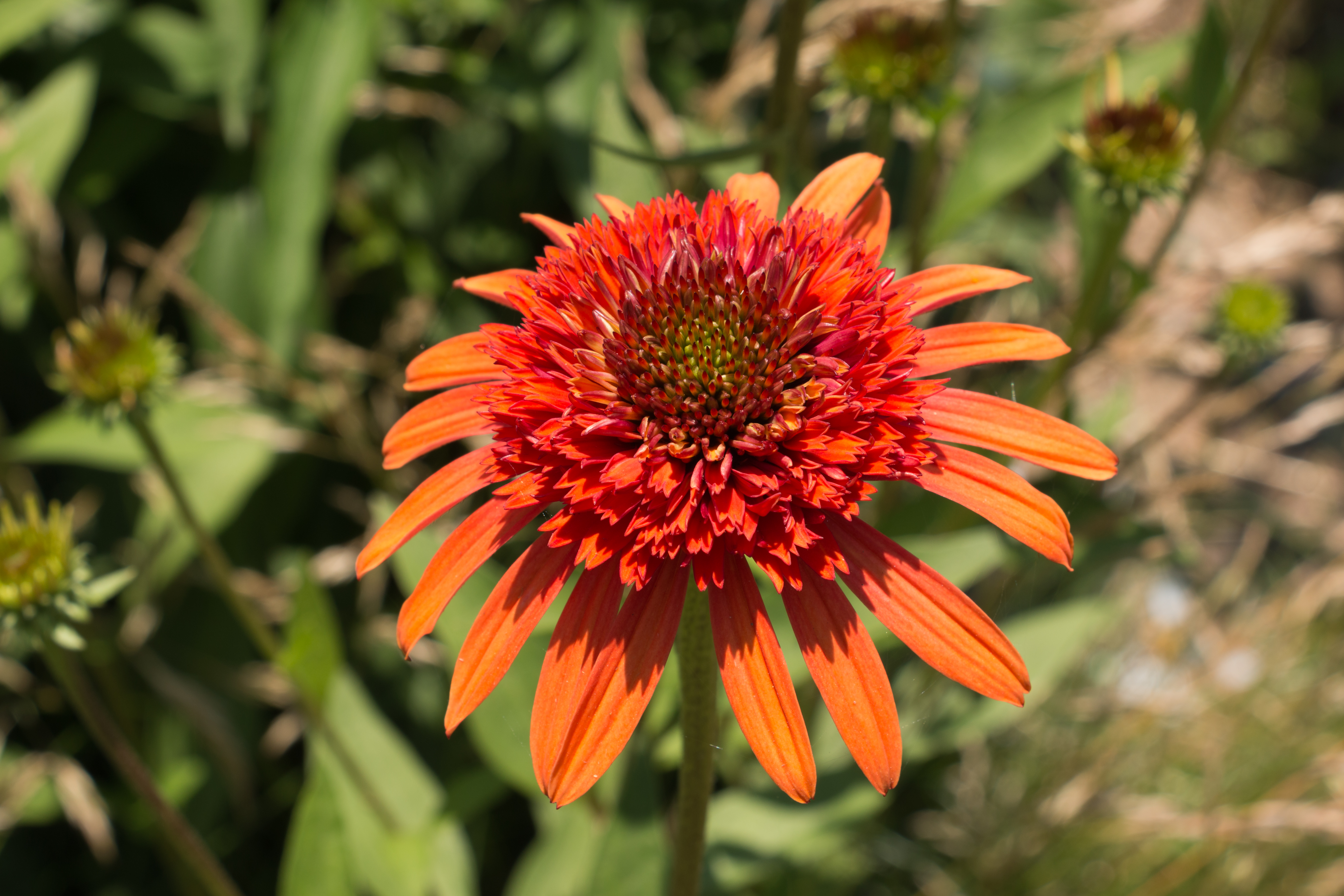
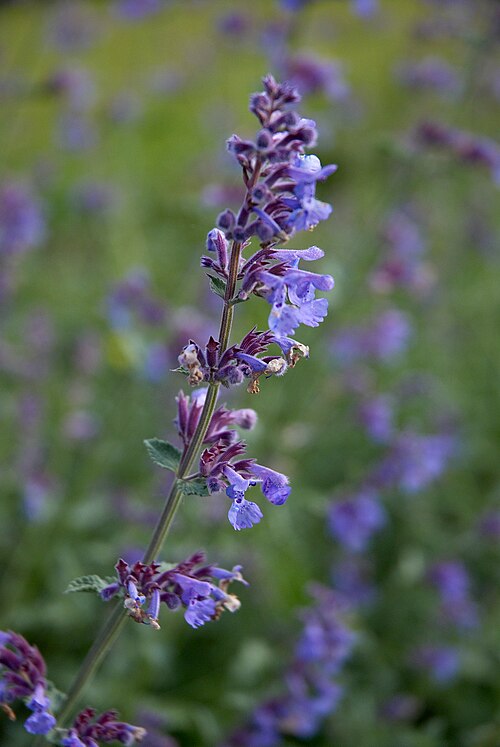
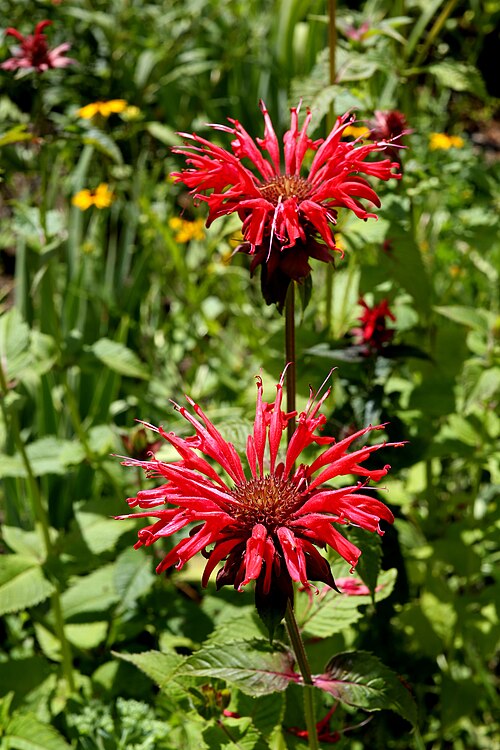
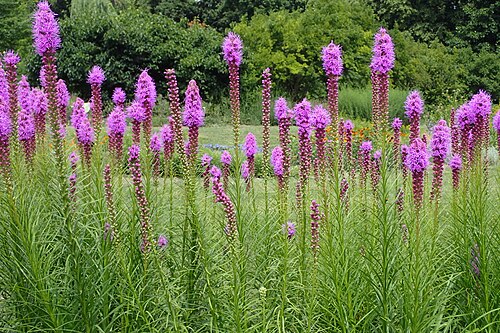
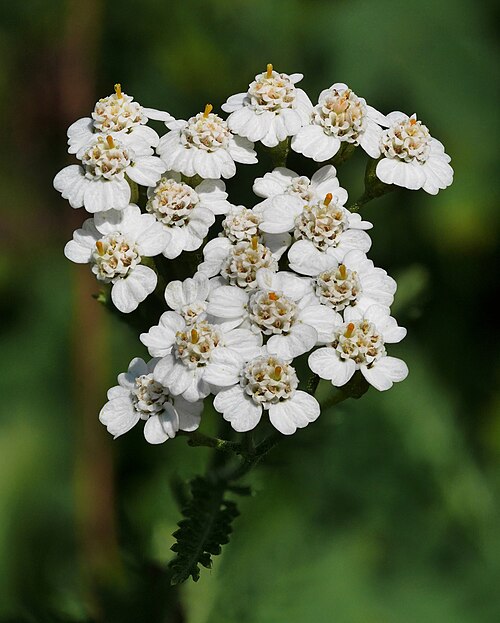
- Consider Winter Interest Plants: While your lawn might be dormant, you can still add life to your landscape with plants that offer winter interest. Evergreens, plants with colorful bark, or those with persistent berries can brighten up a dull winter scene. Blazing Star Coneflower Yarrow Bee Balm Catmint
- Soil Testing: If you've been having persistent lawn issues, consider doing a soil test in late fall or early spring. This will give you valuable information about nutrient deficiencies or pH imbalances that you can address before the next growing season.
- Drainage Issues: If you notice areas where water consistently pools and freezes, consider addressing drainage issues in the spring. Poor drainage can lead to root rot and other problems.
By following these zone-specific guidelines, you'll be well on your way to a healthier, more resilient lawn that's ready to burst into life when spring arrives. A little effort now can save a lot of work later!
Ready to find the perfect plants for your yard? Try the PlantWise Plant Finder →