Spring Lawn Care Guide by Zone
Spring lawn care is all about timing, and that timing is largely dictated by your USDA Hardiness Zone and, more importantly, whether you have cool-season or warm-season grass. Generally, cool-season grasses (like fescue, rye, and bluegrass) begin their active growth in early spring as soil temperatures rise above 40°F, while warm-season grasses (like Bermuda, Zoysia, and St. Augustine) emerge from dormancy later, when soil temperatures consistently hit 60-65°F. Understanding your grass type and local climate is key to a lush, healthy lawn throughout the growing season.
🌱 Get Personalized Plant Picks
Answer a few quick questions and we’ll match plants to your exact yard conditions.
Find My Plants →What's the Difference Between Cool-Season and Warm-Season Grasses?
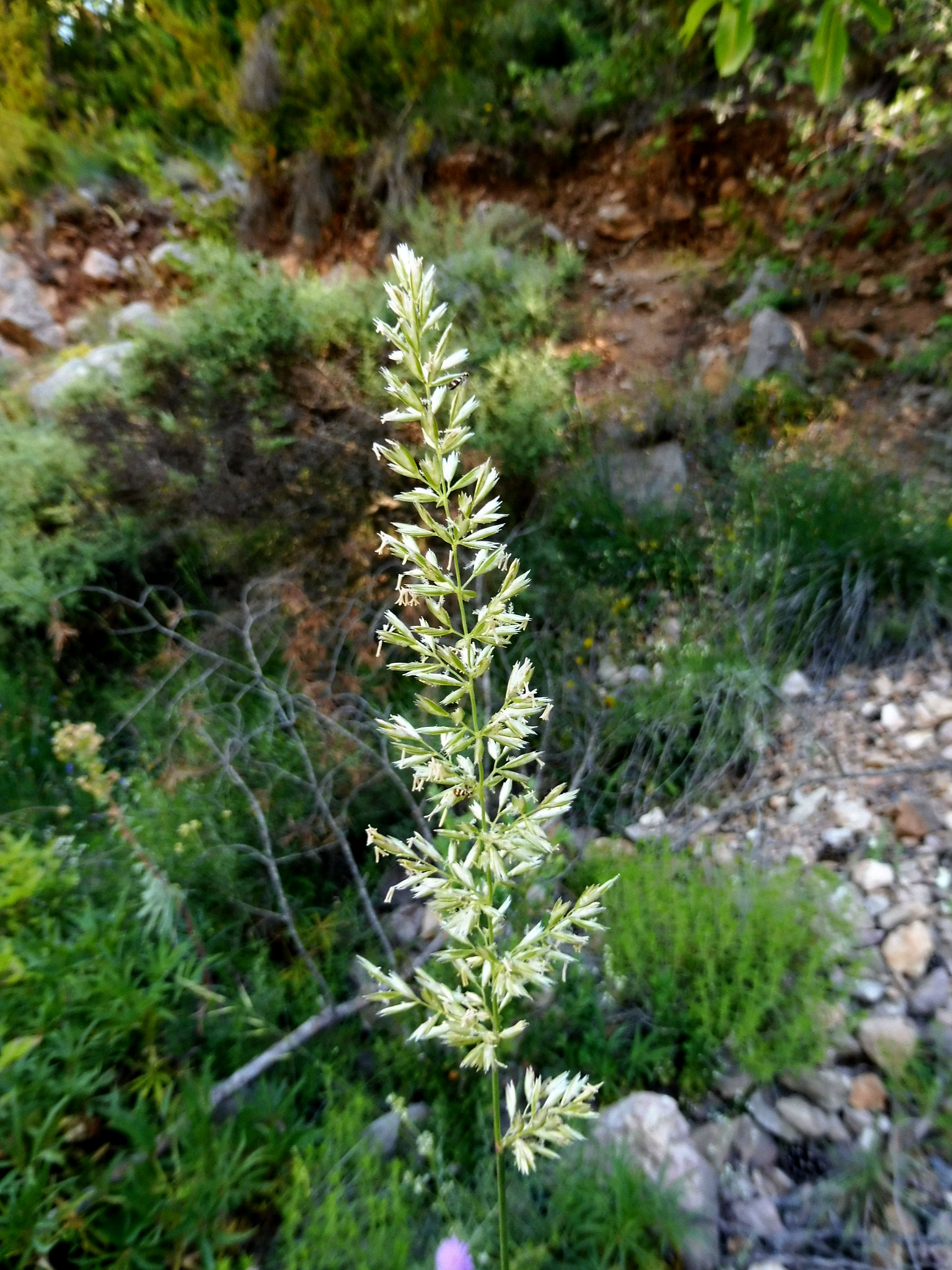
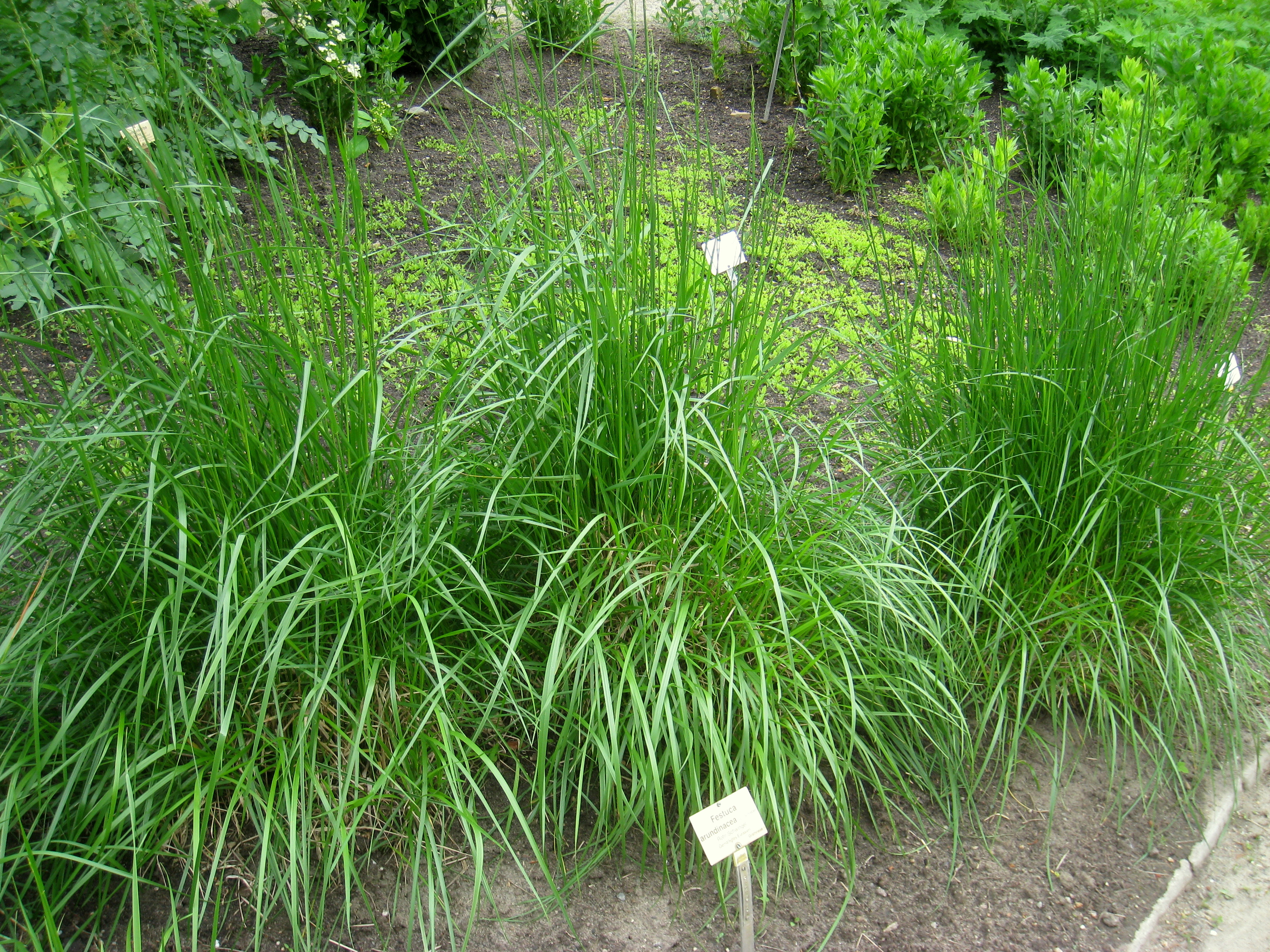
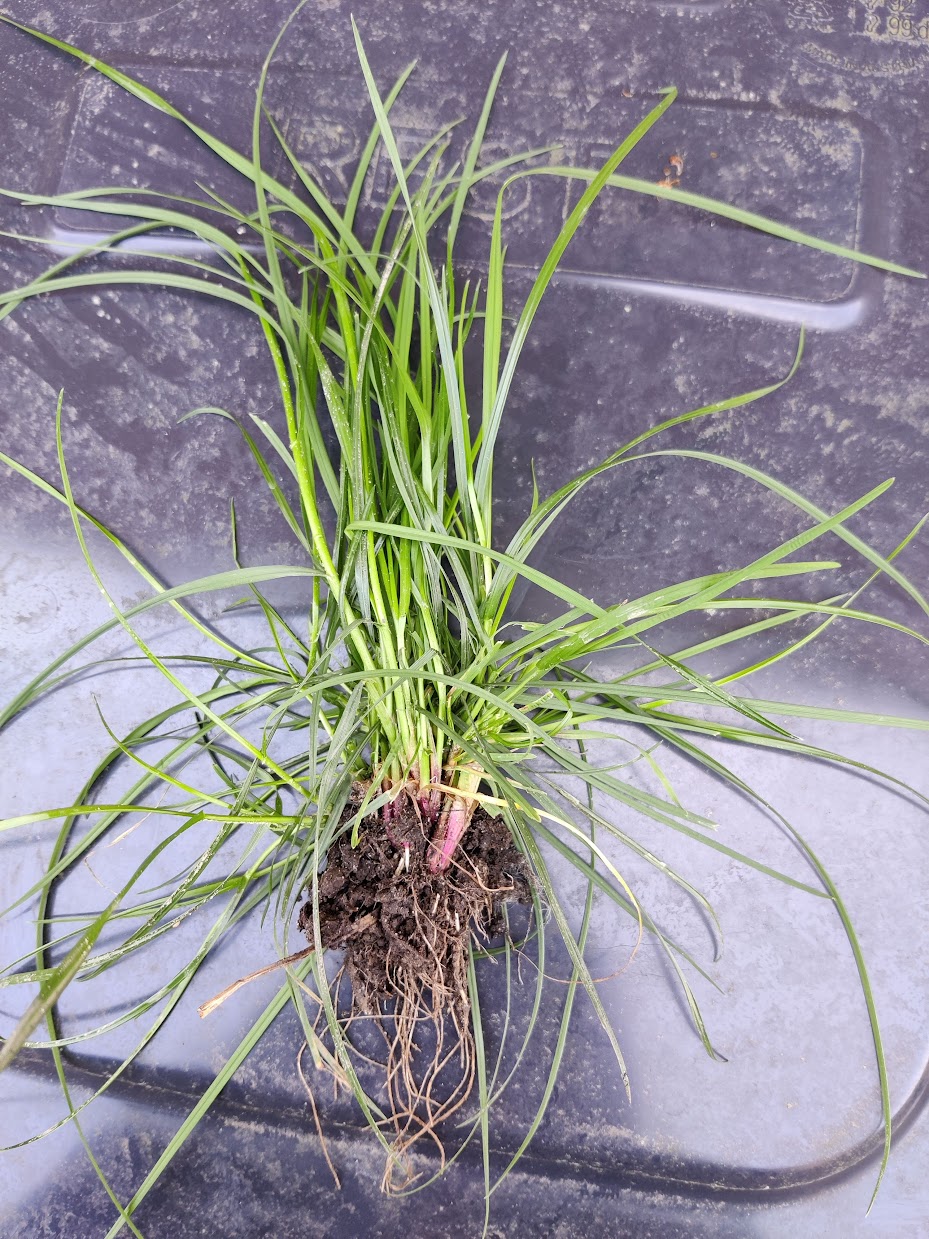
The primary distinction lies in their optimal growing temperatures and when they are most active. Cool-season grasses thrive in regions with cold winters and hot summers, performing best when air temperatures are between 60-75°F. They grow vigorously in spring and fall, often going dormant or slowing significantly during the hottest parts of summer. Common types include:
Warm-season grasses are suited for areas with hot summers and mild winters, preferring air temperatures between 80-95°F. They are dormant and often brown during the cooler months, greening up as temperatures consistently rise in late spring and summer. Common types include:
- Bermudagrass
- Zoysiagrass
- St. Augustinegrass
- Centipedegrass
- Bahiagrass
Knowing your grass type is the first step to tailoring your spring lawn care routine. If you're unsure, consult a local extension office or a reputable garden center.
When Should I Start Spring Lawn Care in My Zone?
The timing of your spring lawn care tasks is critical for success. Here’s a general breakdown by grass type and zone:
Cool-Season Grasses (Zones 1-7)
- Early Spring (March - early April, or when soil temps are consistently above 40°F):
- Cleanup: Rake up any remaining leaves, debris, and winter damage. This helps prevent fungal diseases and allows air and sunlight to reach the grass blades.
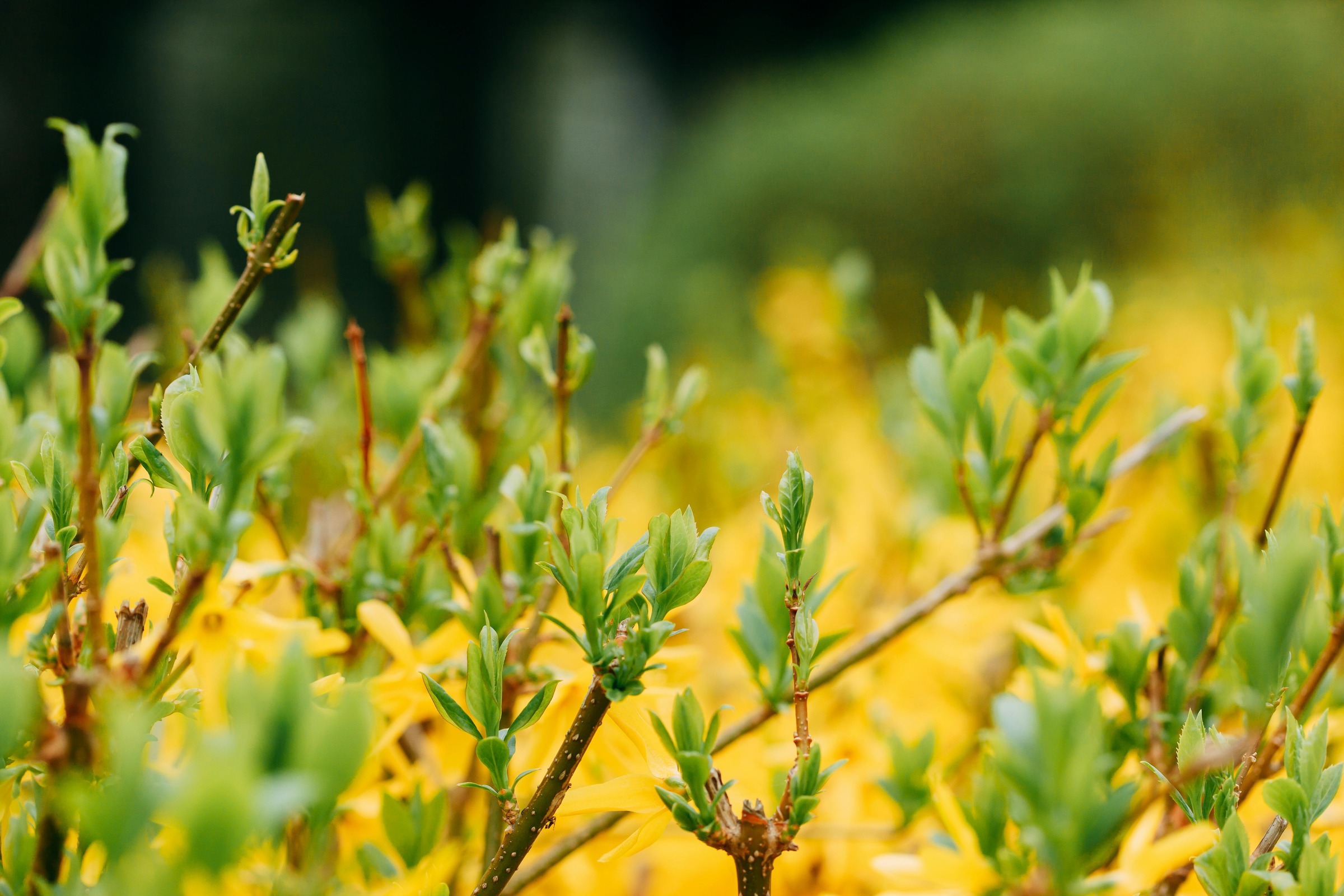
- Pre-emergent Herbicide: This is your best defense against crabgrass and other annual weeds. Apply when soil temperatures are consistently between 50-55°F, typically when forsythia bushes are blooming. Timing is crucial; apply too late, and it won't be effective.
- Aeration (if needed): If your lawn is compacted, early spring is a good time for aeration, especially if you plan to overseed later.
- Soil Testing: If you haven't done one in a few years, early spring is a great time to send a soil sample to your local extension office. This will tell you exactly what nutrients your lawn needs.
- Mid-Spring (April - May):
- Fertilization: Apply a slow-release nitrogen fertilizer. Follow soil test recommendations if you have them. Aim for a balanced fertilizer or one slightly higher in nitrogen.
- Weed Control (Post-emergent): Spot-treat broadleaf weeds as they appear. Avoid applying broadleaf herbicides if you've recently applied a pre-emergent for crabgrass, as some products can interfere with each other or harm new grass.
- Mowing: Begin mowing as soon as the grass starts growing. Set your mower blades high (2.5-3.5 inches). Taller grass shades out weeds and promotes deeper root growth.
- Overseeding (if needed): If you have thin spots and didn't apply a pre-emergent, mid-spring can work for overseeding, but fall is generally preferred for cool-season grasses. If you do overseed, wait at least 8-10 weeks after applying a pre-emergent.
Warm-Season Grasses (Zones 7-11)
- Late Spring (April - May, or when soil temps are consistently above 60-65°F):
- Cleanup: Rake away any dead grass blades and debris from winter dormancy.
- Pre-emergent Herbicide: Apply when soil temperatures are consistently between 60-65°F, typically when dogwoods are blooming. This prevents summer annual weeds like crabgrass.
- Mowing: Begin mowing as soon as your lawn fully greens up and starts active growth. Set your mower blades to the recommended height for your specific warm-season grass type (often 1-2.5 inches, but varies).
- Fertilization: Apply a slow-release fertilizer high in nitrogen. A soil test will give you the most accurate recommendations. Avoid fertilizing too early, as it can encourage weed growth before your grass is ready.
- Aeration (if needed): Late spring/early summer is the ideal time to aerate warm-season grasses, as they are actively growing and can recover quickly.
- Weed Control (Post-emergent): Spot-treat any broadleaf weeds that emerge.
- Dethatching (if needed): If you have a thick layer of thatch (more than 1/2 inch), late spring is a good time to dethatch warm-season grasses.
Quick Reference: Spring Lawn Care by Grass Type
| Task | Cool-Season Grass (Zones 1-7) | Warm-Season Grass (Zones 7-11) |
|---|---|---|
| Cleanup | Early Spring (March - early April) | Late Spring (April - May) |
| Pre-emergent | Early Spring (soil 50-55°F, Forsythia bloom) | Late Spring (soil 60-65°F, Dogwood bloom) |
| Fertilization | Mid-Spring (April - May) | Late Spring (April - May, after green-up) |
| Mowing | Start early spring, 2.5-3.5 inches | Start late spring, specific to grass type (1-2.5 inches common) |
| Weed Control | Spot-treat mid-spring | Spot-treat late spring |
| Aeration/Dethatch | Early spring (aeration), fall preferred for dethatching | Late spring/early summer (aeration & dethatching) |
| Overseeding | Fall preferred; if spring, wait 8-10 weeks after pre-emergent and consider heat stress. | Late spring/early summer (when actively growing) |
| Watering | As needed, aim for 1 inch per week, including rain. | As needed, aim for 1 inch per week, including rain. |
What Are Some Common Spring Lawn Care Mistakes to Avoid?
Even experienced gardeners can make mistakes. Here are a few to watch out for:
- Applying Pre-emergent Too Late: Once crabgrass seeds have germinated, a pre-emergent herbicide is ineffective. Timing is everything, so pay attention to those soil temperatures and local indicators like blooming forsythia or dogwood.
- Fertilizing Warm-Season Grasses Too Early: Applying fertilizer before warm-season grasses are fully out of dormancy can feed weeds more than your lawn, leading to a weedier problem. Wait until your lawn has fully greened up.
- Mowing Too Short: "Scalping" your lawn (cutting it too short) stresses the grass, makes it more susceptible to weeds and disease, and can burn it out, especially in hot weather. Always follow the "one-third rule" - never remove more than one-third of the grass blade height at a time.
- Not Testing Your Soil: Guessing what your lawn needs can lead to over-fertilization, nutrient imbalances, and wasted money. A soil test provides precise recommendations for pH adjustments and nutrient applications.
- Ignoring Weeds: A few weeds can quickly turn into an infestation. Address them early with spot treatments or proper pre-emergent application.
A healthy lawn isn't just about aesthetics; it also contributes to the overall health of your garden and supports local pollinators. Consider adding some native, drought-tolerant plants to your landscape for year-round beauty and ecological benefits.
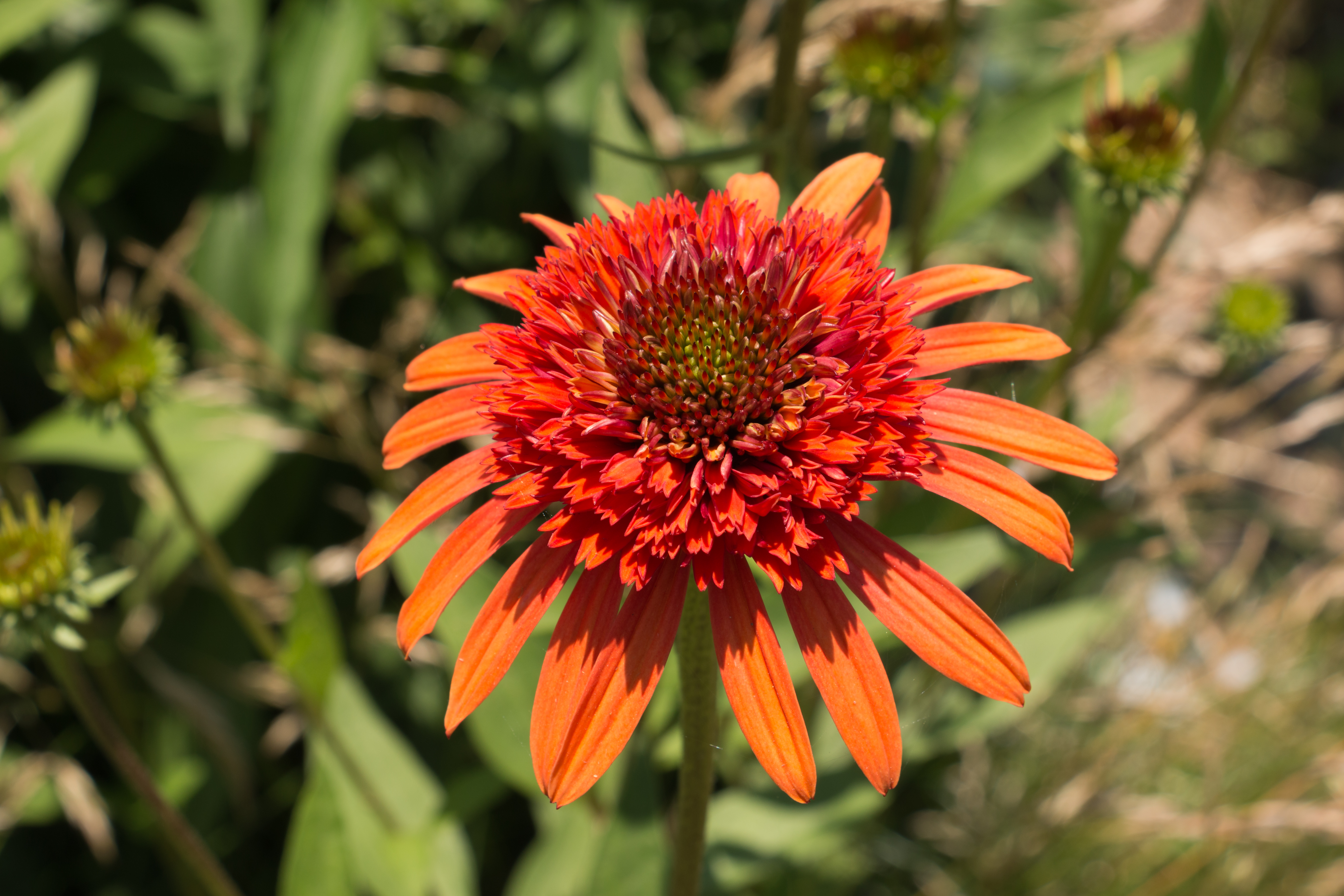
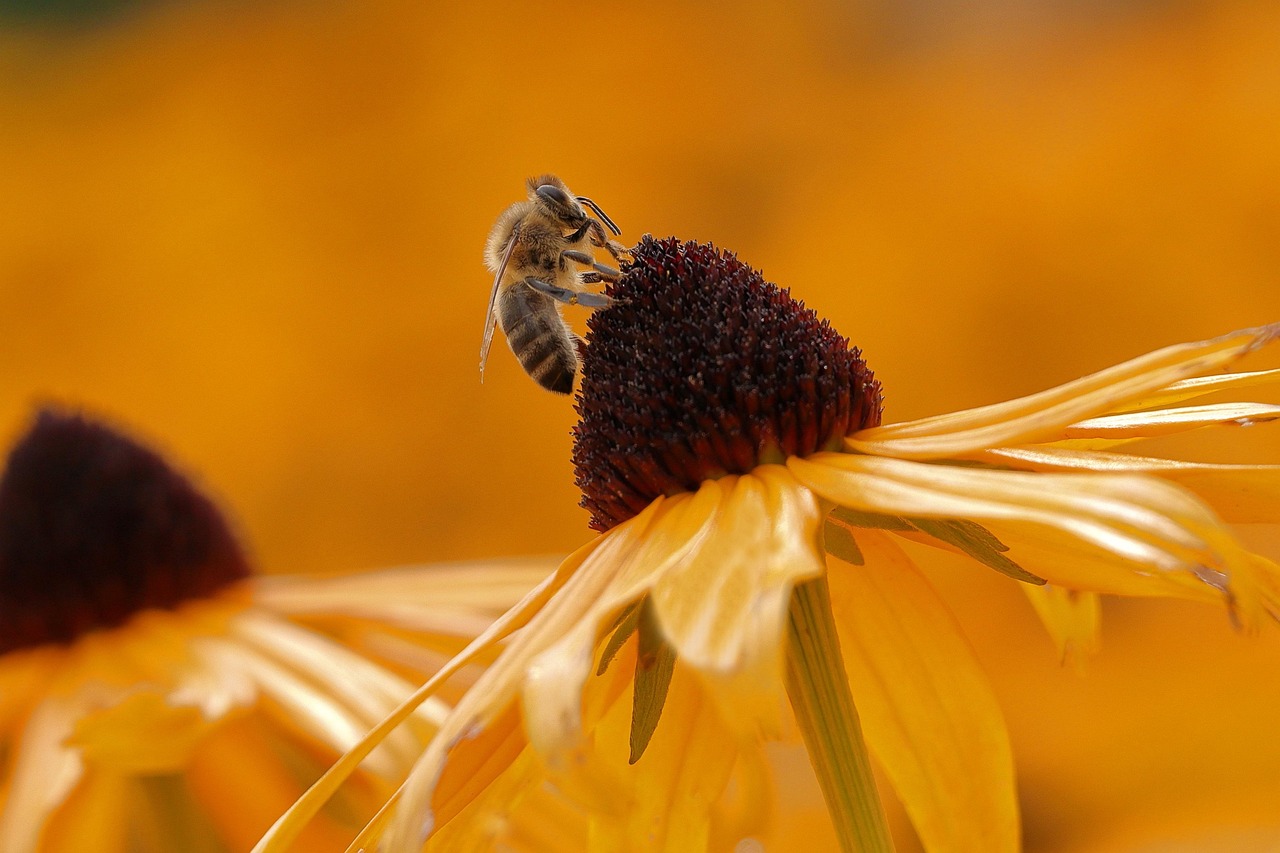
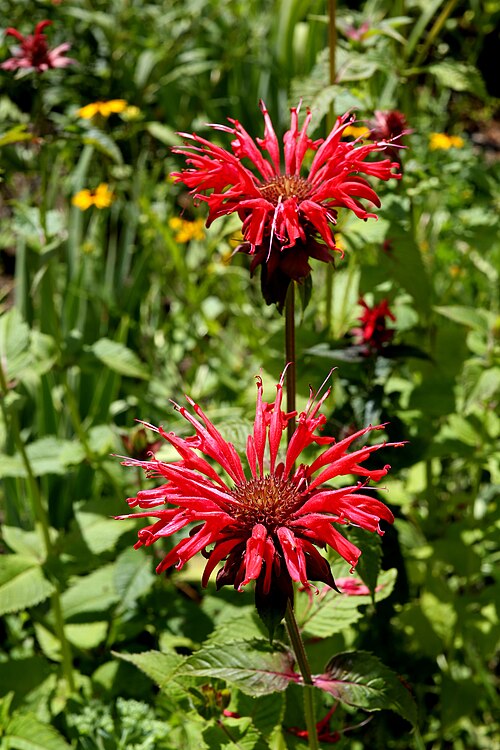
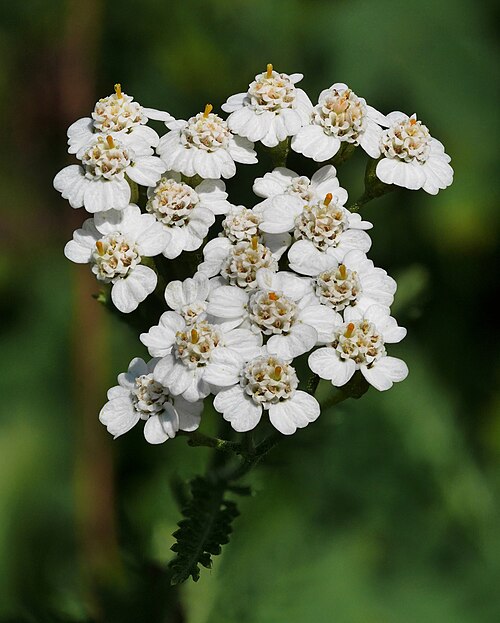
Coneflower Black-eyed Susan Bee Balm Yarrow
By following this zone-specific guide, you'll be well on your way to a vibrant, healthy lawn this spring. Remember, consistency and proper timing are your best tools for success!
Ready to find the perfect plants for your yard? Try the PlantWise Plant Finder →