Summer Lawn Care Guide by Zone
Summer lawn care is not a one-size-fits-all endeavor; it heavily depends on your USDA Hardiness Zone and the type of grass you're growing. Generally, summer lawn care in cooler zones focuses on consistent watering and mowing, while warmer zones prioritize drought management, disease prevention, and stress reduction for warm-season grasses, which thrive in the heat, or cool-season grasses, which struggle. Understanding your zone helps tailor your approach to keep your lawn healthy and green through the hottest months.
As temperatures rise and outdoor activities increase, your lawn faces unique challenges. From scorching sun to heavy foot traffic, summer can be tough on turf. This guide will help you navigate the nuances of summer lawn care, ensuring your grass thrives, no matter where you live.
🌱 Get Personalized Plant Picks
Answer a few quick questions and we’ll match plants to your exact yard conditions.
Find My Plants →What are the main challenges for lawns in summer?
Summer brings a host of challenges that can stress even the most robust lawns. The primary culprits are heat and drought. High temperatures can cause grass to go dormant, turn brown, or even die if not managed properly. Lack of rainfall exacerbates this, leading to dehydration and increased vulnerability.
Beyond environmental factors, increased use of the lawn for entertaining, playing, and general outdoor living means more foot traffic, which compacts the soil and wears down grass blades. Pests like chinch bugs, grubs, and sod webworms are often more active in warmer months, as are fungal diseases such as brown patch and dollar spot, which thrive in hot, humid conditions. Proper summer lawn care is all about mitigating these stressors to maintain a healthy, resilient turf.
How does my USDA Zone affect summer lawn care?
Your USDA Hardiness Zone is a critical factor in determining the best summer lawn care practices because it dictates the types of grass that thrive in your region and the typical climate conditions your lawn will face.
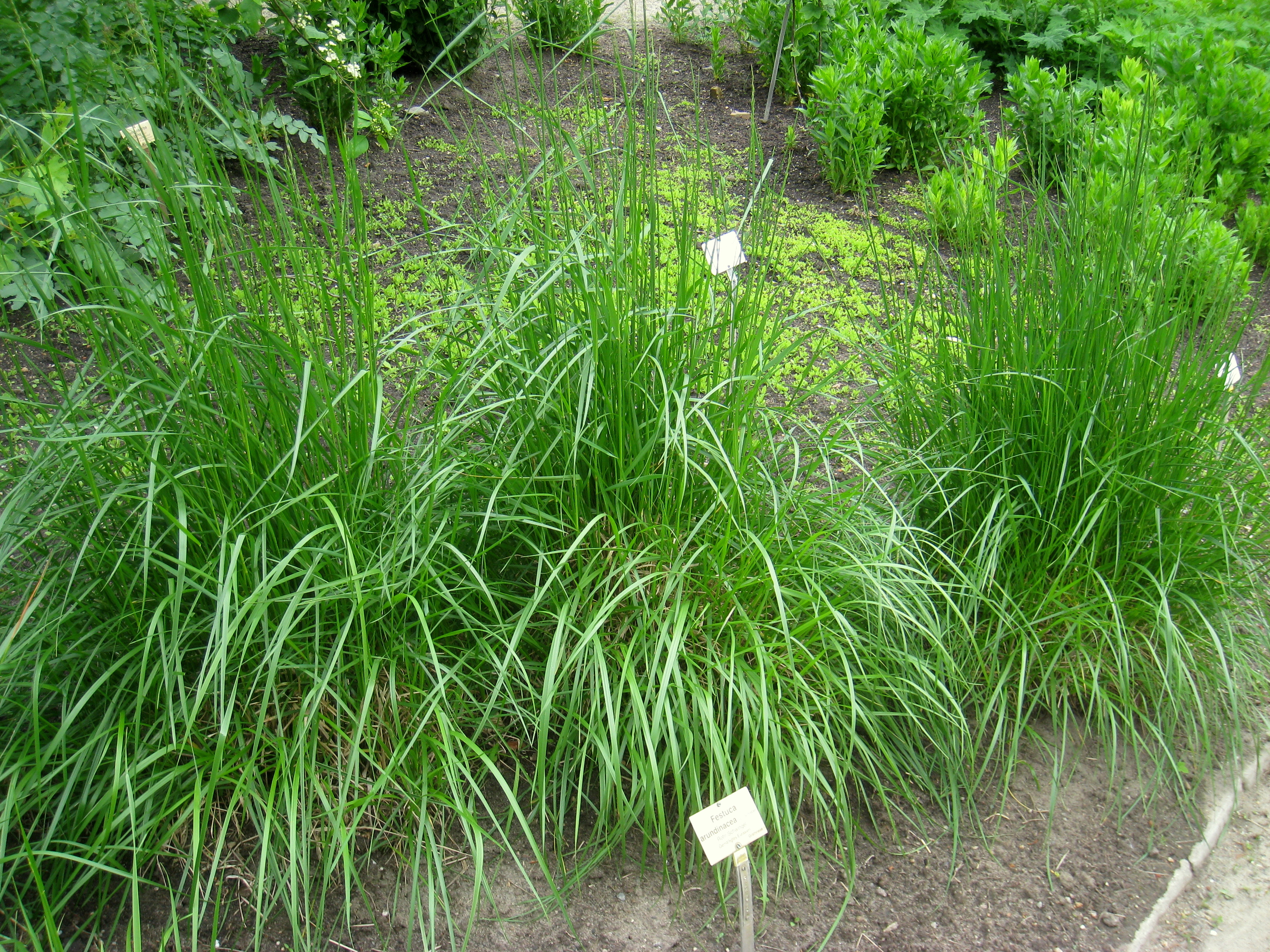
Cool-Season Grasses (Zones 1-6/7): These grasses, including Kentucky bluegrass, tall fescue, fine fescue, and perennial ryegrass, prefer cooler temperatures (60-75°F). In summer, they often struggle and may go dormant to conserve energy.
- Watering: Deep and infrequent watering is key. Aim for 1-1.5 inches per week, applied in the early morning. This encourages deep root growth. If temperatures are consistently above 85°F, you might need to water more frequently to prevent dormancy, or allow it to go dormant and recover in fall.
- Mowing: Raise your mower blade to the highest setting (3-4 inches). Taller grass shades the soil, keeps roots cooler, and helps retain moisture. Never remove more than one-third of the blade length at a time.
- Fertilizing: Avoid heavy fertilization in summer, especially with nitrogen, as it can encourage lush growth that is more susceptible to heat stress and disease. If you must fertilize, use a light, slow-release formula.
- Weed Control: Spot-treat weeds as needed. Broad-spectrum herbicides can stress cool-season grasses in high heat.
- Pest & Disease: Monitor for signs of disease (e.g., brown patch, dollar spot) and pests (e.g., grubs). Treat proactively if issues arise.
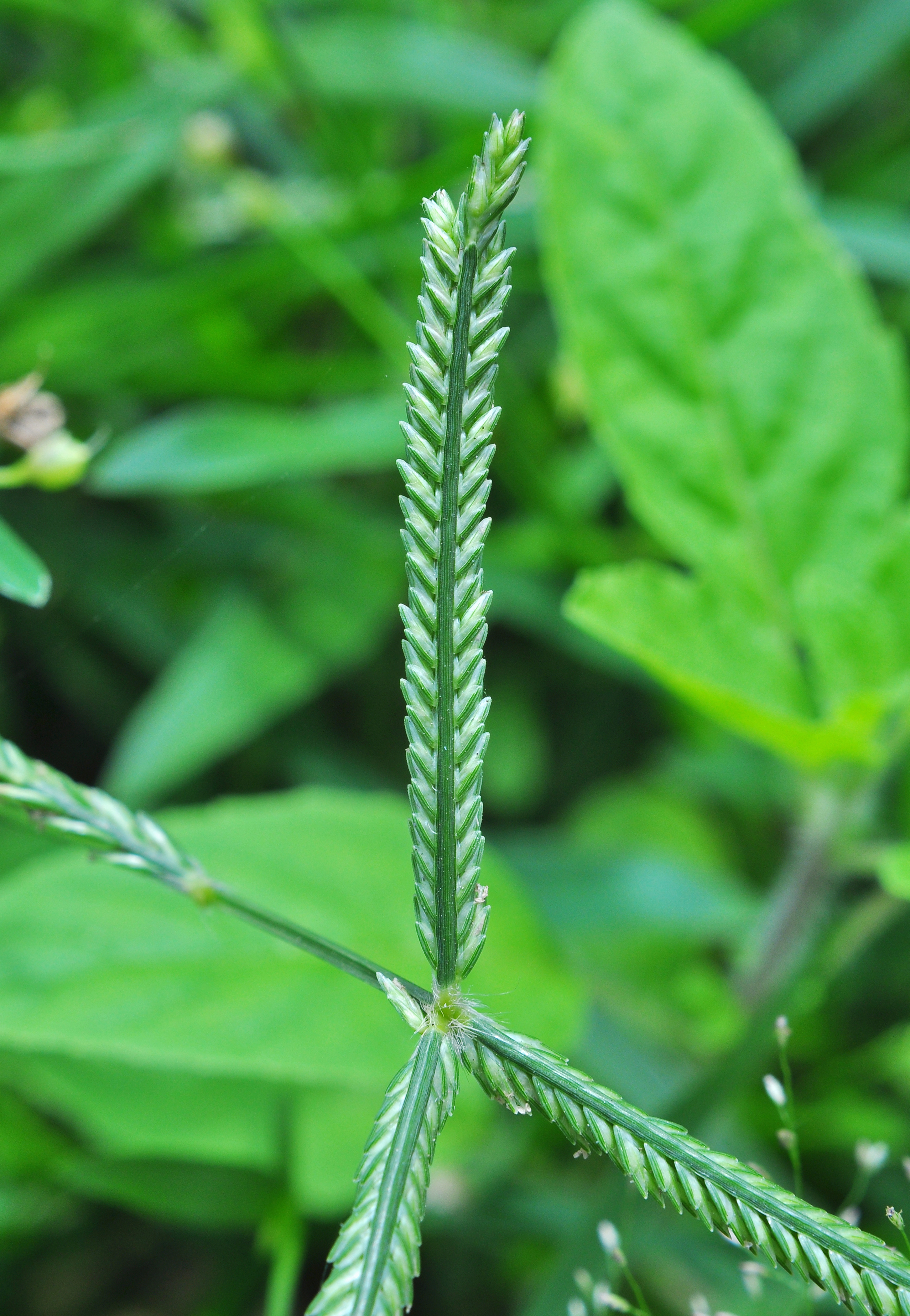
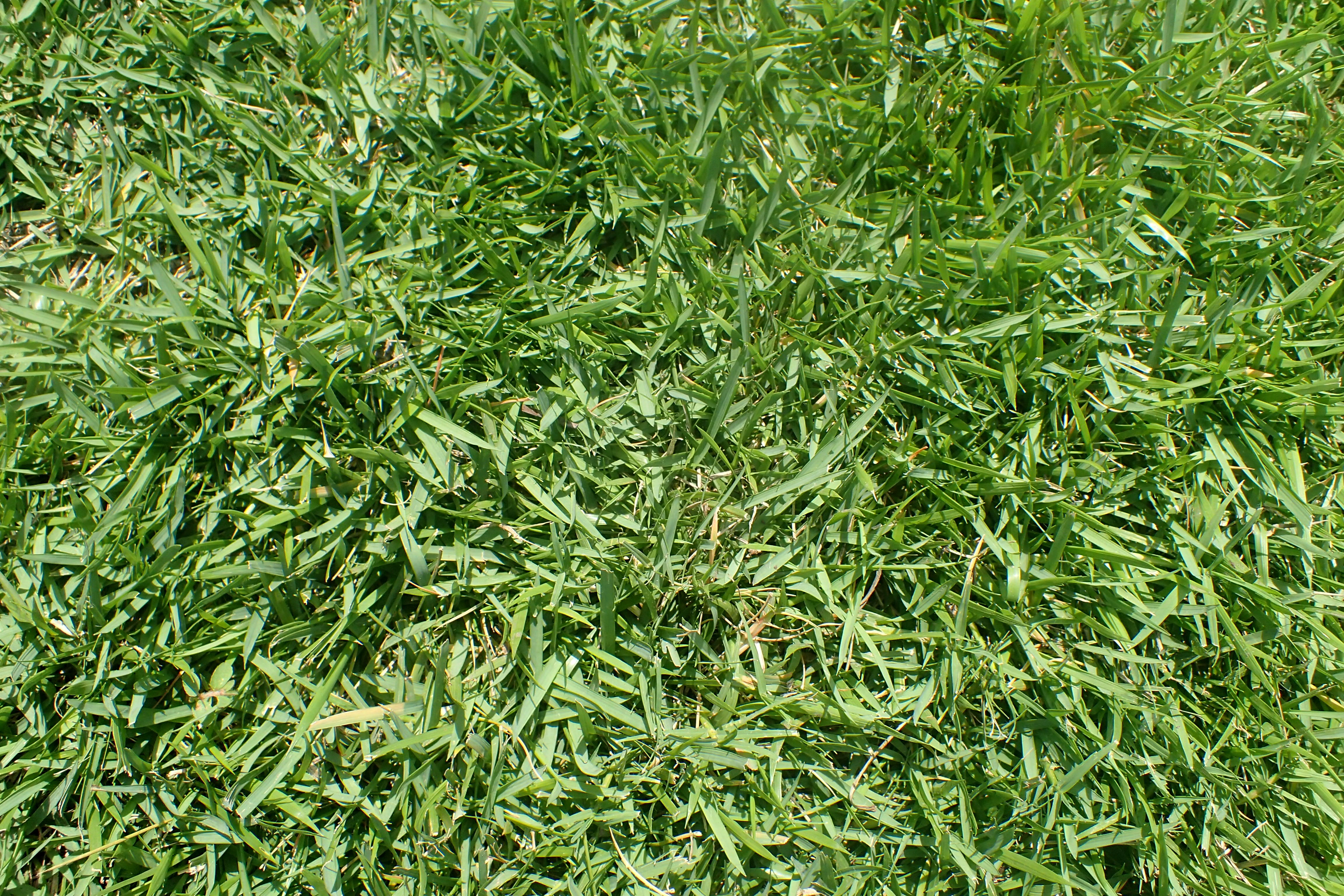
Warm-Season Grasses (Zones 7-10/11): These grasses, such as Bermuda grass, Zoysia grass, St. Augustine grass, and Centipede grass, thrive in hot temperatures (80-95°F) and are more drought-tolerant. Summer is their peak growing season.
- Watering: While more drought-tolerant, warm-season grasses still need consistent watering. Aim for 1 inch per week, applied deeply and infrequently. Early morning is best. Watch for signs of stress (wilting, bluish-gray color).
- Mowing: Maintain a moderate height (1-3 inches depending on grass type). Mow frequently enough so you're not removing more than one-third of the blade.
- Fertilizing: Summer is an ideal time for warm-season grasses to receive nutrients. Use a balanced fertilizer, following product instructions. A soil test can help determine specific needs.
- Weed Control: Summer is a good time for post-emergent weed control as warm-season grasses are actively growing and can recover well.
- Pest & Disease: Be vigilant for common warm-season issues like chinch bugs (St. Augustine) or grub worms.
Quick Reference: Summer Lawn Care by Grass Type
| Feature | Cool-Season Grasses (Kentucky Bluegrass, Fescue, Ryegrass) | Warm-Season Grasses (Bermuda, Zoysia, St. Augustine) |
|---|---|---|
| Peak Season | Spring/Fall | Summer |
| Watering | Deep, infrequent (1-1.5" weekly); may allow dormancy | Deep, infrequent (1" weekly); watch for stress |
| Mowing Height | High (3-4 inches) | Moderate (1-3 inches, varies by type) |
| Fertilizing | Light, slow-release; avoid heavy nitrogen | Balanced fertilizer; peak feeding time |
| Weed Control | Spot-treat; avoid broad-spectrum in extreme heat | Post-emergent effective |
| Traffic | Minimize; easily damaged when stressed | Tolerates more; recovers quickly |
| Aeration | Avoid in summer; best in fall | Can be done in early summer if needed |
What general tips apply to all lawns in summer?
While zone and grass type dictate specifics, some universal principles apply to all lawns during the summer months:
- Water Wisely: Always water deeply and infrequently, ideally in the early morning. This encourages deep root growth, reduces evaporation, and minimizes the risk of fungal diseases that thrive in prolonged dampness. Avoid watering in the evening.
- Mow High: Taller grass blades shade the soil, keeping it cooler and reducing moisture evaporation. This also helps to outcompete weeds. Ensure your mower blades are sharp for a clean cut, which prevents tearing and stress on the grass.
- Leave Clippings: Unless they are excessively long or clumpy, leave grass clippings on the lawn. They act as a natural mulch, returning valuable nutrients and moisture to the soil. This is called "grasscycling."
- Reduce Traffic: When your lawn is stressed by heat or drought, try to minimize foot traffic. Compacted soil makes it harder for roots to access water and nutrients.
- Monitor for Pests and Diseases: Summer is prime time for many lawn issues. Regularly inspect your lawn for discolored patches, wilting, or insect activity. Early detection can prevent widespread damage.
- Soil Health: Consider a soil test if you haven't done one recently. Healthy soil is the foundation of a healthy lawn. Adding organic matter can improve water retention and nutrient availability.
Remember, no plant is truly deer-proof, but maintaining a healthy, vigorous lawn can help it recover from minor browsing.
By understanding your specific zone and grass type, and implementing these tailored strategies, you can help your lawn not just survive, but thrive through the summer heat, emerging green and resilient into the fall.
Ready to find the perfect plants for your yard? Try the PlantWise Plant Finder →