Fall Lawn Care Guide by Zone
Fall is arguably the most critical season for ensuring a healthy, vibrant lawn next year, as the cooler temperatures and increased moisture provide ideal conditions for grass to recover from summer stress and build reserves for winter. The specific tasks you perform, and their timing, depend heavily on your grass type - primarily whether you have cool-season or warm-season grasses, which are dictated by your USDA Hardiness Zone. For cool-season grasses (common in Northern zones), fall is the prime time for seeding, fertilizing, and weed control. For warm-season grasses (prevalent in Southern zones), fall focuses on final feedings, winterization, and preparing for dormancy. Understanding your grass type and zone is key to a successful fall lawn care regimen.
🌱 Get Personalized Plant Picks
Answer a few quick questions and we’ll match plants to your exact yard conditions.
Find My Plants →Why is Fall Lawn Care So Important?
As summer's heat fades and autumn's crisp air arrives, your lawn enters a crucial growth phase. For cool-season grasses, fall is a period of robust root development, allowing them to establish deeply before winter's chill. For warm-season grasses, it's a time to store energy for dormancy and recover from the summer's intense sun. Neglecting your lawn in the fall can lead to a sparse, weed-prone, and unhealthy turf come spring. Proper fall care helps prevent winter damage, reduces spring weeds, and sets the stage for a lush, green lawn next year.
What's the Difference Between Cool-Season and Warm-Season Grasses?
Understanding your grass type is the foundation of effective fall lawn care.
Cool-Season Grasses: These grasses thrive in cooler temperatures, typically between 60-75°F (15-24°C). They grow most actively in spring and fall and often go dormant or semi-dormant during hot summers. They are common in USDA Zones 1-7.
- Examples: Kentucky Bluegrass, Perennial Ryegrass, Tall Fescue, Fine Fescue.
Warm-Season Grasses: These grasses prefer warmer temperatures, ideally between 80-95°F (27-35°C). They grow most actively in summer and go dormant, turning brown, during cooler fall and winter months. They are common in USDA Zones 7-11.
- Examples: Bermuda Grass, Zoysia Grass, St. Augustine Grass, Centipede Grass, Bahia Grass.
Knowing which type you have will dictate your fall lawn care schedule and tasks.
What Fall Lawn Care Tasks Should I Prioritize for My Grass Type?
The core fall lawn care tasks remain similar, but their timing and emphasis shift based on whether you have cool-season or warm-season grass.
For Cool-Season Grasses (Northern Zones)
Fall is the most critical time for these lawns.
- Aeration & Overseeding (Early Fall: September - Early October):
- Aeration: Relieves soil compaction, allowing water, nutrients, and air to reach the roots. This is especially beneficial if your lawn gets heavy foot traffic.
- Overseeding: After aeration, spread new grass seed. The cooler temperatures, morning dew, and reduced weed competition create ideal conditions for germination and establishment before winter. Choose a seed blend appropriate for your climate and sun exposure.
- Fertilization (Mid-Fall: October - Early November):
- Apply a "winterizer" fertilizer, which is typically high in potassium and phosphorus, to promote strong root growth and help the grass store energy for winter. Avoid high-nitrogen fertilizers at this stage, as they promote top growth that can be vulnerable to winter damage.
- Weed Control (Early to Mid-Fall):
- Fall is the best time to tackle perennial broadleaf weeds like dandelions and clover. They are actively absorbing nutrients to store in their roots for winter, making them more susceptible to herbicides.
- Mowing (Throughout Fall):
- Continue mowing as long as the grass is growing. Gradually lower your mowing height with each cut, aiming for 2-2.5 inches for the final mow of the season. This prevents matting and fungal diseases over winter.
- Leaf Removal (Throughout Fall):
- Rake or mulch fallen leaves regularly. A thick layer of leaves can smother your grass, block sunlight, and create a breeding ground for pests and diseases.
For Warm-Season Grasses (Southern Zones)
Fall is about preparing these lawns for dormancy and ensuring a strong spring return.
- Fertilization (Early Fall: September - Early October):
- Apply a final application of fertilizer, ideally one with lower nitrogen and higher potassium, to help the grass build winter hardiness and root strength. Avoid fertilizing too late in the fall, as new growth stimulated by nitrogen can be damaged by early frosts.
- Weed Control (Early to Mid-Fall):
- Apply pre-emergent herbicides in early fall to prevent winter annual weeds (like poa annua) from germinating. Post-emergent herbicides can also be used for existing broadleaf weeds.
- Mowing (Throughout Fall):
- Continue mowing at your regular height until the grass stops growing and begins to go dormant (turns brown). Do not scalp warm-season grasses in the fall, as this can stress them before winter.
- Aeration (Early Fall):
- If your warm-season lawn is compacted, early fall is still a good time for aeration, allowing it to recover before dormancy. Overseeding is generally not done in fall for warm-season grasses unless you're overseeding with a cool-season annual rye for winter color.
- Leaf Removal (Throughout Fall):
- Just like with cool-season grasses, remove fallen leaves to prevent smothering and disease.
Quick Reference: Fall Lawn Care by Grass Type
| Task | Cool-Season Grasses (Northern Zones) | Warm-Season Grasses (Southern Zones) |
|---|---|---|
| Aeration | Early Fall (Sept-Oct) | Early Fall (Sept-Oct) |
| Overseeding | Early Fall (Sept-Oct) - Crucial! | Generally NOT recommended (unless winter rye) |
| Fertilization | Mid-Fall (Oct-Nov) - "Winterizer" | Early Fall (Sept-Oct) - Low N, High K |
| Weed Control | Early-Mid Fall (Post-emergent for perennials) | Early-Mid Fall (Pre-emergent for winter annuals) |
| Mowing | Continue until growth stops; gradually lower height | Continue until dormancy; maintain regular height |
| Leaf Removal | Regularly | Regularly |
| Soil Test | Any time in fall | Any time in fall |
What Other Fall Tasks Support a Healthy Lawn?
Beyond the grass itself, a healthy landscape contributes to a thriving lawn.
- Soil Testing: Fall is an excellent time to conduct a soil test. This will tell you exactly what nutrients your lawn needs and help you adjust your fertilization plan for next year.
- Pruning: Fall is a good time to prune many trees and shrubs, especially after they've dropped their leaves. Remove dead, diseased, or crossing branches.
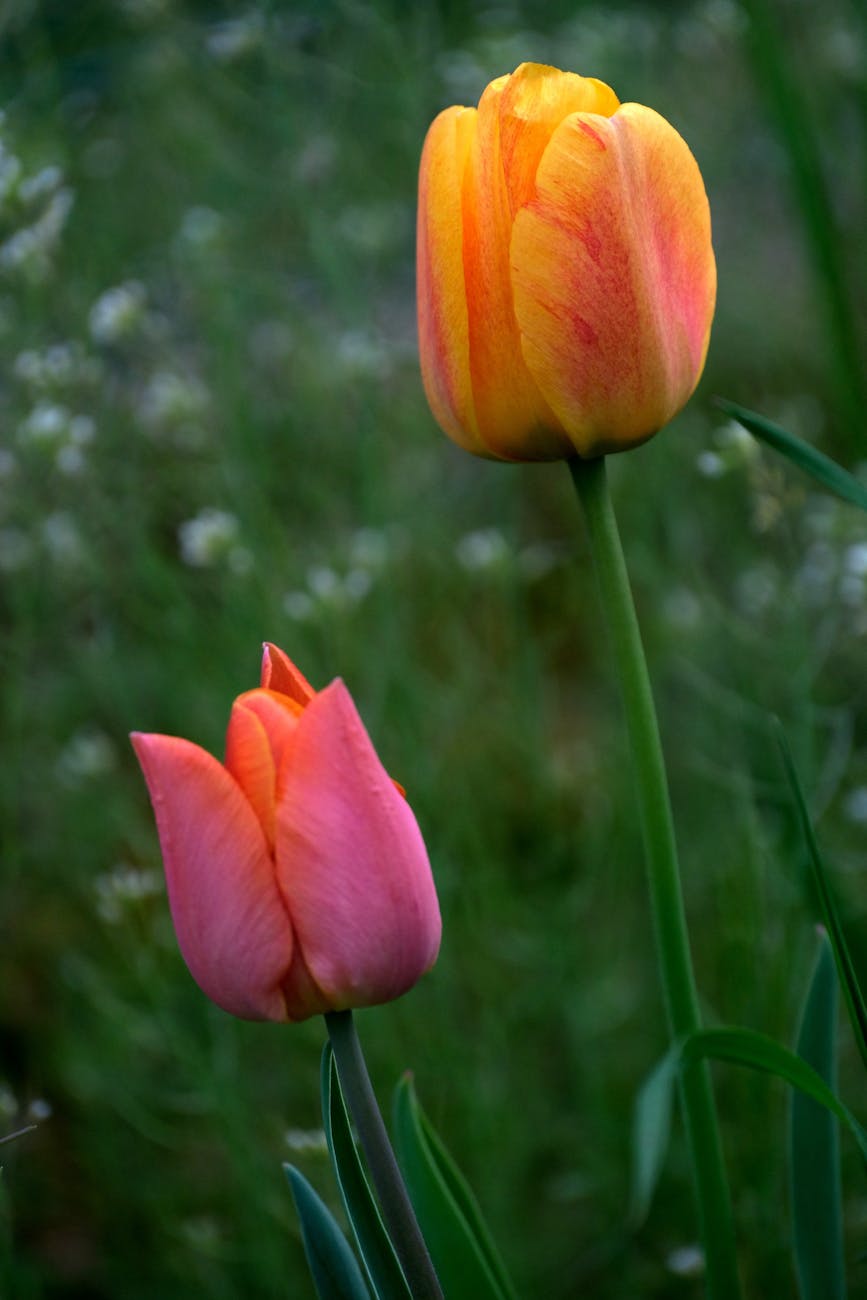
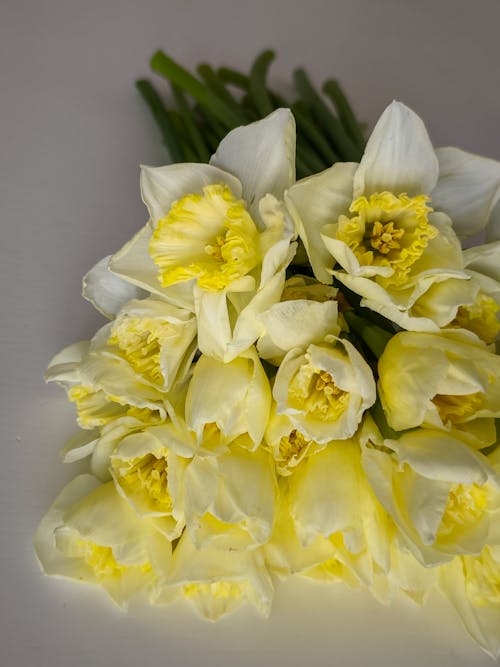
- Planting Bulbs: For a burst of color in spring, fall is the time to plant spring-blooming bulbs like tulips, daffodils, and crocus.
- Mulching: Apply a fresh layer of mulch around trees and shrubs. This helps retain soil moisture, regulate temperature, and suppress weeds.
By following these zone-specific guidelines, you'll be giving your lawn the best possible chance to not only survive winter but to emerge healthier and greener next spring. A little effort now pays big dividends later!
Ready to find the perfect plants for your yard? Try the PlantWise Plant Finder →