Lawn Mowing Best Practices: Height, Frequency, and Technique
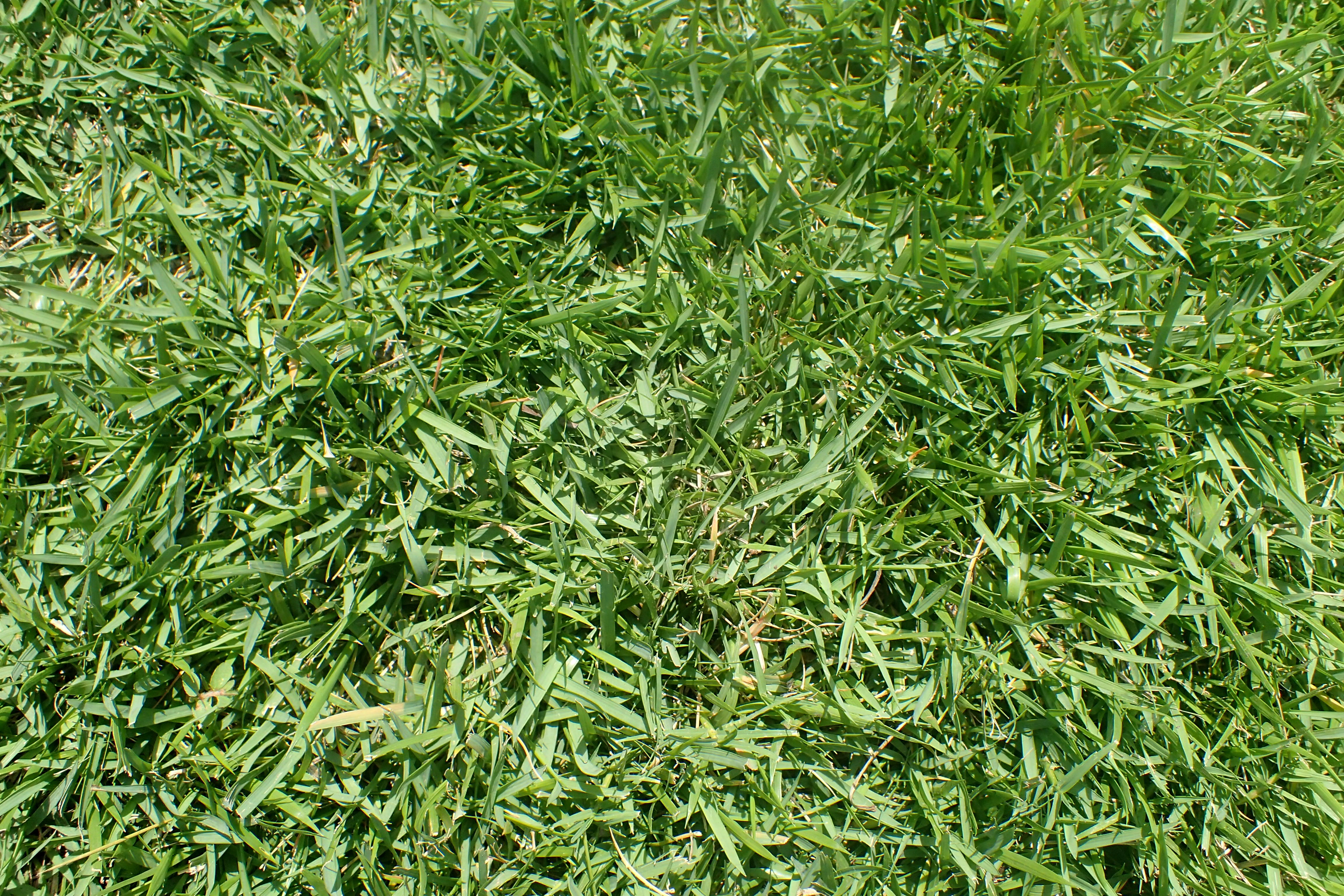
Achieving a lush, healthy lawn largely depends on how you mow it. The best practices for lawn mowing involve understanding the optimal cutting height for your grass type, the ideal frequency to maintain that height, and employing proper mowing techniques to promote strong growth and discourage weeds. By following these guidelines, you can transform your lawn into a vibrant, resilient carpet that enhances your home's curb appeal.
Why is Proper Mowing So Important?
Mowing might seem like a simple chore, but it's one of the most impactful lawn care decisions you make. The way you mow directly affects your lawn's health, appearance, and ability to withstand stress from drought, pests, and diseases. Incorrect mowing can weaken your grass, encourage weed growth, and even lead to bare spots. On the other hand, proper mowing promotes deeper root growth, increases drought resistance, and helps your lawn outcompete weeds naturally. It's not just about aesthetics; it's about fostering a thriving ecosystem right in your backyard.
🌱 Get Personalized Plant Picks
Answer a few quick questions and we’ll match plants to your exact yard conditions.
Find My Plants →What is the Ideal Mowing Height for Your Lawn?
The "ideal" mowing height isn't a one-size-fits-all answer; it primarily depends on your grass type and the season. A general rule of thumb, however, is to mow high. Taller grass blades allow for more photosynthesis, which means more energy production for the plant. This leads to deeper, stronger root systems, making your lawn more resilient to drought and less susceptible to weeds. Cutting too short, often called "scalping," stresses the grass, can expose the soil to sunlight encouraging weed seeds to germinate, and weakens the plant.
For most cool-season grasses like Kentucky Bluegrass, Fescues, and Perennial Ryegrass, aim for a cutting height of 2.5 to 3.5 inches. In warmer months or during periods of stress, leaning towards the higher end of this range is beneficial.
Warm-season grasses such as Bermuda, Zoysia, St. Augustine, and Centipede have slightly different needs. Bermuda grass can tolerate shorter cuts, typically 1 to 2 inches, especially if you're aiming for a golf course-like appearance. Zoysia and St. Augustine grasses generally do best at 2 to 3 inches, while Centipede grass prefers 1.5 to 2.5 inches. Always consult specific recommendations for your particular grass cultivar.
Quick Reference: Ideal Mowing Heights
| Grass Type | Recommended Mowing Height |
|---|---|
| Kentucky Bluegrass | 2.5 - 3.5 inches |
| Fescues | 2.5 - 3.5 inches |
| Perennial Ryegrass | 2.5 - 3.5 inches |
| Bermuda Grass | 1.0 - 2.0 inches |
| Zoysia Grass | 2.0 - 3.0 inches |
| St. Augustine Grass | 2.0 - 3.0 inches |
| Centipede Grass | 1.5 - 2.5 inches |
How Often Should You Mow Your Lawn?
Mowing frequency is directly tied to the "one-third rule," which is arguably the most crucial principle in proper mowing. This rule states that you should never remove more than one-third of the grass blade's total height in a single mowing session. Violating this rule can severely stress the grass, causing it to expend too much energy on recovering from the cut rather than on healthy growth.
To adhere to the one-third rule, your mowing frequency will fluctuate throughout the growing season. During peak growth periods (often spring and early summer), you might need to mow every 4-7 days. As growth slows down in the heat of summer or cooler fall temperatures, you might only need to mow every 10-14 days, or even less frequently.
Instead of sticking to a rigid schedule, observe your lawn's growth. If your grass is 4.5 inches tall and your target height is 3 inches, it's time to mow (removing 1.5 inches, which is exactly one-third of 4.5 inches). If it's only grown to 3.5 inches, you can wait a bit longer. This adaptive approach ensures you're always mowing at the optimal time for your lawn's health.
What Are the Best Mowing Techniques?
Beyond height and frequency, the way you physically mow your lawn plays a significant role in its overall health and appearance.
Sharp Blades are Essential: A dull mower blade tears the grass blades rather than cleanly cutting them. This leaves ragged edges that turn brown, making the lawn look unhealthy and creating entry points for diseases. Sharpen your mower blades at least once a season, or more frequently if you have a large lawn or hit debris often. A clean cut allows the grass to heal quickly and efficiently.
Vary Your Mowing Pattern: Mowing in the same direction every time can compact the soil and cause the grass blades to lean in one direction, leading to ruts and an uneven appearance. Change your mowing pattern each time you cut the grass - alternate between horizontal, vertical, and diagonal passes. This encourages upright growth and distributes the weight of the mower more evenly across the lawn.
Leave Grass Clippings (Mulching): Unless your grass is excessively long (violating the one-third rule), leave the clippings on the lawn. Modern mulching mowers are designed to chop clippings into tiny pieces that quickly decompose, returning valuable nutrients (nitrogen, phosphorus, potassium) and organic matter back to the soil. This acts as a natural fertilizer, reducing the need for synthetic products and improving soil health. If clippings are too heavy and clump, they can smother the grass; in such cases, it's better to bag them.
Mow When the Grass is Dry: Mowing wet grass can lead to several problems. Wet clippings clump together, clog your mower, and can be difficult to disperse evenly. Wet grass also tends to bend rather than cut cleanly, resulting in an uneven cut and potential damage to the grass blades. Wait until the morning dew has dried or after a rain shower has passed and the grass has dried thoroughly.
Avoid Mowing During Extreme Heat: Mowing during the hottest part of the day, especially in summer, can stress your lawn. The grass is already under heat stress, and removing a portion of its blades adds to that burden. Aim to mow in the late afternoon or early evening when temperatures are cooler, or in the morning after the dew has dried but before the sun is at its peak.
Consider Edging and Trimming: While not strictly mowing, edging and trimming are crucial for a neat, finished look. Use a string trimmer or edger to clean up around pathways, garden beds, and obstacles after you've mowed. This creates crisp lines and gives your lawn a professional appearance.
Proper mowing is a foundational element of a healthy, beautiful lawn. By understanding the nuances of cutting height, frequency, and technique, you empower your grass to thrive, resist stressors, and become the envy of the neighborhood.
Ready to find the perfect plants for your yard? Try the PlantWise Plant Finder →