Lawn Pest Identification and Treatment Guide
A healthy, vibrant lawn is the pride of many homeowners, but unseen invaders can quickly turn that lush green carpet into a patchy, brown mess. Identifying lawn pests early and understanding effective treatment methods are crucial for maintaining a beautiful yard. Common lawn pests like grubs, chinch bugs, sod webworms, and armyworms can cause significant damage, but with the right knowledge, you can protect your turf. This guide will help you recognize the signs of infestation and provide actionable steps to restore your lawn's health.
What Are the Most Common Lawn Pests?
Many different pests can wreak havoc on your lawn, each leaving distinct clues about their presence. Understanding these common culprits is the first step in effective treatment. The most frequent offenders include grubs, chinch bugs, sod webworms, and armyworms. Each of these pests targets different parts of the grass and causes unique types of damage, making accurate identification key to successful management.
🌱 Get Personalized Plant Picks
Answer a few quick questions and we’ll match plants to your exact yard conditions.
Find My Plants →Grubs
Grubs are the larval stage of various beetles, including Japanese beetles, June bugs, and chafers. These C-shaped, white larvae live beneath the soil surface, feeding on grass roots.
Identification:
- Appearance: White, C-shaped larvae, typically 1/2 to 1 inch long, with brown heads.
- Damage Signs: Irregular patches of wilting or browning grass that can be easily pulled up like a carpet because the roots have been eaten. Increased activity from animals like raccoons, skunks, or birds digging in the lawn, as they feast on grubs.
- When to Check: Late summer through early fall is prime time for grub damage, though they can be present year-round.
Treatment:
- Biological Control: Milky spore disease (for Japanese beetle grubs) or beneficial nematodes (Heterorhabditis bacteriophora) can be effective, especially when applied in late summer or early fall.
- Chemical Control: Insecticides containing trichlorfon or carbaryl are effective for active infestations. Preventative treatments with chlorantraniliprole or imidacloprid can be applied in spring or early summer to target newly hatched grubs. Always follow label instructions carefully.
Chinch Bugs
Chinch bugs are tiny insects that feed on grass blades, particularly in hot, dry conditions. They inject a toxin into the grass as they feed, causing it to turn yellow and then brown.
Identification:
- Appearance: Small (about 1/5 inch long), black bodies with white wings that have a distinctive black triangular mark. Nymphs are smaller and reddish-orange with a white band across their backs.
- Damage Signs: Irregular patches of yellowing grass that quickly turn brown, often mistaken for drought stress. These patches typically appear in sunny, hot areas of the lawn, often near sidewalks or driveways. The damage spreads rapidly.
- When to Check: Most active during hot, dry periods from early summer to early fall.
- Test: To confirm, remove both ends of a tin can, push it into the soil, and fill it with water. Chinch bugs will float to the surface within 5-10 minutes.
Treatment:
- Cultural Practices: Proper watering and fertilization can help your lawn withstand chinch bug damage.
- Chemical Control: Insecticides containing bifenthrin, carbaryl, or lambda-cyhalothrin can be effective. Granular products are often preferred as they can penetrate dense turf.
Sod Webworms
Sod webworms are the larvae of small moths. They feed on grass blades at night, often near the soil surface, causing chewed-up patches.
Identification:
- Appearance: Larvae are grayish-green to brownish, about 3/4 to 1 inch long, with small dark spots. Moths are small, whitish-brown, and fly in a zigzag pattern low over the lawn at dusk.
- Damage Signs: Small, irregular brown patches of grass that look like they've been mowed too short or scalped. You might see silken tunnels or webbing near the soil surface, especially in the morning dew.
- When to Check: Active from late spring through fall, with several generations per year.
- Test: Pour a mixture of dish soap and water over an affected area. The webworms will surface within minutes.
Treatment:
- Cultural Practices: Maintain a healthy lawn to help it recover.
- Biological Control: Beneficial nematodes can be effective.
- Chemical Control: Insecticides containing carbaryl, permethrin, or bifenthrin can control active infestations. Apply in late afternoon or early evening when webworms are most active.
Armyworms
Armyworms are caterpillars that can quickly devour large sections of a lawn, often moving in "armies" from one area to another.
Identification:
- Appearance: Larvae are smooth, greenish-brown caterpillars with distinctive stripes along their bodies, about 1 to 1.5 inches long. Moths are grayish-brown with a white spot on each forewing.
- Damage Signs: Grass blades chewed down to the crown, leaving bare spots. Damage often appears suddenly and spreads rapidly. You might see their droppings (frass) on the grass blades.
- When to Check: Most common in late summer and early fall, especially after periods of drought followed by rain.
Treatment:
- Cultural Practices: A healthy lawn is more resilient.
- Biological Control: Bacillus thuringiensis (Bt) is a natural bacterium that is effective against young armyworms and safe for beneficial insects.
- Chemical Control: Insecticides containing carbaryl, spinosad, or permethrin can be used for severe infestations. Apply in the late afternoon or early evening.
How Can I Prevent Lawn Pest Infestations?
Preventing lawn pests is often easier and more effective than treating an existing infestation. A healthy, well-maintained lawn is your best defense.
- Proper Mowing: Mow at the correct height for your grass type (usually 2.5-3 inches). Taller grass shades the soil, reducing weed germination and retaining moisture, and can better tolerate some pest feeding.
- Appropriate Watering: Water deeply and infrequently, encouraging deep root growth. Overwatering or shallow watering can stress your lawn and make it more susceptible to pests. Aim for 1 inch of water per week, including rainfall.
- Balanced Fertilization: Fertilize according to your soil test results and grass type. Over-fertilizing, especially with nitrogen, can lead to lush, tender growth that is more attractive to some pests.
- Aeration and Dethatching: Annually aerate your lawn to reduce soil compaction and improve air, water, and nutrient penetration. Dethatch if your thatch layer (the layer of dead and living organic matter between the soil surface and the green grass blades) is thicker than 1/2 inch, as it can harbor pests.
- Choose Pest-Resistant Varieties: When overseeding or establishing a new lawn, select grass varieties known for their resistance to common local pests.
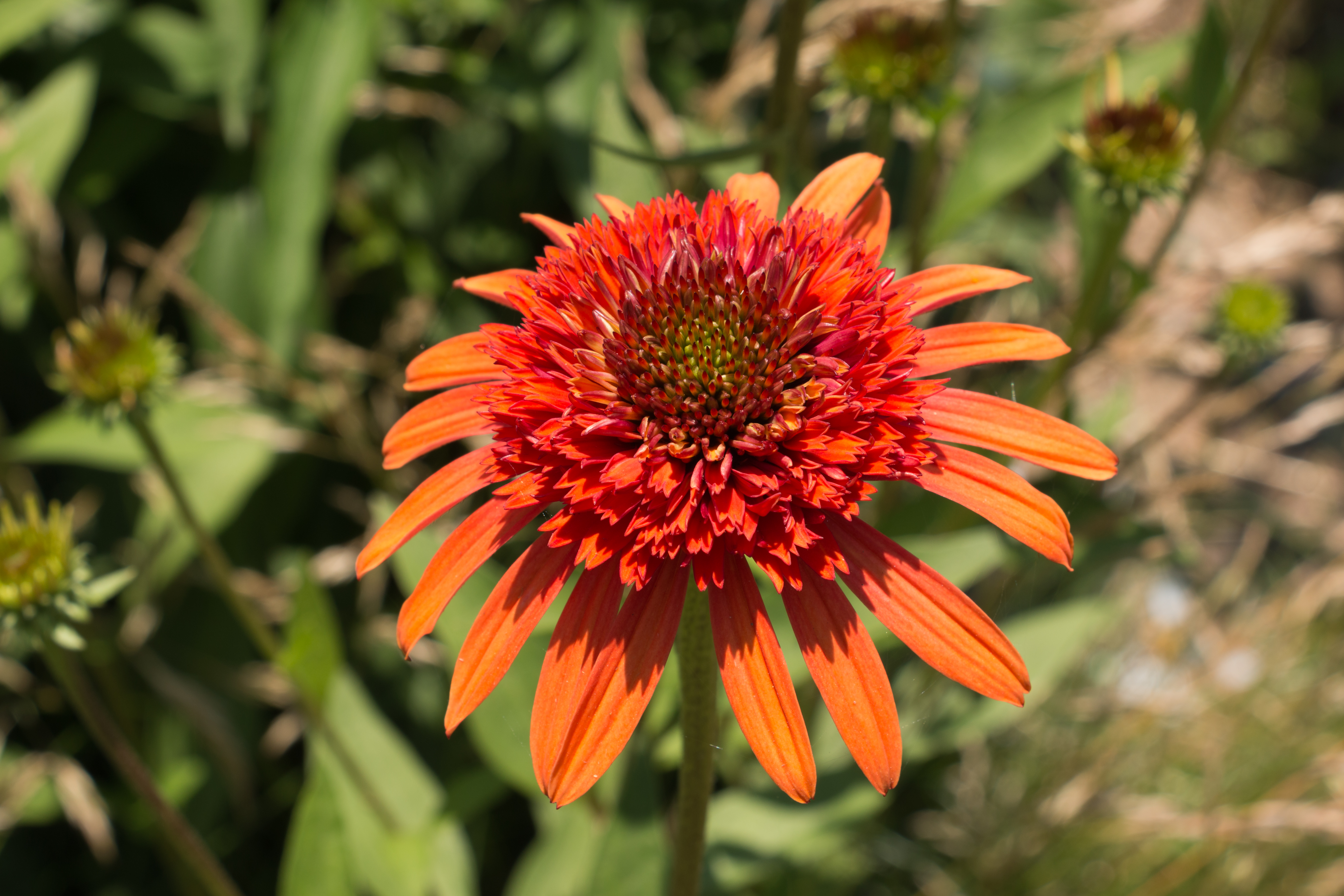
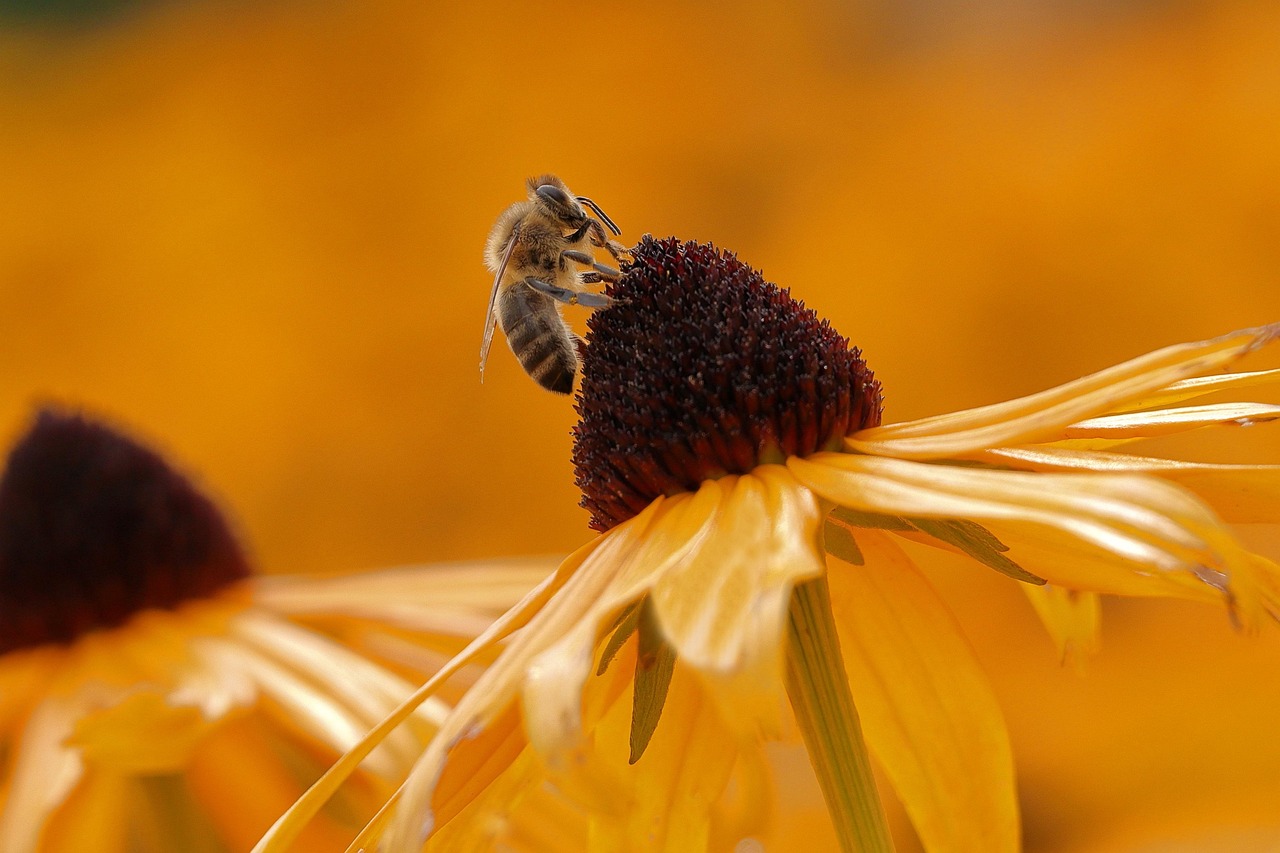
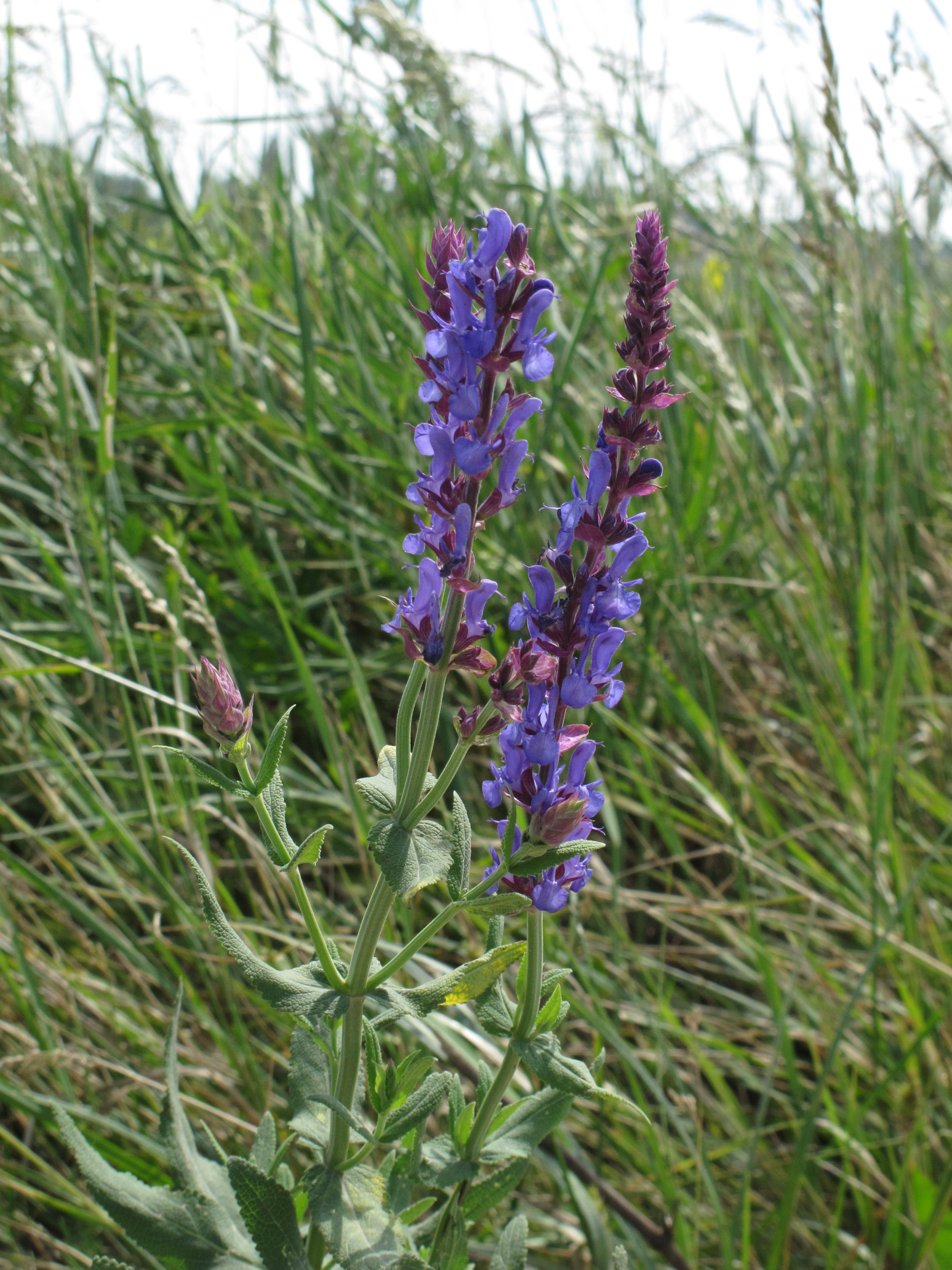
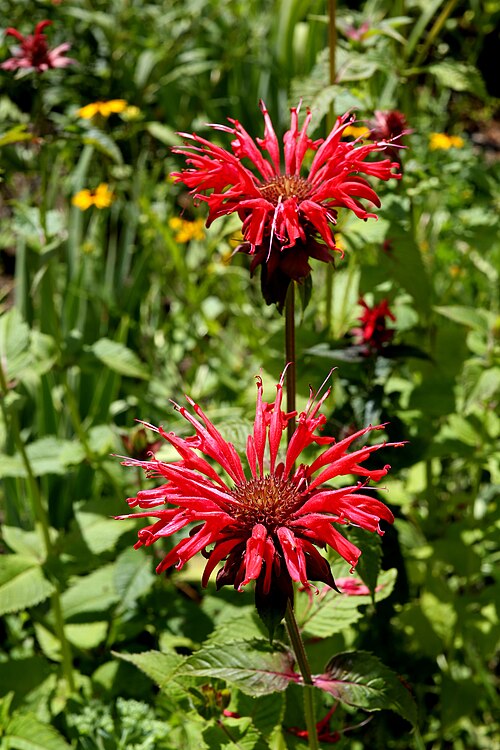
- Encourage Beneficial Insects: Many insects, like ladybugs, lacewings, and parasitic wasps, prey on lawn pests. Avoid broad-spectrum insecticides that can harm these helpful allies. Planting diverse flowering plants nearby can attract them. Consider adding plants like Bee Balm, Salvia, and Coneflower to your garden to support beneficial insects. Yarrow and Black-eyed Susan are also great choices.
When Should I Call a Professional?
While many common lawn pest problems can be managed by homeowners, there are times when professional help is warranted.
- Extensive Damage: If a large portion of your lawn is severely damaged and you're unsure of the cause or how to treat it effectively.
- Persistent Infestations: If you've tried various treatments and the pests keep returning or spreading.
- Unidentified Pests: If you're unable to identify the pest causing the damage, a professional can accurately diagnose the problem.
- Hazardous Treatments: Some pest control methods require specialized equipment or chemicals that are best handled by trained professionals to ensure safety and effectiveness.
- Time Constraints: If you simply don't have the time or resources to dedicate to ongoing pest management.
A professional lawn care service can offer a comprehensive approach, including precise identification, targeted treatments, and long-term prevention strategies tailored to your specific lawn and local conditions.
Quick Reference: Common Lawn Pests and Their Signs
| Pest Type | Appearance | Damage Signs | When to Check |
|---|---|---|---|
| Grubs | C-shaped, white larvae, brown heads (1/2-1 inch) | Irregular brown patches, grass pulls up easily, increased animal digging | Late summer to early fall |
| Chinch Bugs | Small (1/5 inch), black with white wings (black triangle); nymphs reddish-orange | Yellowing/browning patches, often in hot, sunny areas, mistaken for drought. Spreads rapidly. | Hot, dry periods (early summer to early fall) |
| Sod Webworms | Grayish-green to brownish caterpillars (3/4-1 inch); small moths | Small, irregular brown patches, grass looks scalped, silken tunnels/webbing near soil. | Late spring through fall |
| Armyworms | Smooth, greenish-brown caterpillars with stripes (1-1.5 inches) | Grass blades chewed down to crown, bare spots, damage appears suddenly and spreads, visible droppings (frass). | Late summer to early fall |
By regularly inspecting your lawn and understanding the signs of common pests, you can take timely action to protect your investment and maintain a beautiful, healthy yard.
Ready to find the perfect plants for your yard? Try the PlantWise Plant Finder →