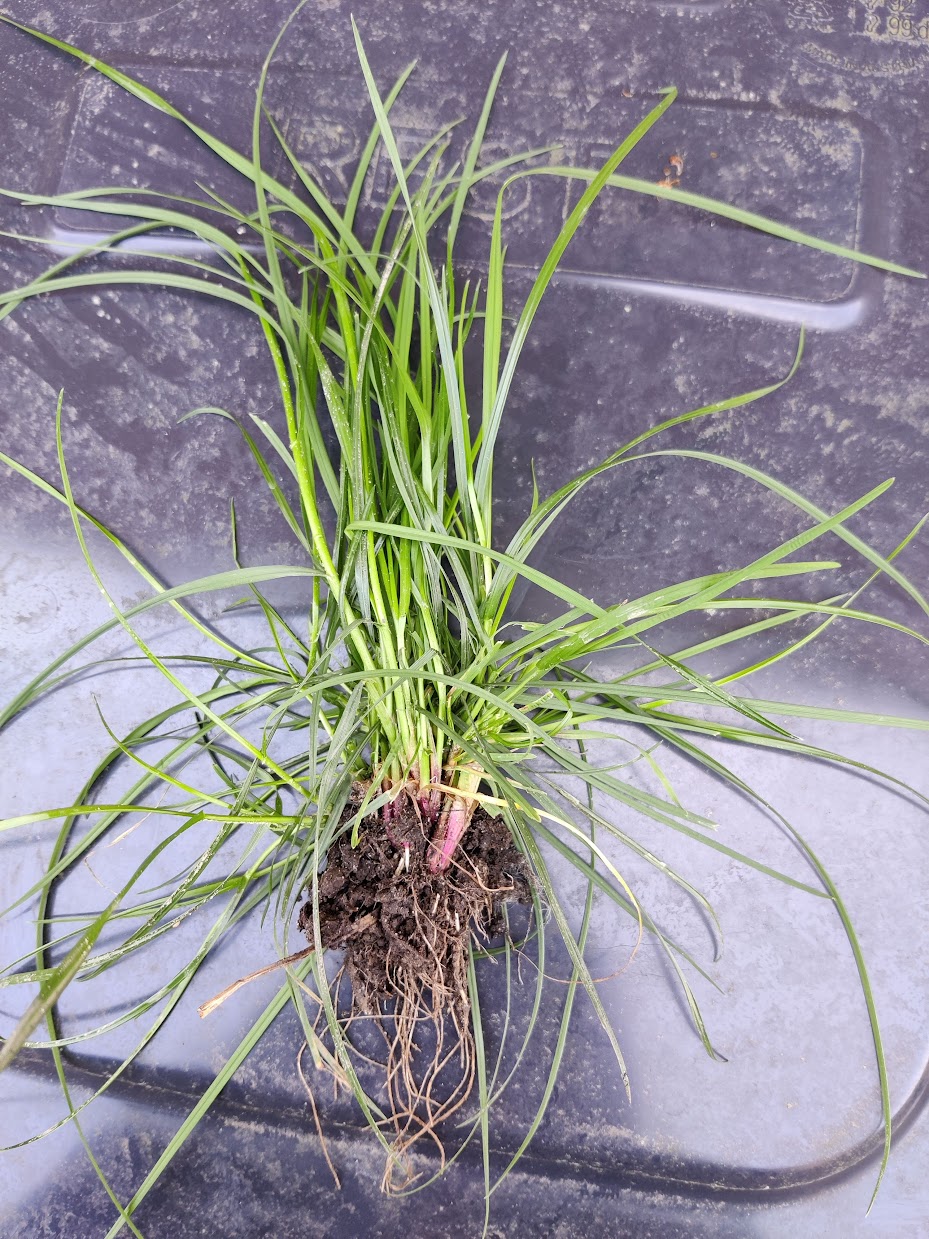
A severely damaged lawn, riddled with weeds, bare patches, and compacted soil, often requires more than just overseeding. When your turf is beyond simple repair, a full lawn renovation is the most effective way to restore it to a lush, healthy state. This comprehensive guide will walk you through the step-by-step process of transforming your struggling lawn into a vibrant green carpet, covering everything from initial assessment and preparation to seeding, watering, and ongoing care.
When Is Lawn Renovation Necessary?
Deciding whether to renovate your lawn or simply overseed can be a tough call. Overseeding is a great solution for lawns that are thinning but still have a decent amount of healthy turf. However, if your lawn is more than 50% weeds, has significant bare spots, suffers from severe compaction, or is plagued by persistent diseases or insect problems that haven't responded to treatment, a full renovation is likely the best course of action. Renovation allows you to start fresh, addressing underlying soil issues and establishing a new, robust stand of grass.
🌱 Get Personalized Plant Picks
Answer a few quick questions and we’ll match plants to your exact yard conditions.
Find My Plants →What Are the First Steps in Planning Your Lawn Renovation?
Before you even think about buying seed, thorough planning and preparation are crucial for a successful lawn renovation.
Assess Your Current Lawn and Soil
Start by walking your lawn and identifying the extent of the damage. Note areas with heavy weed infestations, bare spots, poor drainage, or compacted soil.
Next, conduct a soil test. This is arguably the most important step. A soil test will reveal your soil's pH, nutrient levels (nitrogen, phosphorus, potassium, etc.), and organic matter content. You can purchase a soil test kit from a garden center or contact your local cooperative extension office for more detailed analysis. The results will guide your soil amendment strategy, ensuring your new grass has the best possible environment to thrive.
Choose the Right Grass Seed
Selecting the appropriate grass seed for your climate and lawn conditions is vital. Consider factors like:
- Climate Zone: Are you in a cool-season or warm-season grass region? Cool-season grasses like Kentucky Bluegrass, Perennial Ryegrass, and Fescue thrive in northern climates, while warm-season grasses such as Bermuda, Zoysia, and St. Augustine are better suited for southern regions.
- Sunlight Exposure: How much sun does your lawn receive? Some grasses prefer full sun, while others are more shade-tolerant.
- Traffic Tolerance: Will your lawn experience heavy foot traffic? Some varieties are more durable than others.
- Maintenance Level: How much time and effort are you willing to put into maintenance? Some grasses are more demanding than others.
A blend of grass seeds often provides the best results, offering a mix of disease resistance, drought tolerance, and aesthetic appeal.
Timing Your Renovation
The timing of your lawn renovation is critical for success.
- Cool-season grasses: The ideal time to plant cool-season grasses is late summer to early fall (August to October in many regions). This allows the grass to establish a strong root system before winter and before the heat and weeds of summer. Early spring can also work, but young seedlings will face more competition from weeds and stress from summer heat.
- Warm-season grasses: The best time to plant warm-season grasses is late spring to early summer, once soil temperatures are consistently warm. This gives them ample time to establish before cooler weather arrives.
How Do You Prepare the Soil for New Grass?
Proper soil preparation creates the foundation for a healthy, long-lasting lawn.
Clear the Existing Lawn
The first step in soil preparation is to remove the existing damaged turf and weeds. You have several options:
- Non-selective herbicide: This is often the most effective method for completely killing off existing vegetation, including stubborn weeds and old grass. Follow product instructions carefully, and allow sufficient time for the herbicide to work before proceeding.
- Solarization: For an organic approach, cover the area with clear plastic sheeting for several weeks during the hottest part of the year. The sun's heat will "cook" and kill weeds and weed seeds.
- Manual removal/sod cutter: For smaller areas, you can manually dig out the old turf. For larger areas, renting a sod cutter can be efficient.
Once the existing vegetation is dead or removed, rake away debris, rocks, and thatch.
Amend and Grade the Soil
Based on your soil test results, incorporate necessary amendments.
- pH adjustment: If your soil is too acidic, add lime. If it's too alkaline, add sulfur.
- Nutrient deficiencies: Add fertilizers as recommended by your soil test.
- Organic matter: Incorporate compost, aged manure, or other organic materials to improve soil structure, drainage, and water retention. Aim for a layer of 2-4 inches of organic matter tilled into the top 4-6 inches of soil.
After amending, rough grade the area to ensure proper drainage. Fill in low spots and smooth out high spots. A gentle slope away from your home's foundation is ideal.
Aerate and Roll (Optional but Recommended)
If your soil is heavily compacted, core aeration can significantly improve air and water penetration. After aeration, a light rolling can help settle the soil and create a firm seedbed, but avoid over-compacting.
What Are the Best Practices for Seeding and Initial Care?
With your soil prepped, it's time to sow your new lawn.
Spreading the Seed
Use a broadcast spreader for even distribution of grass seed. Apply half the seed in one direction and the other half perpendicular to the first pass to ensure uniform coverage. Refer to your seed packaging for recommended application rates.
After spreading, lightly rake the seed into the top 1/4 inch of soil or use a roller to ensure good seed-to-soil contact. You can also apply a thin layer of peat moss or straw over the seeded area to help retain moisture and protect the seeds from birds, but avoid heavy layers that can smother seedlings.
Watering Your New Lawn
Consistent moisture is paramount for successful germination and establishment.
- Initial watering: Immediately after seeding, water thoroughly but gently to a depth of 2-3 inches, being careful not to wash away the seeds.
- Ongoing watering: For the first 2-3 weeks, keep the top inch of soil consistently moist. This usually means light watering several times a day, especially during warm, dry weather.
- As grass grows: Once seedlings emerge and reach a few inches tall, gradually reduce the frequency of watering but increase the duration, encouraging deeper root growth. Aim for deep, infrequent watering once the lawn is established.
Fertilizing Your New Lawn
Apply a "starter fertilizer" that is high in phosphorus, which promotes root development. This can be applied at the time of seeding or shortly thereafter. Follow product instructions carefully. Avoid high-nitrogen fertilizers at this stage, as they can burn young seedlings.
How Do You Maintain Your Newly Renovated Lawn?
Once your new grass is growing, proper ongoing maintenance will ensure its long-term health.
First Mowing
Wait until your new grass is at least 3-4 inches tall before its first mowing. Set your mower to its highest setting and ensure the blades are sharp to avoid tearing the tender blades. Only remove about one-third of the grass blade length at a time.
Weed Control
Weeds are inevitable, even in a renovated lawn. Avoid using pre-emergent herbicides on new lawns as they can prevent grass seed from germinating. For post-emergent weed control, wait until the new grass has been mowed at least 2-3 times and is well-established (usually 6-8 weeks after germination) before applying any herbicides. For individual weeds, hand-pulling is often the safest option for young turf.
Long-Term Care
Continue with a regular watering schedule, aiming for deep, infrequent watering. Follow a seasonal fertilization program based on your grass type and soil test results. Consider incorporating beneficial plants in nearby garden beds to support overall yard health.
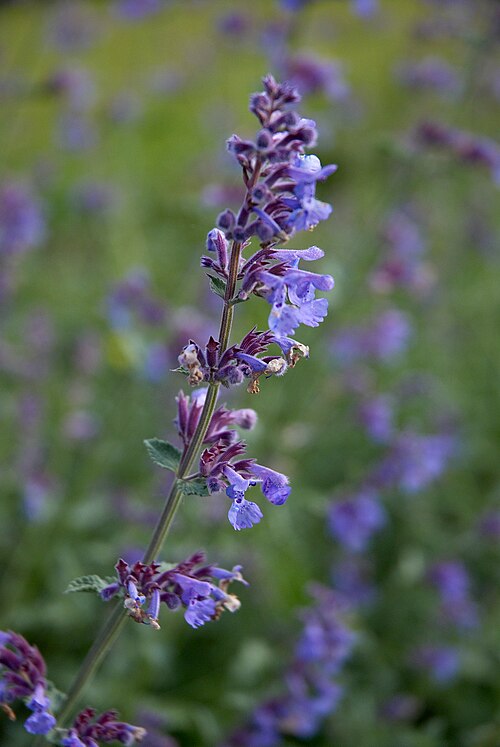
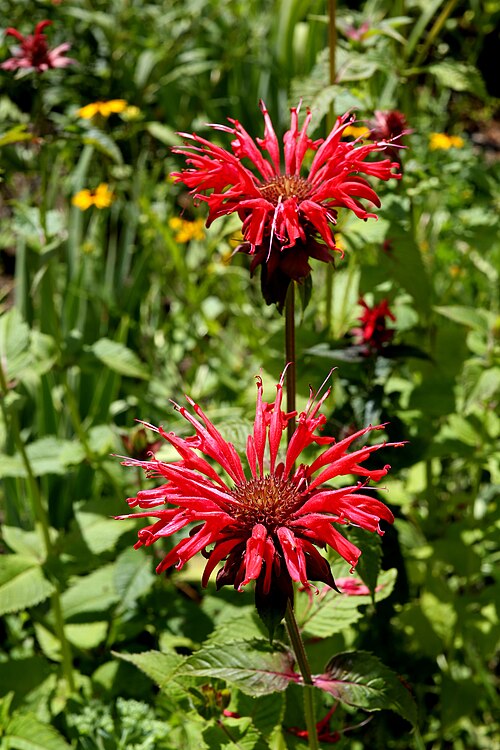
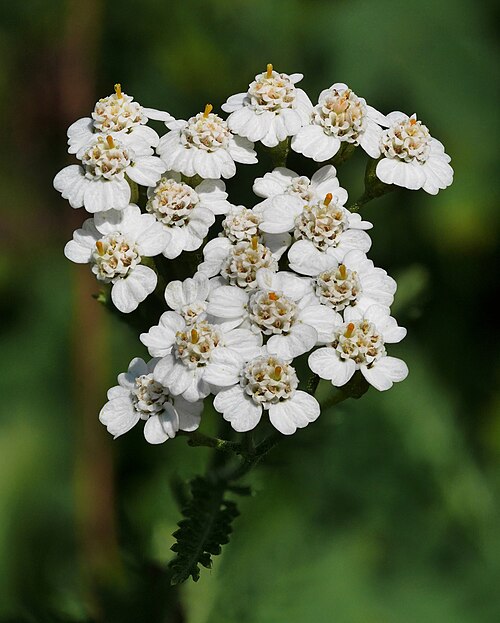
Coneflower Black-eyed Susan Yarrow Bee Balm Catmint
By following these steps, you can successfully renovate your damaged lawn and enjoy a lush, healthy turf for years to come. Remember, no plant is truly deer-proof, but some, like the plants listed above, are often considered more resistant.
Quick Reference: Lawn Renovation Checklist
| Step | Cool-Season Grasses | Warm-Season Grasses | Key Considerations |
|---|---|---|---|
| 1. Assess & Plan | Soil test, choose seed | Soil test, choose seed | Identify problems, select appropriate grass type |
| 2. Clear Existing Lawn | Late summer/early fall | Late spring/early summer | Herbicide, solarization, or manual removal |
| 3. Amend & Grade Soil | Based on soil test | Based on soil test | Improve pH, nutrients, organic matter, ensure drainage |
| 4. Seed | Late summer/early fall (Aug-Oct) | Late spring/early summer | Use broadcast spreader, light raking, good seed-to-soil contact |
| 5. Initial Watering | Light, frequent (multiple times/day) | Light, frequent (multiple times/day) | Keep top inch of soil moist, avoid washing away seed |
| 6. Fertilize (Starter) | At seeding or shortly after | At seeding or shortly after | High phosphorus for root development |
| 7. First Mowing | When 3-4 inches tall | When 3-4 inches tall | High setting, sharp blades, remove 1/3 length |
| 8. Weed Control | Wait 6-8 weeks, hand-pulling initially | Wait 6-8 weeks, hand-pulling initially | Avoid pre-emergents on new lawns |
| 9. Long-Term Care | Deep, infrequent watering, seasonal fertilizing | Deep, infrequent watering, seasonal fertilizing | Ongoing maintenance for sustained health |
Ready to find the perfect plants for your yard? Try the PlantWise Plant Finder →