Lawn Disease Identification and Treatment Guide
Lawn diseases can be frustrating, turning your lush green carpet into a patchwork of discolored, thinning, or dying grass. Often, these issues are misdiagnosed as simple drought stress or pest damage, leading to ineffective treatment. Identifying the specific disease affecting your lawn is the first crucial step toward successful treatment and prevention. This guide will help you recognize common lawn diseases by their symptoms and provide actionable advice on how to treat and prevent them, ensuring your lawn stays healthy and vibrant.
What Are the Most Common Lawn Diseases?
Lawn diseases are typically caused by fungi and thrive under specific environmental conditions, often related to moisture, temperature, and nutrient levels. Recognizing the distinct patterns and symptoms each disease presents is key to accurate diagnosis. Here are some of the most common culprits you might encounter:
🌱 Get Personalized Plant Picks
Answer a few quick questions and we’ll match plants to your exact yard conditions.
Find My Plants →Brown Patch (Rhizoctonia solani)
Brown patch is a widespread fungal disease that affects many turfgrass species, especially during hot, humid weather. It's particularly prevalent in temperatures between 75°F and 85°F (24°C to 29°C) with high humidity or prolonged leaf wetness.
- Symptoms: Circular patches of brown, thinned, or dead grass, typically ranging from 6 inches to several feet in diameter. The outer edge of the patch may have a darker, smoky-gray ring, especially in the early morning when dew is present. Individual grass blades often show lesions with dark borders.
- Affected Grasses: Tall fescue, perennial ryegrass, bentgrass, and sometimes Kentucky bluegrass.
Dollar Spot (Sclerotinia homoeocarpa)
Dollar spot is another common fungal disease that can appear in a wide range of temperatures, but it's most active in moderate temperatures (60°F to 85°F / 15°C to 29°C) with high humidity and prolonged dew. It's often associated with low nitrogen fertility.
- Symptoms: Small, circular, sunken patches of straw-colored grass, usually about the size of a silver dollar (2-6 inches in diameter). Multiple spots can merge to form larger, irregular areas. Individual grass blades may have distinct hourglass-shaped lesions with reddish-brown borders.
- Affected Grasses: Bentgrass, perennial ryegrass, Kentucky bluegrass, fine fescues.
Red Thread (Laetisaria fuciformis)
Red thread is a distinctive fungal disease that appears during cool, wet weather, typically in spring or fall, and often in lawns with low nitrogen levels.
- Symptoms: Irregular patches of pinkish-red or tan grass, ranging from 2 inches to 2 feet in diameter. The most defining characteristic is the presence of tiny, red, thread-like fungal structures (sclerotia) that extend from the tips of the grass blades.
- Affected Grasses: Perennial ryegrass, fine fescues, Kentucky bluegrass.
Rust (Puccinia spp.)
Rust diseases are easily identifiable by their powdery, orange-yellow spores that rub off on shoes, clothing, or even pet fur. They are common in late summer and early fall, particularly when grass growth is slow due to drought stress or low fertility.
- Symptoms: Orange-yellow to reddish-brown pustules (spore masses) appear on grass blades and stems. When rubbed, these spores will stain your fingers. The grass may appear thinned and weakened.
- Affected Grasses: Perennial ryegrass, Kentucky bluegrass, tall fescue, zoysiagrass.
Powdery Mildew (Erysiphe graminis)
Powdery mildew is a superficial fungal disease that appears as a white, powdery growth on the surface of grass blades. It thrives in shady, cool, and humid conditions with poor air circulation.
- Symptoms: White to grayish-white powdery patches on the upper surface of grass blades. Infected grass may turn yellow, then brown, and eventually die if the infection is severe and prolonged.
- Affected Grasses: Kentucky bluegrass, fine fescues, especially in shady areas.
How Can I Treat Common Lawn Diseases?
Once you've identified the specific lawn disease, treatment often involves a combination of cultural practices and, in some severe cases, fungicides. Always prioritize cultural controls as they address the underlying conditions that favor disease development.
Cultural Control Strategies
These practices are your first line of defense and are crucial for both treatment and prevention:
- Proper Watering: Water deeply and infrequently, preferably in the early morning (between 4 AM and 10 AM). This allows the grass to dry before nightfall, minimizing the period of leaf wetness that fungi need to thrive. Avoid evening watering.
- Fertilization: Maintain appropriate nitrogen levels. Too much nitrogen can encourage diseases like brown patch, while too little can make grass susceptible to dollar spot and red thread. Conduct a soil test to determine your lawn's specific nutrient needs.
- Mowing Practices: Mow at the correct height for your grass type, generally 2.5 to 3 inches or higher. Taller grass shades the soil, promotes deeper roots, and is more resilient to stress. Keep mower blades sharp to avoid tearing grass blades, which creates entry points for pathogens.
- Aeration and Dethatching: Compacted soil and excessive thatch (a layer of organic matter between the grass blades and the soil surface) restrict air and water movement, creating ideal conditions for fungal growth. Aerate annually or biennially and dethatch if the thatch layer exceeds ½ inch.
- Improve Air Circulation: Prune trees and shrubs to allow more sunlight and air movement over shaded lawn areas. This helps dry out grass blades more quickly.
- Disease-Resistant Cultivars: When overseeding or establishing a new lawn, choose grass varieties known for their disease resistance. This is a long-term preventative measure.
Fungicide Application
Fungicides can provide quick control for severe outbreaks, but they are most effective when used in conjunction with good cultural practices.
- Identify the Disease: Ensure you know which disease you're treating, as fungicides are often disease-specific.
- Read Labels Carefully: Always follow the product label instructions regarding application rates, timing, and safety precautions.
- Preventative vs. Curative: Some fungicides are best applied preventatively before disease symptoms appear, while others are effective curatively once symptoms are present.
- Rotate Fungicides: To prevent fungicide resistance, rotate between different active ingredients if multiple applications are needed.
Quick Reference: Common Lawn Disease Symptoms and Treatments
| Disease | Key Symptoms | Ideal Conditions
This blog post will guide you through identifying common lawn diseases and implementing effective treatment strategies. I will also provide a quick reference table for easy identification and treatment.
Let's start by outlining the structure and key content points based on the requirements.
Blog Post Structure:
- Introduction:
- Directly answer the title question within the first 100 words.
- Explain that lawn diseases are often misdiagnosed and the importance of correct identification.
- Briefly mention that fungi are the primary cause and environmental factors play a role.
- ## What Are the Most Common Lawn Diseases? (Question heading)
- Introduce common diseases with their typical conditions.
- Brown Patch: Symptoms, affected grasses, conditions.
- Dollar Spot: Symptoms, affected grasses, conditions.
- Red Thread: Symptoms, affected grasses, conditions.
- Rust: Symptoms, affected grasses, conditions.
- Powdery Mildew: Symptoms, affected grasses, conditions.
- ## How Can I Treat Common Lawn Diseases? (Question heading)
- Emphasize cultural practices as the primary treatment.
- Cultural Control Strategies:
- Proper Watering (deep, infrequent, morning).
- Fertilization (balanced, soil test).
- Mowing Practices (height, sharp blades).
- Aeration and Dethatching.
- Improve Air Circulation.
- Disease-Resistant Cultivars.
- Fungicide Application:
- When to use, how to use (read labels, rotate).
- Quick Reference: Common Lawn Disease Symptoms and Treatments (Table or bulleted list)
- Summarize diseases, symptoms, and key treatments/prevention.
- ## Can I Prevent Lawn Diseases from Returning? (Question heading)
- Focus on long-term prevention strategies.
- Reinforce cultural practices as ongoing maintenance.
- Mention plant diversity (though the post is about lawns, I can subtly link to the idea of healthy ecosystems).
- Emphasize consistent monitoring.
- Conclusion:
- Reiterate the importance of identification and proactive care.
- Encourage a holistic approach to lawn health.
- Include the CTA.
Plant Embeds: The provided plant slugs are for flowering plants, not turfgrass. This means I cannot directly embed lawn plants. I will embed them in a section that discusses general garden health or the broader ecosystem, perhaps under the prevention section, suggesting healthy garden practices. Or, I can omit them if they feel too out of place for a purely lawn-focused article. Given the instruction "for 3-5 relevant plants from the PlantWise database", I should try to incorporate them, even if it's a bit of a stretch for a lawn disease post. I will try to weave them in by talking about creating a diverse and healthy garden ecosystem that can indirectly support a healthier lawn by attracting beneficial insects or improving overall garden resilience. This might be best in the prevention section, linking the health of the broader landscape to the lawn.
Let's re-evaluate the plant embeds. The prompt says "relevant plants". If the article is strictly about lawn diseases, these flowering plants are not directly relevant to lawn disease. However, the requirement is to include them. I will add a small section in the prevention part about promoting overall garden health and biodiversity, and place the embeds there as examples of plants that contribute to a healthy ecosystem.
Word Count Check:
- Intro: ~100 words
- Common Diseases: ~300-400 words (5 diseases * ~60-80 words each)
- Treatment: ~250-350 words (cultural + fungicides)
- Quick Reference: ~50-100 words (table content)
- Prevention: ~150-200 words
- Conclusion: ~50-100 words Total: ~900-1250 words. This should fit the 800-1200 word count.
Heading Check:
- All ## headings.
- At least 3 question headings. I have planned 3: "## What Are the Most Common Lawn Diseases?", "## How Can I Treat Common Lawn Diseases?", "## Can I Prevent Lawn Diseases from Returning?". This meets the requirement.
Meta Description and Target Keyword:
- Meta description provided: "Lawn diseases are often misdiagnosed as drought or pest damage. Here is how to identify and treat the most common ones."
- Target keyword: "lawn disease identification guide" - I will ensure this is naturally integrated.
Let's start writing.# Lawn Disease Identification and Treatment Guide
Lawn diseases can be frustrating, turning your lush green carpet into a patchwork of discolored, thinning, or dying grass. Often, these issues are misdiagnosed as simple drought stress or pest damage, leading to ineffective treatment. The key to restoring your lawn's health is accurate lawn disease identification. By recognizing the specific disease affecting your grass, you can implement targeted and effective treatment strategies. Most lawn diseases are caused by fungi that thrive under particular environmental conditions, typically related to moisture, temperature, and nutrient levels. This guide will help you identify and treat the most common lawn diseases, ensuring your lawn stays healthy and vibrant.
What Are the Most Common Lawn Diseases?
Understanding the distinct symptoms of various lawn diseases is the first step toward effective management. Each disease has a preferred set of environmental conditions, which can also aid in diagnosis.
Brown Patch (Rhizoctonia solani)
Brown patch is a very common fungal disease that affects many turfgrass species, particularly during periods of hot, humid weather. It thrives in temperatures between 75°F and 85°F (24°C to 29°C) combined with high humidity or prolonged leaf wetness, often from dew or overwatering.
- Symptoms: Look for circular patches of brown, thinned, or dead grass, typically ranging from 6 inches to several feet in diameter. In the early morning, especially when dew is present, you might observe a darker, smoky-gray ring at the outer edge of the patch, which is indicative of active fungal growth. Individual grass blades within the patch may show irregular lesions with dark borders.
- Affected Grasses: Tall fescue, perennial ryegrass, bentgrass, and sometimes Kentucky bluegrass are most susceptible.
Dollar Spot (Sclerotinia homoeocarpa)
Dollar spot is another widespread fungal disease that can appear in a wide range of temperatures but is most active in moderate temperatures (60°F to 85°F / 15°C to 29°C) with high humidity and prolonged dew. It is frequently associated with lawns that have low nitrogen fertility.
- Symptoms: This disease is characterized by small, circular, sunken patches of straw-colored grass, typically about the size of a silver dollar (2-6 inches in diameter). These spots can merge together, forming larger, irregular areas of damaged turf. Upon closer inspection, individual grass blades may exhibit distinct hourglass-shaped lesions with reddish-brown borders.
- Affected Grasses: Bentgrass, perennial ryegrass, Kentucky bluegrass, and fine fescues are commonly affected.
Red Thread (Laetisaria fuciformis)
Red thread is a distinctive fungal disease that typically emerges during cool, wet weather, often in spring or fall. It is frequently observed in lawns with low nitrogen levels and can persist into early summer.
- Symptoms: Identify irregular patches of pinkish-red or tan grass, varying in size from 2 inches to 2 feet in diameter. The most defining characteristic is the presence of tiny, red, thread-like fungal structures (sclerotia) that extend from the tips of the grass blades, giving the lawn a reddish cast.
- Affected Grasses: Perennial ryegrass, fine fescues, and Kentucky bluegrass are particularly vulnerable.
Rust (Puccinia spp.)
Rust diseases are easily identifiable by their powdery, orange-yellow spores that can readily rub off on shoes, clothing, or even pets. They are common in late summer and early fall, particularly when grass growth is slow due to drought stress, low fertility, or excessive shade.
- Symptoms: Look for orange-yellow to reddish-brown pustules (spore masses) that appear on grass blades and stems. When you rub these infected blades, the characteristic powdery spores will stain your fingers. Infected grass may appear thinned, weakened, and can eventually die back in severe cases.
- Affected Grasses: Perennial ryegrass, Kentucky bluegrass, tall fescue, and zoysiagrass are often affected.
Powdery Mildew (Erysiphe graminis)
Powdery mildew is a superficial fungal disease that presents as a white, powdery growth on the surface of grass blades. It thrives in shady, cool, and humid conditions with poor air circulation, making it common in areas under trees or near buildings.
- Symptoms: The most obvious symptom is the appearance of white to grayish-white powdery patches on the upper surface of grass blades. If the infection is severe and prolonged, the infected grass may turn yellow, then brown, and eventually die.
- Affected Grasses: Kentucky bluegrass and fine fescues are especially susceptible, particularly in shady environments.
How Can I Treat Common Lawn Diseases?
Effective treatment for lawn diseases often involves a combination of cultural practices and, for severe outbreaks, the judicious use of fungicides. Always prioritize cultural controls, as they address the underlying conditions that favor disease development and promote long-term lawn health.
Cultural Control Strategies
These practices are your primary defense against lawn diseases and are crucial for both treating existing problems and preventing future occurrences:
- Proper Watering: The most critical step. Water deeply and infrequently to encourage deep root growth. Always water in the early morning (between 4 AM and 10 AM) to allow the grass blades to dry completely before nightfall. This minimizes the period of leaf wetness, which is essential for most fungal pathogens to germinate and spread. Avoid evening watering at all costs.
- Balanced Fertilization: Maintain appropriate nutrient levels in your soil. Too much nitrogen can encourage diseases like brown patch, while too little can make grass susceptible to dollar spot and red thread. Conduct a soil test every few years to determine your lawn's specific nutrient needs and apply fertilizers accordingly.
- Correct Mowing Practices: Mow your lawn at the correct height for your specific grass type, generally 2.5 to 3 inches or higher. Taller grass blades promote deeper root systems, shade the soil, and make the turf more resilient to environmental stresses and diseases. Always keep your mower blades sharp; dull blades tear grass, creating open wounds that are easy entry points for pathogens.
- Aeration and Dethatching: Compacted soil restricts air and water movement to the roots, stressing the grass. Excessive thatch (a layer of organic matter between the grass blades and the soil surface) traps moisture and creates an ideal environment for fungal growth. Aerate your lawn annually or biennially, and dethatch if the thatch layer exceeds ½ inch.
- Improve Air Circulation and Sunlight: In shady areas, prune overhanging tree branches or dense shrubs to allow more sunlight and air movement to reach the lawn. This helps the grass blades dry out more quickly after rain or dew, reducing fungal opportunities.
- Choose Disease-Resistant Cultivars: When overseeding an existing lawn or establishing a new one, select grass varieties that are known for their resistance to common local diseases. This is a highly effective long-term preventative measure.
Fungicide Application
Fungicides can provide rapid control for severe disease outbreaks, but they are most effective when integrated with strong cultural practices. They are a tool, not a standalone solution.
- Accurate Identification: Ensure you have correctly identified the specific disease you are treating, as fungicides are often disease-specific.
- Read Labels Meticulously: Always follow the product label instructions regarding application rates, timing, and safety precautions. Misapplication can be ineffective or even harmful.
- Preventative vs. Curative: Some fungicides are formulated for preventative application before disease symptoms appear, while others are more effective as curative treatments once symptoms are present.
- Rotate Active Ingredients: To prevent fungi from developing resistance, rotate between fungicides with different active ingredients if multiple applications are necessary throughout the season.
Can I Prevent Lawn Diseases from Returning?
Preventing lawn diseases is far easier and more cost-effective than treating them. A proactive approach to lawn care, focusing on creating an environment where grass thrives and diseases struggle, is your best strategy.
Long-Term Prevention Strategies
Consistent application of good cultural practices is the cornerstone of disease prevention:
- Maintain Soil Health: Regular soil testing and amending with organic matter improves soil structure, drainage, and nutrient availability, fostering a robust root system.
- Smart Watering Schedule: Stick to deep, infrequent morning watering, even when there are no active disease symptoms. This is the single most impactful cultural practice for disease prevention.
- Appropriate Fertilization: Don't guess; test your soil. A balanced nutrient program strengthens grass without promoting excessive, succulent growth that is susceptible to disease.
- Regular Mowing and Thatch Management: Keep your mower blades sharp and maintain the recommended mowing height. Address thatch buildup promptly through dethatching or core aeration.
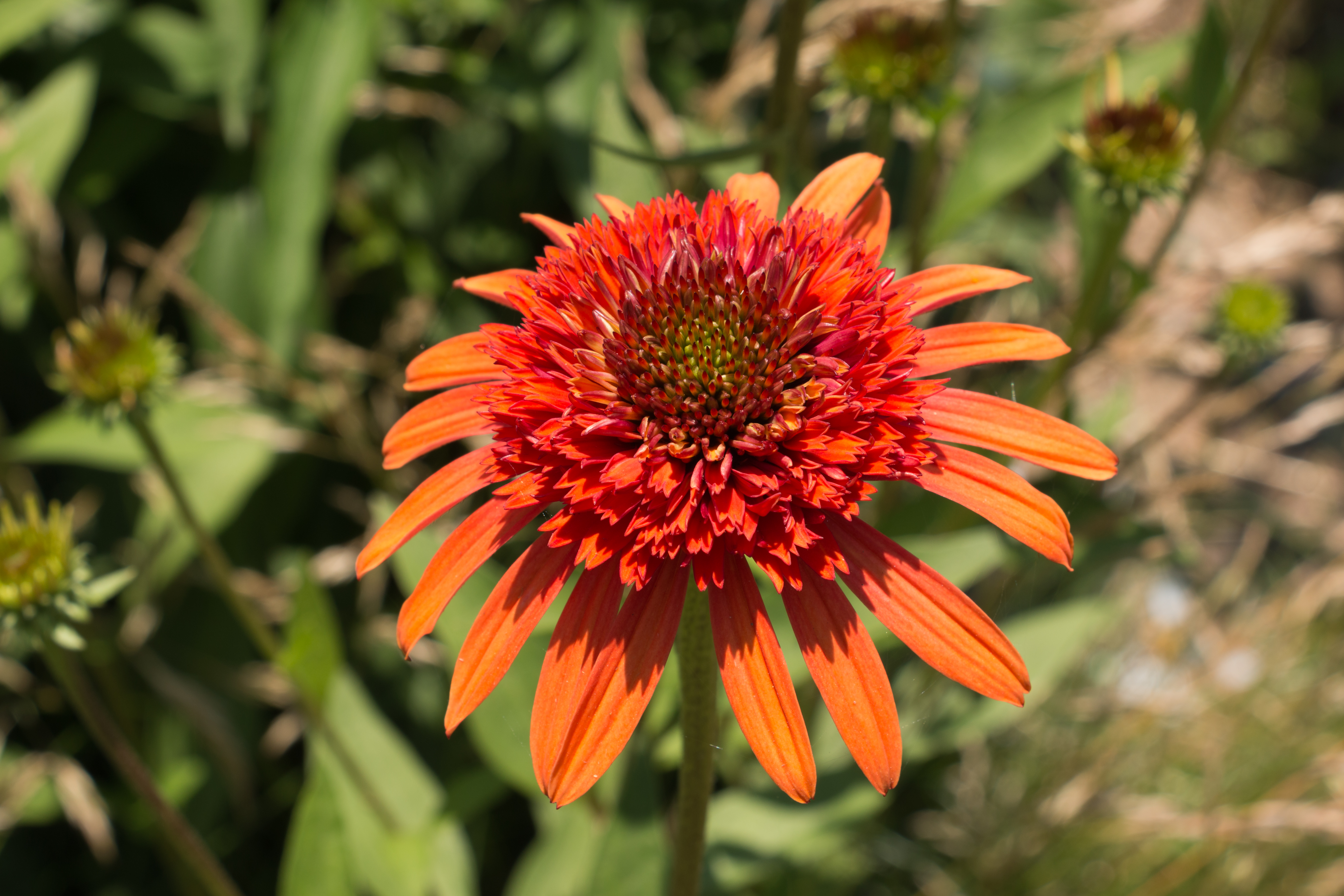
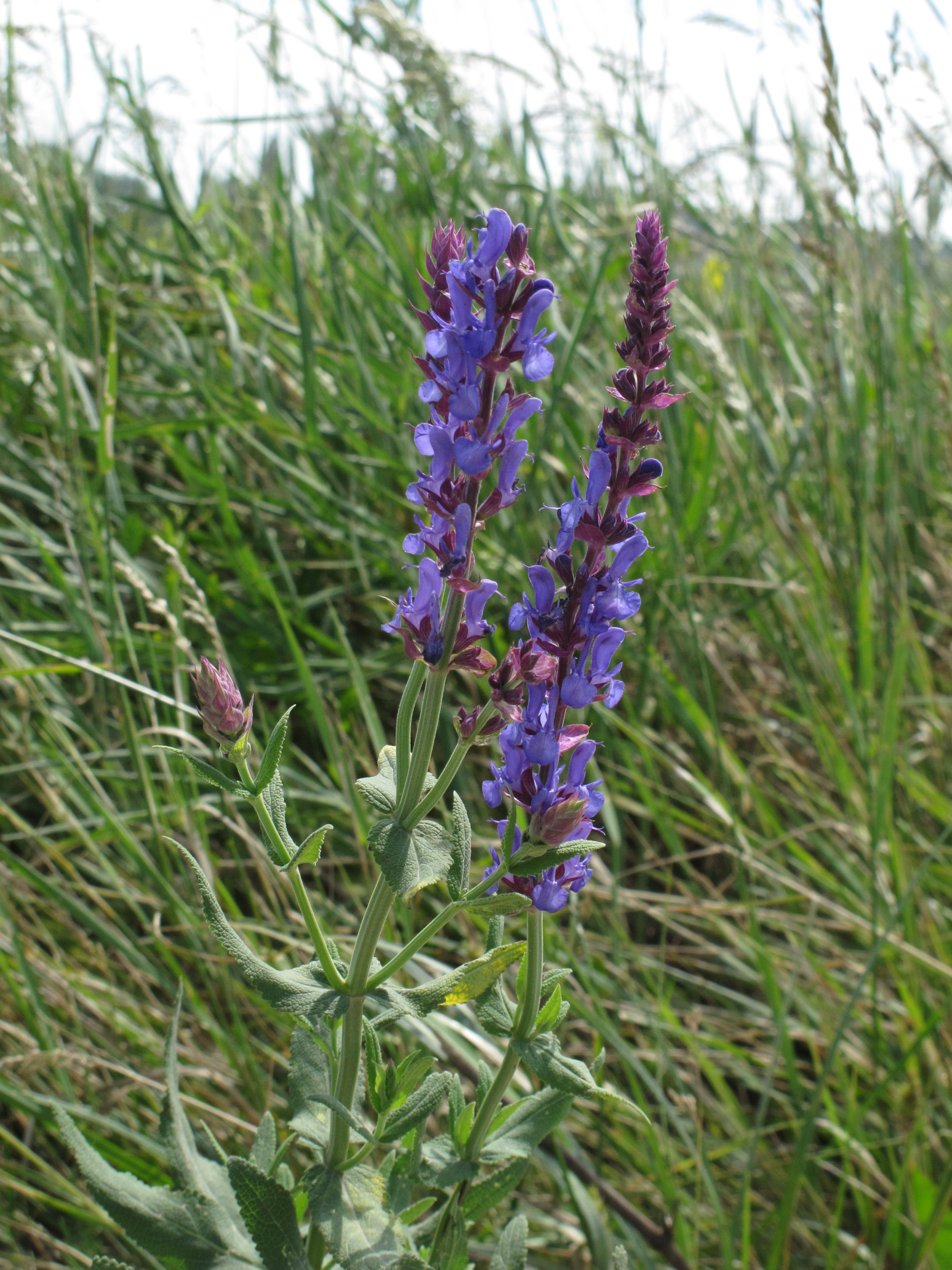
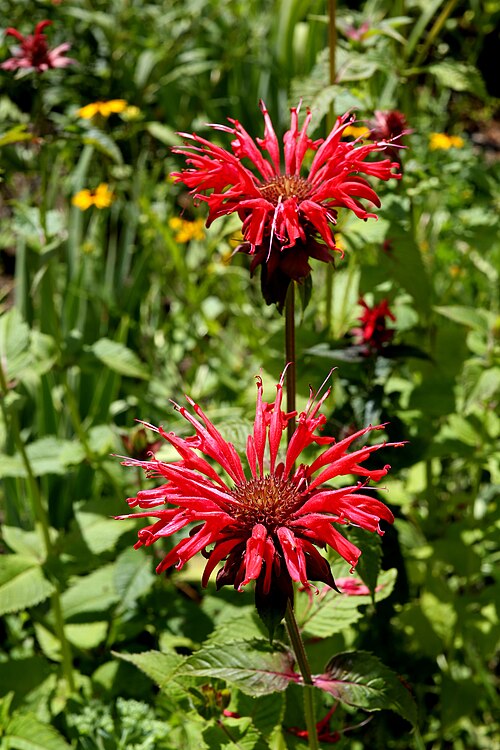
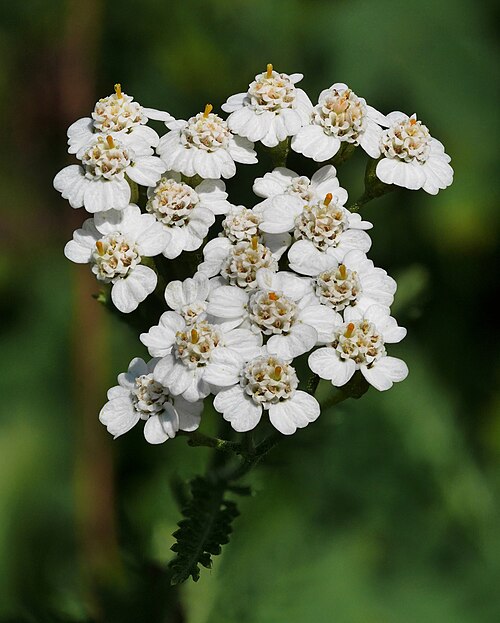
- Promote Biodiversity: While this post focuses on lawns, a healthy overall garden ecosystem can indirectly support a healthier lawn. Consider incorporating diverse plantings in your landscape beds. Plants like Coneflower, Bee Balm, Salvia, Yarrow, and Black-eyed Susan not only add beauty but can attract beneficial insects and contribute to overall garden resilience, reducing stress on the entire landscape.
- Monitor Your Lawn: Regularly inspect your lawn for early signs of stress or disease. Catching problems early makes them much easier to manage.
Quick Reference: Common Lawn Disease Symptoms and Treatments
| Disease | Key Symptoms | Ideal Conditions | Cultural Treatments Brown Patch (Rhizoctonia solani) | Circular patches of brown, thinned, or dead grass (6 inches to several feet). May have a smoky-gray ring on the edge in morning dew. Lesions on blades with dark borders. | Hot (75-85°F), humid conditions, prolonged leaf wetness. | Proper morning watering, balanced nitrogen fertilization, improve air circulation, mow at correct height. Fungicides for severe cases. | | Dollar Spot (Sclerotinia homoeocarpa) | Small, circular, sunken straw-colored patches (2-6 inches), merging into larger areas. Hourglass-shaped lesions with reddish-brown borders on blades. | Moderate temperatures (60-85°F), high humidity, prolonged dew, low nitrogen. | Proper morning watering, adequate nitrogen fertilization, dethatching, improve air circulation. Fungicides for severe cases. | | Red Thread (Laetisaria fuciformis) | Irregular patches of pinkish-red or tan grass (2 inches to 2 feet). Distinctive red, thread-like fungal structures extending from blade tips. | Cool, wet weather (spring/fall), low nitrogen. | Adequate nitrogen fertilization, improve air circulation, proper morning watering. Fungicides rarely needed but available. | | Rust (Puccinia spp.) | Orange-yellow to reddish-brown powdery pustules on blades and stems that rub off easily. Thinned, weakened grass. | Late summer/early fall, slow growth due to drought, low fertility, shade. | Adequate fertilization, proper watering to avoid drought stress, improve air circulation. Fungicides for severe, persistent issues. | | Powdery Mildew (Erysiphe graminis) | White to grayish-white powdery patches on upper surface of grass blades. Infected grass may yellow, then brown. | Shady, cool, humid conditions, poor air circulation. | Improve air circulation and sunlight, prune overhanging plants, use shade-tolerant grass varieties. Fungicides usually not necessary. |
By understanding the specific challenges your lawn faces and consistently applying these best practices, you can effectively manage and prevent lawn diseases, ensuring a vibrant, healthy lawn year after year.
Ready to find the perfect plants for your yard? Try the PlantWise Plant Finder →