Bulb Cages to Stop Voles and Squirrels
The most reliable way to keep voles and squirrels from eating fall-planted bulbs is a wire bulb cage or a box of 1/2-inch hardware cloth buried around the planting, with a mesh lid just under the soil surface. Squirrels dig from above and voles tunnel from the side and below, so the barrier has to cover the bulbs on every side that matters.
Repellents and sharp grit help on light pressure, but where you have lost whole beds before, physical exclusion is what actually works.
Who is eating your bulbs?
| Culprit | Sign | What stops it |
|---|---|---|
| Squirrels | Fresh holes, bulbs dug up within days | Mesh layer over the top of the planting |
| Voles | Plants wilt or vanish in spring, shallow runways | Full cage or hardware cloth basket |
| Chipmunks | Small neat holes, often near walls | Top mesh plus cleanup of bulb skins |
| Moles | Raised ridges, but rarely eat bulbs | Usually not the bulb thief; voles use their tunnels |
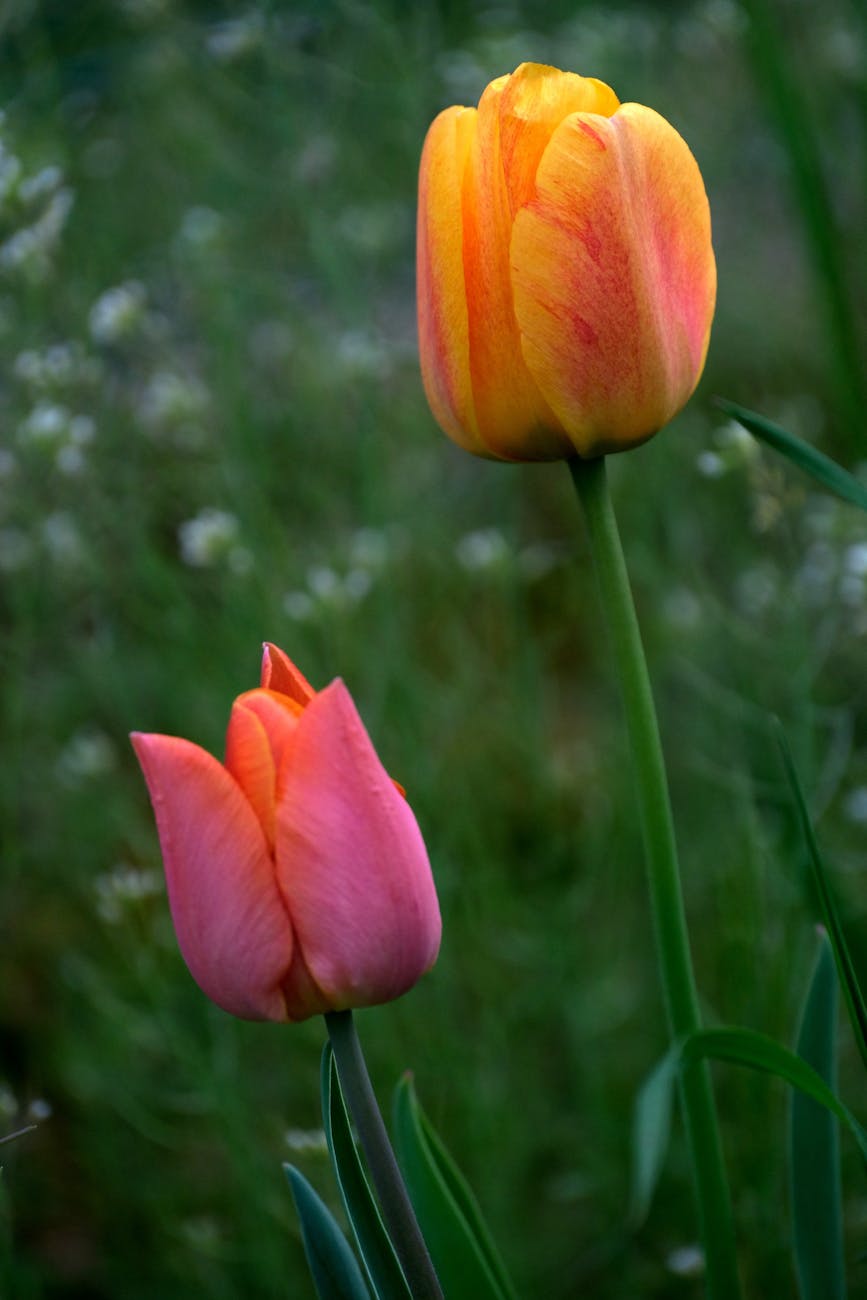
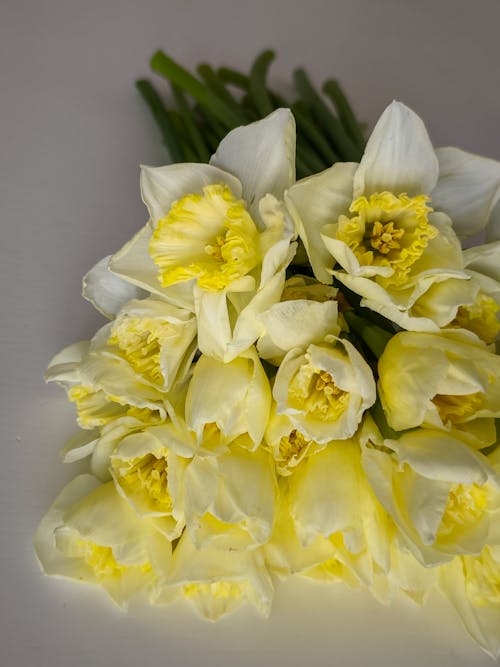
Tulips and crocus are the favorites. Daffodils, alliums, and fritillaria are toxic or unpleasant to rodents and usually get left alone, which is why mixing them into a bed is a cheap first line of defense.
🌱 Get Personalized Plant Picks
Answer a few quick questions and we’ll match plants to your exact yard conditions.
Find My Plants →Checklist
- Use 1/2-inch galvanized hardware cloth; chicken wire openings are large enough for voles.
- Dig the planting area 2 to 3 inches deeper than bulb depth and lay mesh across the bottom.
- Bend mesh up the sides to form a basket, plant bulbs inside, and backfill.
- Lay a top layer of 1-inch poultry netting 1 to 2 inches under the surface; squirrels cannot dig through it and shoots pass through the wider openings.
- Remove papery bulb skins and fallen debris after planting; the scent draws squirrels.
- For single bulbs or small groups, use ready-made wire bulb cages instead of building boxes.
Shop bulb cages and hardware cloth on Amazon
Wire bulb baskets and galvanized mesh rolls for rodent-proof plantings. We may earn a commission at no extra cost to you.
Amazon · Wire bulb and root baskets Amazon · Galvanized hardware cloth Amazon · Aviation tin snips
What about gravel and repellents?
Sharp crushed gravel or expanded slate around each bulb makes tunneling unpleasant for voles and helps drainage in clay. It reduces damage but does not stop determined animals. Granular repellents based on castor oil or capsaicin can push squirrels to dig elsewhere for a few weeks, so apply after planting and again after heavy rain. Treat both as add-ons to mesh, not replacements.
Planting density and placement
Caged beds work best as larger single plantings rather than scattered clumps, since one big basket is less work than many small ones. Containers are another option: bulbs in a pot with a mesh cover are easy to protect, then you can move the pot to the porch in spring. If deer are part of the problem too, see deer-resistant bulbs for Zone 6 and tulip alternatives deer skip. No plant is truly deer-proof, and ratings vary by region and season.
When to set it up
Build cages at planting time. Most spring bulbs go in from late September through November, once soil cools below about 60°F. If you are buying new bulbs, our spring bulbs to plant in fall guide covers timing and depth.
Shop rodent repellent on Amazon
Castor oil repellent granules to discourage digging after planting. We may earn a commission at no extra cost to you.
Zone and timing notes
Rodent pressure is heaviest where snow cover lasts, since voles feed under the snow all winter. In cold zones, full cages are standard practice for tulips. In milder zones, squirrels are usually the bigger issue, and a top mesh layer alone often solves it.
Bottom line
Use 1/2-inch hardware cloth or wire bulb cages around tulips and crocus to stop voles and squirrels. Cover the top for squirrels, the sides and bottom for voles, clean up bulb skins, and mix in daffodils and alliums that rodents avoid.
Related reading
- Spring bulbs to plant in fall
- Deer-resistant bulbs Zone 6
- Bulb planter auger
- Bulb fertilizer and bone meal
Ready to match plants to your location? Try the PlantWise Plant Finder →