Suet Feeders and Winter Bird Feeding: What Works
For winter birds, the most useful setup is a suet feeder, a tube or hopper feeder with black-oil sunflower seed, and a heated bird bath, placed within about 10 feet of shrubs or trees for cover. Start by late October or early November, before the first long cold snap, so birds find your yard while they are setting winter routes.
Suet is concentrated fat that woodpeckers, nuthatches, chickadees, titmice, and wrens burn through on cold nights. Black-oil seed has a thin shell and high oil content, so it draws the widest range of feeder birds. Open water is the item most yards lack once ponds and puddles freeze.
Why winter feeding helps most
- Natural food runs low. By midwinter, seeds and berries are stripped and insects are dormant.
- Small birds need fat. A chickadee can lose a large share of its body weight on a single cold night and must refuel each morning.
- Water is scarce. Frozen water sources force birds to eat snow, which costs body heat.
- You get more to watch. Winter feeders bring in species that skip summer feeders, such as woodpeckers and juncos.
🌱 Get Personalized Plant Picks
Answer a few quick questions and we’ll match plants to your exact yard conditions.
Find My Plants →Checklist
- Hang a suet cage or tail-prop suet feeder for woodpeckers; refill with no-melt suet cakes.
- Fill a tube or hopper feeder with black-oil seed and add a platform or ground tray for juncos and sparrows.
- Place feeders within 10 feet of cover, or more than 30 feet from windows, to reduce window strikes.
- Add a squirrel baffle above or below each pole feeder.
- Set up a heated bird bath once nighttime lows fall below freezing.
- Clean feeders every two to four weeks with a mild bleach solution and dry them fully.
- Rake up spilled hulls under feeders to keep mold and rodents down.
Shop suet feeders and cakes on Amazon
Suet cages, tail-prop feeders for woodpeckers, and no-melt suet cakes. We may earn a commission at no extra cost to you.
Amazon · Tail-prop suet feeders Amazon · No-melt suet cakes Amazon · Black-oil bird seed
What should you feed birds in winter?
| Food | Attracts | Feeder type |
|---|---|---|
| Suet cakes | Woodpeckers, nuthatches, chickadees, wrens | Suet cage or tail-prop |
| Black-oil seed | Cardinals, chickadees, finches, titmice | Tube, hopper, platform |
| Nyjer | Goldfinches, redpolls, siskins | Finch tube or sock |
| Millet | Juncos, sparrows, doves | Ground tray or platform |
| Peanuts (shelled, unsalted) | Jays, woodpeckers, nuthatches | Mesh peanut feeder |
Skip bread and mixes heavy with red milo, which most backyard birds pick through and toss.
Do birds need a heated bird bath?
Open water in freezing weather is one of the strongest draws you can offer. A heated bath or a heater insert keeps a shallow dish ice-free with a thermostat that switches on only near freezing. Use an outdoor-rated cord and GFCI outlet, keep the cord out of foot traffic, and follow the manufacturer's directions. Keep the water shallow, 1 to 2 inches, and do not add antifreeze or any chemical.
How do you keep squirrels off feeders?
A cone or tube baffle on the pole, mounted at least 4 to 5 feet off the ground and 8 to 10 feet from anything a squirrel can jump from, works better than any spray. Hot-pepper suet is another option, since birds do not taste capsaicin the way mammals do.
Plant for winter birds too
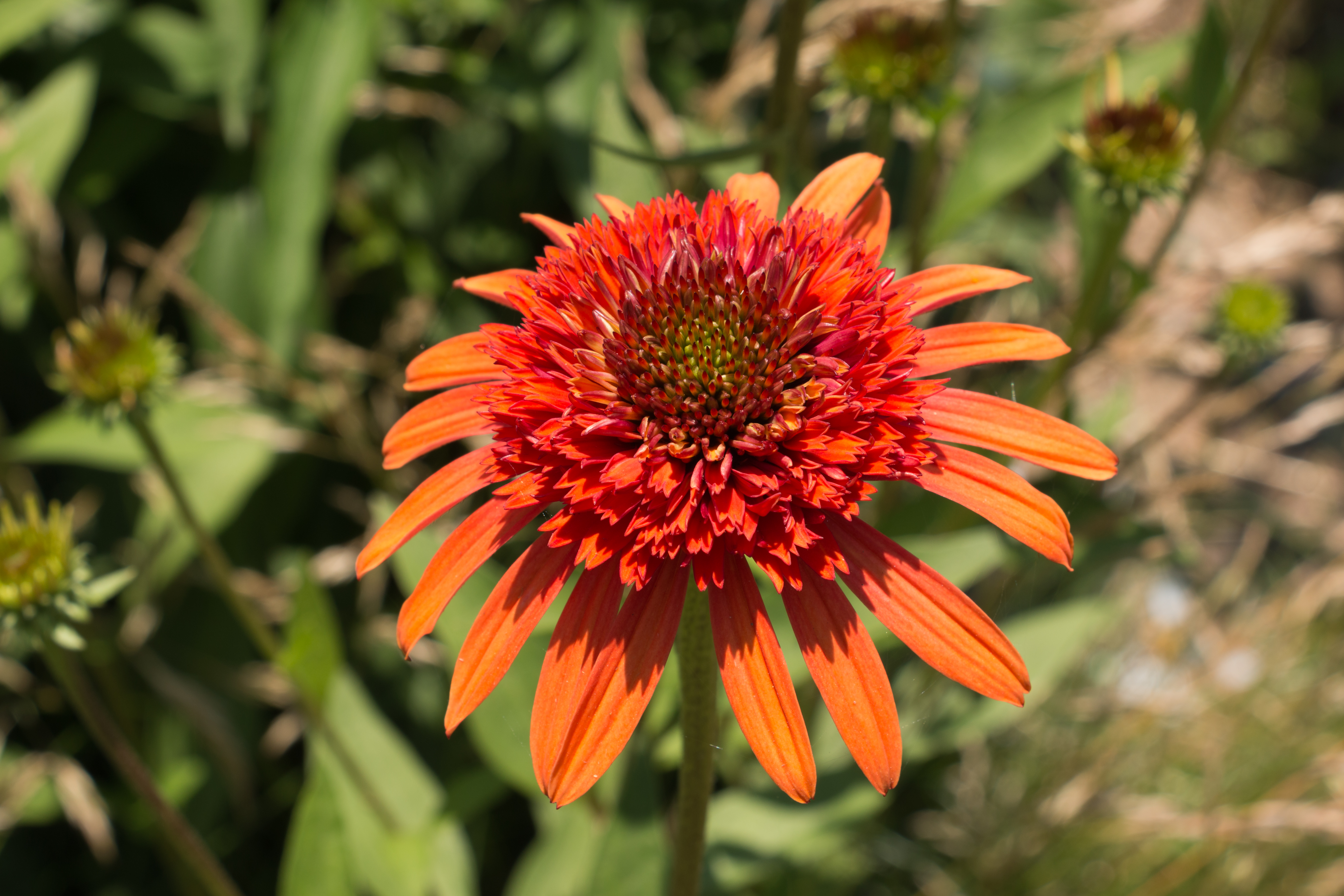
Feeders work best alongside shelter and natural food. Evergreens, berry-bearing shrubs, and seed heads left standing on coneflowers and grasses give birds cover and backup food. See native plants for birds and our fall pollinator garden cleanup guide for which stems to leave standing.
Shop heated baths and squirrel baffles on Amazon
Thermostat-controlled heated baths and pole baffles for winter feeder stations. We may earn a commission at no extra cost to you.
Zone and timing notes
In Zones 3 to 6, start feeding by late October and keep going until spring migrants arrive in April. In Zones 7 and 8, winter visitors such as juncos and yellow-rumped warblers arrive in November. In Zones 9 and 10, winter feeding is less critical, but water and suet still draw wintering birds from the north. Where bears are active, take feeders down from spring through late fall and follow local wildlife agency guidance.
Bottom line
Put out suet, black-oil seed, and open water by early November, near cover and behind a squirrel baffle. Keep feeders clean and filled consistently through the coldest weeks, and pair them with shrubs and seed heads in the garden.
Related reading
- Native plants for birds
- Fall pollinator garden cleanup
- Native plants why they matter
- Deer repellent for fall and winter
Ready to match plants to your location? Try the PlantWise Plant Finder →