Best Native Plants for Birds: Complete Guide
Creating a bird-friendly garden starts with choosing the right plants, and native plants are unequivocally the best choice. They provide essential food sources like berries, seeds, and the insects that many birds rely on for protein, especially during nesting season. Beyond food, native plants offer crucial shelter and nesting sites, contributing to a thriving ecosystem right in your backyard. By selecting a diverse array of native trees, shrubs, and perennials, you can transform your garden into a vibrant haven for local bird species, supporting biodiversity and enjoying the beauty of nature.
Why are Native Plants So Important for Birds?
Native plants are the cornerstone of a healthy ecosystem, and their benefits for birds are profound and multifaceted. Unlike exotic or non-native species, native plants have co-evolved with local wildlife over thousands of years, creating intricate relationships that are vital for survival. This co-evolution means native plants are perfectly adapted to the local climate and soil conditions, requiring less water and fewer interventions like fertilizers or pesticides once established. This hands-off approach benefits birds by reducing exposure to harmful chemicals and maintaining a more natural environment.
One of the most critical roles native plants play is providing a reliable food source. They produce fruits, seeds, and nectar at times when local birds need them most. For instance, many native shrubs offer nutrient-rich berries that are essential fuel for migrating birds. The seeds of native grasses and wildflowers are a primary food source for finches and sparrows. Perhaps most importantly, native plants host a far greater diversity and abundance of native insects, particularly caterpillars, which are the primary food source for most songbird nestlings. Without these insects, many bird populations struggle to reproduce successfully.
Beyond food, native plants offer vital shelter. Their specific growth habits, branching patterns, and foliage density provide ideal nesting sites, protection from predators, and refuge from harsh weather. A diverse native landscape creates a complex habitat structure, offering different layers of vegetation that cater to various bird species with different needs. By planting native, you're not just adding greenery; you're rebuilding a critical part of the food web that birds depend on.
🌱 Get Personalized Plant Picks
Answer a few quick questions and we’ll match plants to your exact yard conditions.
Find My Plants →What Types of Native Plants Attract Birds?
To create a truly bird-friendly landscape, aim for diversity in your plant selections, focusing on species that offer a variety of food sources and habitat features.
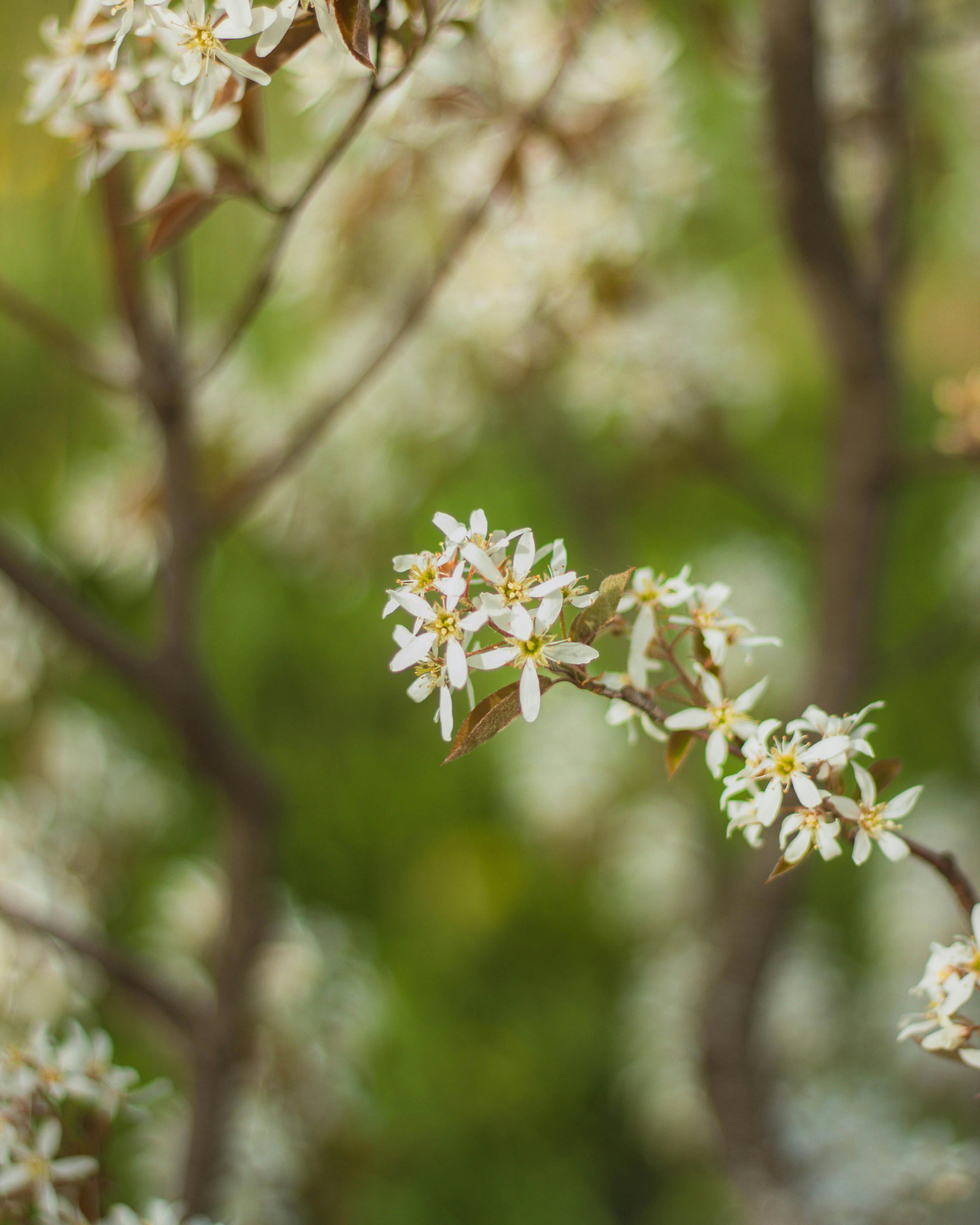
Trees are the backbone of any bird habitat, providing nesting sites, perches, and significant food resources. Oaks (Quercus spp.), for example, host hundreds of species of caterpillars, making them an unparalleled food source for insectivorous birds. Cherries (Prunus spp.), Serviceberries (Amelanchier spp.), and Dogwoods (Cornus spp.) offer abundant berries. Pines (Pinus spp.) and Spruces (Picea spp.) provide seeds and dense cover.
Shrubs are crucial for mid-level foraging, nesting, and cover. Elderberry (Sambucus canadensis) produces prolific berries devoured by many species. Viburnums (Viburnum spp.) offer both berries and dense structure. Sumacs (Rhus spp.) provide persistent berries that can be a lifesaver for birds in winter. Native roses (Rosa spp.) offer hips and thorny protection.
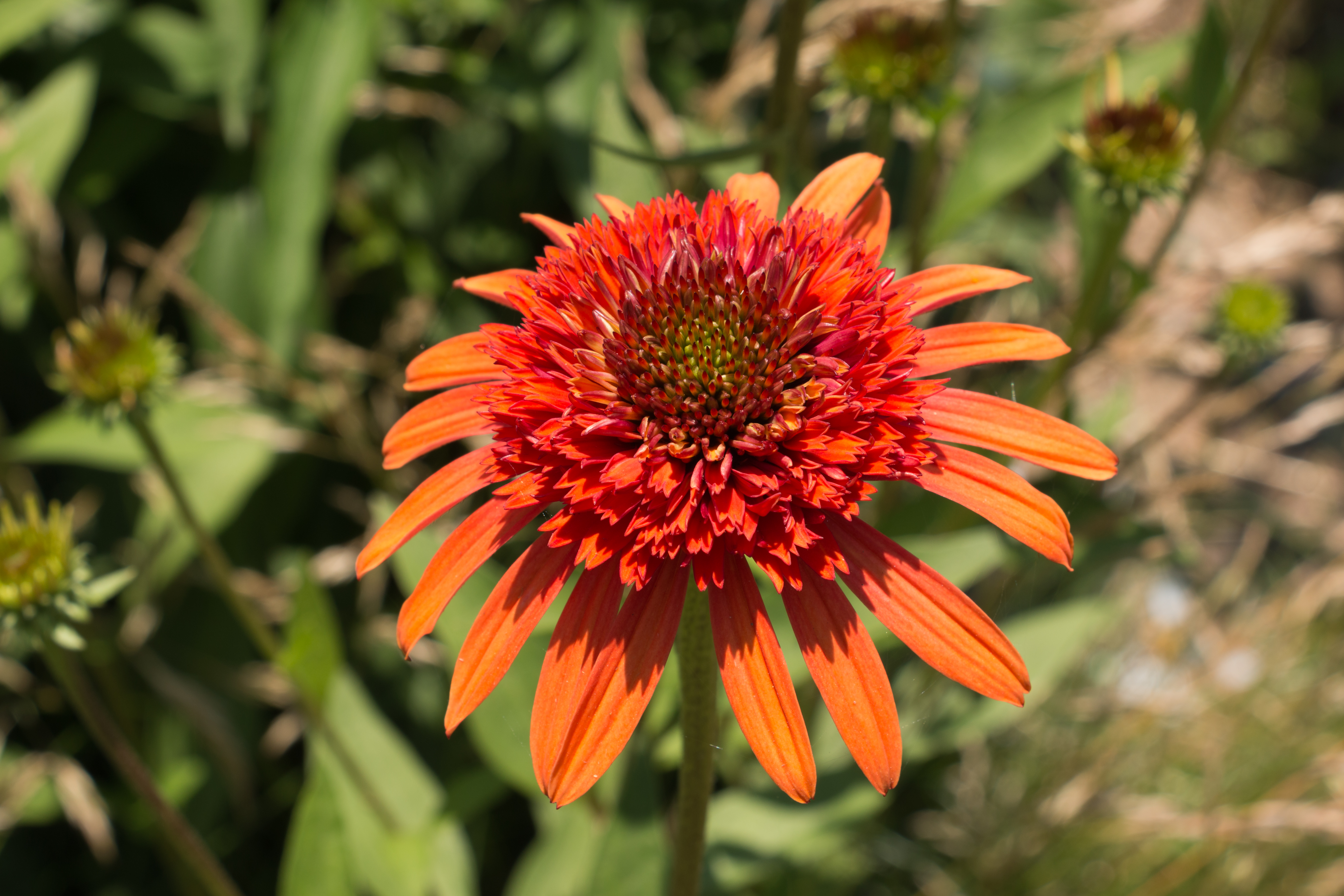
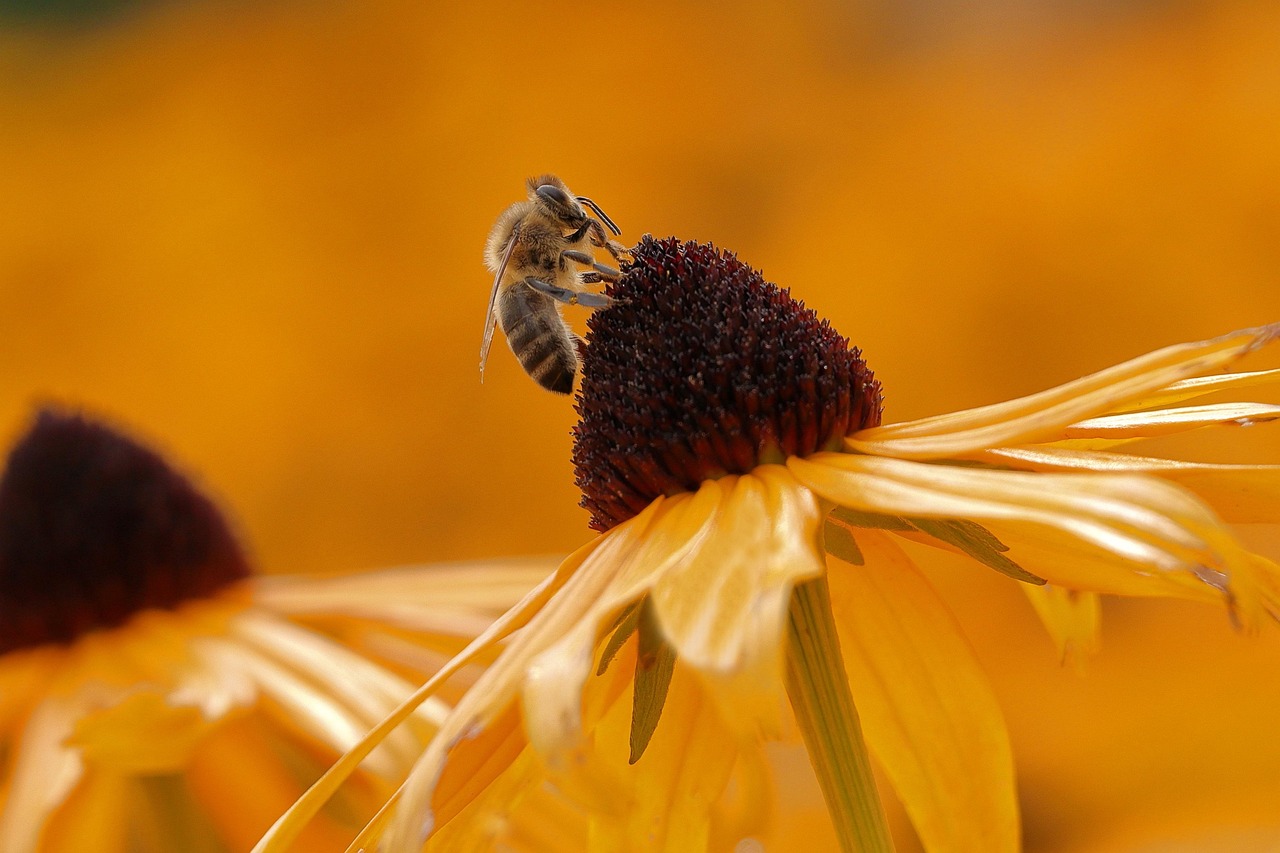
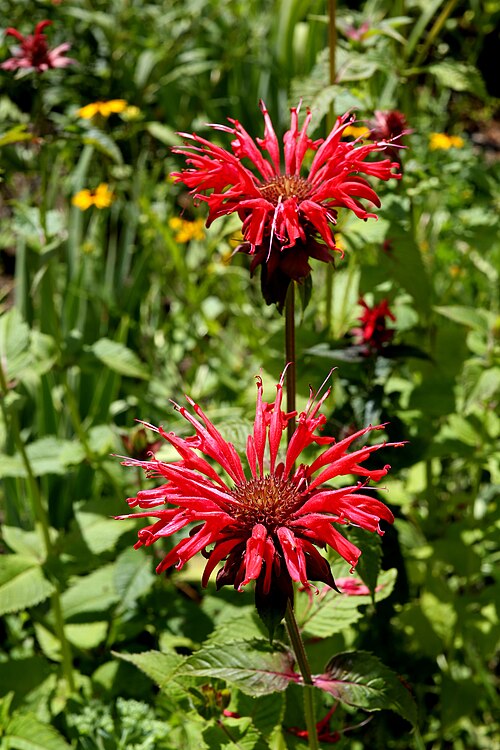
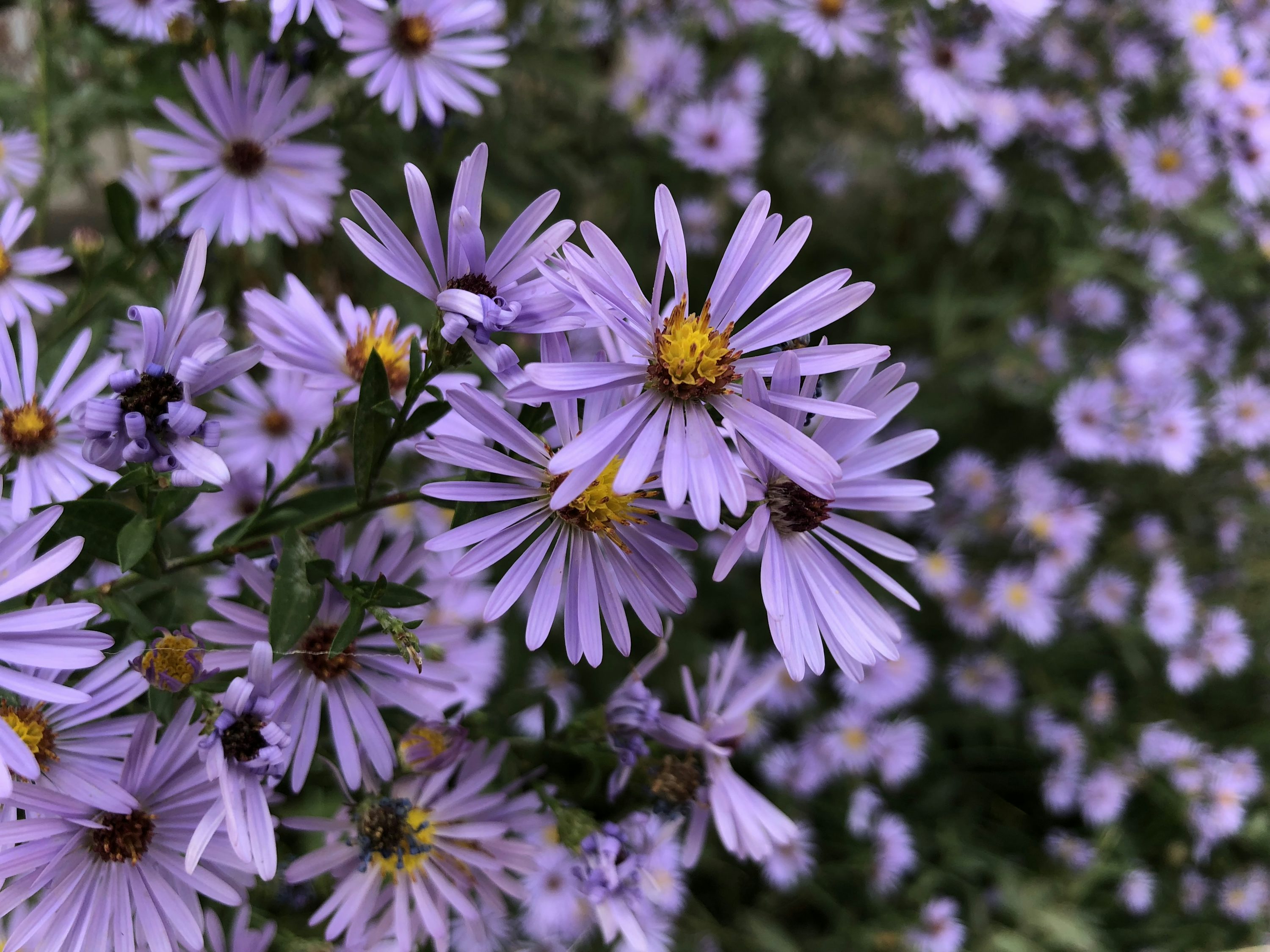
Perennials and Wildflowers attract pollinators, which in turn attract insect-eating birds, and also provide seeds. Coneflowers (Echinacea spp.), Black-eyed Susans (Rudbeckia hirta), and Asters (Symphyotrichum spp.) are excellent seed producers. Sunflowers (Helianthus spp.) are bird magnets. Plants like Bee Balm (Monarda spp.) attract hummingbirds with their nectar.
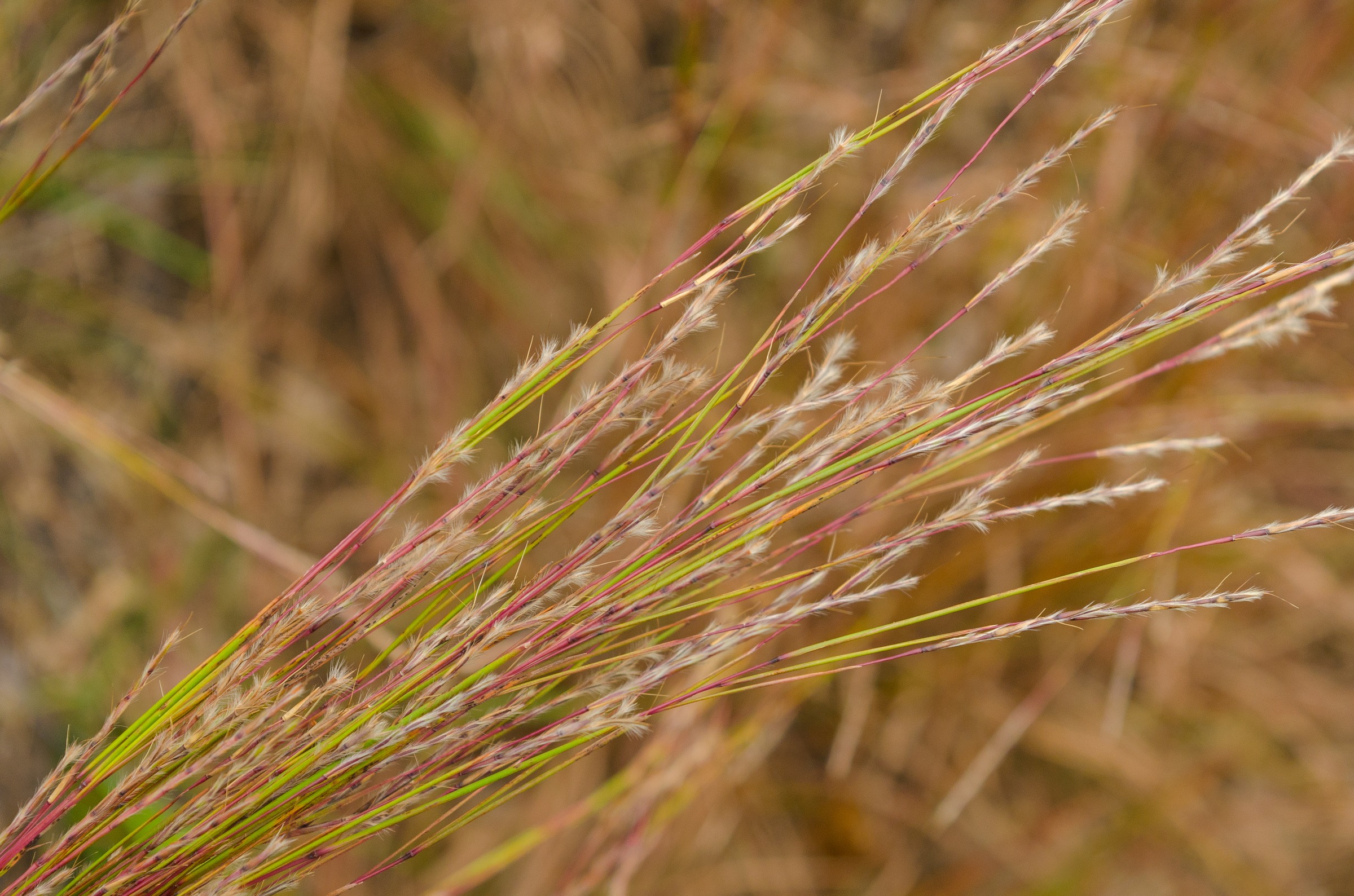
Grasses provide seeds for ground-feeding birds and nesting material. Little Bluestem (Schizachyrium scoparium) and Switchgrass (Panicum virgatum) are great choices.
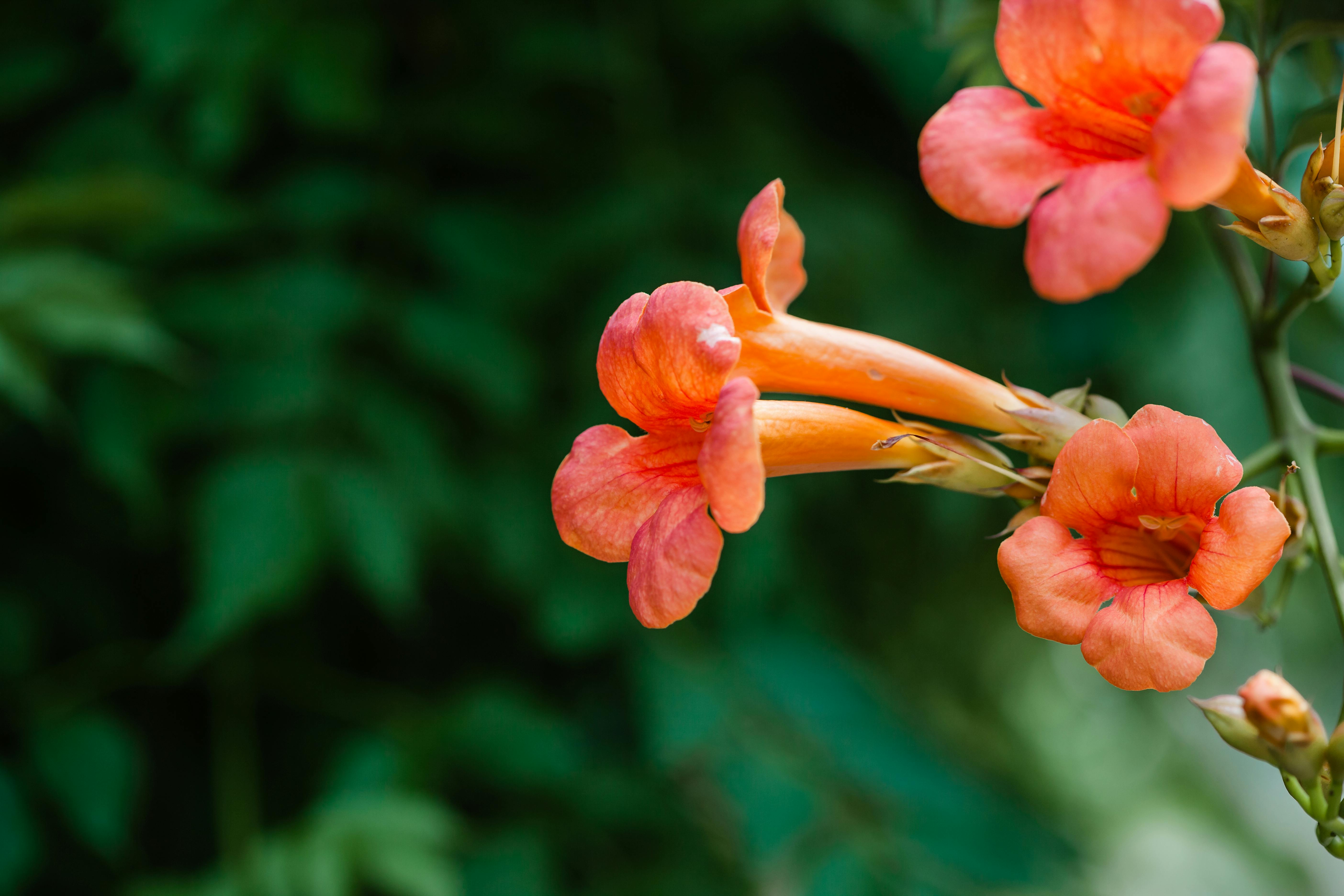
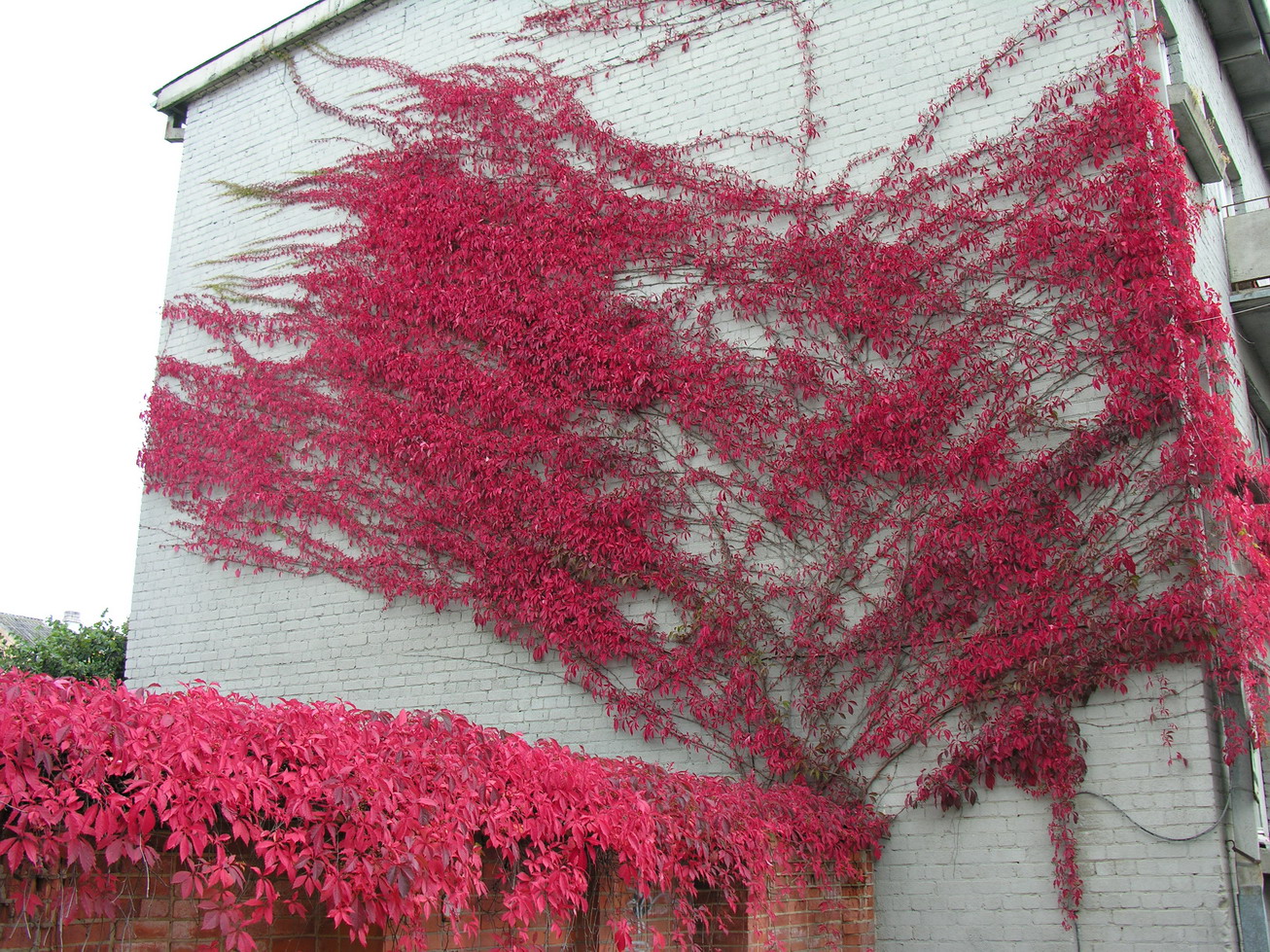
Vines like Trumpet Vine (Campsis radicans) attract hummingbirds, while Virginia Creeper (Parthenocissus quinquefolia) offers berries and dense cover.
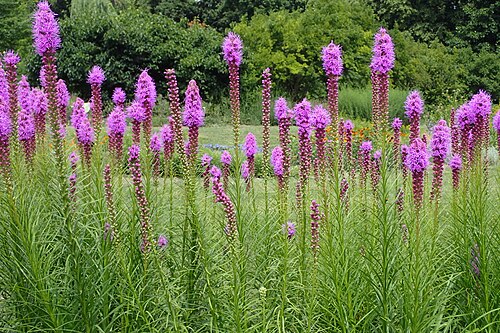
Coneflower Black-eyed Susan Bee Balm Blazing Star
How Can I Create a Bird-Friendly Habitat with Native Plants?
Designing a garden that truly benefits birds goes beyond simply planting native species; it involves creating a layered, diverse habitat that meets all their needs. Here’s how to do it:
- Think in Layers: Birds utilize different vertical spaces. Plant tall trees for canopy nesters and raptors, medium-height shrubs for mid-level nesters and cover, and groundcovers/perennials for ground feeders and foragers. This stratification provides diverse microhabitats.
- Provide Food All Year Round: Select plants that offer food sources throughout the seasons. Early spring bloomers provide nectar for insects (and thus food for insectivores), summer berries ripen for migrating birds, and fall/winter seeds and persistent fruits sustain birds through colder months.
- Offer Water: A reliable water source is just as important as food. A bird bath, a small pond, or even a shallow dish of water can attract a wide variety of birds for drinking and bathing. Keep it clean and refilled regularly.
- Create Shelter and Nesting Sites: Dense shrubs and evergreens offer protection from predators and harsh weather. Leave some dead snags or hollow logs if safe to do so, as they provide nesting cavities for some species and attract insects. Avoid excessive pruning, especially during nesting season (spring and early summer).
- Go Pesticide-Free: Pesticides, even organic ones, can harm birds directly or indirectly by reducing their insect food supply. Embrace a natural approach to pest control and allow natural predators (like birds themselves!) to manage garden pests.
- Consider Plant Groupings: Plant species in drifts or groups rather than as single specimens. This creates a more natural look and provides more abundant resources, making it easier for birds to find food and shelter.
Remember, even a small patch of native plants can make a difference. Every little bit helps create corridors for wildlife in increasingly fragmented landscapes.
Quick Reference: Top Native Plants for Birds
Here's a quick guide to some excellent native plant choices, highlighting their key benefits for birds:
| Plant Type | Example Species | Bird Benefit(s) |
|---|---|---|
| Trees | Oak (Quercus spp.) | Hosts caterpillars; acorns for jays, woodpeckers. |
| Serviceberry (Amelanchier spp.) | Early spring berries; nesting sites. | |
| Eastern Red Cedar (Juniperus virginiana) | Winter berries; dense evergreen cover. | |
| Shrubs | Elderberry (Sambucus canadensis) | Abundant summer berries; nesting cover. |
| Viburnum (Viburnum spp.) | Berries; dense cover and nesting. | |
| Sumac (Rhus spp.) | Persistent winter berries. | |
| Perennials | Coneflower (Echinacea spp.) | Seeds for finches; attracts insects. |
| Black-eyed Susan (Rudbeckia hirta) | Seeds for finches; attracts insects. | |
| Bee Balm (Monarda spp.) | Nectar for hummingbirds; attracts insects. | |
| Blazing Star (Liatris spp.) | Seeds for finches; attracts insects. | |
| Grasses | Little Bluestem (Schizachyrium scoparium) | Seeds for ground feeders; nesting material. |
Are There Any Plants I Should Avoid for Bird Safety?
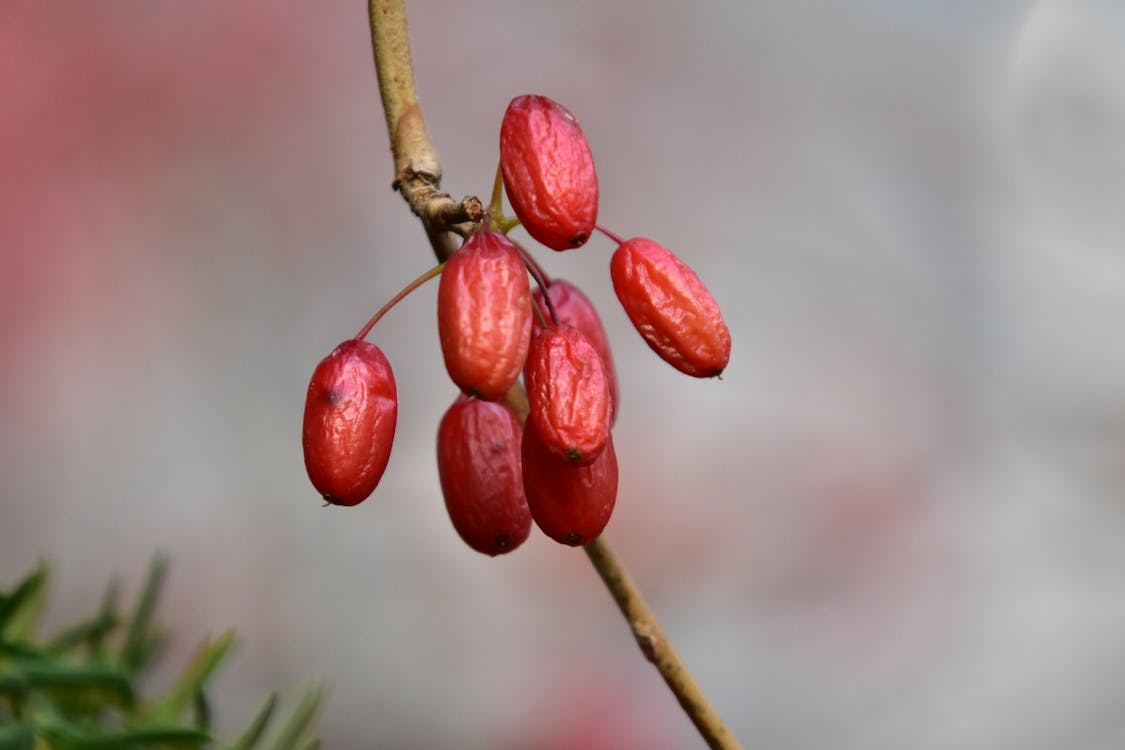
While the focus is often on what to plant, it's also important to be aware of plants that might pose risks or offer little benefit. Generally, non-native invasive species should be avoided as they outcompete native plants, reducing the overall biodiversity and food sources available to birds. Examples include Japanese Barberry, Bush Honeysuckle, and Autumn Olive, all of which produce berries that birds might eat, but these berries often lack the nutritional value of native alternatives and the plants themselves don't support the insect populations birds need.
Also, be cautious with plants that are heavily treated with systemic pesticides, as these chemicals can harm insects and, consequently, the birds that feed on them. Always opt for plants grown without such treatments if possible.
It's also worth noting that no plant is truly deer-proof. While some plants are less palatable to deer, a hungry deer will eat almost anything. The best defense against deer browsing is a multi-pronged approach that includes deterrents and physical barriers if necessary.
By prioritizing native plants and avoiding harmful or less beneficial alternatives, you can ensure your garden is a safe and nourishing environment for your feathered friends.
Related: Clean out nest boxes and add a winter roost box
Related: Stop birds hitting windows
Ready to find the perfect plants for your yard? Try the PlantWise Plant Finder →