Best Native Plants for Zone 10
Gardening in USDA Hardiness Zone 10 offers a fantastic opportunity to cultivate a vibrant, biodiverse landscape. With its warm, often subtropical to tropical climate, Zone 10 is perfect for a wide array of stunning native plants that thrive in these conditions and provide invaluable support to local wildlife. The best native plants for Zone 10 include species like Blanket Flower, Beautyberry, various native palms, ferns, and flowering shrubs, all adapted to the region's unique ecosystem. By choosing these indigenous species, you create a resilient garden that conserves water, reduces the need for pesticides, and offers essential food and shelter for pollinators, birds, and other beneficial creatures.
What Makes Native Plants So Beneficial for Zone 10 Gardens?
Native plants are perfectly suited to their local environment, having evolved over millennia to thrive in specific climate, soil, and moisture conditions. For Zone 10, this means selecting plants that can handle warm temperatures, often high humidity, and specific rainfall patterns. Because they are adapted, native plants generally require less water, fertilizer, and pest control than non-native species once established. This makes them a sustainable and low-maintenance choice for any gardener.
Beyond their ease of care, native plants are crucial for supporting local wildlife. They provide nectar, pollen, seeds, and fruits that are essential food sources for native insects, birds, and other animals. These plants also offer critical habitat and nesting sites, helping to maintain the delicate balance of the local ecosystem. By incorporating native species into your landscape, you contribute to biodiversity conservation and create a living sanctuary right in your own backyard.
🌱 Get Personalized Plant Picks
Answer a few quick questions and we’ll match plants to your exact yard conditions.
Find My Plants →Which Native Plants Attract Pollinators and Birds in Zone 10?
Attracting pollinators like butterflies and bees, as well as a variety of birds, is one of the most rewarding aspects of gardening with native plants. Many Zone 10 native species are excellent for this purpose, offering abundant nectar, pollen, and seeds.
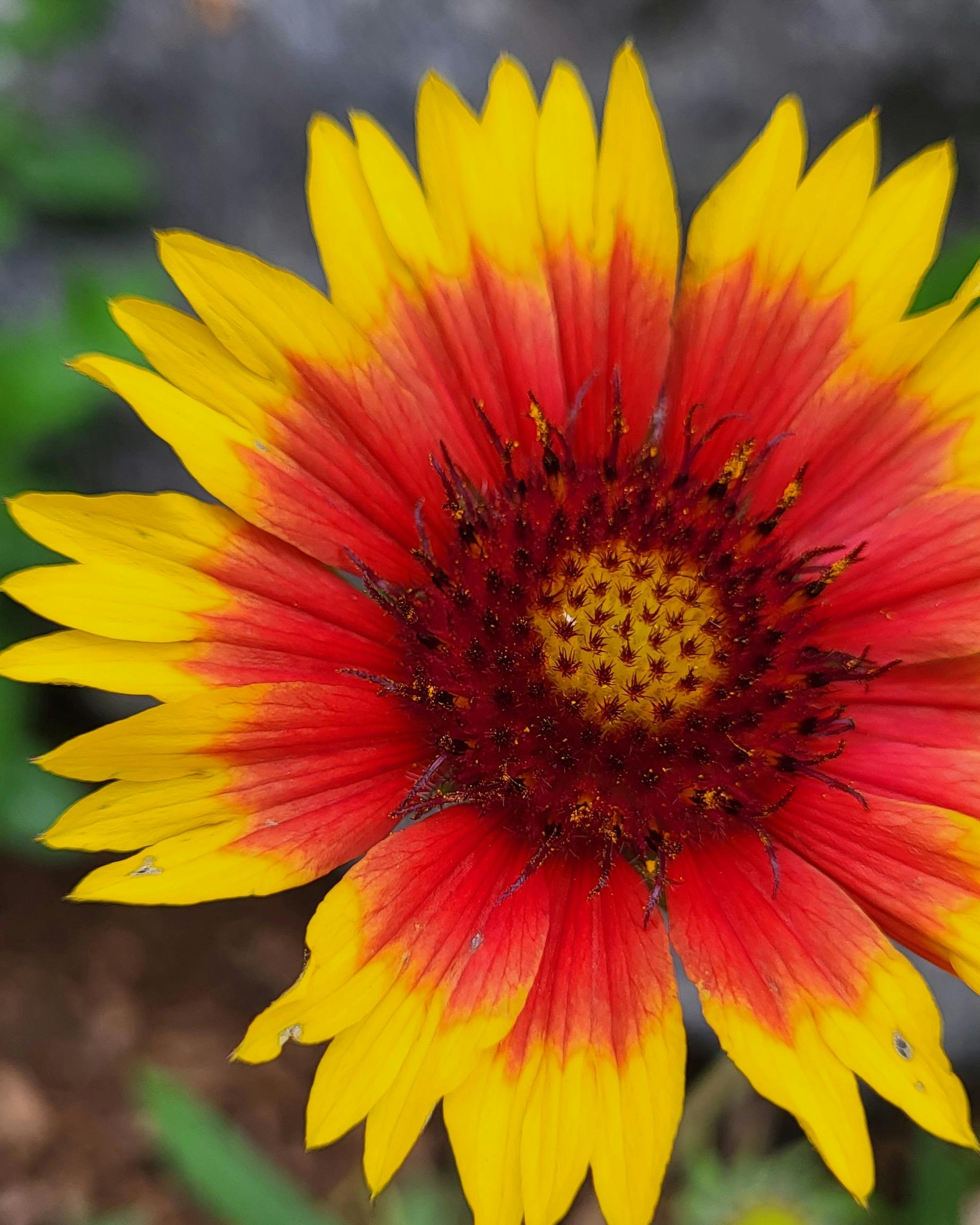
Blanket Flower (Gaillardia pulchella): This cheerful, daisy-like flower is a powerhouse for pollinators. Its vibrant red, orange, and yellow blooms provide a continuous nectar source for bees and butterflies throughout much of the year in Zone 10. Once the flowers fade, the seed heads offer food for birds. Blanket flower is drought-tolerant once established and thrives in full sun and well-drained soil.
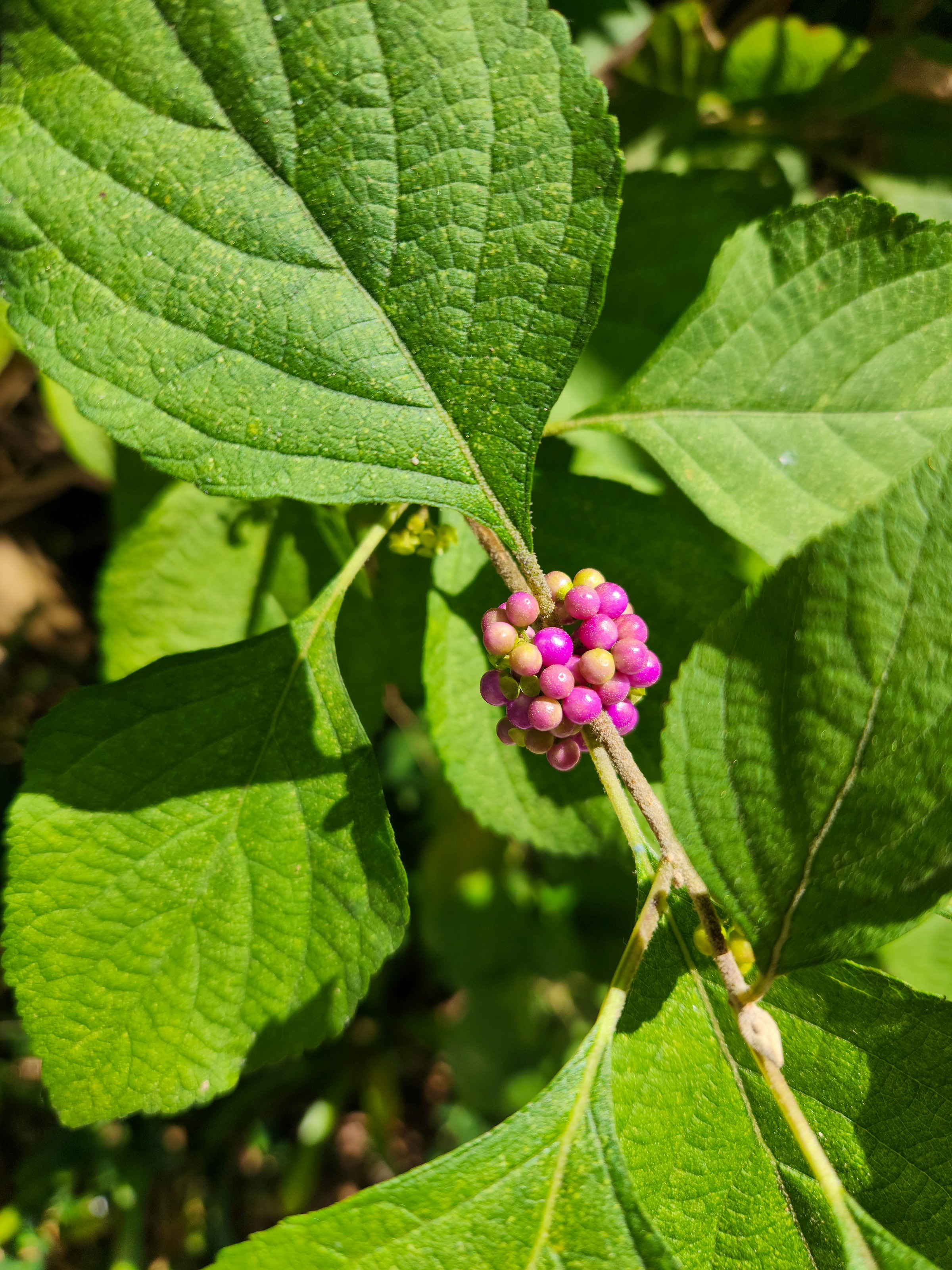
Beautyberry (Callicarpa americana): While not a traditional nectar plant, Beautyberry is a fantastic shrub for birds. Its striking clusters of metallic purple berries ripen in late summer and fall, providing a vital food source for many bird species, including mockingbirds, robins, and cardinals, just when other food sources might be dwindling. It's also relatively low-maintenance, preferring partial to full sun and tolerating various soil types.
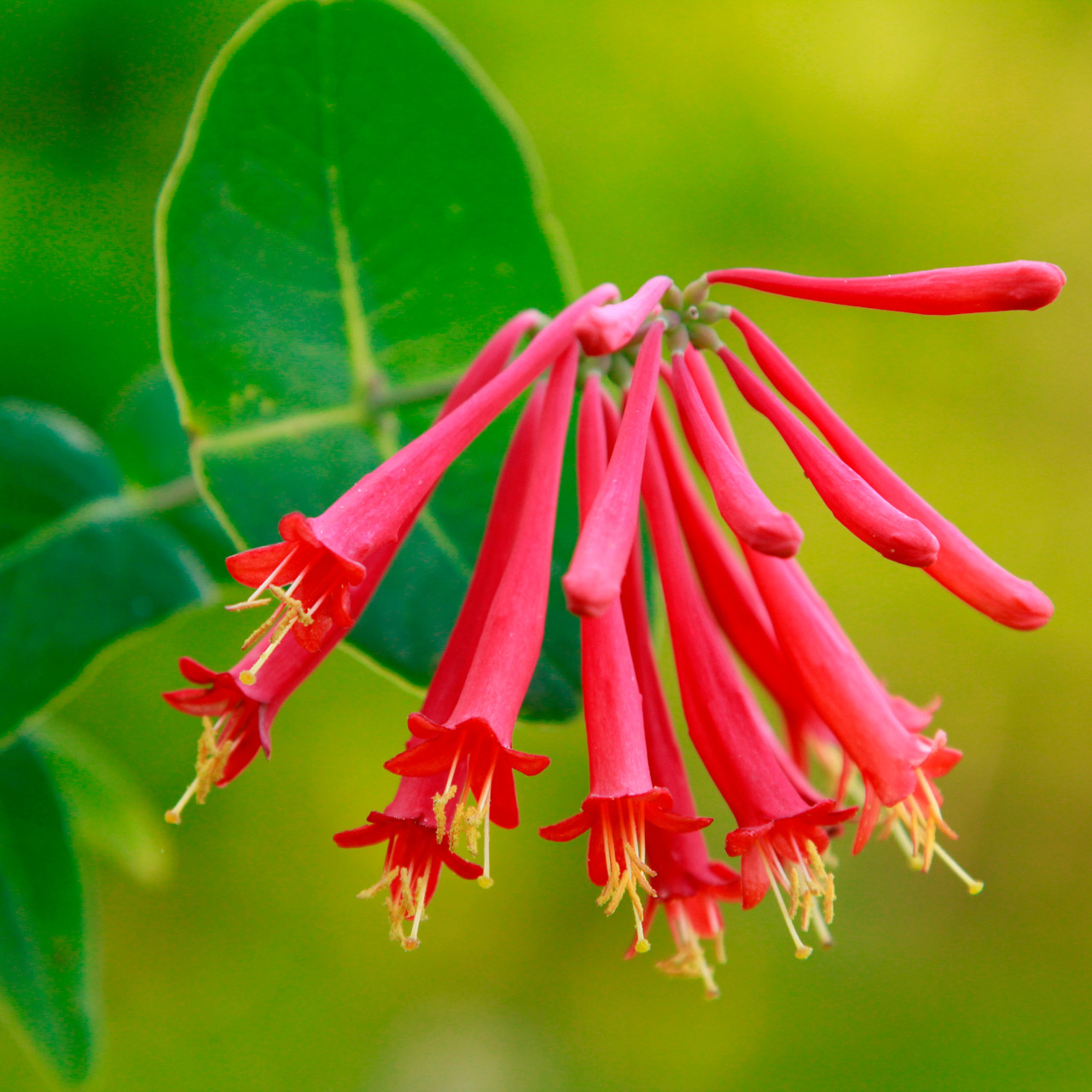
Coral Honeysuckle (Lonicera sempervirens): Unlike its invasive non-native cousins, native coral honeysuckle is a well-behaved vine that produces beautiful, trumpet-shaped red-orange flowers. These blooms are a magnet for hummingbirds, which are vital pollinators. It also attracts butterflies and provides a larval host plant for some moth species. This vine can be grown on trellises, fences, or allowed to ramble over shrubs.
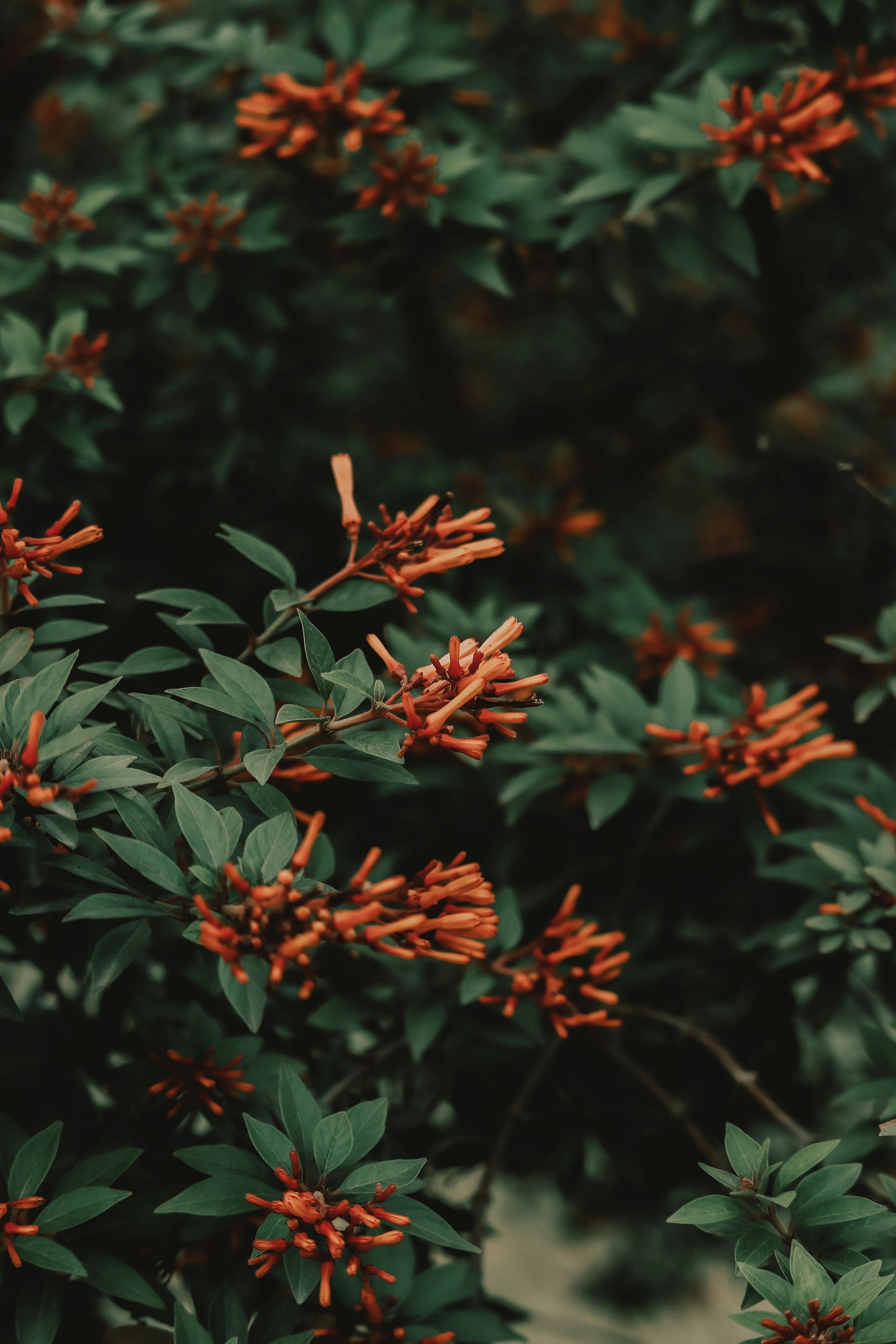
Firebush (Hamelia patens): Also known as Hummingbird Bush, Firebush is a fast-growing, semi-woody perennial or small shrub that produces continuous clusters of bright orange-red, tubular flowers. As its name suggests, it's a favorite of hummingbirds, and butterflies also frequent its blooms. It can grow quite large but can be pruned to maintain size and shape.
Saw Palmetto (Serenoa repens): This iconic native palm is incredibly tough and adaptable. While its small, white flowers might not be as showy as others, they are a significant nectar source for bees and other insects. The subsequent berries are a crucial food source for a wide range of wildlife, including birds, raccoons, and even deer. Saw Palmetto also provides excellent cover and nesting sites for small animals.
How Can I Create a Low-Maintenance Native Garden in Zone 10?
Designing a low-maintenance native garden in Zone 10 starts with understanding your site conditions and choosing the right plants for those conditions.
- Assess Your Site: Observe the amount of sunlight different areas of your yard receive throughout the day. Note your soil type (sandy, clay, loamy) and how well it drains. Understanding these factors will help you select plants that will naturally thrive without much intervention.
- Choose Appropriate Plants: Select native plants that are well-suited to your specific sun exposure and soil conditions. This reduces the need for supplemental watering, fertilizing, and pest control. For instance, if you have sandy, well-draining soil and full sun, Blanket Flower and Saw Palmetto would be excellent choices.
- Group Plants with Similar Needs: When planting, group plants that have similar water and light requirements together. This makes irrigation more efficient and ensures all plants receive what they need.
- Mulch: Apply a layer of organic mulch (like pine bark or cypress mulch) around your plants. Mulch helps retain soil moisture, suppresses weeds, and moderates soil temperature, all of which reduce maintenance tasks.
- Embrace Natural Processes: Allow some leaf litter to remain under shrubs and trees. This provides habitat for beneficial insects and slowly breaks down to enrich the soil.
Quick Reference: Top Native Plants for Zone 10 Wildlife
| Plant Name | Attracts | Sun Needs | Water Needs (Established) | Notes
What Are the Best Plants for Zone 10?
Zone 10 is characterized by its warm climate, with average annual minimum temperatures between 30°F and 40°F (-1.1°C and 4.4°C). This allows for a long growing season and a diverse range of plant life. When selecting native plants for Zone 10, consider species that are indigenous to regions like Florida, Southern California, parts of Arizona, and coastal Texas, as well as Hawaii and Puerto Rico.
Here are some excellent native plant choices for Zone 10, focusing on their benefits for wildlife and garden aesthetics:
Trees & Large Shrubs:
- Live Oak (Quercus virginiana): A majestic, long-lived evergreen tree that provides immense ecological value. Its acorns are a critical food source for numerous wildlife species, and its sprawling branches offer excellent nesting and roosting sites for birds. It's also a host plant for several butterfly and moth caterpillars.
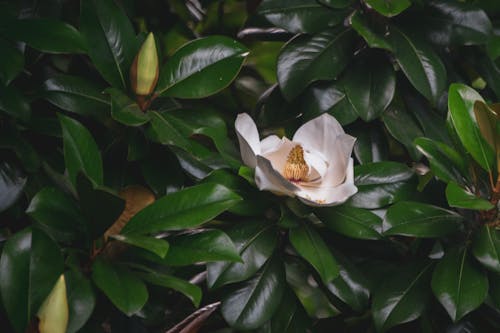
- Southern Magnolia (Magnolia grandiflora): Known for its large, fragrant white flowers and glossy evergreen leaves, the Southern Magnolia provides seeds for birds and shelter for wildlife. Its flowers are pollinated by beetles.
- Pigeon Plum (Coccoloba diversifolia): A versatile native tree or large shrub, Pigeon Plum is salt-tolerant and provides small, edible fruits that are relished by birds and other wildlife. It can be used as a screen or specimen tree.
- Gumbo Limbo (Bursera simaruba): Often called the "Tourist Tree" due to its peeling red bark, Gumbo Limbo is a fast-growing, drought-tolerant tree that provides food and shelter for wildlife. Its small flowers attract pollinators, and its fruits are eaten by birds.
Smaller Shrubs & Perennials:
- Beautyberry (Callicarpa americana): As mentioned earlier, its vibrant purple berries are a bird magnet in fall and winter. It's adaptable to various conditions and relatively low-maintenance.
- Firebush (Hamelia patens): An excellent choice for attracting hummingbirds and butterflies with its continuous orange-red blooms.
- Dwarf Fakahatchee Grass (Tripsacum floridanum): A clumping native grass that provides texture and movement in the landscape. It offers seeds for birds and cover for small wildlife.
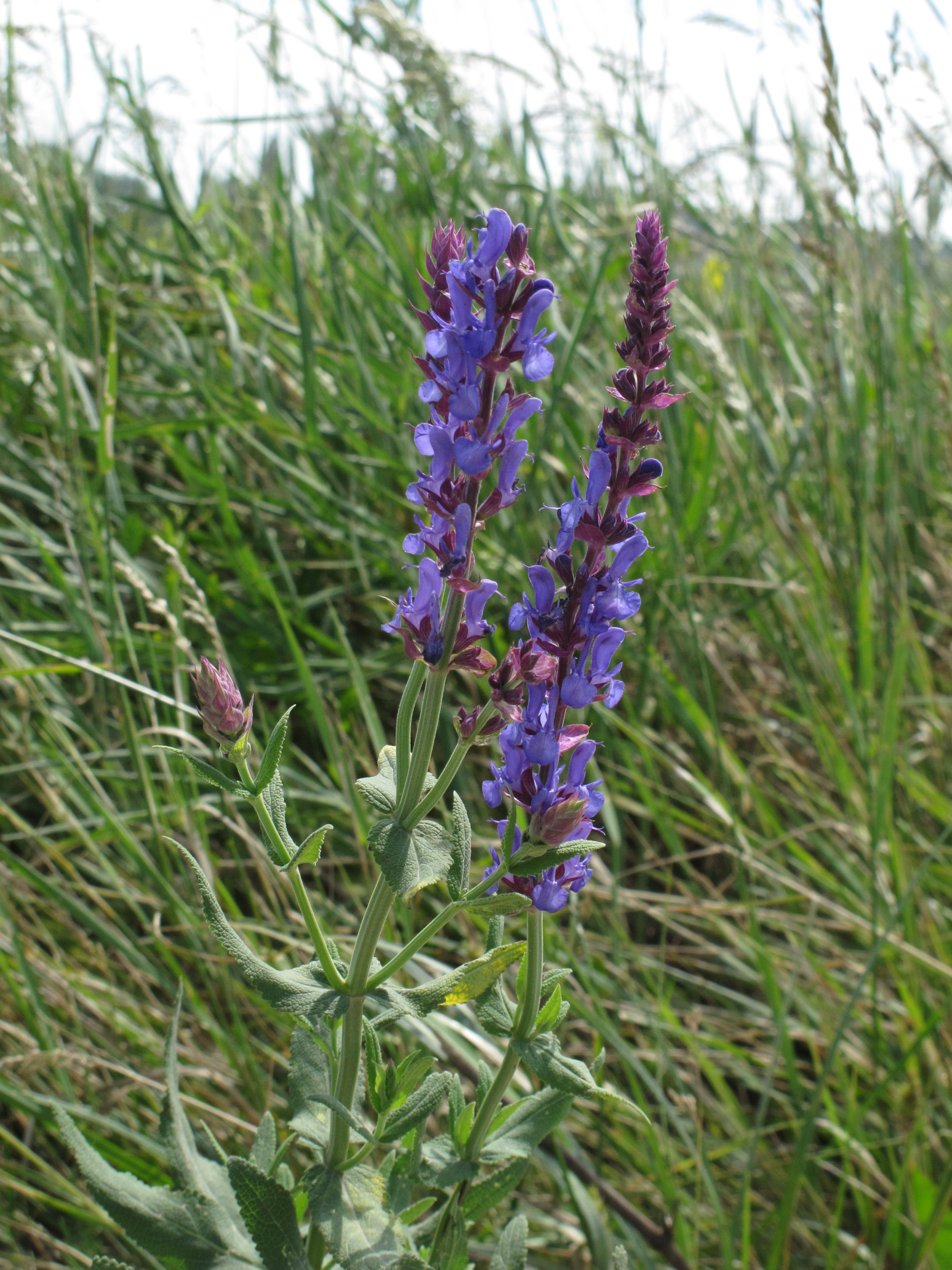
- Tropical Sage (Salvia coccinea): This beautiful native sage produces spikes of red, pink, or white flowers that are highly attractive to hummingbirds and butterflies. It blooms for a long period and is relatively drought-tolerant.
- Coontie (Zamia integrifolia): Florida's only native cycad, Coontie is a tough, drought-tolerant plant that provides a unique texture. It is the sole larval host plant for the Atala butterfly, a stunning metallic blue butterfly.
What Should I Consider When Planting Native Plants for Wildlife?
When designing a wildlife-friendly garden in Zone 10, think about providing a complete habitat: food, water, shelter, and places to raise young.
- Diversity is Key: Plant a variety of native species, including trees, shrubs, perennials, and grasses, to offer different food sources and habitat types throughout the year. Consider plants with varying bloom times to ensure a continuous supply of nectar and pollen.
- Layer Your Landscape: Create different vertical layers in your garden, from groundcovers to tall trees. This mimics natural ecosystems and provides diverse niches for wildlife.
- Provide Water: A bird bath, a shallow dish with pebbles for bees, or a small pond can be invaluable water sources for wildlife, especially during dry periods.
- Avoid Pesticides: Native plants are generally more resistant to local pests, but if issues arise, opt for organic pest control methods. Pesticides can harm beneficial insects, birds, and other wildlife.
- Embrace "Messy": A truly wildlife-friendly garden isn't always perfectly manicured. Leaving some leaf litter, brush piles, or spent plant stalks can provide crucial shelter and nesting material.
- Deer Resistance: While native plants are often more resilient, no plant is truly deer-proof. If deer are an issue in your area, consider incorporating plants that are known to be less palatable to them, or use physical barriers.
By thoughtfully selecting native plants for your Zone 10 garden, you'll create a beautiful, thriving landscape that not only enhances your property but also plays a vital role in supporting the local ecosystem.
Ready to find the perfect plants for your yard? Try the PlantWise Plant Finder →