Best Native Plants for Shade Gardens
Creating a vibrant garden in a shaded area can be a rewarding experience, especially when you choose native plants. Native shade plants are perfectly adapted to the woodland conditions often found in shadier spots, offering a beautiful and low-maintenance solution for your landscape. These plants thrive in filtered light or full shade, requiring less water and fewer amendments once established, making them ideal for sustainable gardening. They also provide crucial habitat and food sources for local wildlife, supporting a healthy ecosystem right in your backyard.
Why Choose Native Plants for Your Shade Garden?
Native plants are the backbone of a thriving local ecosystem. By selecting plants that are indigenous to your region, you're not just creating a beautiful garden; you're also supporting biodiversity. Native plants have evolved alongside local wildlife, providing essential food, shelter, and breeding grounds for pollinators, birds, and other beneficial creatures. In a shade garden, this is particularly important, as many woodland species rely on these specific plants.
Beyond their ecological benefits, native plants often require less care than non-native alternatives. They are naturally resilient to local pests and diseases and are accustomed to the climate and soil conditions of your area. This means less watering, less fertilizing, and less intervention from you, allowing you more time to enjoy your garden rather than laboring in it.
🌱 Get Personalized Plant Picks
Answer a few quick questions and we’ll match plants to your exact yard conditions.
Find My Plants →What Are Some Excellent Native Plants for Shady Spots?
Finding the right plants for shade can sometimes feel like a challenge, but many native species flourish in these conditions. Here are a few outstanding options that will bring beauty and life to your shaded garden.
Ferns: Many native ferns are perfect for adding texture and lush greenery to a shade garden. Varieties like Maidenhair Fern (Adiantum pedatum) and Christmas Fern (Polystichum acrostichoides) offer delicate fronds and evergreen interest, respectively. They thrive in moist, rich soil and require very little maintenance once established.
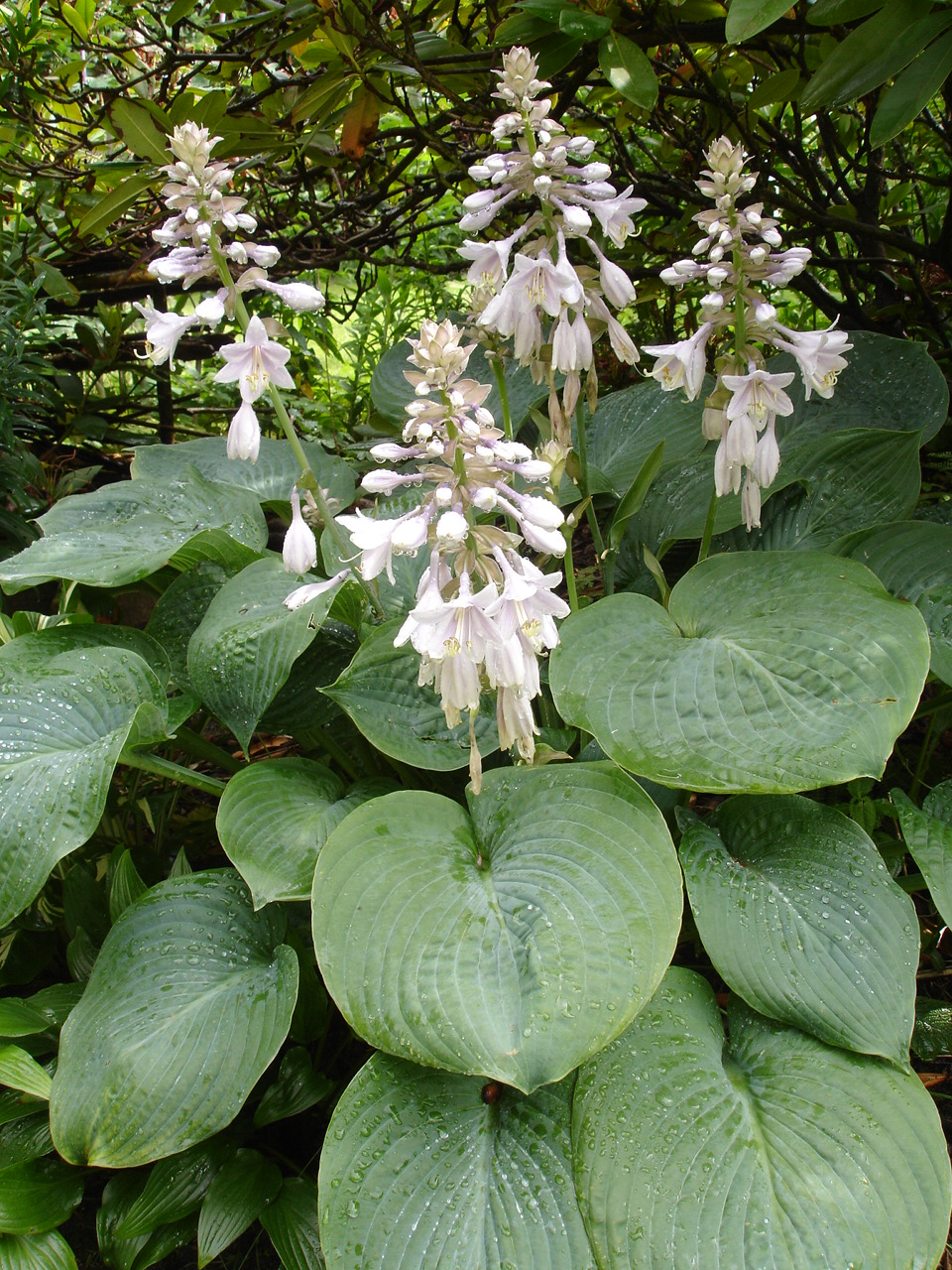
Hostas (Native Varieties): While many popular hostas are Asian in origin, some native species, like Blue Wood Hosta (Hosta clausa), can be found. However, for true native impact, consider other groundcovers that offer similar broad-leaf appeal.
Wild Ginger (Asarum canadense): This charming native groundcover forms a dense carpet of heart-shaped leaves, perfect for suppressing weeds and retaining soil moisture. It also produces unique, inconspicuous maroon flowers at its base in spring.
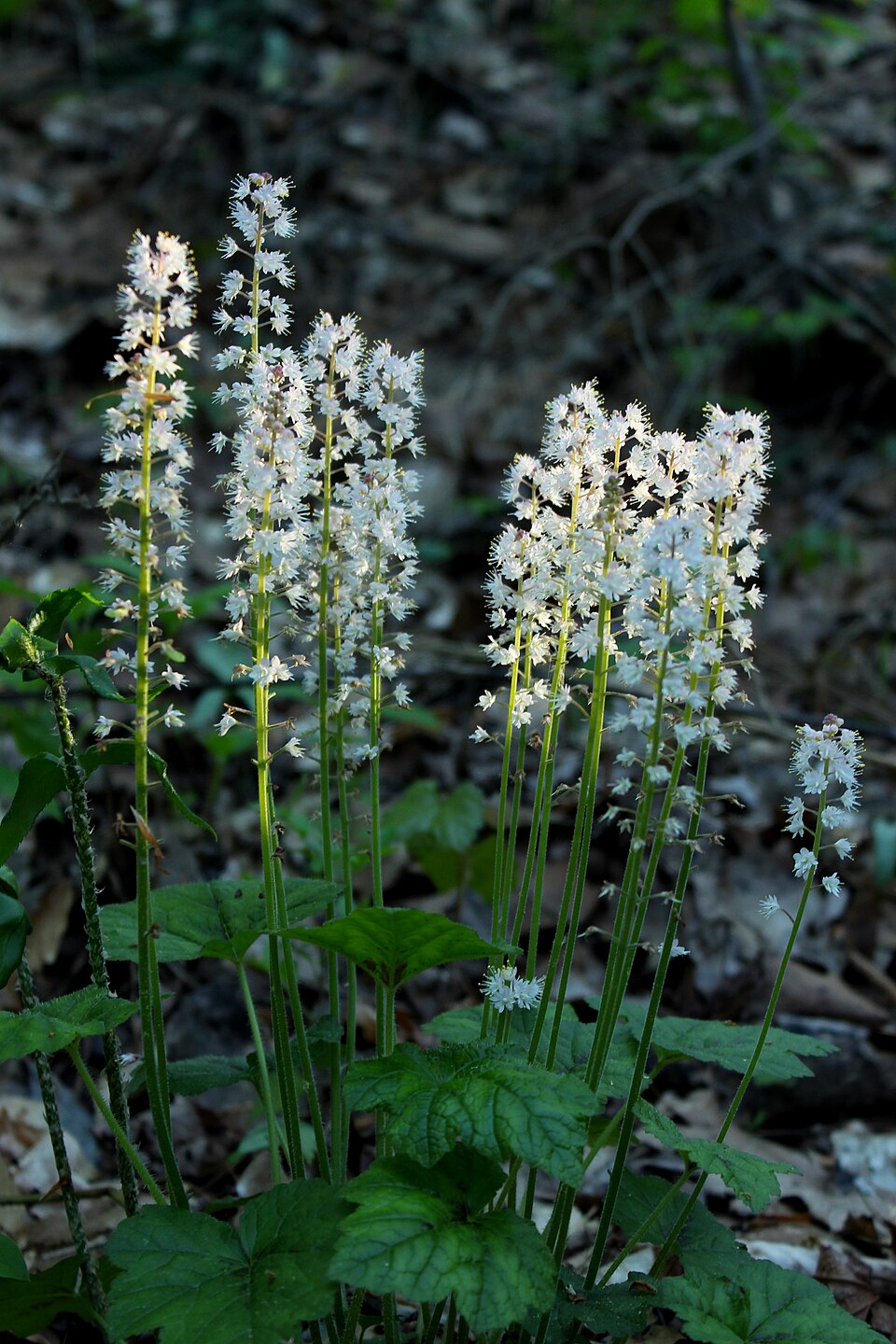
Foamflower (Tiarella cordifolia): A delightful perennial that brightens up shady areas with its delicate, frothy white flower spikes in spring. Its attractive foliage often has interesting patterns and can be semi-evergreen in milder climates.
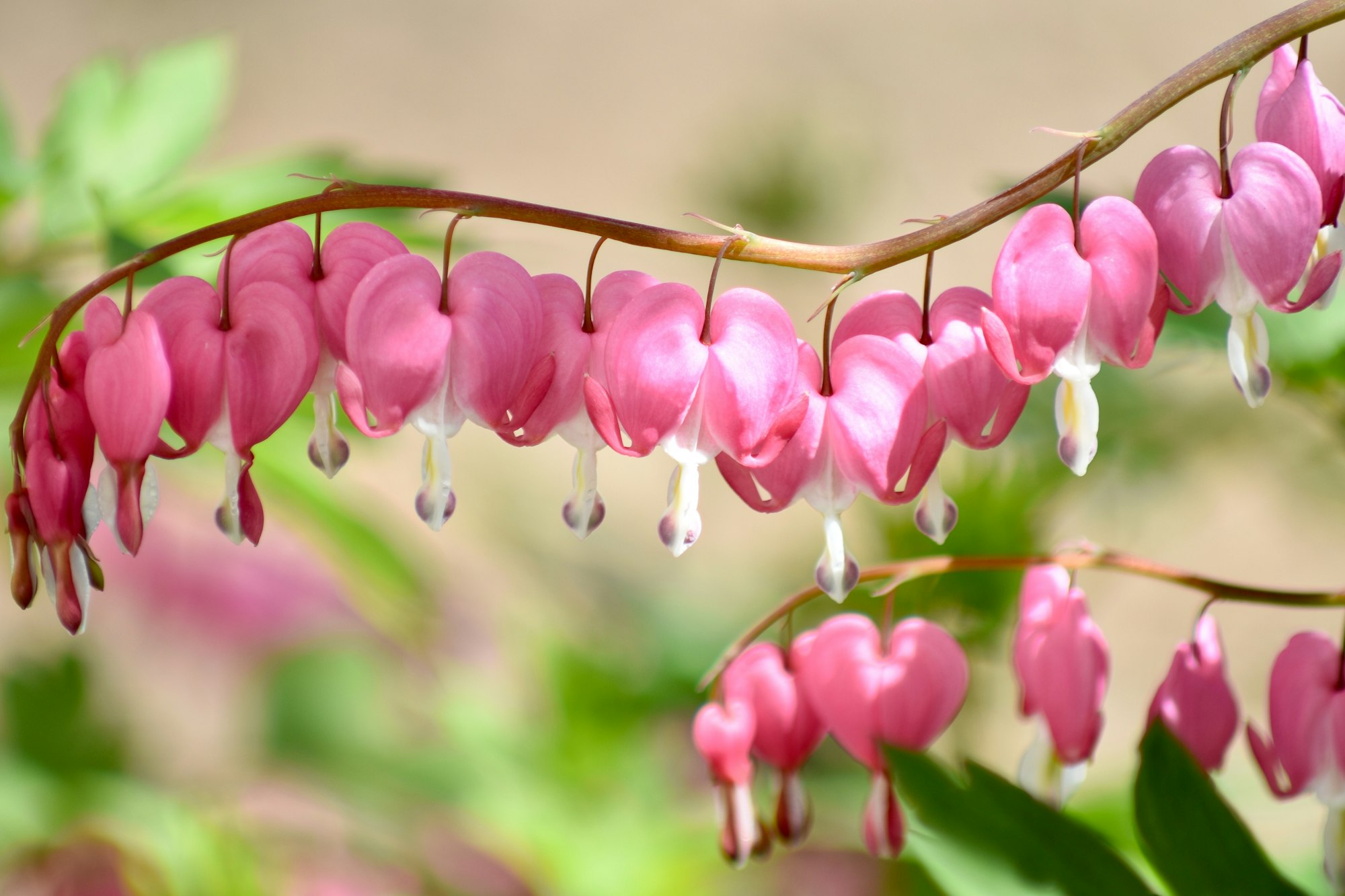
Bleeding Heart (Dicentra eximia): While the common garden bleeding heart is often Asian, the native Eastern Bleeding Heart offers similar charm with its heart-shaped pink flowers and finely dissected foliage. It's a beautiful addition to a woodland garden.
Solomon's Seal (Polygonatum biflorum): With its graceful arching stems and dangling bell-shaped flowers, Solomon's Seal adds an elegant touch to a shade garden. It's a low-maintenance plant that spreads slowly to form colonies.
Trillium (Trillium spp.): These iconic woodland wildflowers are a true gem for shade gardens. With their distinctive three-petaled flowers and three-leaf whorl, trilliums are a sign of a healthy forest ecosystem. They prefer rich, moist soil and can take several years to establish but are well worth the wait.
How Do I Prepare a Shade Garden Bed for Native Plants?
Preparing your soil properly is key to the success of your native shade garden. Even though native plants are adaptable, giving them a good start will ensure they thrive.
- Assess Your Shade: Observe your garden throughout the day to understand the type of shade it receives. Is it full shade (less than 3 hours of direct sun), partial shade (3-6 hours of sun, often morning sun), or dappled shade (filtered light all day)? This will help you choose the most appropriate plants.
- Clear the Area: Remove any existing weeds, especially aggressive non-native species. Avoid using chemical herbicides, as these can harm beneficial soil organisms and wildlife.
- Improve Soil Structure: Most woodland native plants prefer rich, well-draining soil with a good amount of organic matter. If your soil is heavy clay or very sandy, amend it with a generous layer of compost or leaf mold. This will improve drainage, aeration, and nutrient retention.
- Check Soil pH: While many native plants are tolerant of a range of pH levels, some prefer slightly acidic conditions typical of forest floors. A soil test can give you precise information. However, for most native shade plants, focusing on organic matter is more critical than adjusting pH unless your soil is extremely alkaline or acidic.
- Consider Moisture: Shady areas can sometimes be very dry due to competition from tree roots, or very wet if drainage is poor. Choose plants that match your site's moisture conditions. For dry shade, consider plants like Wild Geranium (Geranium maculatum) or Barren Strawberry (Waldsteinia fragarioides). For moist shade, ferns, cardinal flower, and some sedges are excellent choices.
Are Native Shade Plants Resistant to Deer and Other Wildlife?
While native plants are excellent for supporting local wildlife, it's important to understand that "deer-proof" is a myth. No plant is truly deer-proof, especially when deer populations are high and food sources are scarce. However, some native plants are less palatable to deer and other herbivores than others.
Generally, plants with strong fragrances, fuzzy or thorny leaves, or those that are known to be mildly toxic tend to be less appealing to deer. For shade gardens, some native options that often show more resistance include:
- Bleeding Heart (Dicentra eximia): Generally considered deer resistant.
- Foamflower (Tiarella cordifolia): Often left alone by deer.
- Wild Ginger (Asarum canadense): Deer tend to avoid it.
- Ferns: Many fern species are not a preferred food source for deer.
- Solomon's Seal (Polygonatum biflorum): Typically deer resistant.
For rabbits and groundhogs, similar principles apply. Strong-smelling herbs or plants with tough foliage might deter them. However, young plants are often more vulnerable, so consider temporary protection like netting or cages until they are established. Regular monitoring and integrated pest management strategies are always the best approach to coexisting with wildlife in your garden.
Quick Reference: Native Shade Plants by Zone
Here's a quick overview of some excellent native shade plants, keeping in mind that specific varieties and their hardiness can vary. Always check the specific needs of the plant for your local climate and conditions.
| Plant Name | USDA Hardiness Zones | Light Preference | Moisture Preference | Notes |
|---|---|---|---|---|
| Wild Ginger | 3-8 | Full to Partial Shade | Moist | Groundcover, heart-shaped leaves |
| Foamflower | 3-8 | Partial to Full Shade | Moist, well-drained | Delicate white flowers, attractive foliage |
| Eastern Bleeding Heart | 3-8 | Partial Shade | Moist, well-drained | Pink heart-shaped flowers, fine foliage |
| Solomon's Seal | 3-9 | Partial to Full Shade | Moist, well-drained | Arching stems, bell flowers, elegant |
| Christmas Fern | 3-9 | Partial to Full Shade | Dry to Moist | Evergreen fronds, tolerant of dry shade |
| Maidenhair Fern | 3-8 | Partial to Full Shade | Moist | Delicate, airy fronds, prefers rich soil |
| Trillium | 4-9 | Partial to Full Shade | Moist, rich | Iconic woodland wildflower, slow to establish |
| Wild Geranium | 3-8 | Partial Shade | Dry to Moist | Purple flowers, attractive foliage, good for dry shade |
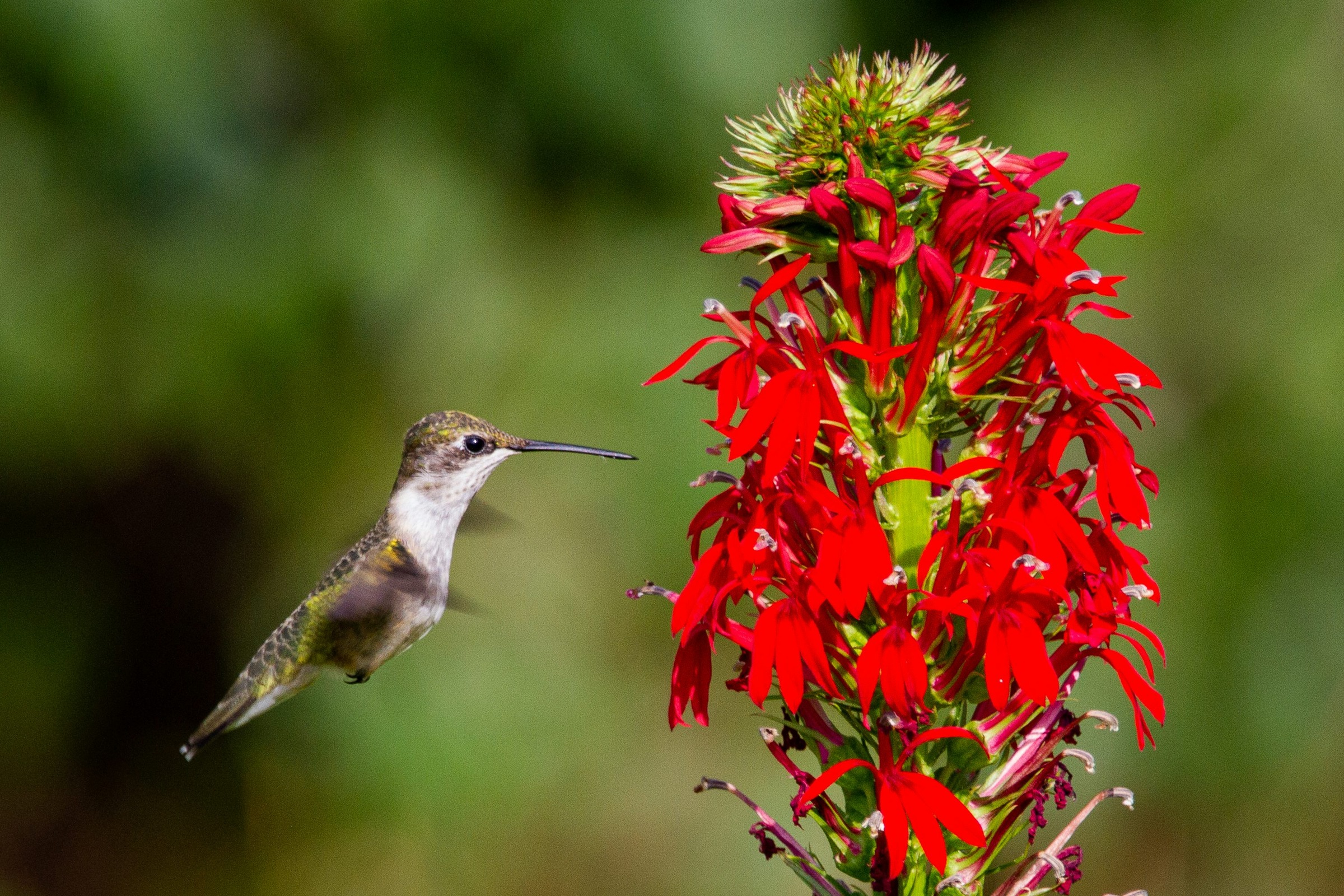
| Cardinal Flower | 3-9 | Partial Shade | Moist to Wet | Striking red flowers, attracts hummingbirds, prefers consistent moisture |
By incorporating these beautiful and beneficial native plants into your shaded areas, you'll create a resilient, low-maintenance garden that supports local ecosystems and provides year-round beauty.
Ready to find the perfect plants for your yard? Try the PlantWise Plant Finder →