Best Native Plants for Wet Areas and Rain Gardens
Creating a thriving garden in areas with consistently moist or even wet soil can be a challenge, but it's also a fantastic opportunity to embrace the natural beauty and ecological benefits of native plants. For rain gardens and low-lying spots that tend to collect water, native plants are the absolute best choice. They are naturally adapted to local climate conditions and soil types, meaning they'll flourish with less intervention, provide crucial habitat and food for local wildlife, and help manage stormwater runoff more effectively than non-native species. By selecting the right native plants, you can transform a problematic wet area into a vibrant, low-maintenance, and ecologically valuable landscape feature.
Why Choose Native Plants for Wet Areas?
Native plants are the unsung heroes of sustainable landscaping, especially when dealing with challenging conditions like wet soil. Unlike their non-native counterparts, these plants have evolved over millennia to thrive in the specific environmental conditions of your region, including its unique rainfall patterns and soil composition. This inherent adaptation means they require less water once established (beyond the wet conditions they're designed for), fewer fertilizers, and are more resistant to local pests and diseases.
For wet areas, this resilience is particularly important. Native plants often have deeper, more extensive root systems that help stabilize soil, prevent erosion, and absorb excess water, making them ideal for rain gardens. Rain gardens are specially designed depressions that collect stormwater runoff from roofs, driveways, and other impervious surfaces, allowing it to slowly filter into the ground rather than overwhelming storm drains. Native plants enhance this process by improving soil infiltration and providing a diverse habitat for pollinators, birds, and other beneficial wildlife, which is especially important for the "Wildlife" category of this blog post.
🌱 Get Personalized Plant Picks
Answer a few quick questions and we’ll match plants to your exact yard conditions.
Find My Plants →What Are the Best Characteristics for Wet Area Plants?
When selecting plants for wet areas or rain gardens, look for species that are naturally tolerant of saturated soils, and sometimes even temporary inundation. These plants often have adaptations that allow their roots to access oxygen even when submerged, or they can quickly recover from periods of standing water. Beyond water tolerance, consider plants that offer ecological benefits, such as providing nectar for pollinators, seeds for birds, or shelter for small animals.
A diverse selection of plants will create a more resilient and attractive garden. Aim for a mix of flowering perennials, grasses, and even some shrubs that can handle moist conditions. This variety will ensure continuous bloom times, different plant heights and textures, and a broader range of resources for wildlife throughout the seasons. Bee Balm Blazing Star Black-eyed Susan
Which Native Plants Thrive in Consistently Moist Soil?
Many beautiful native plants are perfectly suited for consistently moist to wet conditions, making them excellent choices for rain gardens or naturally damp spots in your yard. Here’s a quick reference guide to some top performers:
Quick Reference: Native Plants for Wet Areas
| Plant Name | Scientific Name | Light Needs | Moisture Preference | Wildlife Value |
|---|---|---|---|---|
| Bee Balm | Monarda didyma | Full Sun to Part Shade | Moist to Wet | Nectar for hummingbirds, bees, butterflies |
| Blazing Star | Liatris spicata | Full Sun | Moist to Wet | Nectar for butterflies, bees; seeds for birds |
| Black-eyed Susan | Rudbeckia hirta | Full Sun to Part Shade | Moist to Wet | Nectar for butterflies, bees; seeds for birds |
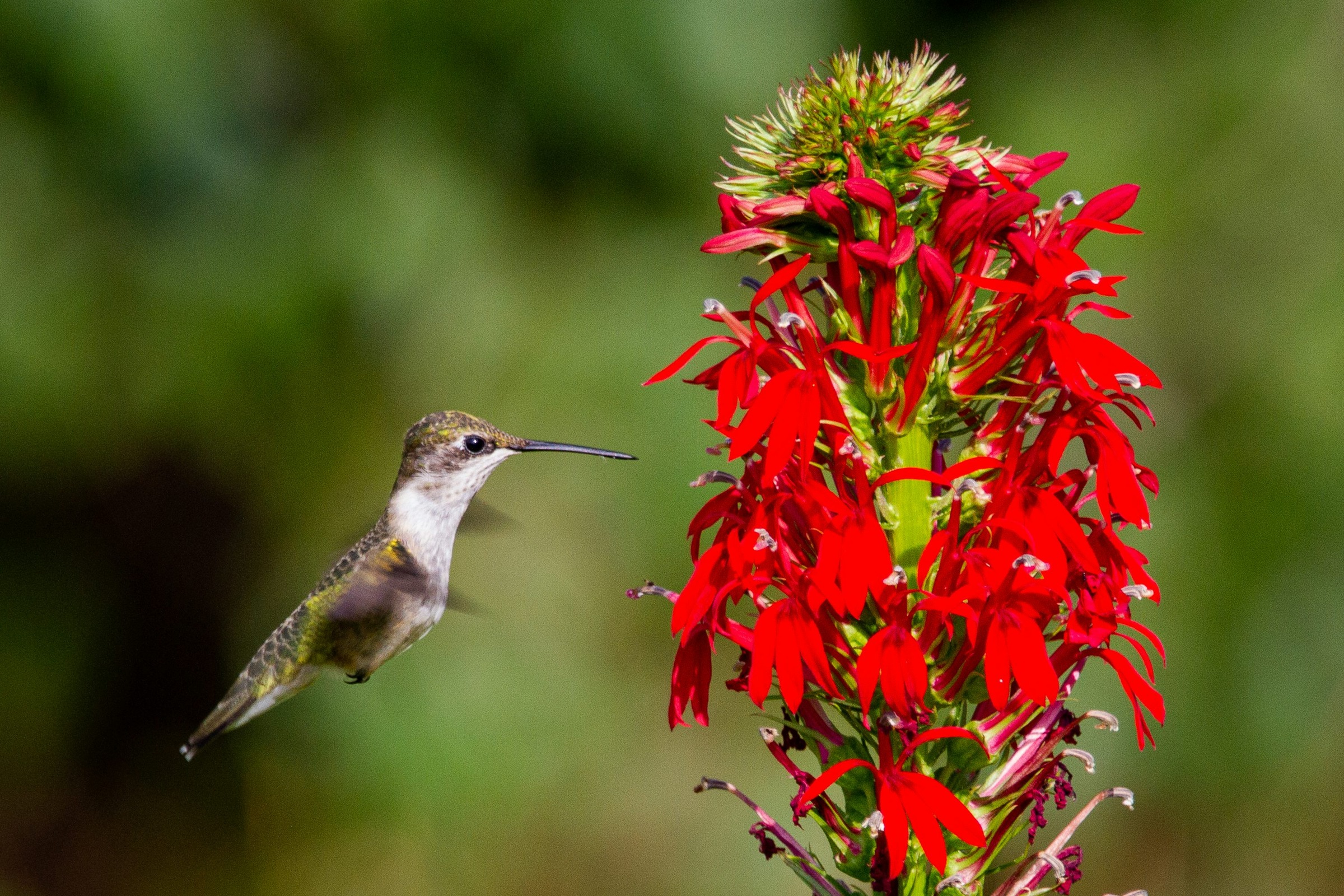
| Cardinal Flower | Lobelia cardinalis | Full Sun to Part Shade | Moist to Wet | Nectar for hummingbirds, butterflies |
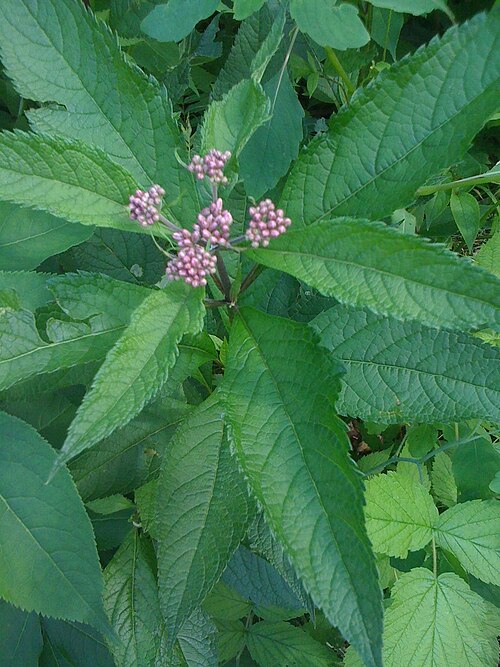
| Joe Pye Weed | Eutrochium purpureum | Full Sun to Part Shade | Moist to Wet | Nectar for butterflies, bees |
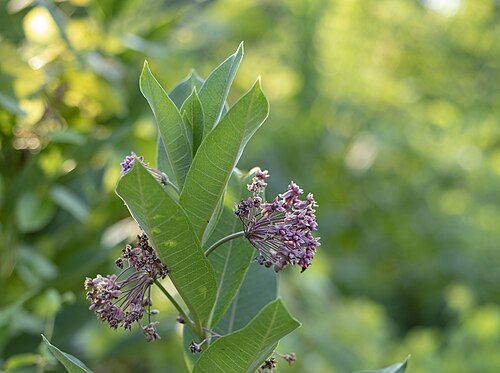
| Swamp Milkweed | Asclepias incarnata | Full Sun | Moist to Wet | Monarch butterfly host plant, nectar for many |
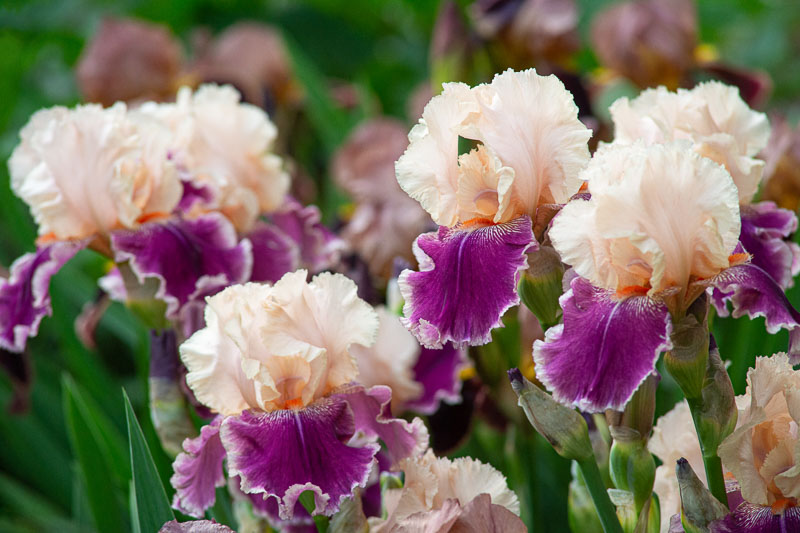
| Blue Flag Iris | Iris versicolor | Full Sun to Part Shade | Wet | Nectar for bees, visual interest |
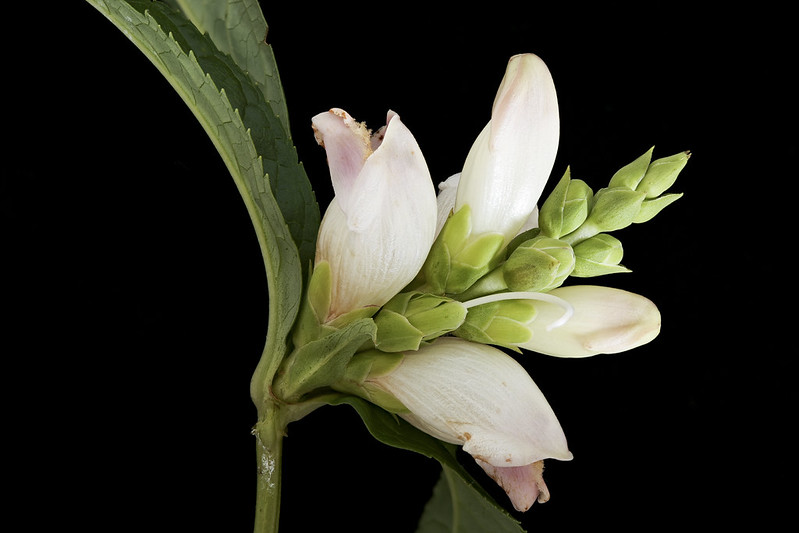
| Turtlehead | Chelone glabra | Part Sun to Part Shade | Moist to Wet | Nectar for bumblebees |
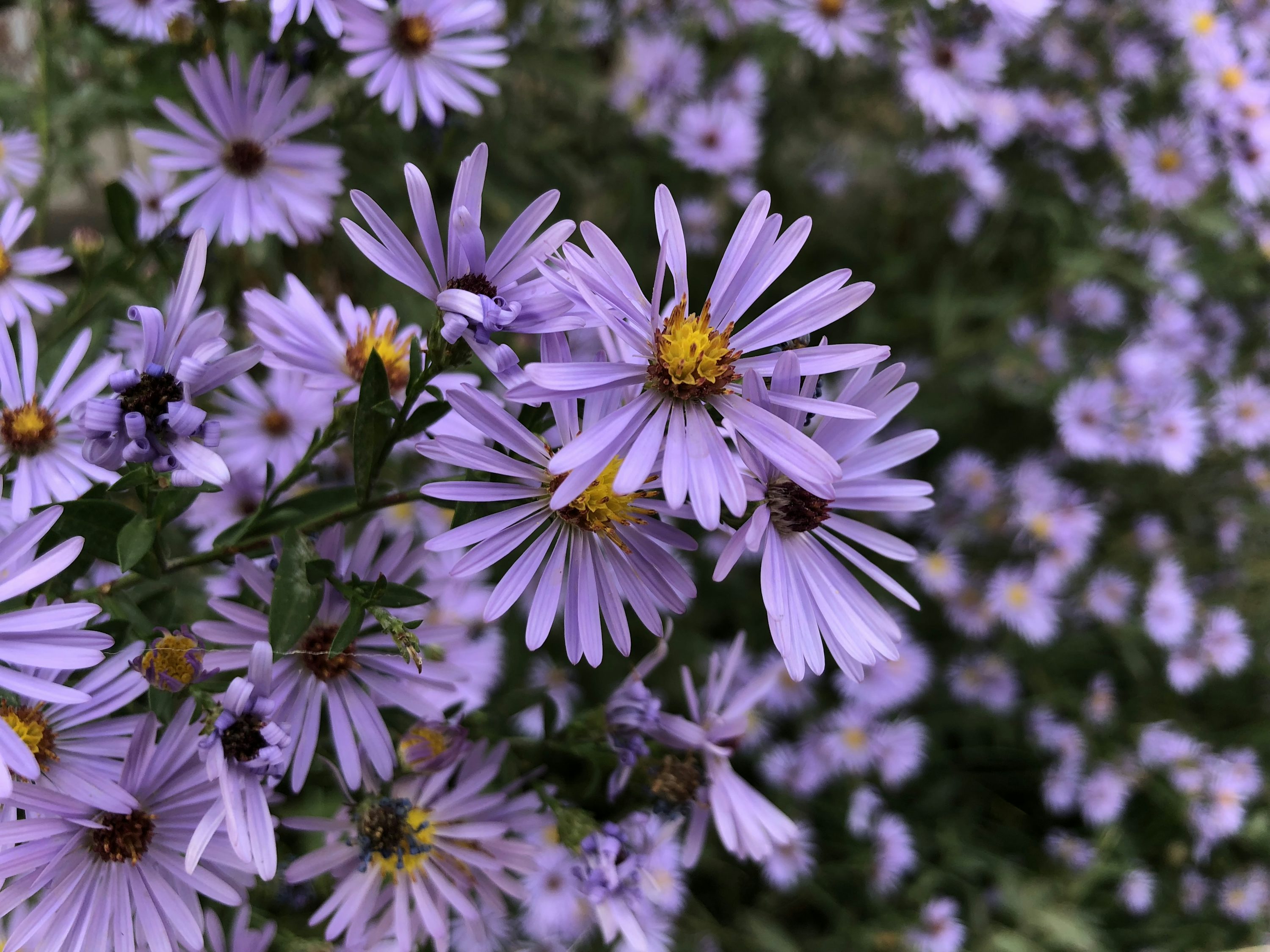
| New England Aster | Symphyotrichum novae-angliae | Full Sun | Moist to Wet | Late-season nectar for butterflies, bees |
| Elderberry | Sambucus canadensis | Full Sun to Part Shade | Moist to Wet | Berries for birds, nectar for pollinators |
Let's dive into a few of these remarkable plants:
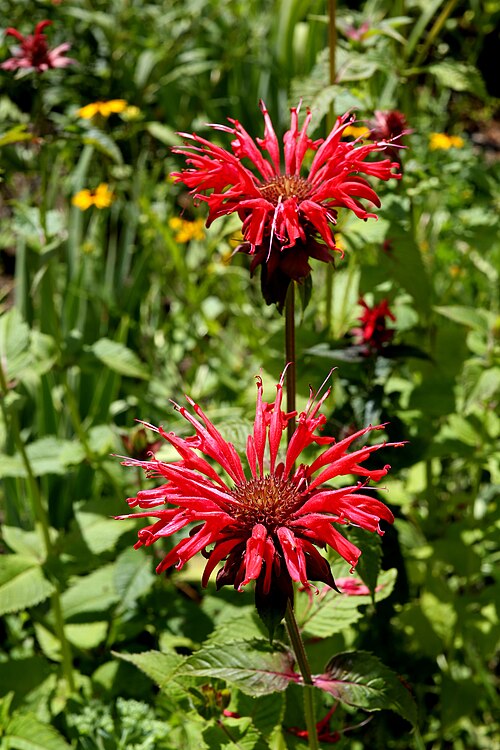
- Bee Balm (Monarda didyma): This vibrant perennial is a magnet for hummingbirds, bees, and butterflies. It thrives in moist to wet soil and full sun to partial shade, producing striking red, pink, or purple flowers. Its aromatic foliage also adds a pleasant scent to the garden. Bee Balm
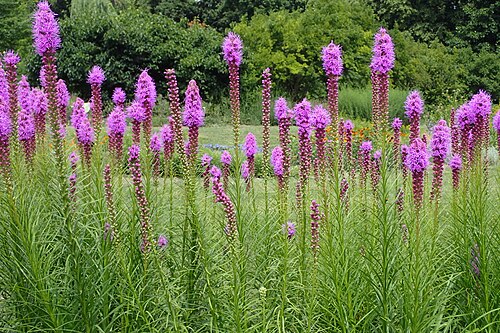
- Blazing Star (Liatris spicata): With its tall, spiky purple flowers, Blazing Star is a showstopper. It prefers full sun and moist to wet conditions, attracting a wide array of butterflies and bees. The seeds also provide food for birds in the fall. Blazing Star
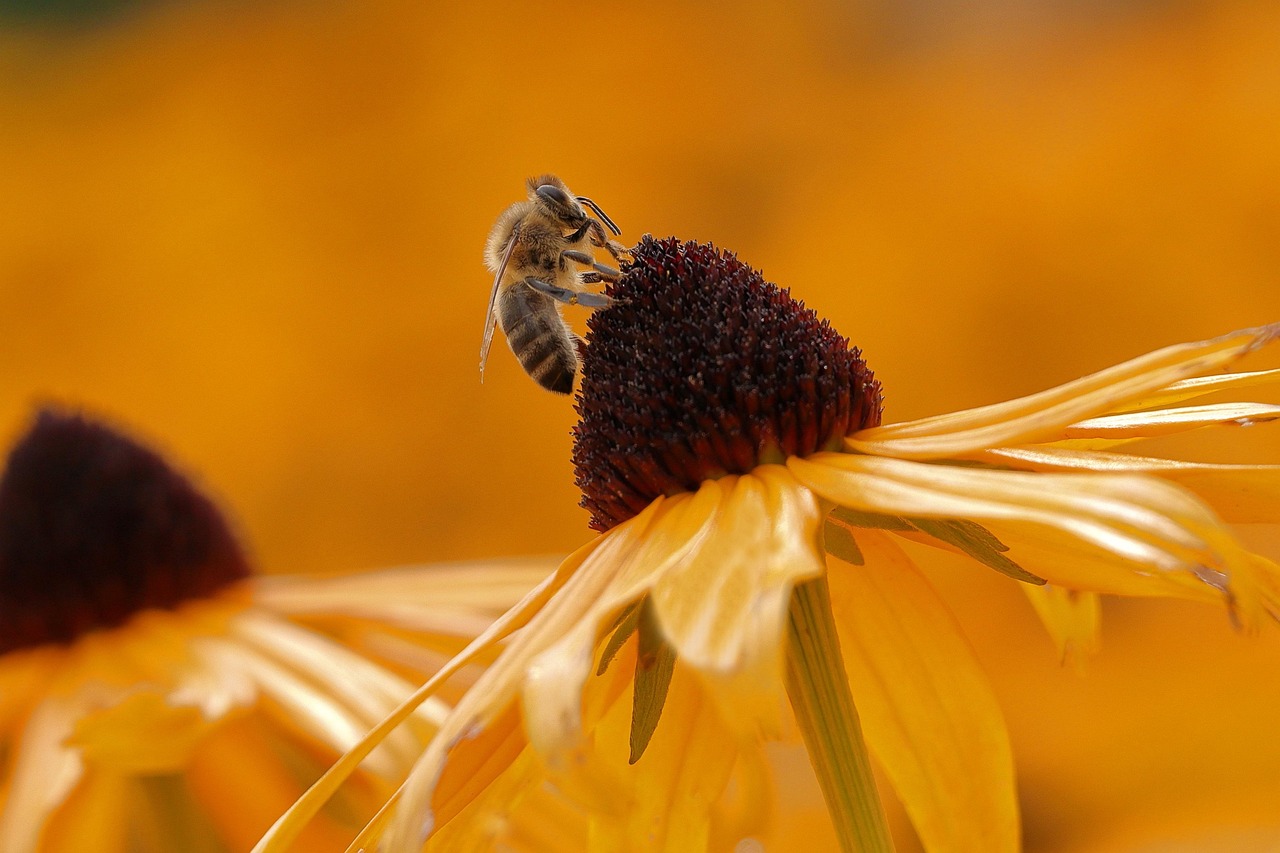
- Black-eyed Susan (Rudbeckia hirta): A classic prairie wildflower, Black-eyed Susan brings cheerful yellow blooms with dark centers. It's adaptable to a range of soils but performs exceptionally well in moist conditions and full sun. It's a favorite of many pollinators and provides seeds for birds. Black-eyed Susan
- Swamp Milkweed (Asclepias incarnata): Essential for monarch butterflies, Swamp Milkweed is a host plant for their caterpillars and a nectar source for many other pollinators. It loves full sun and wet soil, making it perfect for the wettest parts of your rain garden.
- Cardinal Flower (Lobelia cardinalis): Known for its brilliant red flowers, Cardinal Flower is a hummingbird favorite. It prefers moist to wet soil and can tolerate full sun to partial shade, though it often performs best with some afternoon protection in hotter climates.
How Do I Establish and Maintain a Rain Garden?
Establishing a rain garden involves a bit of planning, but the long-term benefits are well worth the effort. First, identify the best location - typically a low spot that receives runoff, at least 10 feet away from your home's foundation. Dig a shallow depression, usually 6-12 inches deep, with gently sloping sides. You may need to amend heavy clay soils with compost and sand to improve drainage and infiltration.
Once your rain garden is dug and amended, it's time to plant your chosen native species. Arrange plants according to their moisture needs; place those that tolerate the most standing water in the deepest part of the garden, and those that prefer consistently moist but not saturated soil on the edges. Mulch with a layer of shredded bark or wood chips to suppress weeds, retain moisture, and regulate soil temperature.
Initial watering is crucial to help plants establish. For the first year, ensure they receive adequate moisture, especially during dry spells. Once established, native plants in a rain garden are remarkably low-maintenance. They generally won't need supplemental watering except during extended droughts, and their natural resistance to pests and diseases means less need for chemical interventions. Occasional weeding and a light layer of compost every few years will keep your rain garden thriving. Remember, no plant is truly deer-proof, but many native species are less palatable to deer than non-native ornamentals.
What Are the Wildlife Benefits of a Native Wet Garden?
A garden featuring native plants in wet areas offers immense benefits to local wildlife, making it a true ecological asset. By choosing plants that are indigenous to your region, you are providing the specific food sources, shelter, and breeding grounds that local insects, birds, and other animals have evolved to depend on.
For example, the nectar-rich flowers of Bee Balm, Blazing Star, and Black-eyed Susan provide vital sustenance for a wide array of pollinators, including native bees, butterflies, and hummingbirds. Swamp Milkweed is particularly critical as the sole host plant for monarch butterfly caterpillars, directly supporting their life cycle. The seeds produced by many of these plants, like those from Blazing Star and Black-eyed Susan, become a crucial food source for birds during the fall and winter months.
Beyond food, the varied structure of a native wet garden provides essential shelter. Dense foliage offers protection from predators and harsh weather, while the moist conditions can attract amphibians like frogs and salamanders. By creating a biodiverse habitat, you're not just growing plants; you're cultivating a thriving ecosystem that supports the health and resilience of your local environment.
Ready to find the perfect plants for your yard? Try the PlantWise Plant Finder →