Best Native Plants for Dry, Sunny Conditions
Creating a thriving garden in dry, sunny conditions can be a challenge, but it's also an incredible opportunity to embrace the resilience and beauty of native plants. These plants are naturally adapted to your local climate, meaning they require less water, fertilizer, and overall maintenance once established. For gardeners facing arid conditions or simply looking to conserve water, native plants for dry, sunny conditions are the ultimate solution, offering vibrant blooms and ecological benefits without constant fuss. They are the most drought-tolerant options available, making them perfect for sustainable landscaping.
Why Choose Native Plants for Dry, Sunny Conditions?
Native plants are ecological superstars, especially when matched to their appropriate growing conditions. In dry, sunny environments, they truly shine. Unlike non-native species that might struggle and demand frequent watering, native plants have evolved over millennia to thrive with the natural rainfall patterns and sun exposure of their region. This inherent adaptation means they are incredibly drought-tolerant, reducing your water bill and your environmental footprint.
Beyond water conservation, native plants offer a host of other benefits. They provide crucial habitat and food sources for local wildlife, including pollinators like bees and butterflies, as well as birds and other beneficial insects. By planting natives, you're not just creating a beautiful garden; you're also supporting the local ecosystem and biodiversity. They typically require less pest control because they have natural defenses against local pests and diseases. Furthermore, once established, they rarely need supplemental fertilization, as they are accustomed to the native soil conditions. This makes them a truly low-maintenance and environmentally friendly choice for any gardener.
🌱 Get Personalized Plant Picks
Answer a few quick questions and we’ll match plants to your exact yard conditions.
Find My Plants →What Characteristics Make a Plant Drought-Tolerant?
Drought-tolerant plants aren't just lucky; they possess specific adaptations that allow them to conserve water and survive long periods without rainfall. Understanding these characteristics can help you identify suitable plants for your dry, sunny garden. Many drought-tolerant plants have deep root systems that can tap into water reserves far below the surface. Others feature small, thick, or waxy leaves that reduce water loss through transpiration. Some plants have silvery or hairy foliage, which reflects sunlight and traps humidity, further minimizing water evaporation. Succulents, for instance, store water in their fleshy leaves and stems. By looking for these traits, you can better select plants that will thrive in arid conditions.
Which Native Plants Thrive in Dry, Sunny Spots?
Many beautiful native plants are perfectly suited for dry, sunny conditions, offering a range of colors, textures, and heights to create a dynamic landscape. Here are some top recommendations that are known for their resilience and aesthetic appeal:
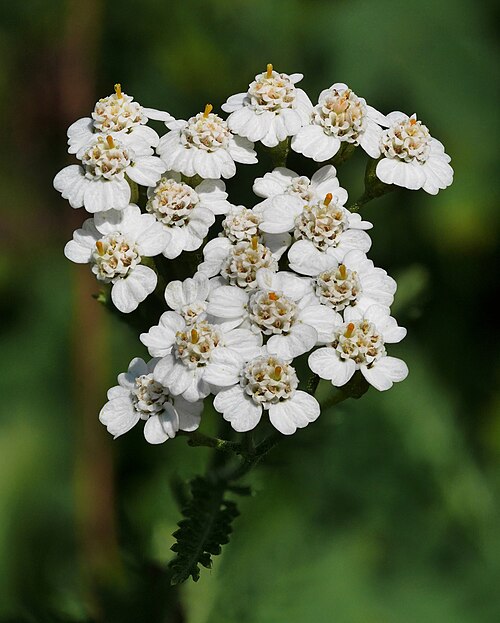
Yarrow (Achillea millefolium): This tough perennial boasts feathery foliage and flat-topped clusters of flowers in shades of white, yellow, pink, and red. It's incredibly drought-tolerant once established and a magnet for beneficial insects. Yarrow
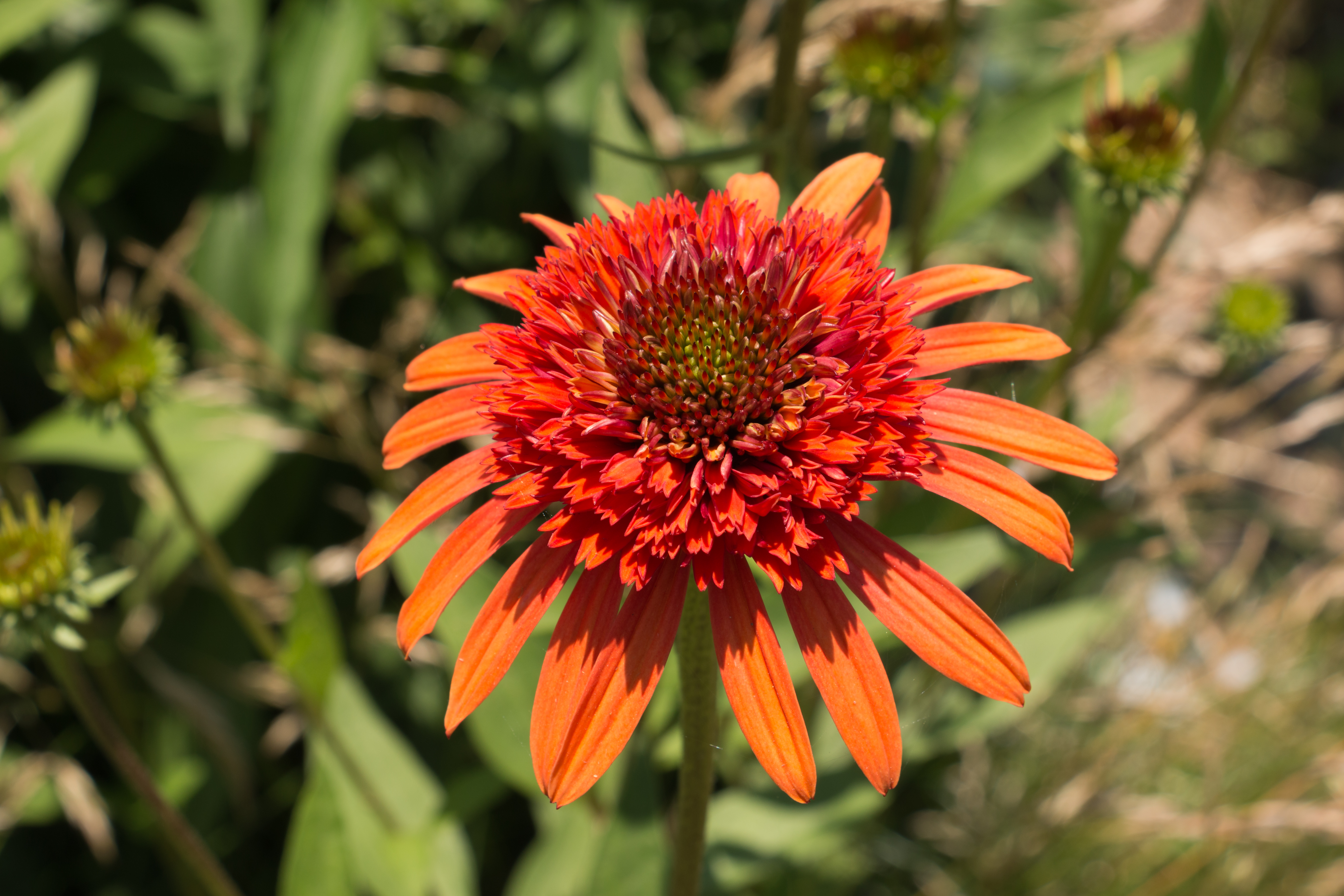
Coneflower (Echinacea purpurea): A quintessential prairie plant, coneflowers are known for their daisy-like petals surrounding a prominent central cone. They are exceptionally hardy, drought-tolerant, and a favorite of butterflies and bees. Coneflower
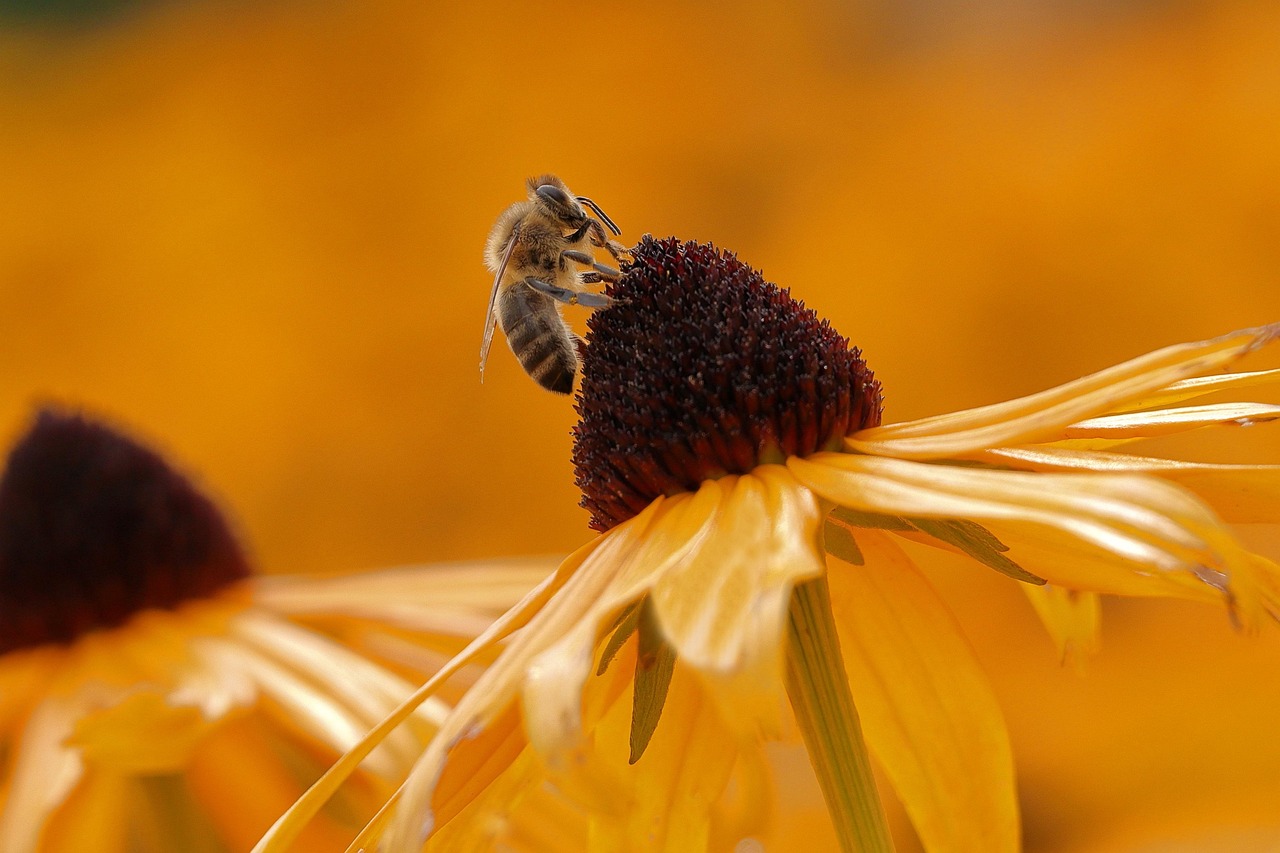
Black-Eyed Susan (Rudbeckia hirta): With its cheerful yellow petals and dark brown center, the Black-Eyed Susan is a classic choice for sunny, dry spots. It blooms profusely throughout the summer and is a great pollinator plant. Black-eyed Susan
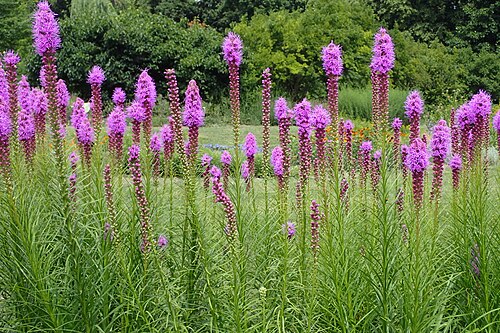
Blazing Star (Liatris spicata): Also known as Gayfeather, Blazing Star produces tall, spiky purple flower stalks that bloom from the top down. It adds a unique vertical element to the garden and is a favorite of monarch butterflies. Blazing Star
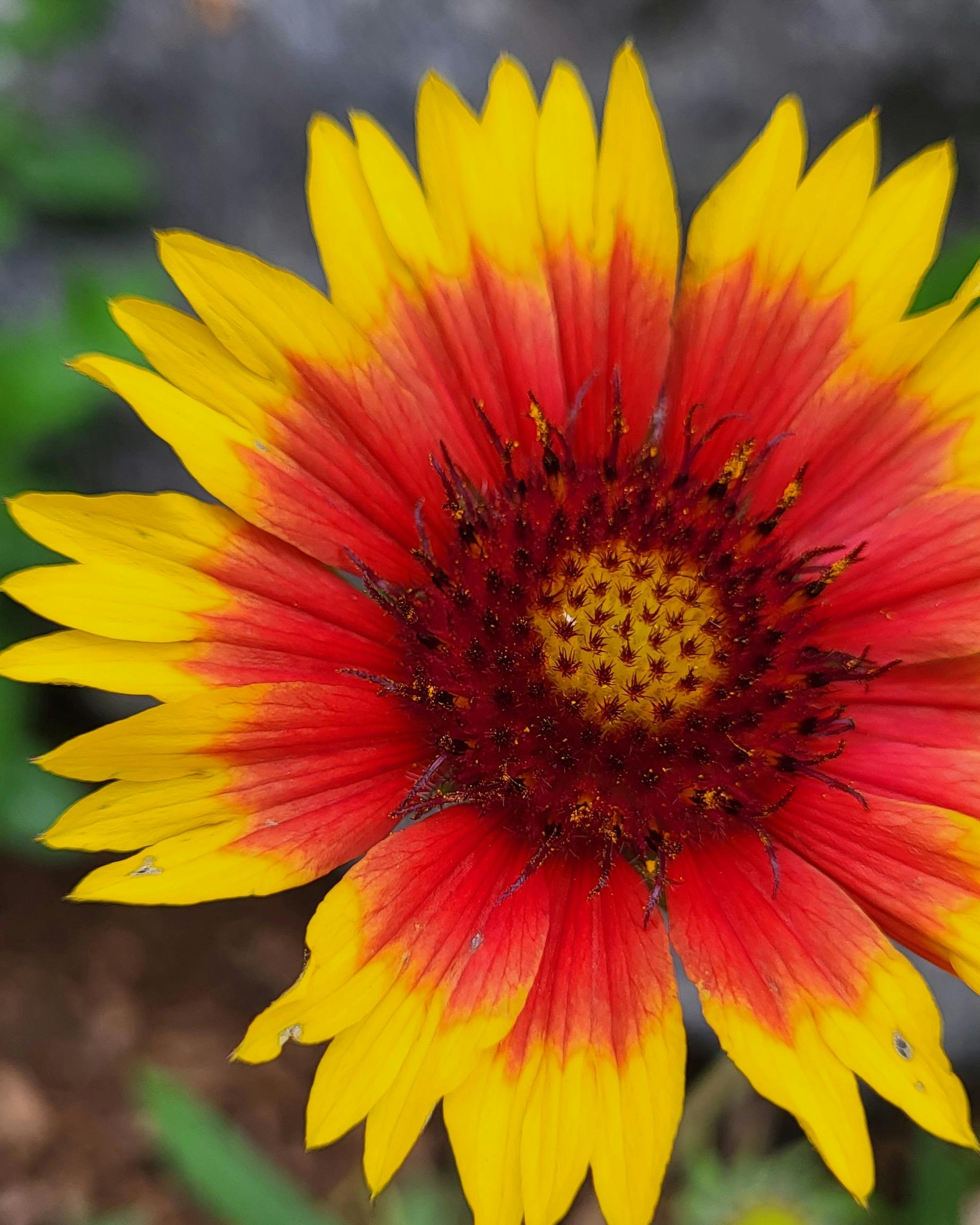
Blanket Flower (Gaillardia aristata): This vibrant perennial offers daisy-like flowers with fiery red and yellow hues. It's incredibly tough, blooms for a long season, and tolerates poor, dry soils with ease. Blanket Flower
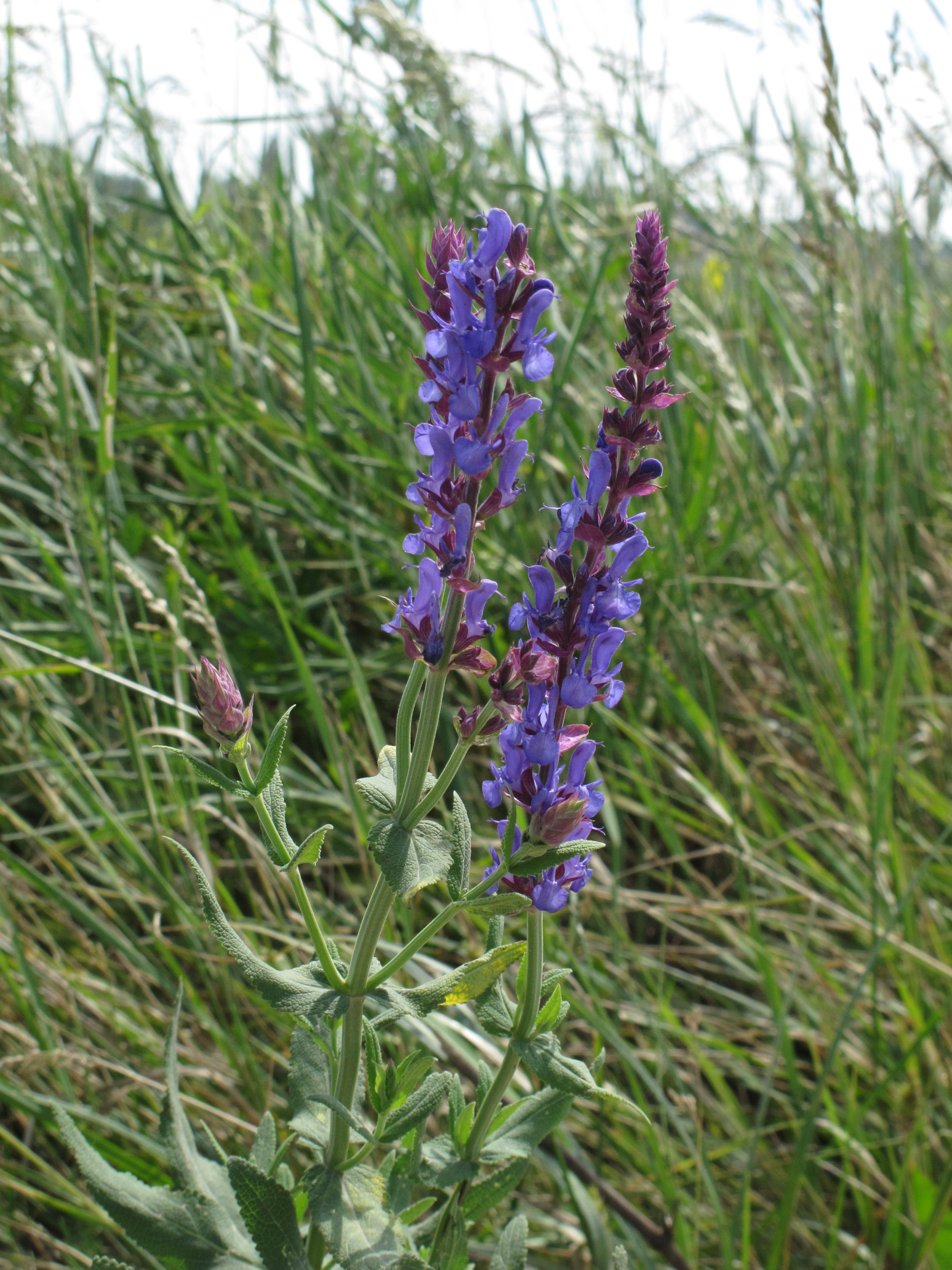
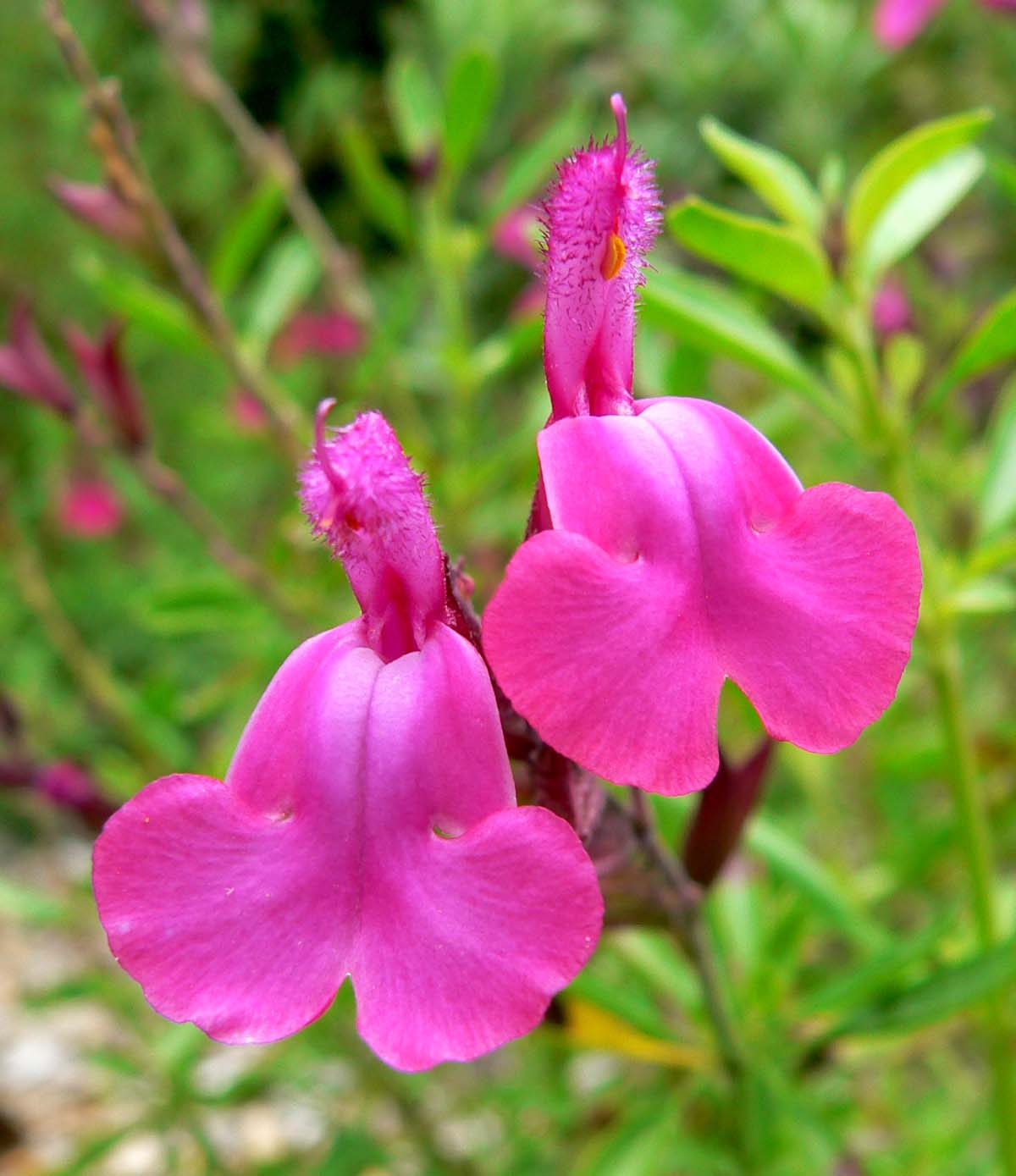
Salvia (Salvia spp.): Many native salvias, such as Mealycup Sage (Salvia farinacea) or Autumn Sage (Salvia greggii), are excellent choices for dry, sunny conditions. They offer beautiful spires of blue, purple, pink, or red flowers and are highly attractive to hummingbirds and butterflies. Salvia
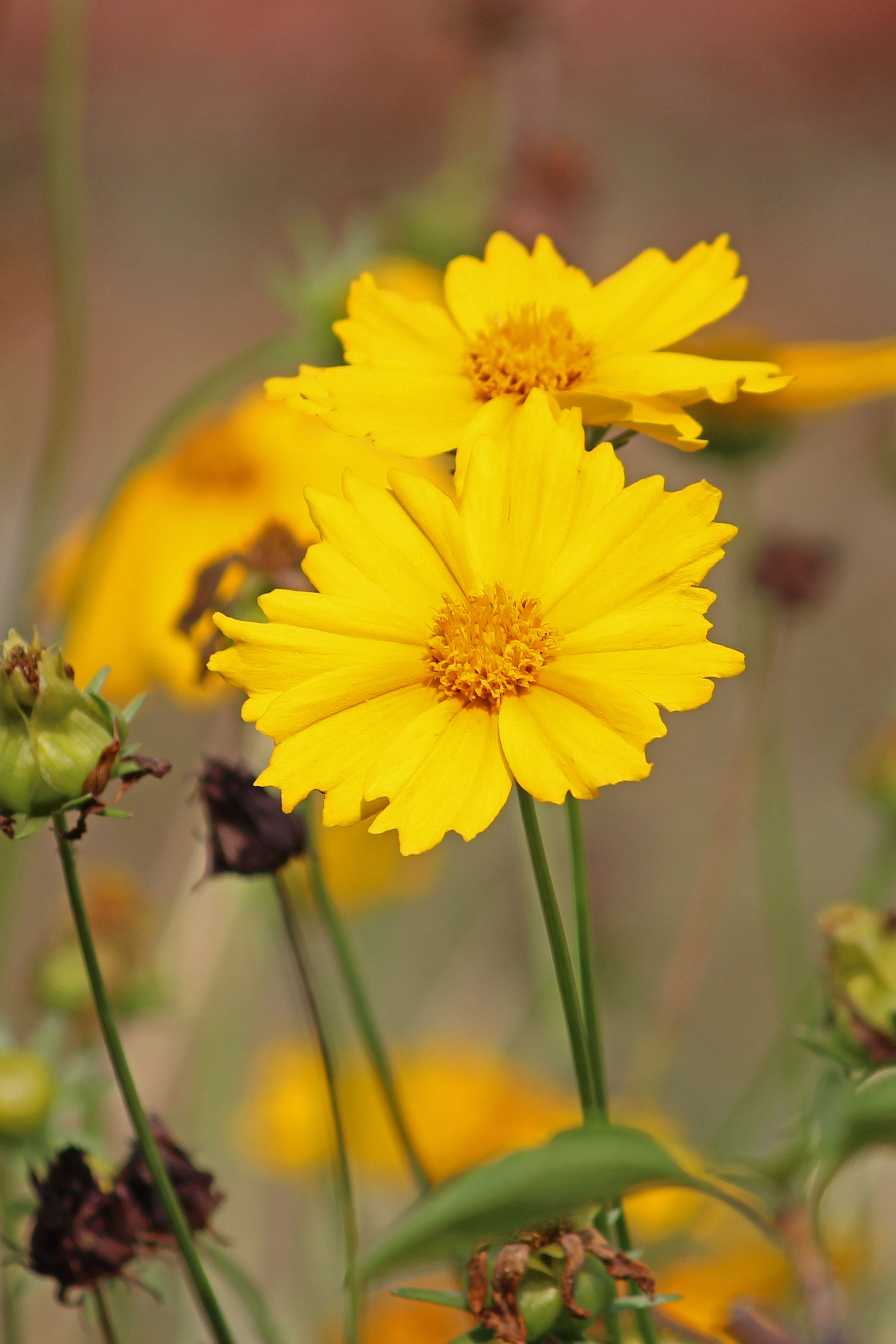
Coreopsis (Coreopsis lanceolata): Also known as Tickseed, coreopsis produces abundant yellow, daisy-like flowers. It's very adaptable, drought-tolerant, and provides continuous color throughout the summer. Coreopsis
While these plants are excellent choices, remember that "no plant is truly deer-proof." However, many native plants, especially those with aromatic foliage or rough textures, are often less appealing to deer than their non-native counterparts.
Quick Reference: Native Plants for Dry, Sunny Conditions
| Plant Name | Flower Color | Bloom Time | Height (Avg.) | Wildlife Attracted |
|---|---|---|---|---|
| Yarrow | White, Yellow, Pink | Summer | 2-3 ft | Bees, Butterflies |
| Coneflower | Purple, Pink, White | Summer | 2-4 ft | Bees, Butterflies |
| Black-Eyed Susan | Yellow with dark center | Summer-Fall | 1-3 ft | Bees, Butterflies |
| Blazing Star | Purple | Summer | 2-5 ft | Butterflies, Bees |
| Blanket Flower | Red, Yellow | Summer-Fall | 1-2 ft | Bees, Butterflies |
| Salvia | Blue, Purple, Pink, Red | Spring-Fall | 1-4 ft | Hummingbirds, Butterflies |
| Coreopsis | Yellow | Summer | 1-2 ft | Bees, Butterflies |
How Do I Establish and Care for Native Plants in Dry Conditions?
Even though native plants are tough, proper establishment is key to their long-term success in dry, sunny conditions.
- Soil Preparation: While native plants tolerate poor soils, improving drainage is often beneficial. If your soil is heavy clay, consider amending it with some organic matter like compost, but avoid over-enriching it, as natives often prefer leaner conditions.
- Planting Time: The best time to plant is typically in the fall or early spring. This allows plants to establish their root systems before the intense heat and dryness of summer.
- Initial Watering: During the first growing season, consistent watering is crucial. Even drought-tolerant plants need regular moisture to develop a strong root system. Water deeply but infrequently, encouraging roots to grow downwards in search of water.
- Mulching: Apply a 2-3 inch layer of organic mulch around your plants. Mulch helps retain soil moisture, suppresses weeds, and moderates soil temperature, all of which are vital in dry, sunny environments.
- Ongoing Care: Once established (usually after one to two growing seasons), most native plants in appropriate conditions will require minimal supplemental watering, perhaps only during extended droughts. Avoid excessive fertilization, as this can lead to leggy growth and reduce drought tolerance. Prune as needed to maintain shape or remove spent blooms.
By following these simple steps, you can create a resilient and beautiful native plant garden that thrives even in the toughest dry, sunny conditions.
Ready to find the perfect plants for your yard? Try the PlantWise Plant Finder →