Best Native Plants for Rain Gardens
Rain gardens are a beautiful and effective way to manage stormwater runoff, reduce pollution, and create vital habitat for local wildlife. The best native plants for rain gardens are those that can tolerate both periods of inundation and dry spells, thriving in the unique conditions of these specialized landscape features. These resilient plants not only adapt well to fluctuating moisture levels but also provide ecological benefits, supporting pollinators and other beneficial insects. By choosing native species, you ensure your rain garden is low-maintenance, environmentally friendly, and perfectly suited to your local climate.
What is a Rain Garden and Why Use Native Plants?
A rain garden is a shallow depression designed to capture and absorb stormwater runoff from impervious surfaces like roofs, driveways, and sidewalks. Instead of water rushing into storm drains and carrying pollutants into local waterways, a rain garden allows it to slowly filter into the ground, replenishing groundwater and reducing erosion. This process helps to improve water quality and reduce the burden on municipal storm sewer systems.
Native plants are the ideal choice for rain gardens because they are naturally adapted to the local climate and soil conditions. This means they require less water, fertilizer, and pesticides once established compared to non-native species. Their deep root systems are particularly beneficial in rain gardens, as they help to absorb excess water, improve soil structure, and increase the soil's capacity to infiltrate water. Furthermore, native plants provide essential food and shelter for local wildlife, including birds, butterflies, and beneficial insects, contributing to a healthier ecosystem.
🌱 Get Personalized Plant Picks
Answer a few quick questions and we’ll match plants to your exact yard conditions.
Find My Plants →What Are the Key Characteristics of Good Rain Garden Plants?
When selecting plants for a rain garden, it's crucial to consider their ability to withstand fluctuating moisture levels. The plants in the center, deepest part of the rain garden will experience the most frequent and prolonged periods of saturation, while those on the edges will be drier. Therefore, a good rain garden plant should possess several key characteristics:
- Tolerance to "Wet Feet": The ability to survive and thrive in saturated, even temporarily flooded, soil conditions. This is essential for the plants in the basin of the rain garden.
- Drought Tolerance: Equally important is the ability to endure drier periods, as rain gardens are designed to drain within 24-48 hours after a rain event, and can become quite dry during extended hot spells.
- Deep Root Systems: These help with water absorption, soil stability, and breaking up compacted soil, enhancing the garden's infiltration capacity.
- Low Maintenance: Native plants generally require less care once established, fitting well with the ecological goals of a rain garden.
- Wildlife Value: Plants that provide nectar, pollen, seeds, or shelter for local fauna enhance the ecological benefits of the rain garden.
Which Native Plants Thrive in Rain Gardens?
Many beautiful and resilient native plants are perfectly suited for the unique conditions of a rain garden. Here are some excellent choices, categorized by the moisture zone they prefer, though many are adaptable to a range of conditions.
Zone 1: Wettest Zone (Bottom of the Basin)
These plants can tolerate frequent and prolonged saturation.
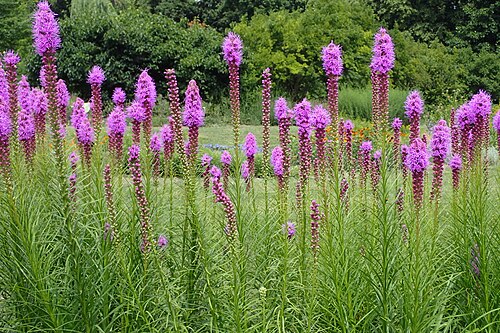
- Blazing Star (Liatris spicata): Known for its tall, purple, bottlebrush-like flowers, Blazing Star is a pollinator magnet. It thrives in moist to wet soils and adds striking vertical interest. Blazing Star
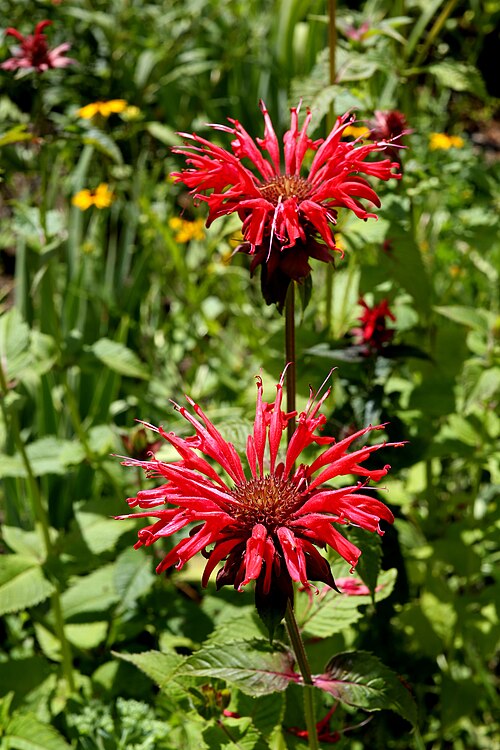
- Bee Balm (Monarda fistulosa): This vibrant native attracts hummingbirds and butterflies with its unique, shaggy flowers. It prefers moist to wet conditions and can help stabilize soil. Bee Balm
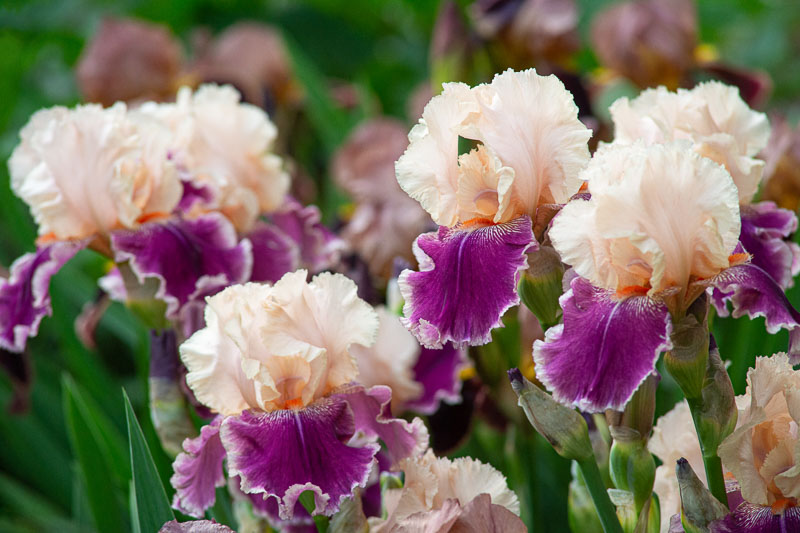
- Blue Flag Iris (Iris versicolor): A stunning wetland plant with beautiful blue-purple flowers, it's perfect for the wettest areas and provides excellent habitat.
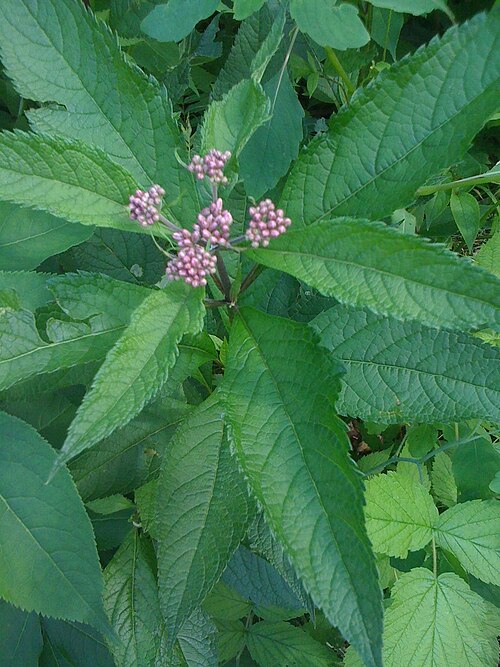
- Joe Pye Weed (Eutrochium purpureum): A tall, stately plant with large clusters of dusty rose-purple flowers, it's a favorite of butterflies and can handle very moist conditions.
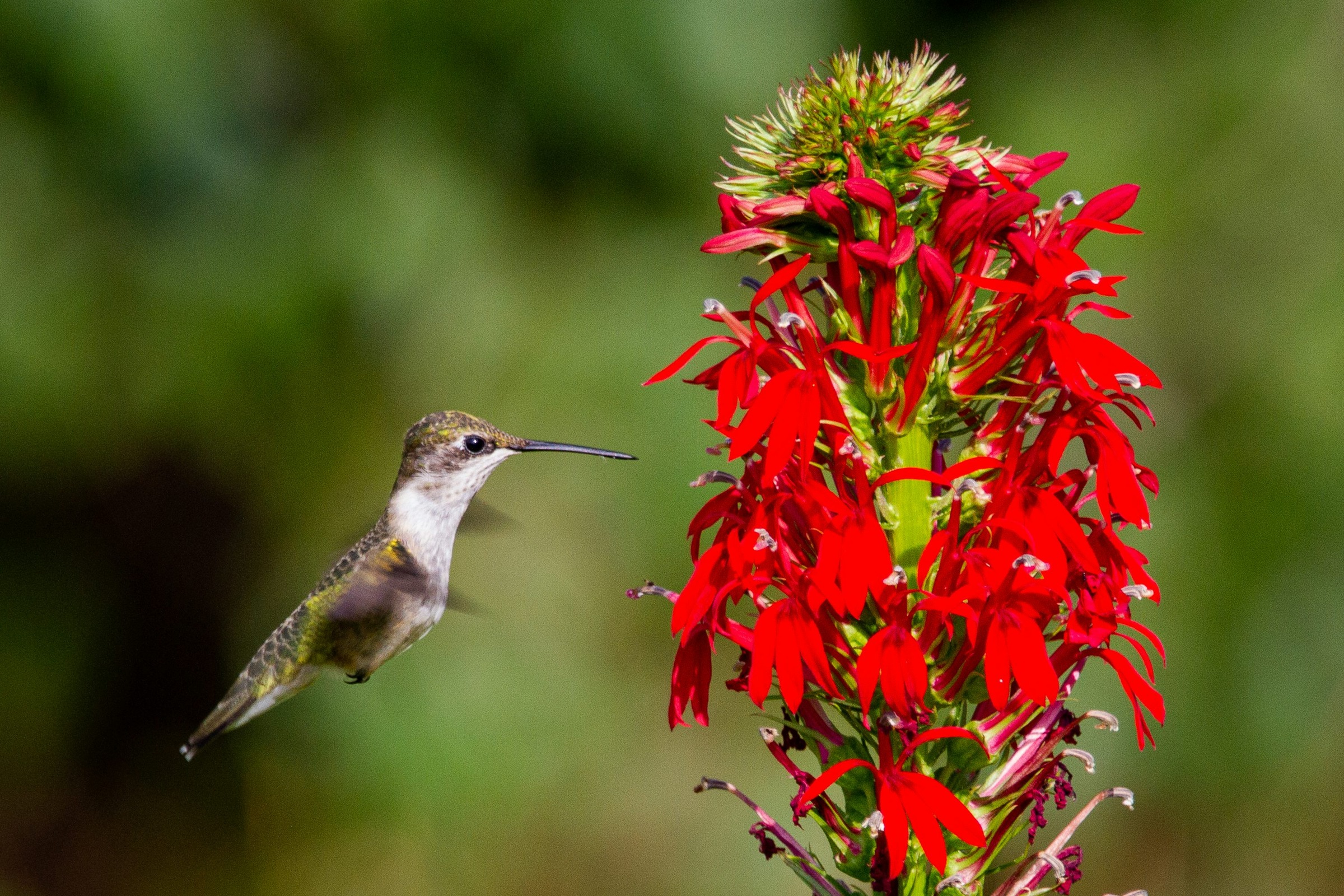
- Cardinal Flower (Lobelia cardinalis): With its brilliant red spikes, this plant is a hummingbird magnet and thrives in consistently moist to wet soil.
Zone 2: Transitional Zone (Slopes and Middle)
These plants prefer consistently moist but well-drained soil and can handle occasional inundation.
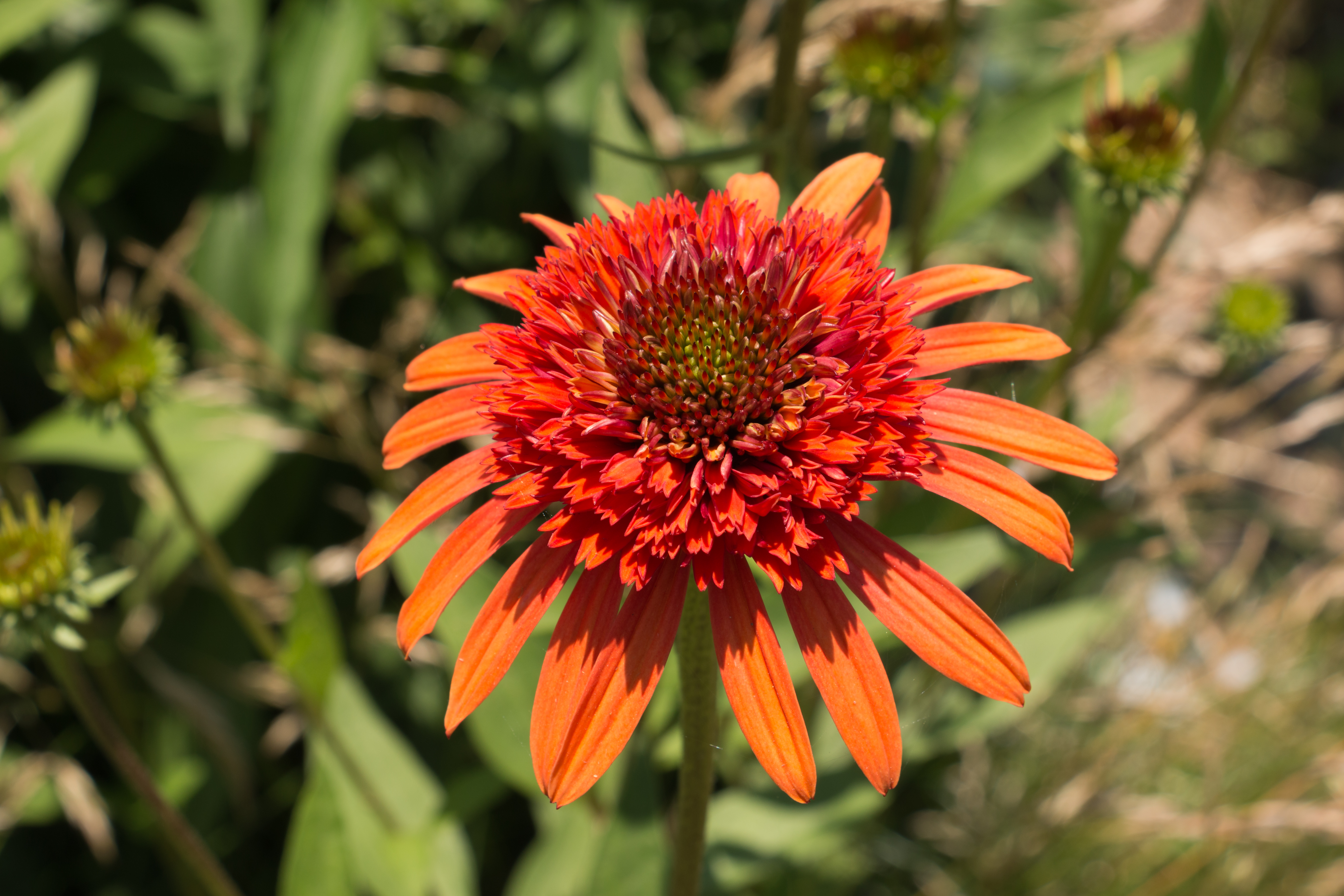
- Coneflower (Echinacea purpurea): A classic prairie plant, Coneflower is adaptable to various conditions, including the moist-to-dry fluctuations of a rain garden. Its purple petals and prominent cones attract bees and butterflies. Coneflower
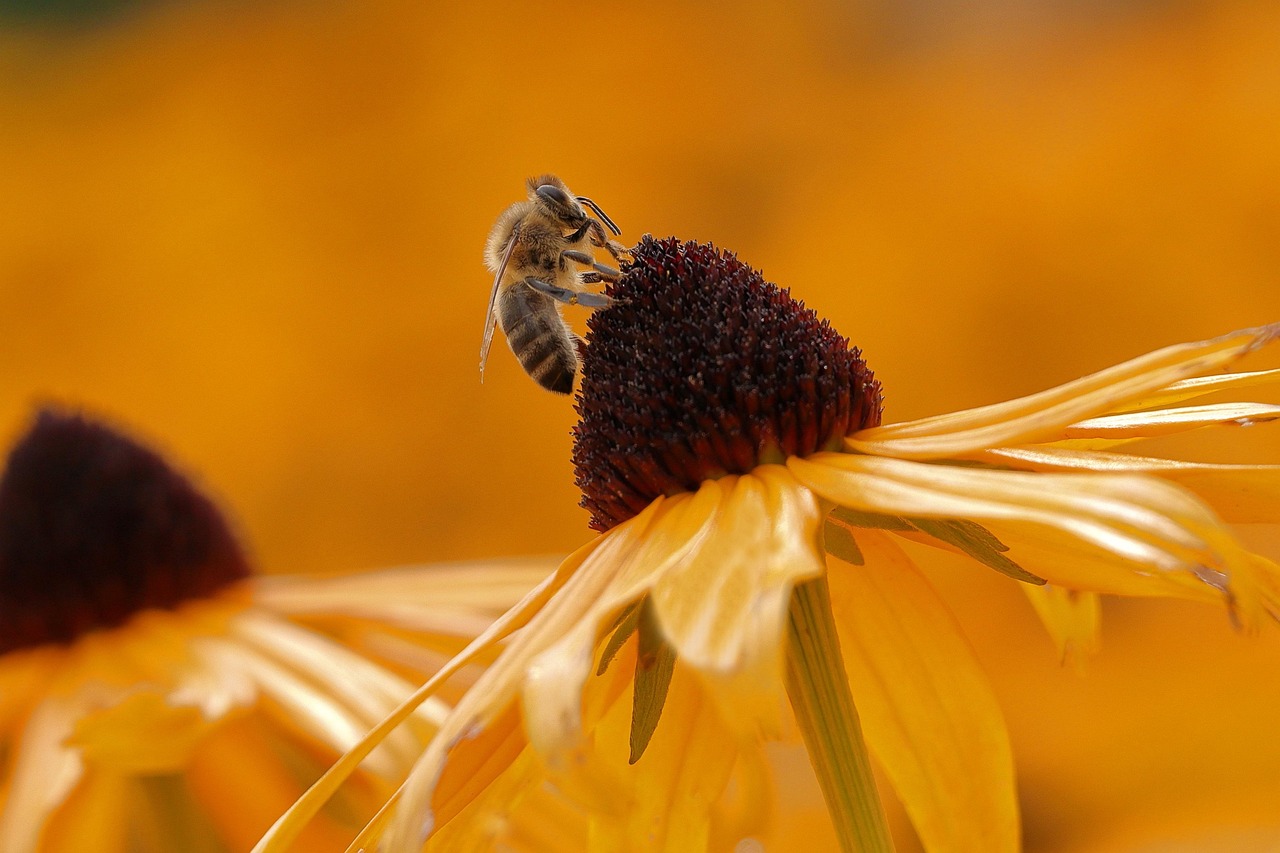
- Black-Eyed Susan (Rudbeckia hirta): Cheerful and resilient, Black-Eyed Susans tolerate a range of moisture levels and provide long-lasting blooms. Black-eyed Susan
- Switchgrass (Panicum virgatum): A beautiful native grass that offers year-round interest and provides excellent cover for wildlife. Its deep roots are fantastic for infiltration.
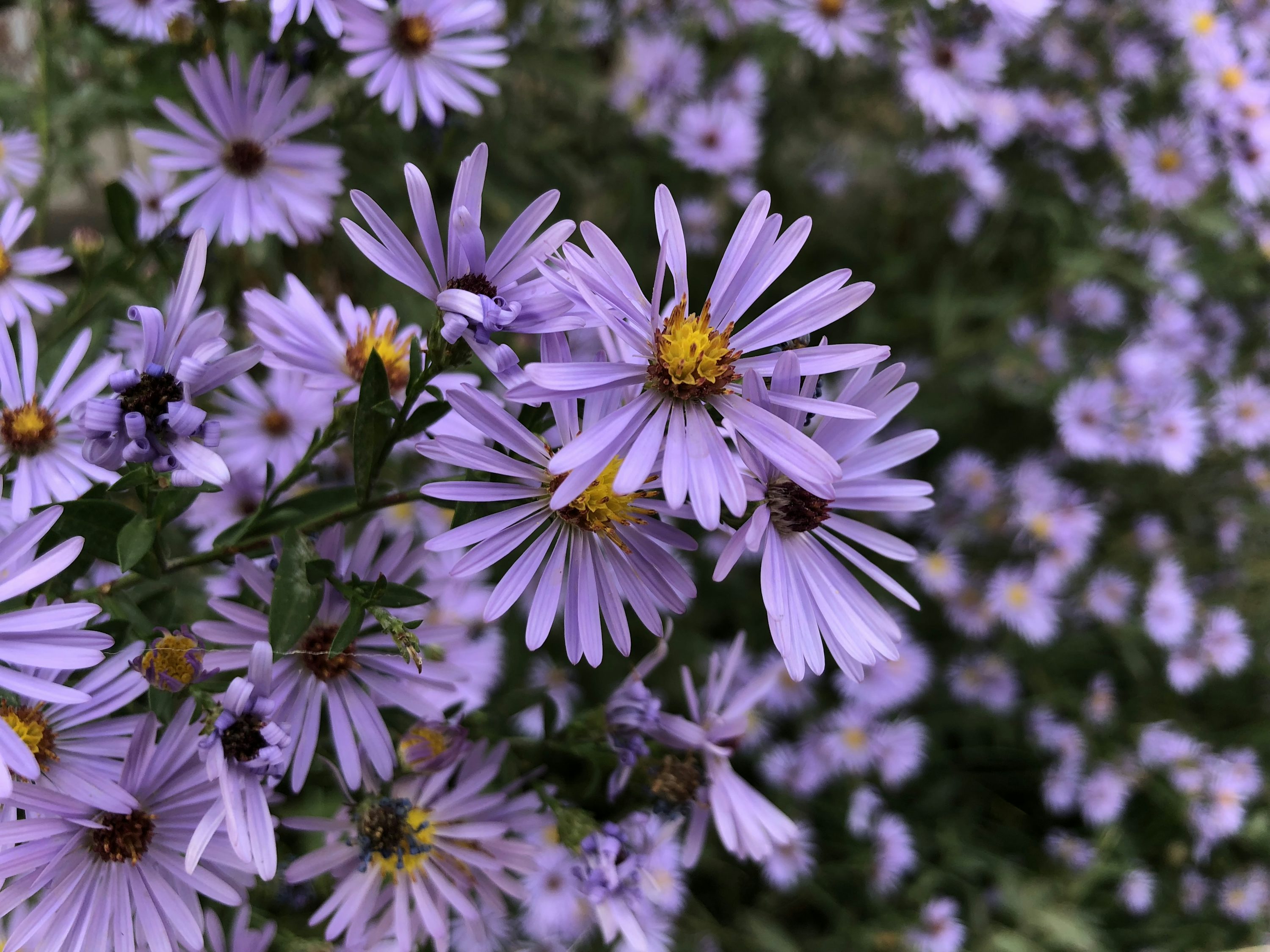
- New England Aster (Symphyotrichum novae-angliae): Offering late-season color, this aster is a vital nectar source for migrating monarchs and other pollinators. It prefers moist, well-drained soil.
- Goldenrod (Solidago spp.): Often unfairly blamed for allergies, native goldenrods are crucial late-season nectar sources and are very adaptable to rain garden conditions.
Zone 3: Drier Zone (Edges and Berms)
These plants can tolerate drier conditions but still benefit from the occasional moisture.
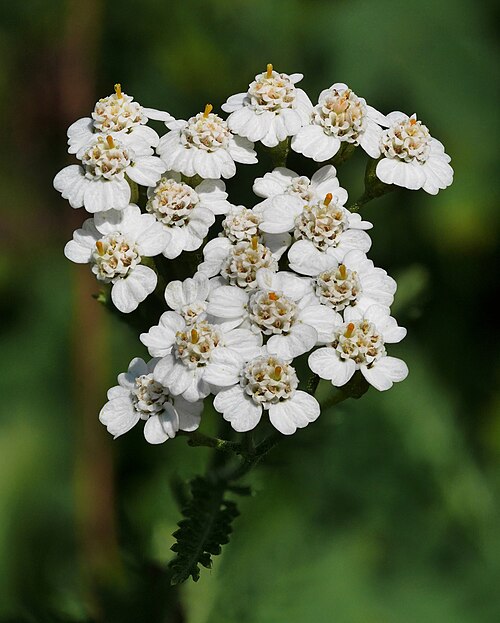
- Yarrow (Achillea millefolium): Known for its feathery foliage and flat-topped flower clusters, Yarrow is incredibly drought-tolerant once established and can handle the drier edges of a rain garden. Yarrow
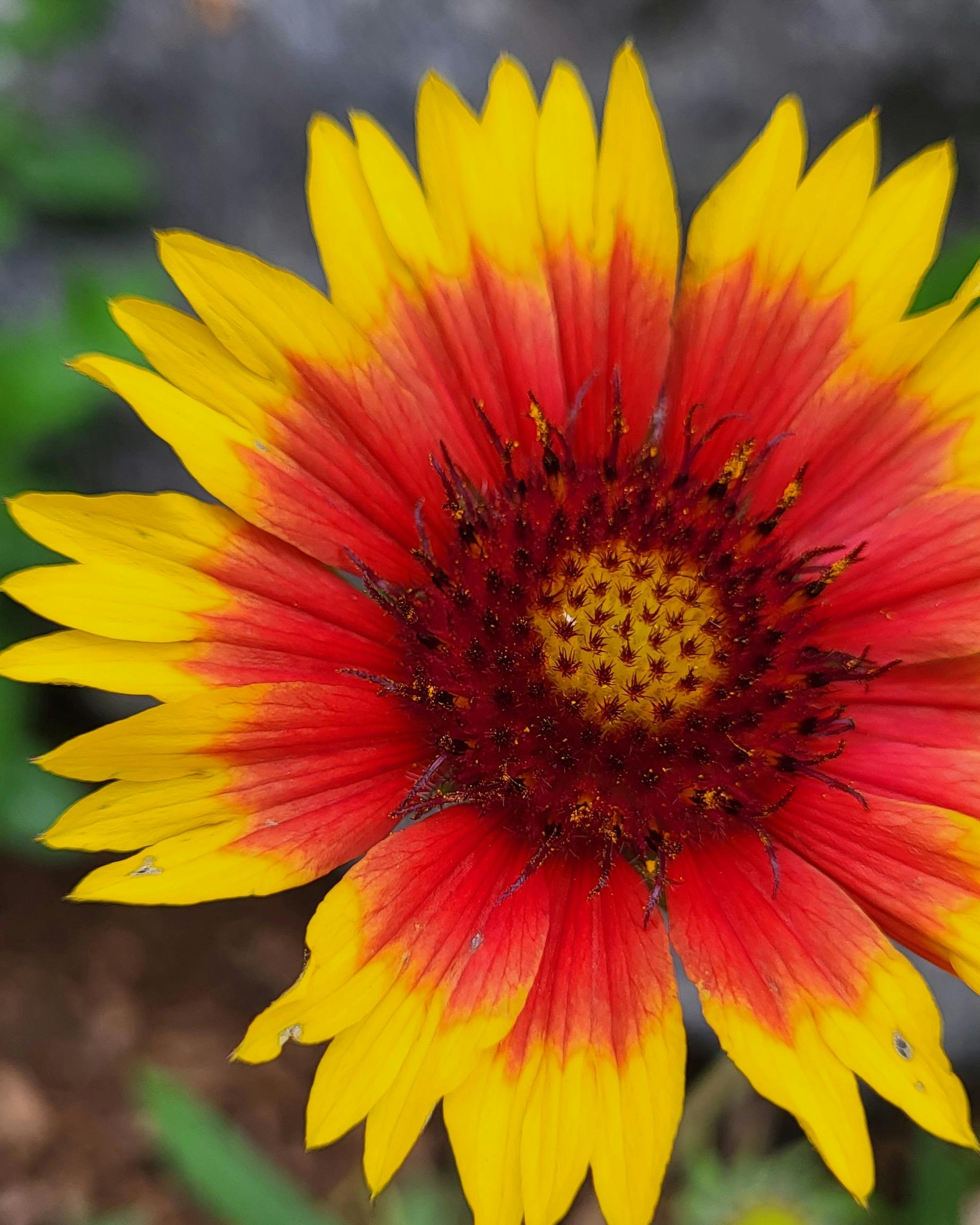
- Blanket Flower (Gaillardia aristata): With its vibrant red and yellow daisy-like flowers, Blanket Flower thrives in full sun and well-drained soil, making it suitable for the drier perimeter. Blanket Flower
- Wild Geranium (Geranium maculatum): A lovely woodland edge plant that can adapt to the drier, shadier edges of a rain garden, offering delicate purple flowers in spring.
- Little Bluestem (Schizachyrium scoparium): Another excellent native grass, Little Bluestem is very drought-tolerant and provides beautiful seasonal color and structure.
Quick Reference: Native Plants for Rain Gardens
| Plant Name | Moisture Preference | Sun Preference | Attracts | Notes |
|---|---|---|---|---|
| Blazing Star | Wet to Moist | Full Sun | Butterflies, Bees | Striking vertical accent |
| Bee Balm | Wet to Moist | Full Sun | Hummingbirds, Bees | Aromatic foliage |
| Blue Flag Iris | Wet | Full Sun | Butterflies | Classic wetland beauty |
| Joe Pye Weed | Wet to Moist | Full Sun | Butterflies | Tall, stately, late season blooms |
| Cardinal Flower | Wet | Part Sun | Hummingbirds | Brilliant red flowers |
| Coneflower | Moist to Dry | Full Sun | Butterflies, Bees | Adaptable, long blooming |
| Black-Eyed Susan | Moist to Dry | Full Sun | Butterflies, Bees | Cheerful, reliable blooms |
| Switchgrass | Moist to Dry | Full Sun | Wildlife | Excellent soil stabilizer, year-round interest |
| New England Aster | Moist | Full Sun | Butterflies | Late season nectar source |
| Goldenrod | Moist to Dry | Full Sun | Butterflies, Bees | Crucial fall bloomer |
| Yarrow | Dry | Full Sun | Butterflies, Bees | Drought-tolerant, feathery foliage |
| Blanket Flower | Dry | Full Sun | Butterflies | Vibrant, long-lasting color |
| Wild Geranium | Moist to Dry | Part Shade | Bees | Delicate spring blooms |
| Little Bluestem | Dry | Full Sun | Wildlife | Drought-tolerant native grass |
How Do I Design and Maintain a Native Rain Garden?
Designing a rain garden involves more than just selecting plants; proper site preparation and ongoing care are crucial for its success.
- Site Selection: Choose a location that is at least 10 feet away from your home's foundation and down-slope from the area you want to drain. Ensure it's not over a septic system or utility lines.
- Size and Depth: The size depends on the area you're draining and your soil type. A general rule of thumb is to make it 5-10% of the impervious surface area it's collecting from. The depth is typically 4-8 inches.
- Soil Preparation: Dig out the basin, then amend the soil with compost and sand to improve drainage and water infiltration. A well-draining soil mix is key.
- Planting: Arrange plants according to their moisture preferences, with the most water-loving species in the deepest part of the basin and drought-tolerant plants on the edges.
- Mulching: Apply a 2-3 inch layer of shredded hardwood mulch or pine straw. This helps suppress weeds, retain moisture, and prevent erosion during heavy rains. Avoid light mulches that can float away.
- Initial Watering: Water newly planted rain gardens regularly for the first growing season to help plants establish.
- Ongoing Maintenance: Once established, native rain gardens are relatively low-maintenance. You'll primarily need to weed occasionally, especially in the first few years, and perhaps cut back spent foliage in late winter or early spring. Monitor for sediment buildup and clear any blockages to ensure proper water flow.
By incorporating these resilient and ecologically beneficial native plants, your rain garden will not only manage stormwater effectively but also become a vibrant, thriving ecosystem that enhances the beauty and biodiversity of your landscape.
Ready to find the perfect plants for your yard? Try the PlantWise Plant Finder →