Why Native Plants Matter: The Complete Guide
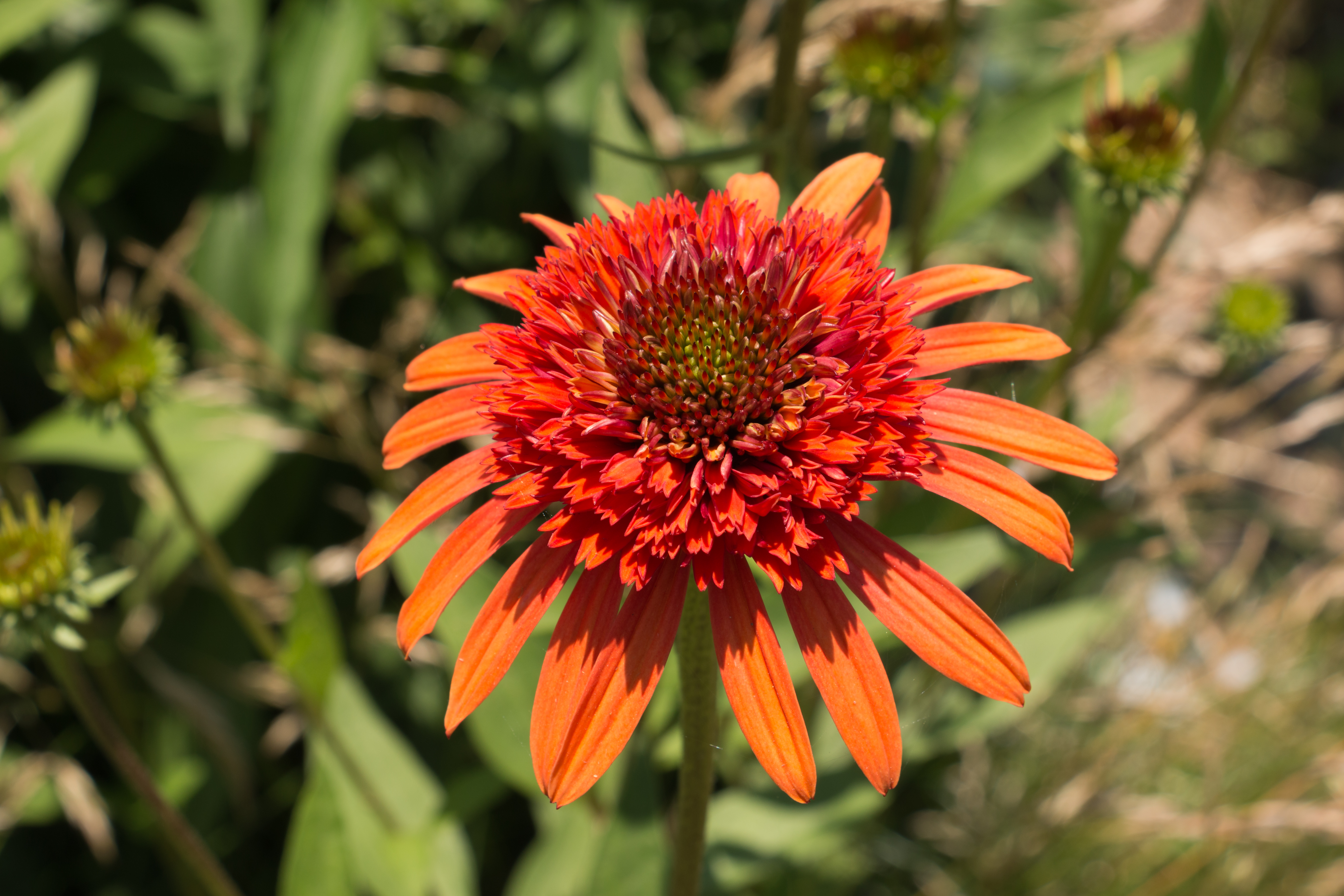
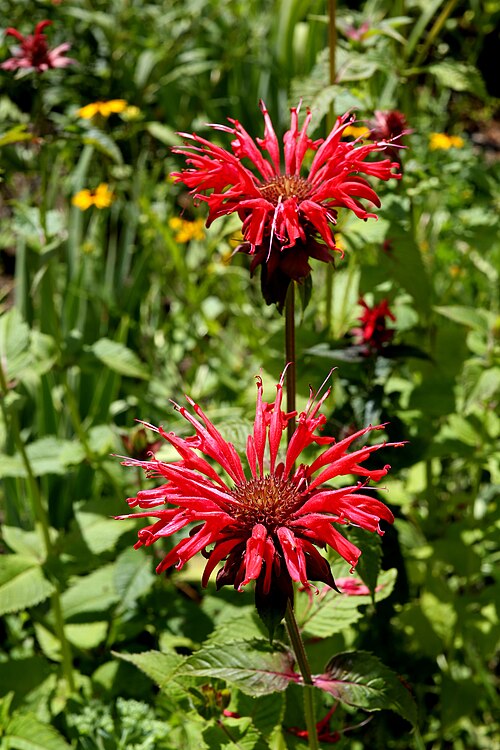
Native plants are the cornerstone of a healthy, thriving ecosystem, playing an indispensable role in supporting local wildlife, conserving water, and building resilient landscapes. They are adapted to the specific climate, soil, and environmental conditions of a region, meaning they require less intervention to flourish. By choosing native plants, you’re not just beautifying your garden; you’re actively contributing to biodiversity, providing essential food and shelter for pollinators and other creatures, and fostering a more sustainable environment.
What Exactly Are Native Plants?
Native plants are species that have evolved over thousands of years in a particular region, forming complex relationships with the local environment, including soil, climate, and wildlife. These plants have adapted to the specific rainfall patterns, temperature fluctuations, and pest pressures of their native habitat, making them exceptionally well-suited to thrive without extensive human intervention. They are the original inhabitants of the landscape, providing the ecological foundation upon which local ecosystems are built.
In contrast, non-native or exotic plants are species introduced from other regions. While some non-natives can be benign or even beneficial, others can become invasive, outcompeting native species, disrupting food webs, and reducing biodiversity. Understanding this distinction is crucial for creating a truly supportive and sustainable garden.
🌱 Get Personalized Plant Picks
Answer a few quick questions and we’ll match plants to your exact yard conditions.
Find My Plants →Why Should I Plant Native Plants in My Garden?
Planting native plants offers a multitude of benefits that extend far beyond aesthetics, impacting the health of your garden, local wildlife, and the broader environment.
Supporting Local Wildlife
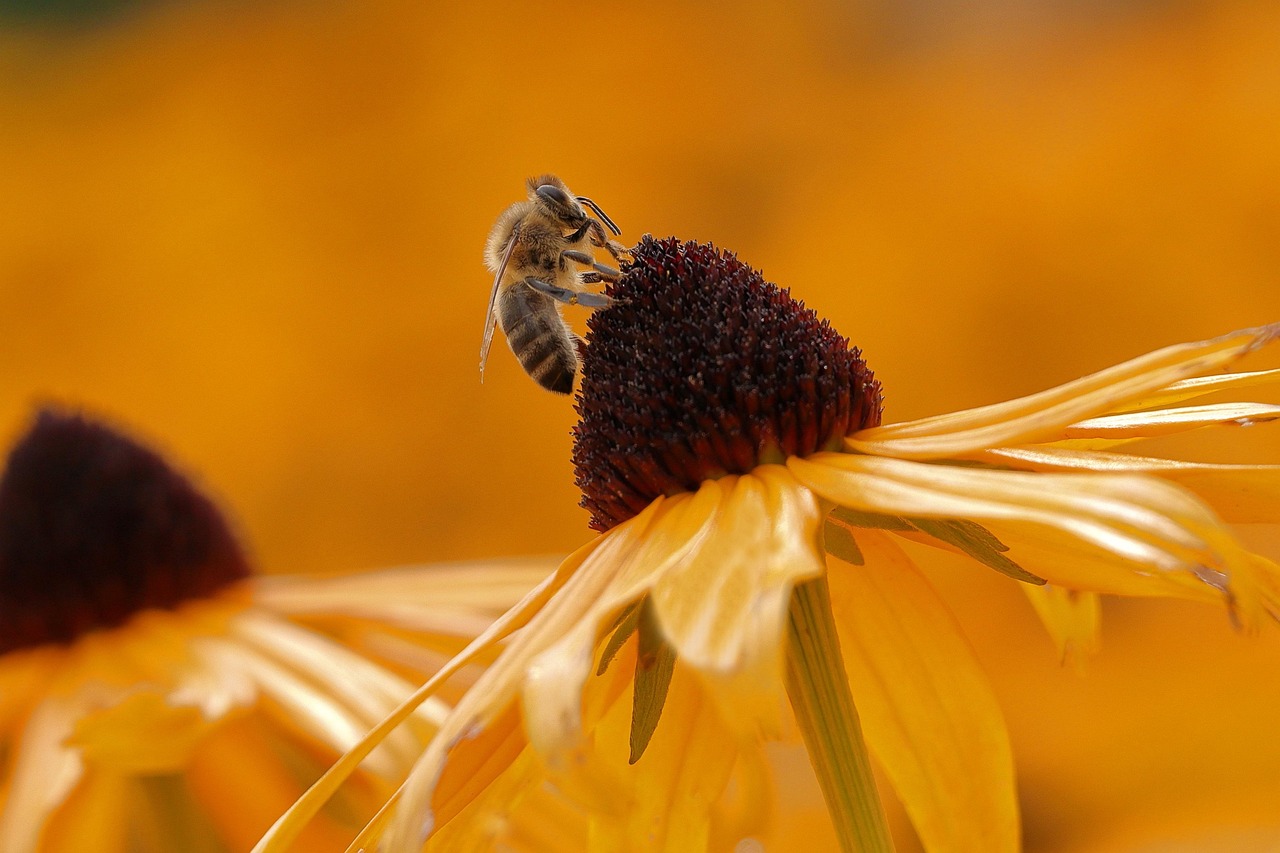
This is perhaps the most critical reason to choose native plants. Native plants provide essential food, shelter, and nesting sites for local wildlife, including pollinators like bees and butterflies, birds, and small mammals. Their co-evolution with local insects means they are often the only food source for specific insect larvae, such as monarch caterpillars relying solely on milkweed. Without these native host plants, entire insect populations can decline, leading to a ripple effect throughout the food chain.
For example, many native bees specialize in foraging on particular native flowers. When these flowers are replaced by non-native alternatives, these specialized bees struggle to find adequate nutrition. Birds, in turn, rely on these insects to feed their young. A garden rich in native plants becomes a vibrant, living ecosystem, teeming with the life it was meant to support.
Water Conservation
Because native plants are adapted to the local climate, they typically require less water once established than non-native species. They are accustomed to the natural rainfall patterns of your region, making them excellent choices for xeriscaping and reducing your reliance on irrigation. This not only saves water but also lowers your utility bills and reduces the strain on local water resources.
Reduced Maintenance
Once established, native plants generally need less care than their non-native counterparts. They are naturally resistant to many local pests and diseases, reducing the need for chemical pesticides. They also rarely require fertilizers, as they are adapted to the nutrient levels in native soils. This translates to less time spent on watering, fertilizing, and pest control, giving you more time to enjoy your garden.
Soil Health and Erosion Control
The deep root systems of many native plants are excellent for improving soil structure, increasing water infiltration, and preventing erosion. These extensive root networks help to aerate the soil, add organic matter, and support beneficial soil microorganisms. This creates a healthier soil environment, which in turn supports stronger, more resilient plants.
Chemical-Free Gardening
With their inherent resistance to local pests and diseases, native plants often eliminate the need for synthetic pesticides and herbicides. This protects beneficial insects, pollinators, and other wildlife from harmful chemicals, contributing to a healthier environment for everyone, including your family and pets.
How Can I Incorporate Native Plants into My Landscape?
Integrating native plants into your garden doesn't require a complete overhaul. You can start small and expand as you learn.
- Research Your Region: Identify plants native to your specific ecoregion. Local nurseries specializing in native plants, university extension offices, and native plant societies are excellent resources.
- Start Small: Begin by replacing a few non-native plants with native alternatives, or dedicate a small section of your garden to a native plant bed.
- Consider Your Conditions: Match native plants to your garden's specific conditions - sun exposure, soil type, and moisture levels. Just because a plant is native doesn't mean it will thrive in every spot in your yard.
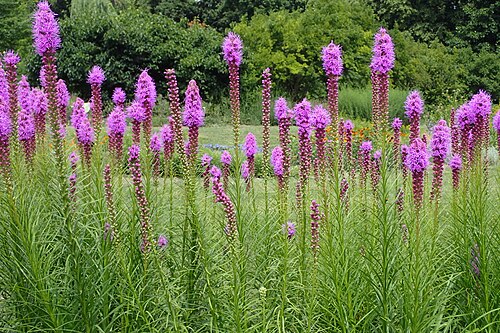
- Create Layers: Design your native garden with varying heights and textures, mimicking natural ecosystems. Include groundcovers, perennials, shrubs, and even small trees if space allows.
- Think Seasonally: Choose a variety of native plants that bloom at different times of the year to provide continuous food sources for pollinators and visual interest.
- Avoid Invasive Species: Be mindful of plants labeled as "native" that might actually be native to a different part of the country, or aggressive non-natives that could escape cultivation.
Quick Reference: Benefits of Native Plants
| Benefit | Description |
|---|---|
| Wildlife Support | Provides food (nectar, pollen, seeds, host plants), shelter, and nesting sites for local fauna. |
| Water Conservation | Adapted to local rainfall, requiring less supplemental irrigation once established. |
| Reduced Maintenance | Naturally resistant to local pests and diseases; less need for fertilizers, pesticides, and frequent care. |
| Soil Health | Deep root systems improve soil structure, prevent erosion, and support beneficial microbes. |
| Chemical-Free | Minimizes or eliminates the need for synthetic pesticides and herbicides, protecting ecosystems. |
| Biodiversity | Helps maintain local ecological balance and genetic diversity. |