Gardening in USDA Zone 4 presents unique challenges with its long, cold winters and shorter growing seasons, but it also offers incredible opportunities to create a thriving ecosystem right in your backyard. The best native plants for Zone 4 are those that have evolved to withstand these harsh conditions, providing essential food and shelter for local wildlife while requiring less maintenance from you. Key native plants that excel in Zone 4 and support a robust ecosystem include Bee Balm, Purple Coneflower, Black-eyed Susan, Yarrow, and Blazing Star, all of which attract pollinators and birds.
Why Choose Native Plants for Your Zone 4 Garden?
Native plants are the backbone of a healthy ecosystem. Unlike exotic species, native plants are perfectly adapted to your local climate, soil conditions, and rainfall patterns. This means they generally require less water, fertilizer, and pest control once established, making your gardening efforts more sustainable and rewarding. For Zone 4 gardeners, this adaptability is particularly crucial, as it ensures plants can survive the extreme cold and thrive during the shorter growing season.
Beyond their low-maintenance appeal, native plants are vital for supporting local wildlife. They provide critical food sources, such as nectar and pollen for pollinators like bees and butterflies, seeds and berries for birds, and host plants for insect larvae. By planting native species, you're not just beautifying your yard; you're creating a vital habitat that helps sustain biodiversity.
🌱 Get Personalized Plant Picks
Answer a few quick questions and we’ll match plants to your exact yard conditions.
Find My Plants →Which Native Perennials Thrive in Zone 4?
Zone 4 gardeners have a fantastic selection of native perennials that can withstand cold winters and flourish. These plants are often drought-tolerant once established and are excellent for attracting pollinators and other beneficial wildlife.
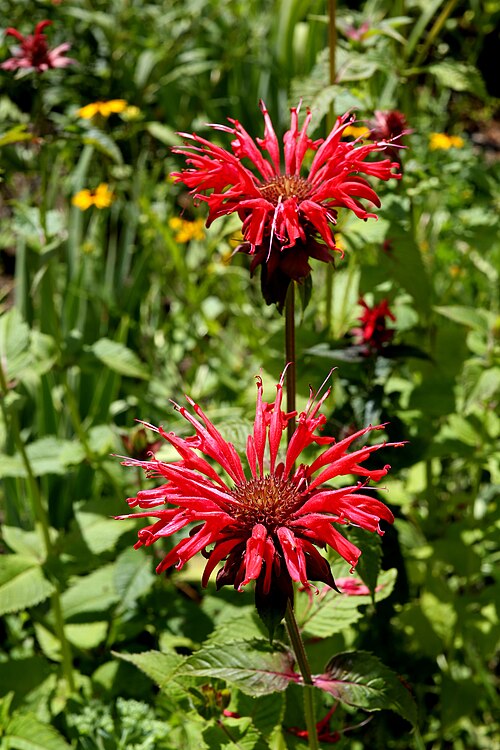
- Bee Balm (Monarda fistulosa): This vibrant perennial is a magnet for hummingbirds, bees, and butterflies with its unique, shaggy flowers. It's also known for its minty scent and long-lasting blooms.
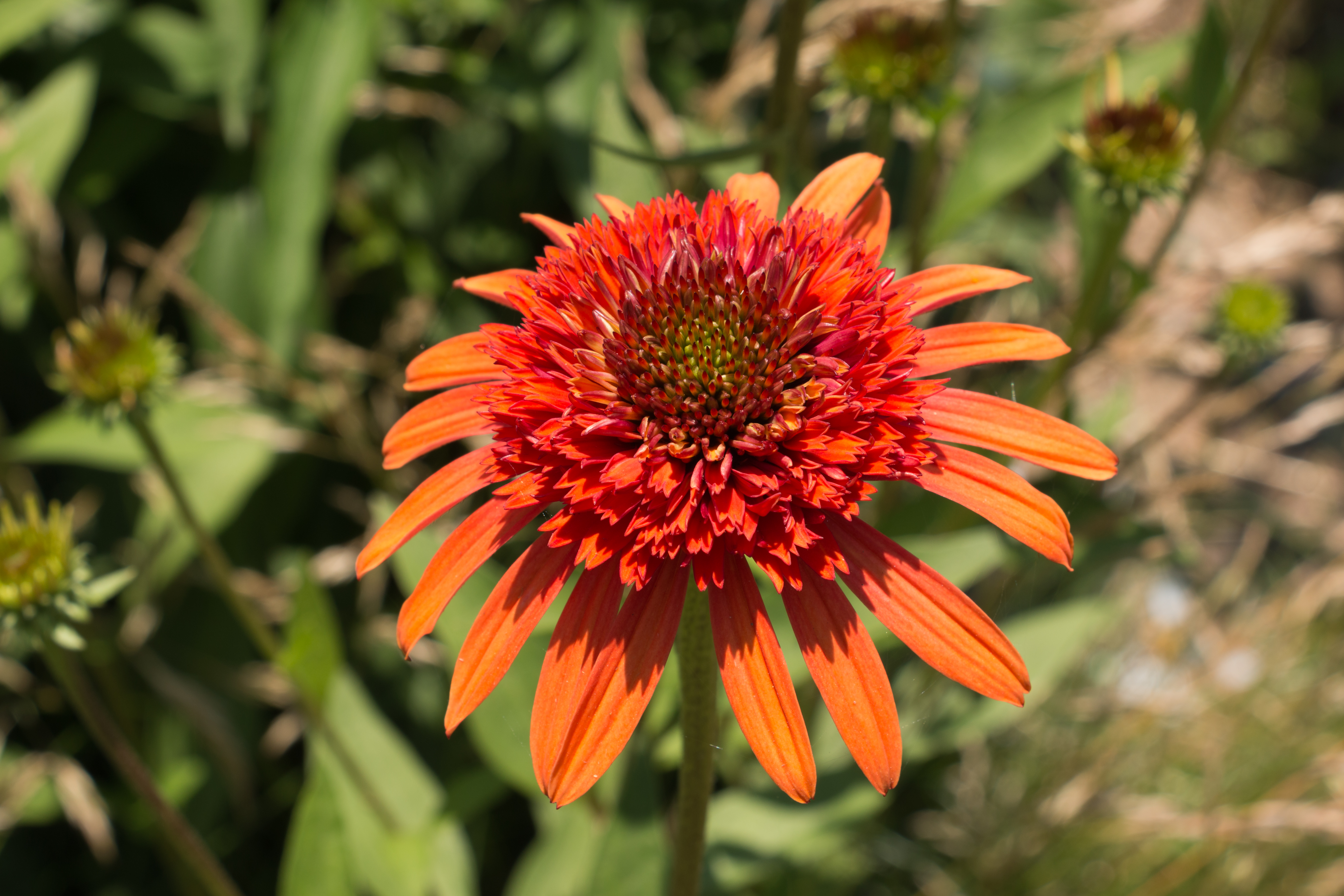
- Purple Coneflower (Echinacea purpurea): A garden classic, Purple Coneflower is resilient, reliable, and rich in nectar, making it a favorite for bees and butterflies. Its sturdy nature makes it a great choice for Zone 4.
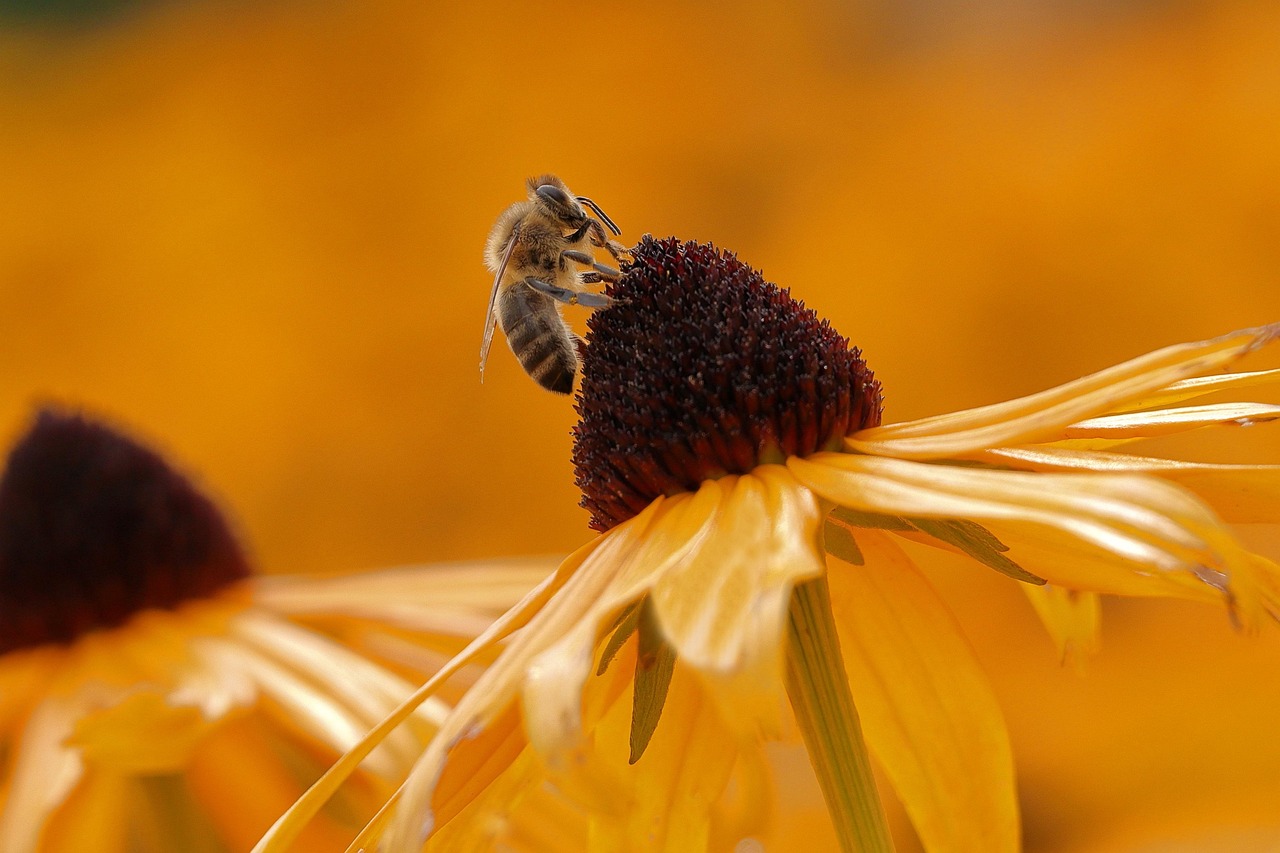
- Black-eyed Susan (Rudbeckia hirta): With its cheerful yellow petals and dark centers, Black-eyed Susan offers a long bloom season and is easy to grow. It's also deer-resistant and provides seeds for birds.
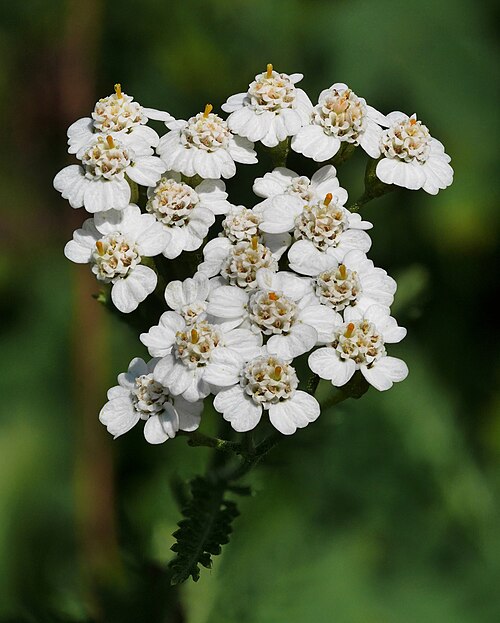
- Yarrow (Achillea millefolium): This virtually care-free herb features feathery foliage and flat-topped flower clusters that come in various colors. Yarrow is drought-tolerant, deer-resistant, and attracts pollinators.
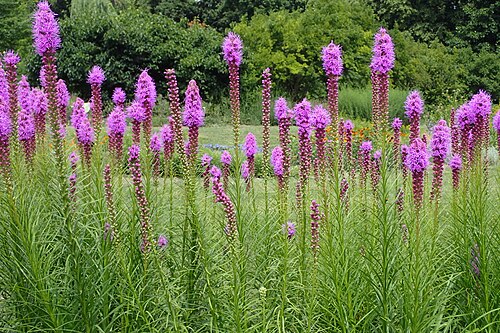
- Blazing Star (Liatris spicata): Known for its stunning vertical spikes of purple flowers, Blazing Star is a showstopper that attracts butterflies and other pollinators.
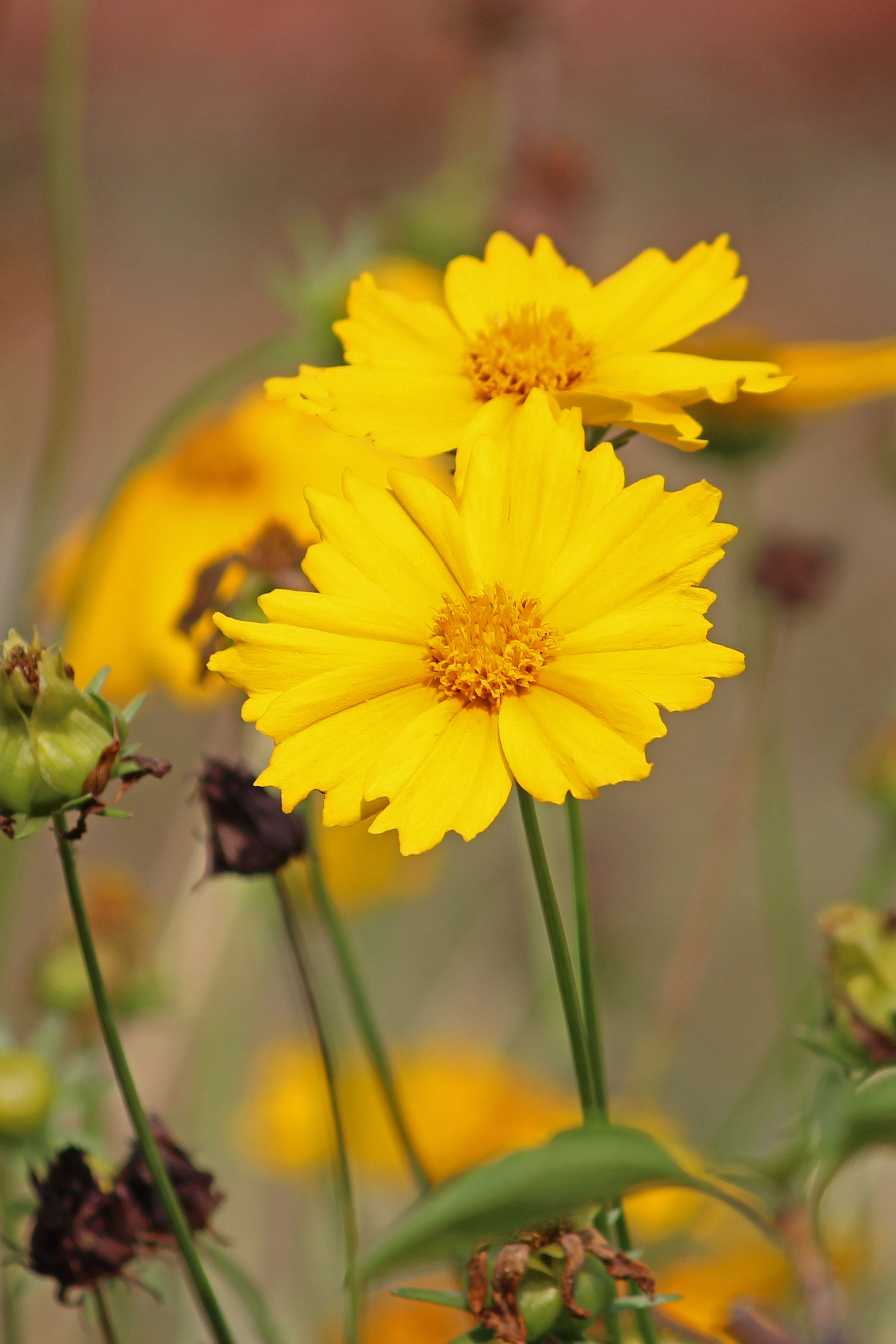
- Coreopsis (Coreopsis spp.): Often called Tickseed, Coreopsis offers a profusion of daisy-like flowers, typically in shades of yellow. It's drought-tolerant and attracts beneficial insects.
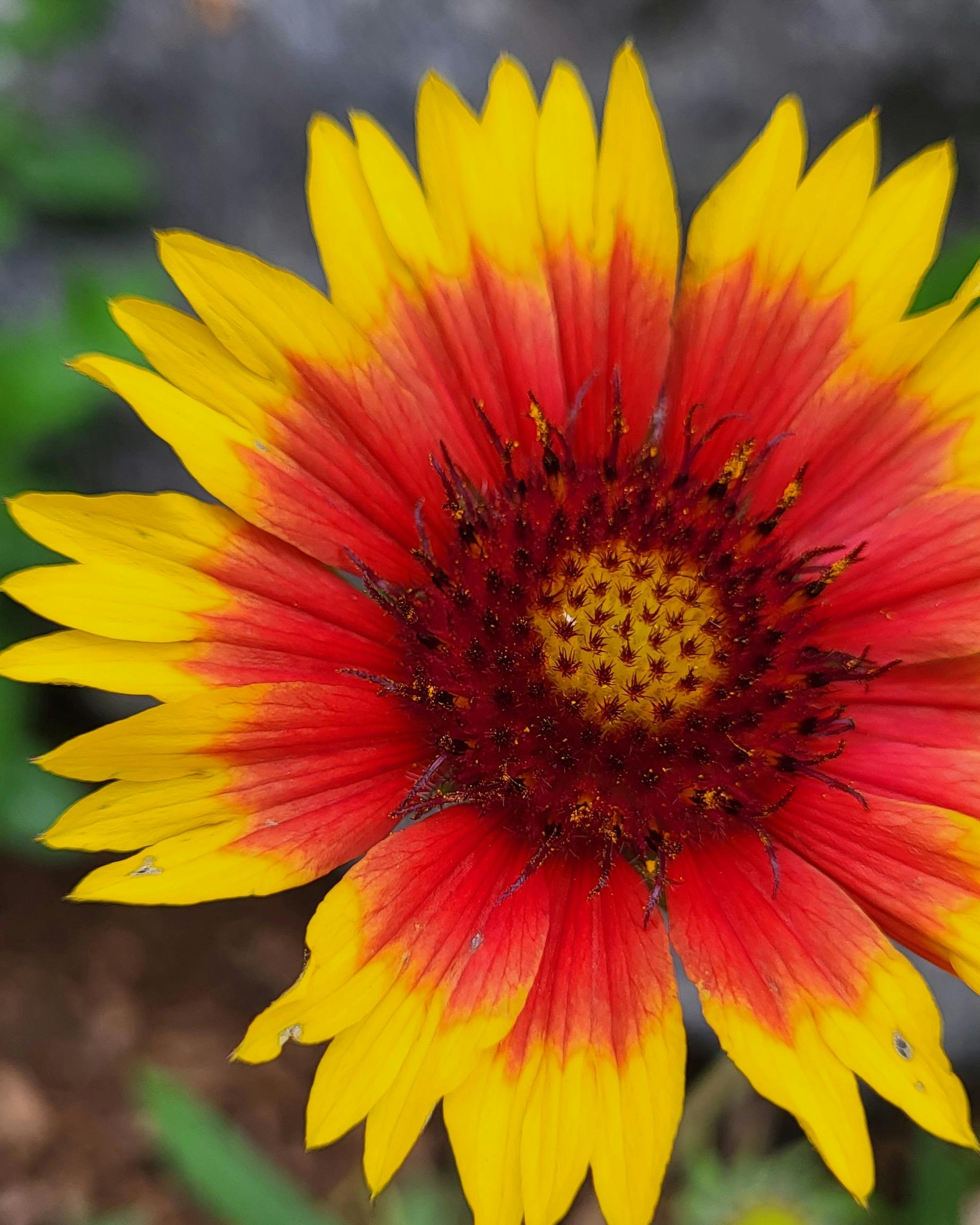
- Blanket Flower (Gaillardia aristata): These vibrant, daisy-like flowers with red and yellow hues are excellent for attracting pollinators and are very drought-tolerant once established.
Bee Balm Coneflower Black-eyed Susan Yarrow Blazing Star
What Native Shrubs and Trees are Best for Wildlife in Zone 4?
Incorporating native shrubs and trees provides structure, year-round interest, and crucial habitat for wildlife in your Zone 4 garden. They offer nesting sites, cover, and additional food sources like berries and nuts.
- Serviceberry (Amelanchier spp.): Also known as Juneberry or Shadbush, these small trees or large shrubs offer beautiful white flowers in spring, edible berries in early summer (loved by birds and people!), and stunning fall foliage. They provide nesting habitat for birds and attract many pollinators.
- Red Chokeberry (Aronia arbutifolia): This attractive shrub offers year-round visual appeal with white spring flowers, glossy green leaves, bright red berries that persist into winter, and brilliant fall color. The berries are a valuable food source for birds in colder months.
- Witchhazel (Hamamelis virginiana or H. vernalis): Witchhazel provides unique, often fragrant, late-season or early-spring blooms, offering nectar when little else is available. Its seeds are consumed by birds and mammals.
- Eastern Red Cedar (Juniperus virginiana): This tough, low-maintenance evergreen tree provides excellent cover for birds and small animals, especially in winter. Its small blue berries are a popular food source for many bird species.
- Northern Hackberry (Celtis occidentalis): A robust, medium-sized tree that tolerates a wide range of conditions, including drought, poor soil, and urban pollution. It's an excellent choice for wildlife, providing food and shelter.
How Can Native Plants Help with Deer Resistance?
While no plant is truly deer-proof-a hungry deer will try almost anything once-many native plants are less palatable to deer due to their texture, scent, or taste. By choosing these naturally deer-resistant native species, you can significantly reduce browsing damage in your Zone 4 garden.
Many of the perennials listed above, such as Yarrow, Purple Coneflower, Black-eyed Susan, and Bee Balm, are generally considered deer-resistant. Other notable deer-resistant native plants for Zone 4 include:
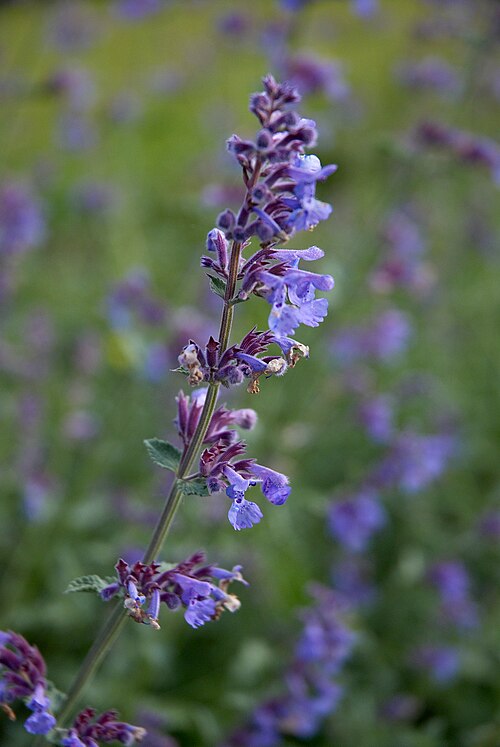
- Catmint (Nepeta spp.): Its aromatic foliage is generally unappealing to deer, and it offers long-lasting purple blooms that attract pollinators.
- Blazing Star (Liatris spicata): Deer tend to avoid this striking perennial.
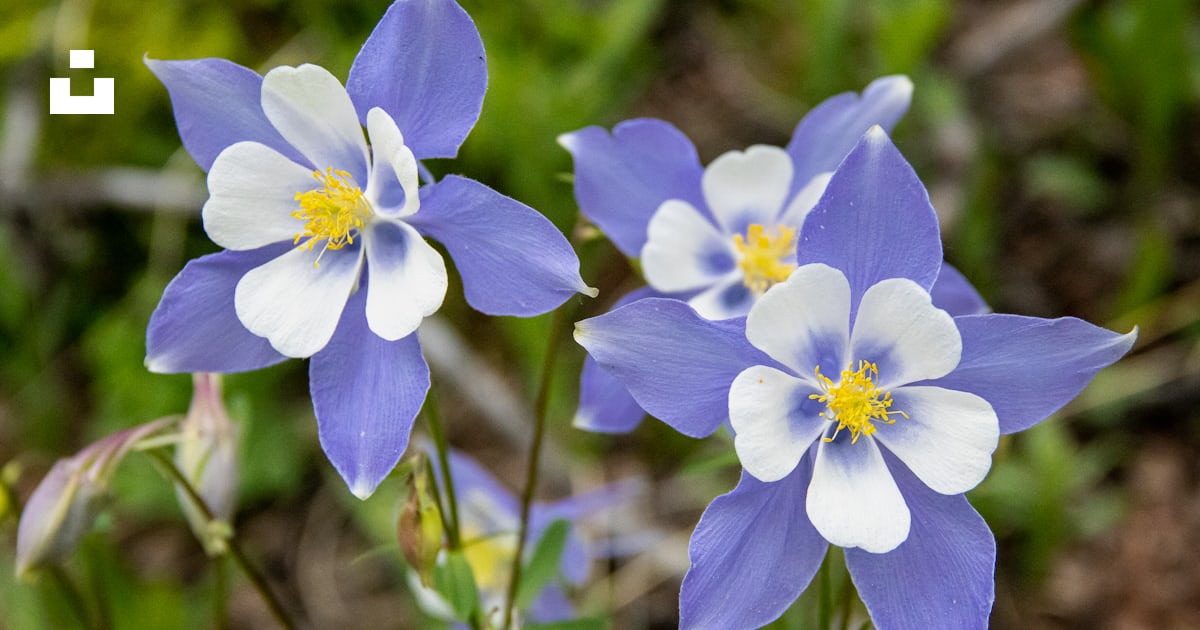
- Columbine (Aquilegia canadensis): Delicate, early-blooming flowers that attract hummingbirds and are often passed over by deer.
Remember, deer preferences can vary by region and individual deer populations. However, incorporating a variety of these less-favored plants can help protect your garden.
Quick Reference: Zone 4 Native Plants for Wildlife
| Plant Name | Type | Wildlife Benefit | Deer Resistance | Drought Tolerance (once established) |
|---|---|---|---|---|
| Bee Balm | Perennial | Pollinators (bees, hummers, butterflies) | Good | Moderate |
| Purple Coneflower | Perennial | Pollinators, birds (seeds) | Good | Good |
| Black-eyed Susan | Perennial | Pollinators, birds (seeds) | Good | Good |
| Yarrow | Perennial | Pollinators | Excellent | Excellent |
| Blazing Star | Perennial | Pollinators (butterflies) | Good | Good |
| Coreopsis | Perennial | Pollinators | Good | Excellent |
| Blanket Flower | Perennial | Pollinators | Good | Excellent |
| Catmint | Perennial | Pollinators | Excellent | Excellent |
| Serviceberry | Shrub/Tree | Birds (berries, nesting), Pollinators | Moderate | Moderate |
| Red Chokeberry | Shrub | Birds (berries) | Good | Good |
| Eastern Red Cedar | Tree | Birds (cover, berries) | Moderate | Excellent |
Ready to find the perfect plants for your yard? Try the PlantWise Plant Finder →