Finding the best native plants for Zone 3 can transform your garden into a thriving ecosystem that supports local wildlife while enduring harsh winters. Native plants are those that have evolved in a specific region over thousands of years, making them perfectly adapted to the local climate, soil, and environmental conditions. For gardeners in USDA Hardiness Zone 3, this means selecting species that can withstand temperatures as low as -40°F to -30°F. By choosing native plants, you'll create a resilient, low-maintenance landscape that provides essential food and shelter for pollinators, birds, and other beneficial creatures. Some excellent native plant choices for Zone 3 include coneflower, blazing star, black-eyed Susan, yarrow, and various native grasses and shrubs.
Why Choose Native Plants for Zone 3?
Opting for native plants in your Zone 3 garden offers a multitude of benefits, both for your landscape and the local ecosystem. Unlike exotic or non-native species, native plants are inherently suited to the regional climate, including extreme cold, fluctuating temperatures, and typical precipitation patterns. This adaptability means they often require less water, fertilizer, and pest control once established, leading to a more sustainable and lower-maintenance garden.
Beyond their resilience, native plants play a crucial role in supporting biodiversity. They have co-evolved with local wildlife, providing the specific food sources (nectar, pollen, seeds, berries) and habitats that native insects, birds, and mammals need to survive and thrive. For example, many native insects, including crucial pollinators, can only feed on specific native plants. When these plants are absent, the entire food web can be disrupted. By planting native species, you're essentially restoring a piece of the natural landscape, offering vital resources that help local wildlife populations flourish. This is especially important in Zone 3, where the growing season can be shorter and resources for wildlife are precious.
🌱 Get Personalized Plant Picks
Answer a few quick questions and we’ll match plants to your exact yard conditions.
Find My Plants →Which Native Perennials Thrive in Zone 3?
Many beautiful and hardy native perennials are perfect for Zone 3 gardens, offering vibrant blooms and ecological benefits. These plants are excellent choices for adding color and texture while providing sustenance for pollinators and other wildlife.
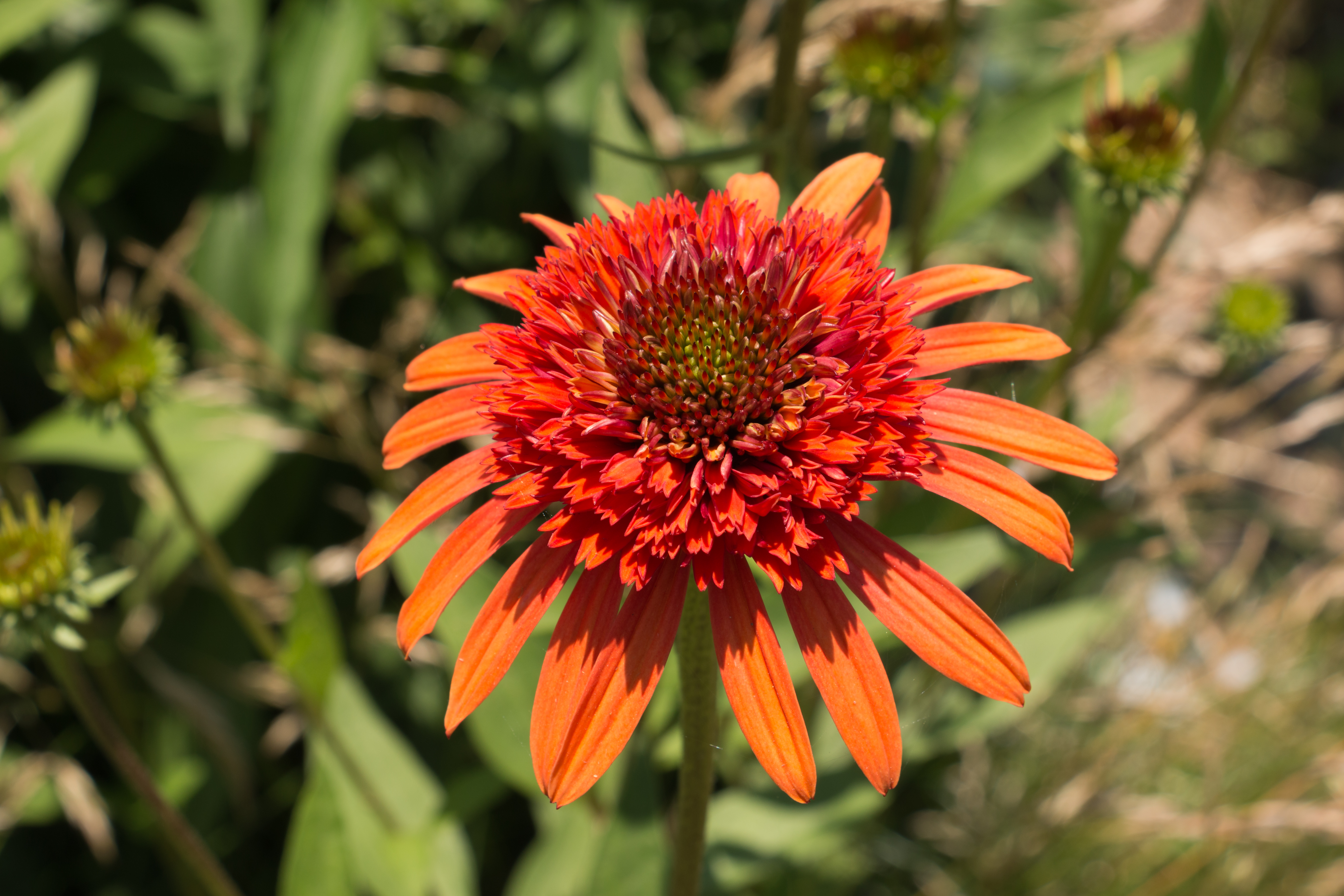
- Coneflower (Echinacea purpurea): A quintessential prairie plant, coneflowers are incredibly tough and beautiful. Their large, daisy-like flowers with prominent central cones attract a wide array of pollinators, including bees and butterflies, and their seeds provide food for birds in the fall and winter. They prefer full sun and well-drained soil and are remarkably drought-tolerant once established.
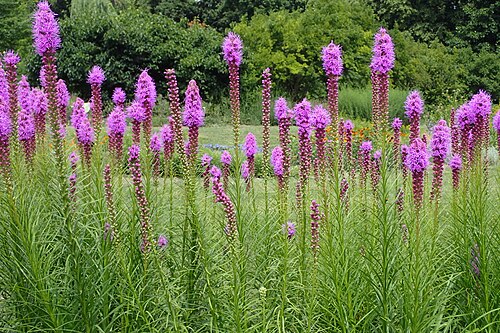
- Blazing Star (Liatris spicata): Also known as Gayfeather, Blazing Star produces striking vertical spikes of purple flowers that bloom from top to bottom. These unique flowers are a magnet for monarch butterflies and other pollinators. They thrive in full sun and well-drained to moist soil, adding a dramatic vertical element to any garden.
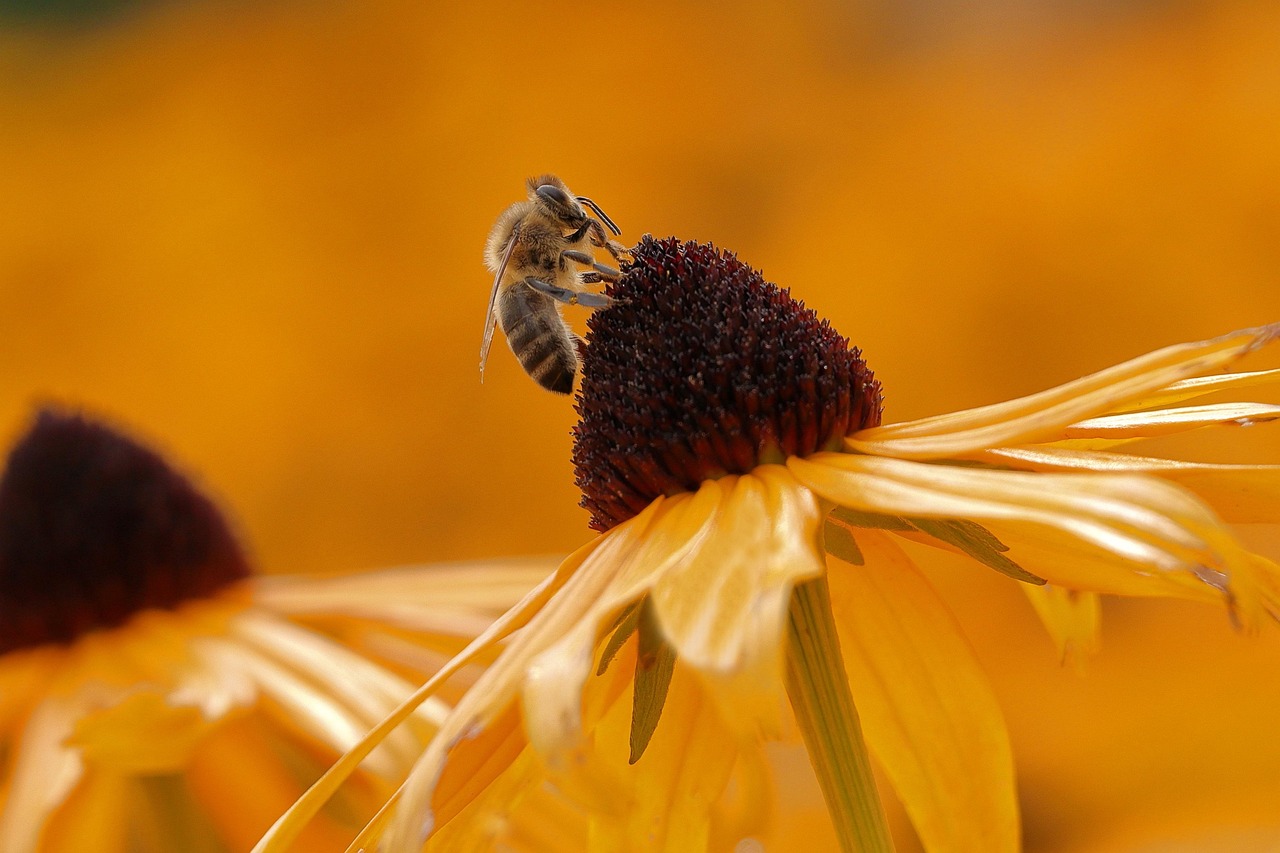
- Black-Eyed Susan (Rudbeckia hirta): With their cheerful yellow petals and dark brown centers, Black-Eyed Susans bring a sunny disposition to the garden. They are vigorous growers, tolerant of various soil conditions, and provide nectar for butterflies and seeds for birds. They are often short-lived perennials but readily self-seed, ensuring their presence year after year.
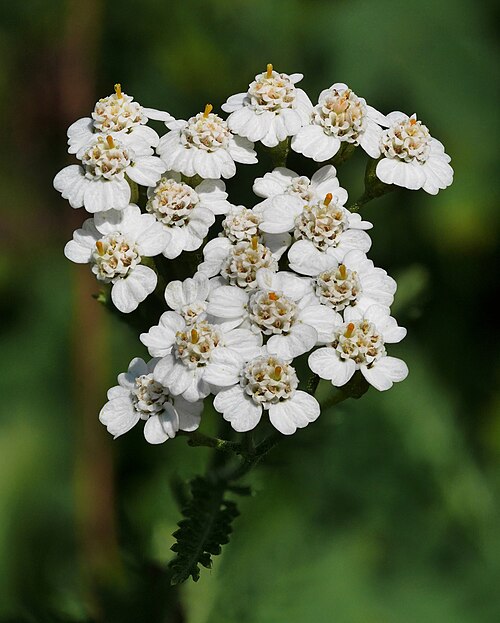
Yarrow (Achillea millefolium): Yarrow is a tough, drought-tolerant perennial known for its fern-like foliage and flat-topped clusters of small flowers. Native varieties typically have white or yellow flowers and are excellent for attracting beneficial insects. Yarrow thrives in full sun and poor to average, well-drained soil, making it a great choice for challenging spots.
Wild Geranium (Geranium maculatum): This charming woodland native produces delicate pink to purple flowers in spring. It's an excellent choice for partial shade to full sun and moist, well-drained soil, providing early-season nectar for pollinators.
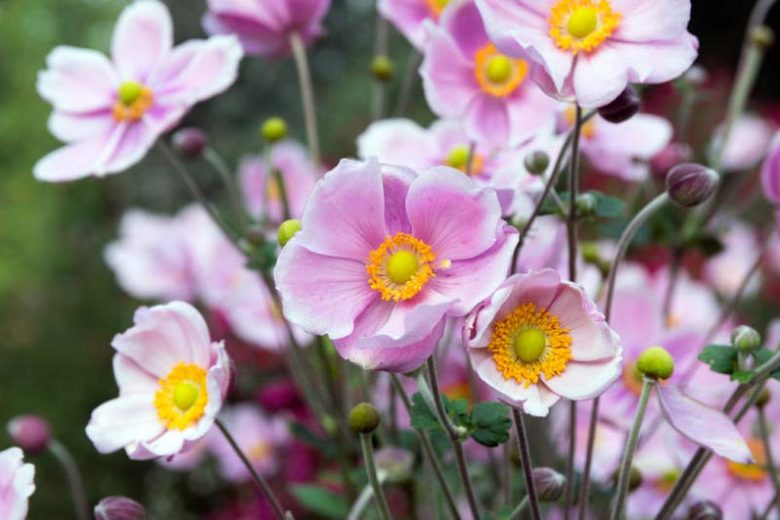
Canada Anemone (Anemone canadensis): With its bright white, poppy-like flowers, Canada Anemone is a vigorous groundcover for sunny to partly shaded areas. It spreads readily, forming colonies that can help stabilize soil and provide cover for small wildlife.
How Can Native Shrubs and Trees Enhance a Zone 3 Landscape?
Native shrubs and trees are foundational elements for any wildlife-friendly garden, offering structure, shelter, and diverse food sources throughout the year. For Zone 3, selecting truly hardy species is paramount.
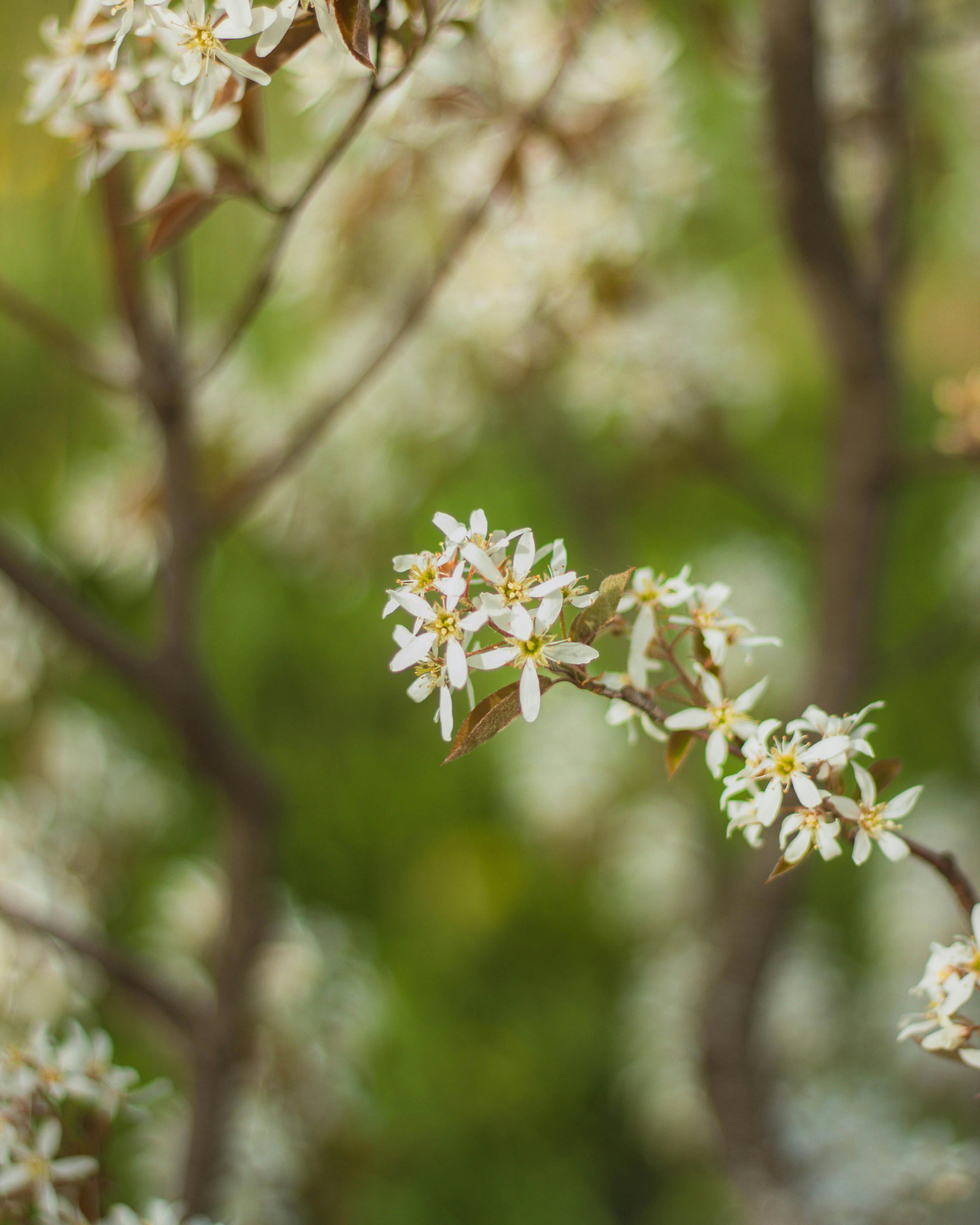
Serviceberry (Amelanchier spp.): Also known as Juneberry, Serviceberry is a multi-season superstar. It offers delicate white blossoms in early spring, edible berries in early summer (beloved by birds and humans alike), and beautiful fall foliage. It can be grown as a small tree or a large shrub and tolerates a range of light conditions from full sun to partial shade.
Highbush Cranberry (Viburnum trilobum): Despite its name, this is not a true cranberry but a native viburnum. It boasts white flowers in spring, bright red berries that persist into winter (a crucial food source for birds), and stunning red fall color. It prefers full sun to partial shade and moist soil.
Red Osier Dogwood (Cornus sericea): This shrub is prized for its vibrant red stems, which provide striking winter interest against a snowy backdrop. It also produces white flowers and berries, attracting birds. Red Osier Dogwood tolerates wet conditions and can grow in full sun to partial shade.
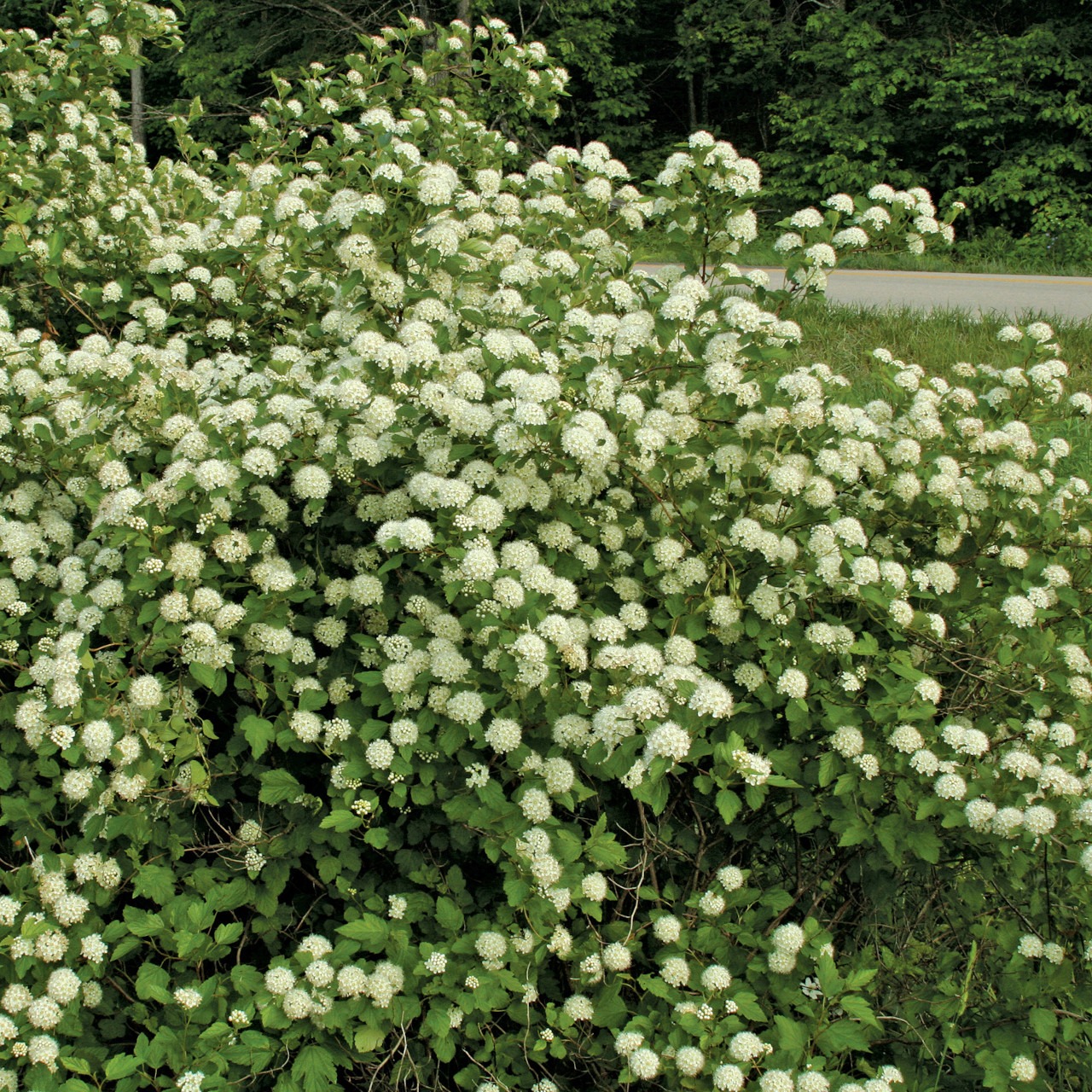
Ninebark (Physocarpus opulifolius): A versatile shrub with attractive exfoliating bark, clusters of white to pinkish flowers, and interesting seed pods. It's very adaptable to various soil conditions and light levels, from full sun to partial shade. Many cultivars are available, but selecting a native species is best for wildlife.
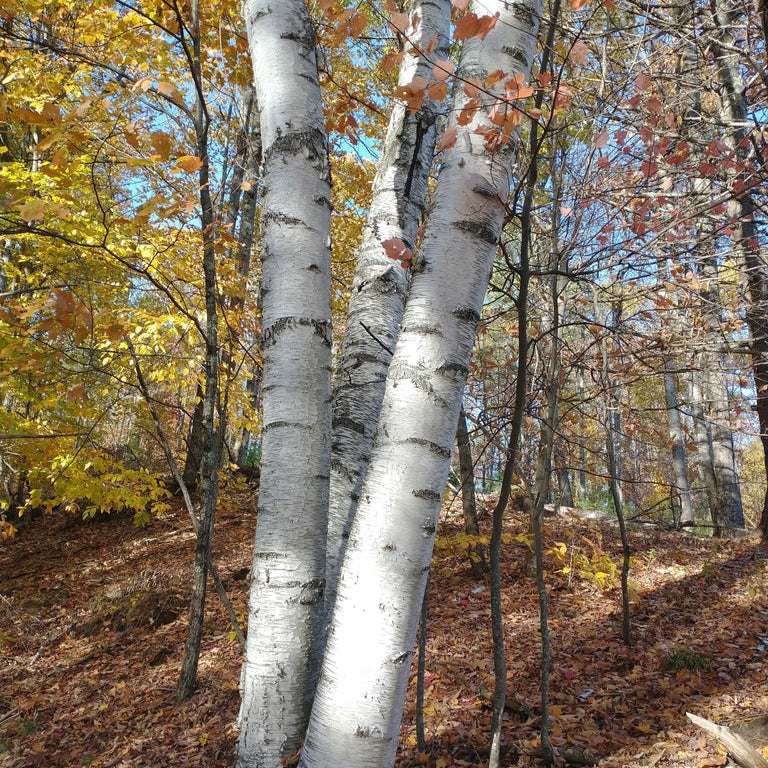
Paper Birch (Betula papyrifera): A classic northern tree, the Paper Birch is easily recognized by its striking white, peeling bark. It provides habitat and food for various wildlife, and its catkins offer early spring pollen. It prefers full sun and moist, well-drained soil.
Are Native Plants Truly Deer-Proof in Zone 3?
While native plants are generally more resilient and can be less palatable to deer than some cultivated varieties, it's crucial to remember that no plant is truly deer-proof. Deer, especially when food sources are scarce, will browse almost anything. However, some native plants are less favored by deer due to their texture, taste, or scent.
For Zone 3 gardeners dealing with deer, incorporating plants known for their deer resistance can significantly reduce damage. Plants with fuzzy or rough leaves, strong scents, or bitter tastes are often less appealing. Examples of Zone 3 native plants that are generally considered more deer-resistant include:
- Yarrow (Achillea millefolium): Its aromatic foliage tends to deter deer.
- Blazing Star (Liatris spicata): Deer often leave this spiky plant alone.
- Wild Geranium (Geranium maculatum): Generally not a preferred food source.
- Red Osier Dogwood (Cornus sericea): While deer might browse young stems, it's not usually a favorite.
To further protect your plants, especially young ones, consider using physical barriers like fencing or netting, or applying deer repellents. A diverse planting of native species can also help, as deer tend to avoid areas with a mix of plants they dislike.
Quick Reference: Top Native Plants for Zone 3
| Plant Name | Light Needs | Soil Needs | Wildlife Benefit | Notes |
|---|---|---|---|---|
| Coneflower | Full Sun | Well-drained | Pollinators, Birds | Drought-tolerant once established |
| Blazing Star | Full Sun | Well-drained to Moist | Butterflies, Pollinators | Striking vertical accent |
| Black-Eyed Susan | Full Sun to Part Sun | Various, well-drained | Butterflies, Birds | Vigorous, self-seeds |
| Yarrow | Full Sun | Poor to Average, Well-drained | Beneficial Insects, Deer Resistant | Aromatic foliage, very tough |
| Wild Geranium | Part Shade to Full Sun | Moist, well-drained | Early Pollinators | Charming spring blooms |
| Canada Anemone | Sun to Part Shade | Moist, well-drained | Groundcover, Shelter | Spreads readily |
| Serviceberry | Full Sun to Part Shade | Moist, well-drained | Birds, Pollinators, Edible Berries | Multi-season interest, small tree or shrub |
| Highbush Cranberry | Full Sun to Part Shade | Moist | Birds, Winter Interest | Red berries persist into winter |
| Red Osier Dogwood | Full Sun to Part Shade | Moist to Wet | Birds, Winter Interest | Vibrant red stems in winter |
| Ninebark | Full Sun to Part Shade | Various, well-drained | Pollinators, Shelter | Attractive exfoliating bark |
| Paper Birch | Full Sun | Moist, well-drained | Habitat, Early Pollen | Iconic white bark, larger tree |
Ready to find the perfect plants for your yard? Try the PlantWise Plant Finder →