Is Fothergilla Deer Resistant? Complete Guide
Fothergilla, often called Witch Alder, is generally considered a highly deer-resistant shrub. While no plant is truly deer-proof, Fothergilla consistently ranks high on lists of plants that deer tend to avoid, making it an excellent choice for landscapes where deer pressure is a concern. Its slightly aromatic foliage and unique texture are often unappealing to deer, allowing it to thrive and provide stunning seasonal interest without becoming a frequent snack. This native beauty offers brilliant fall color, fragrant spring flowers, and a low-maintenance nature, making it a fantastic addition to many gardens.
🌱 Get Personalized Plant Picks
Answer a few quick questions and we’ll match plants to your exact yard conditions.
Find My Plants →What Makes Fothergilla a Good Choice for Deer-Prone Areas?
Fothergilla's deer resistance is primarily attributed to a few key characteristics that deer typically dislike. Its leaves have a slightly thick, somewhat leathery texture and a subtle, often described as "spicy" or "aromatic," scent. Deer, being selective browsers, often prefer plants with tender, palatable leaves and a mild or sweet aroma. Fothergilla doesn't fit this profile, making it less attractive to them.
Furthermore, Fothergilla is a native plant to the southeastern United States. While native status doesn't automatically equate to deer resistance, many native plants have evolved alongside local wildlife, developing defenses that make them less appealing than some non-native ornamentals.
Quick Reference: Fothergilla Deer Resistance
| Characteristic | Deer Preference | Fothergilla Status |
|---|---|---|
| Foliage Texture | Soft, tender | Slightly leathery |
| Foliage Scent | Mild, sweet | Slightly aromatic |
| Taste | Palatable | Bitter/unappealing |
| Overall Resistance | Low | High |
Keep in mind that deer behavior can be unpredictable. When food sources are scarce, or deer populations are very high, even the most resistant plants might be nibbled. However, Fothergilla is a reliable choice for minimizing deer damage in most situations.
How Can I Maximize Fothergilla's Deer Resistance?
Even with a naturally deer-resistant plant like Fothergilla, there are steps you can take to further deter deer and protect your landscape.
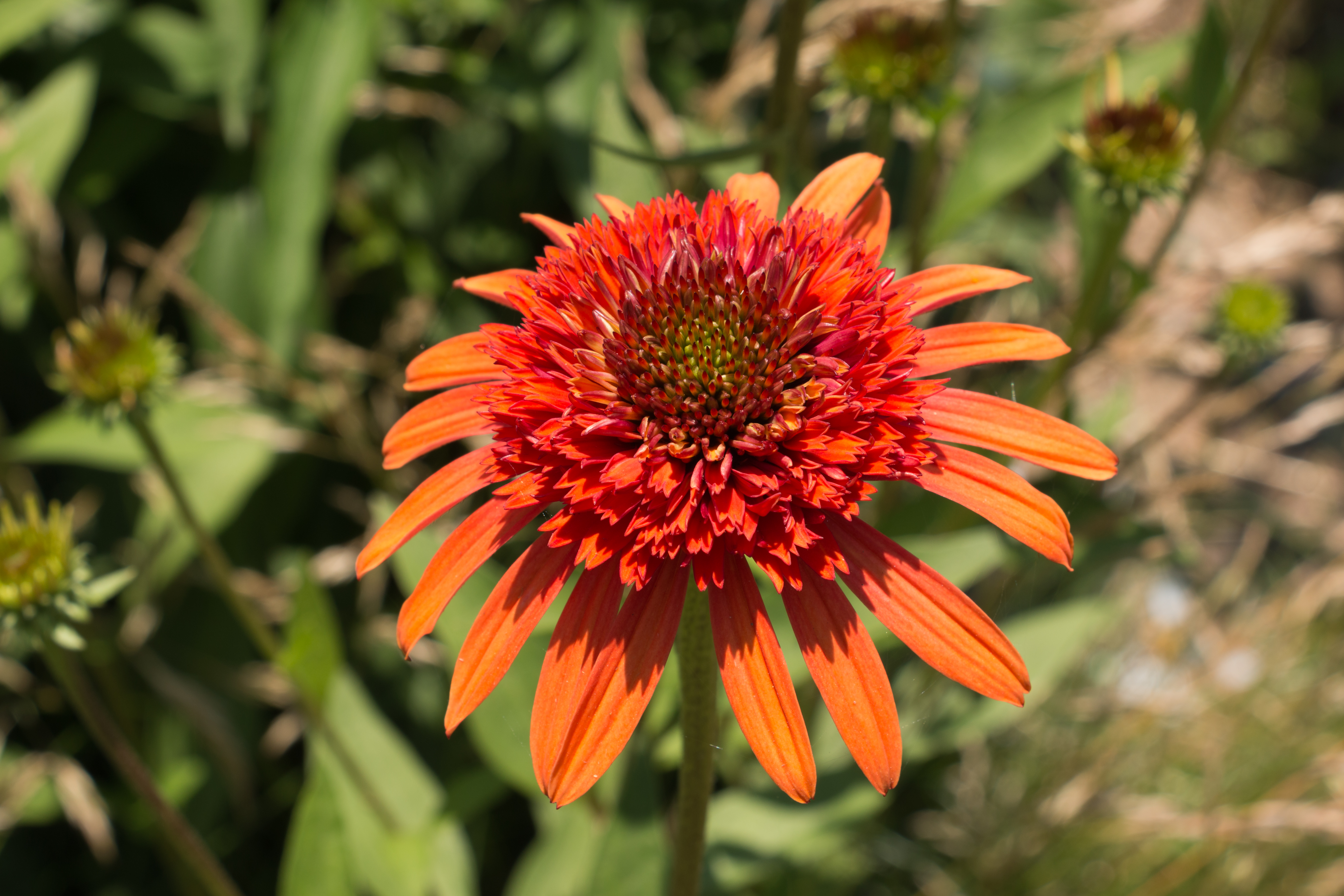
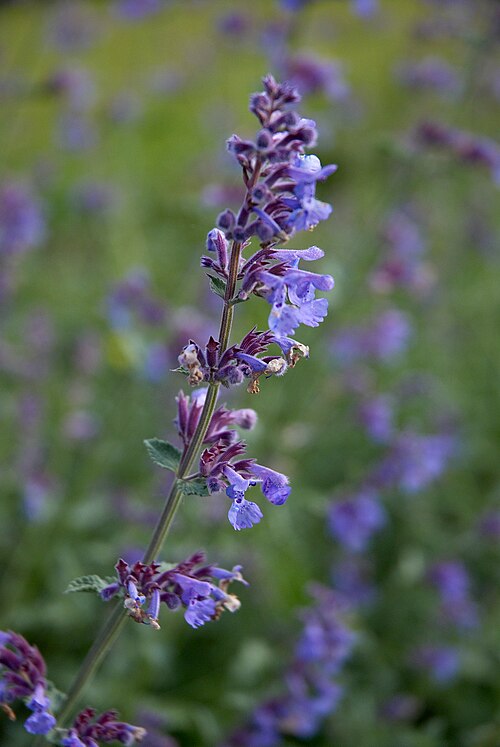
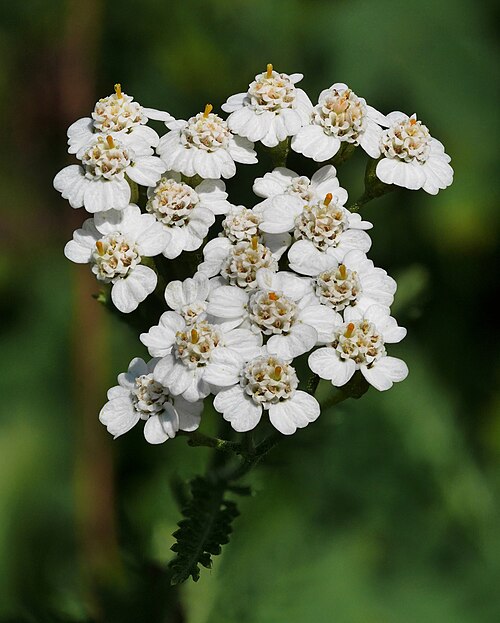
- Strategic Placement: Plant Fothergilla among other highly deer-resistant plants. This creates a larger "unappealing" zone that deer are less likely to enter. Consider pairing it with plants like Catmint or Yarrow.
- Companion Planting: Surrounding Fothergilla with plants that deer really dislike can offer an extra layer of protection. Think about plants with strong scents (like herbs) or prickly textures.
- Repellents: In areas with very high deer pressure, you might consider using deer repellents, especially during periods of new growth when plants are most vulnerable. Rotate repellents to prevent deer from becoming accustomed to them.
- Fencing (Last Resort): For severe deer problems, physical barriers like fencing might be necessary, but this is rarely needed for Fothergilla itself.
- Maintain Plant Health: Healthy, vigorous plants are generally more resilient to browsing and can recover more quickly if some nibbling occurs. Ensure your Fothergilla receives proper water, nutrients, and sunlight.
What Are the Best Fothergilla Varieties for My Garden?
Fothergilla offers several excellent varieties, each with slightly different sizes and characteristics, but all share the same great deer resistance.
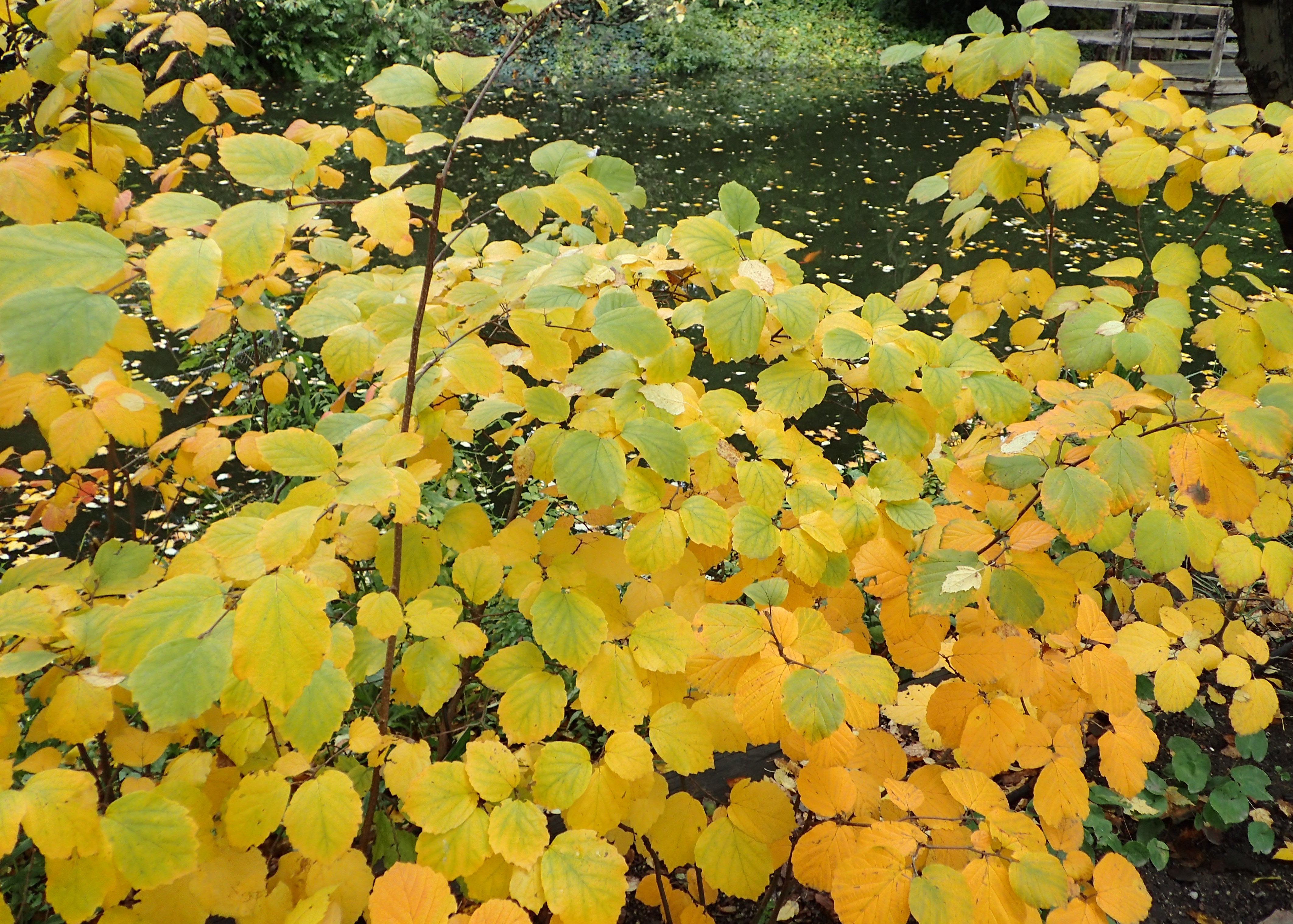
- Dwarf Fothergilla ( Fothergilla gardenii ): This is the smallest species, typically growing 2-5 feet tall and wide. It's perfect for smaller gardens, borders, or as a foundation plant. Its fall color is spectacular, ranging from yellow to orange and deep red.
- Large Fothergilla ( Fothergilla major ): As its name suggests, this species is larger, reaching 6-10 feet tall and wide. It makes an excellent specimen plant or an informal hedge. Its fall foliage is equally impressive.
- 'Mount Airy' Fothergilla ( Fothergilla x intermedia 'Mount Airy'): This is a popular hybrid, a cross between F. gardenii and F. major. It combines the best traits of both, growing to about 5-6 feet tall and wide. 'Mount Airy' is known for its abundant, fragrant white bottlebrush flowers in spring and outstanding, multi-colored fall foliage. It's a highly recommended choice for most gardens.
- 'Blue Shadow' Fothergilla ( Fothergilla x intermedia 'Blue Shadow'): A cultivar of 'Mount Airy', this variety stands out with its unique blue-green foliage during the growing season, which then transforms into brilliant shades of red, orange, and yellow in the fall. It offers a distinct color palette for the landscape.
All these varieties provide the same deer resistance and offer beautiful, fragrant spring flowers and stunning fall color, making them versatile and attractive additions to any garden.
What Growing Conditions Does Fothergilla Prefer?
Fothergilla is a relatively low-maintenance shrub once established, making it a joy to grow.
- Sunlight: Fothergilla thrives in full sun to partial shade. In full sun, you'll generally get the best flower production and the most vibrant fall color. In hotter climates, a little afternoon shade can be beneficial to prevent leaf scorch.
- Soil: It prefers moist, well-drained, acidic soil (pH 4.5-6.0). Incorporating organic matter like compost when planting can help improve soil structure and acidity.
- Watering: Keep the soil consistently moist, especially during its first year of establishment. Once established, it has moderate drought tolerance but will perform best with regular watering during dry spells.
- Fertilizing: Generally, Fothergilla doesn't require heavy fertilization. A light application of a balanced, slow-release fertilizer formulated for acid-loving plants in early spring can be beneficial, especially in poor soils.
- Pruning: Pruning is rarely necessary, as Fothergilla naturally maintains an attractive shape. If needed, prune after flowering in spring to remove dead, damaged, or crossing branches, or to lightly shape the plant. Avoid heavy pruning, as it can reduce flowering for the following year.
- Pests and Diseases: Fothergilla is remarkably resistant to most common pests and diseases, further contributing to its low-maintenance appeal.
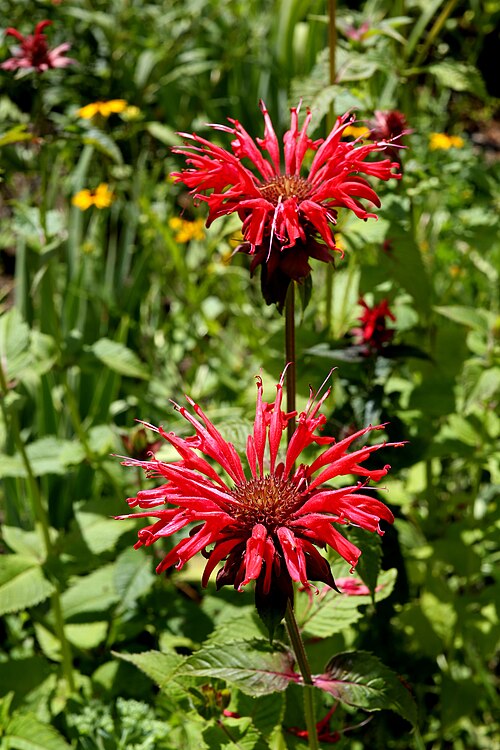
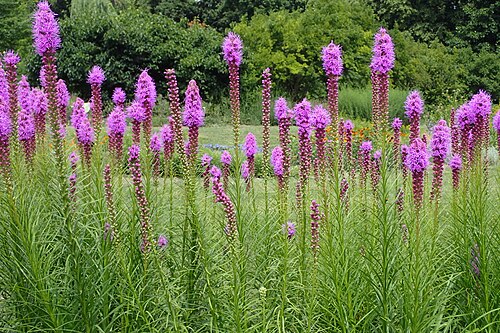
Coneflower Blazing Star Bee Balm
Is Fothergilla a Good Plant for Pollinators?
Yes, Fothergilla is an excellent plant for pollinators! Its unique bottlebrush-like flowers, which typically appear in April or May before the leaves fully emerge, are highly fragrant and rich in nectar and pollen. These showy white blooms are a magnet for early-season pollinators, including:
- Bees: Honeybees and various native bee species are attracted to the abundant pollen and nectar.
- Butterflies: While not their primary food source, butterflies may visit the flowers for nectar.
- Other beneficial insects: The flowers provide an early food source for a variety of beneficial insects in your garden.
By planting Fothergilla, you're not only adding beauty and deer resistance to your landscape but also providing crucial support for local pollinator populations, contributing to a healthy ecosystem. Its native status further enhances its value for local wildlife.
Ready to find the perfect plants for your yard? Try the PlantWise Plant Finder →