Rabbits cause most winter damage on young trees and low shrubs by clipping stems with a clean, angled cut and gnawing bark at or just above snow level. The most reliable protection is a cylinder of 1 inch chicken wire or 1/4 inch hardware cloth set a few inches out from the stems, buried 2 to 3 inches into the soil, and tall enough to reach 18 to 24 inches above the deepest snow you expect. Repellents help on larger plantings but need reapplying after rain, snow, and thaws. In spring, prune clipped stems back to healthy wood and check trunks for girdling.
Is it rabbits?
| Clue | Rabbits | Deer | Voles |
|---|---|---|---|
| Cut on stems | Clean, sharp, 45 degree angle | Ragged, torn | Small gnaw marks |
| Height | Ground to about 2 feet above snow | 2 to 6 feet | At or below the soil or snow surface |
| Bark damage | Patches gnawed above snow | Rubbed or stripped by antlers | Gnawed at the base, often under mulch or snow |
| Droppings | Round, pea sized pellets in groups | Larger, oblong pellets in piles | Tiny, rice shaped |
| Tracks | Two large hind prints ahead of two small front prints | Split hooves | Tunnels and runways |
Damage often appears all at once after a deep snow, because snow lifts rabbits higher and buries their usual food. For vole damage below the snow, see vole damage in the lawn. For deer, see deer repellent for fall and winter browse.
🌱 Get Personalized Plant Picks
Answer a few quick questions and we’ll match plants to your exact yard conditions.
Find My Plants →Plants rabbits target most
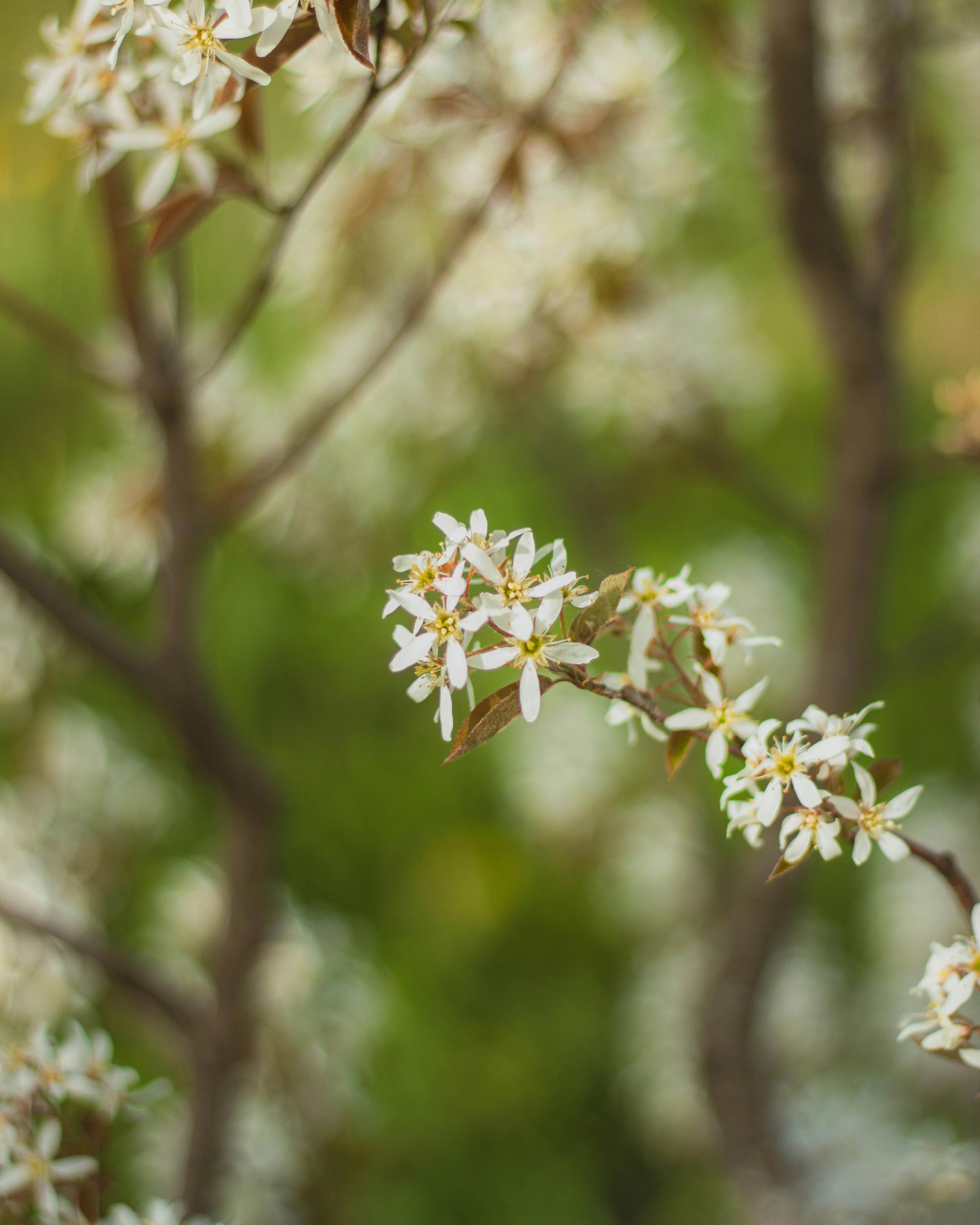
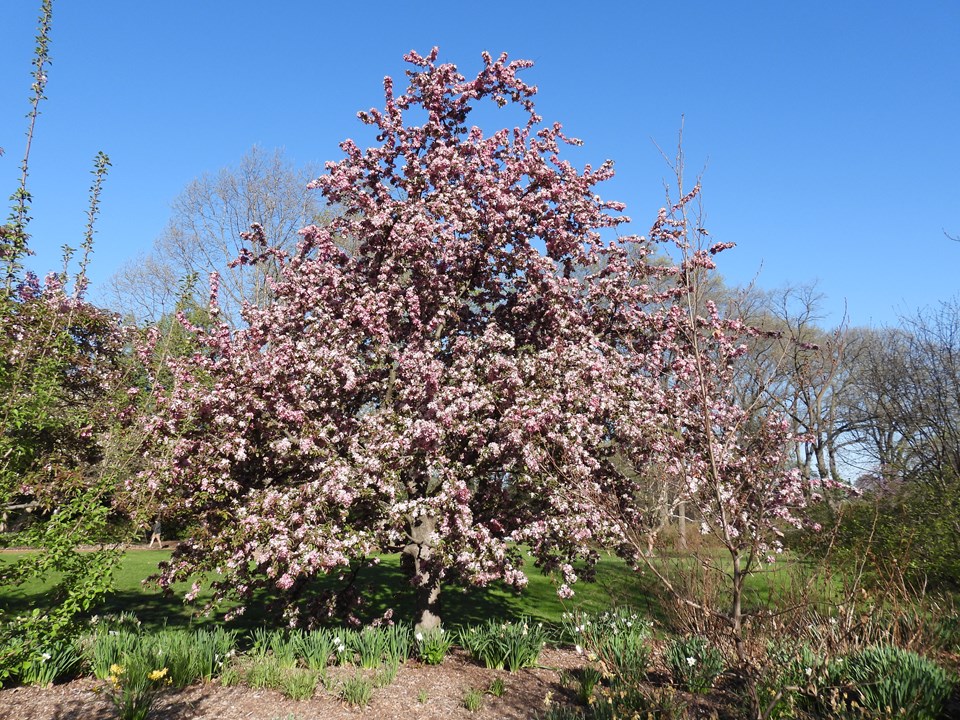
Young fruit trees, serviceberry, crabapple, roses, blueberries, burning bush, viburnum, and young maples are frequent targets. Thin bark and stems under about a quarter inch thick are clipped first. Established trees with thick, rough bark are rarely bothered.
How to protect plants
- Wrap trunks of young trees with a cylinder of hardware cloth or a plastic tree guard. Leave an inch or two of space around the trunk, and remove plastic guards in spring so bark does not stay damp. Our guide to tree wraps and trunk guards compares the options.
- Cage small shrubs with a chicken wire cylinder staked at the edges. Bend the top outward or cover it if snow gets deep.
- Fence small beds with 2 foot tall chicken wire, buried a few inches and staked tight, before the ground freezes.
- Measure for snow. A guard that is tall enough in November can be buried by February. Add height in snowy regions.
- Remove cover such as brush piles and tall weeds near the beds, which give rabbits shelter.
Shop rabbit protection on Amazon
Chicken wire or 1/4 inch hardware cloth to wrap stems and trunks above the snow line, plus a labeled repellent spray to reapply after thaws. We may earn a commission at no extra cost to you.
Amazon · Chicken wire fencing Amazon · Hardware cloth 1/4 inch Amazon · Rabbit repellent spray
Using repellents
Repellents work by taste or smell and are best for larger plantings where caging every stem is impractical. They work better before rabbits form a habit, so apply them in late fall. Many need temperatures above freezing to dry on the plant, so spray on a mild, dry day and reapply after heavy rain, snowfall, or thaw, and on new growth. No repellent stops a hungry rabbit in a hard winter, so cage your most valuable plants.
Safety with repellents, wire, and traps
- Read the repellent label for the plants it lists, the protective gear, and how long to keep pets and children away while it dries. Wear gloves and eye protection; many contain hot pepper, garlic, or putrescent egg that irritates skin and eyes.
- Store repellents sealed and locked away. If a child swallows or splashes any garden chemical, call Poison Control at 1-800-222-1222. If a pet eats it, call your veterinarian or the ASPCA Animal Poison Control Center at (888) 426-4435.
- Wear heavy gloves when cutting hardware cloth and chicken wire, and fold or file cut ends so they do not scratch people, pets, or trunks.
- Do not use poison baits for rabbits. They put pets and other wildlife at risk. Live trapping and relocation are regulated in many states; check with your state wildlife agency before trapping.
Repairing damage in spring
- Prune clipped stems back to just above a healthy bud or branch. Most shrubs regrow vigorously.
- Inspect trunks. If bark is chewed less than halfway around, the tree usually heals. Keep it watered and do not paint the wound.
- Girdled trees with bark removed all the way around will usually die above the wound. Small trees can sometimes be saved by bridge grafting in early spring, but replacement is often the practical choice. See pruning fruit trees in late winter for clean cut technique.
Bottom line
Cage young trees and favorite shrubs with wire that reaches well above the snow line, clear nearby cover, and use repellents as a backup on larger plantings. In spring, prune clipped stems cleanly and check trunks for girdling.
Related reading
- Rabbit-resistant plants for zone 5
- Rabbit-resistant plants for zone 7
- Burlap winter wrap for shrubs
- Deer fencing and netting
Ready to match plants to your location? Try the PlantWise Plant Finder →