Burlap Winter Wrap for Shrubs in Cold Zones
Burlap wraps and screens protect evergreen foliage and thin bark from winter wind and sunscald in exposed USDA Zones 3-5 yards. Wrap after plants are dormant and soil has cooled, leave room for air, and remove in spring once hard freezes ease. Burlap is a wind and sun tool, not a heated greenhouse.
Who needs wrapping
Prioritize:
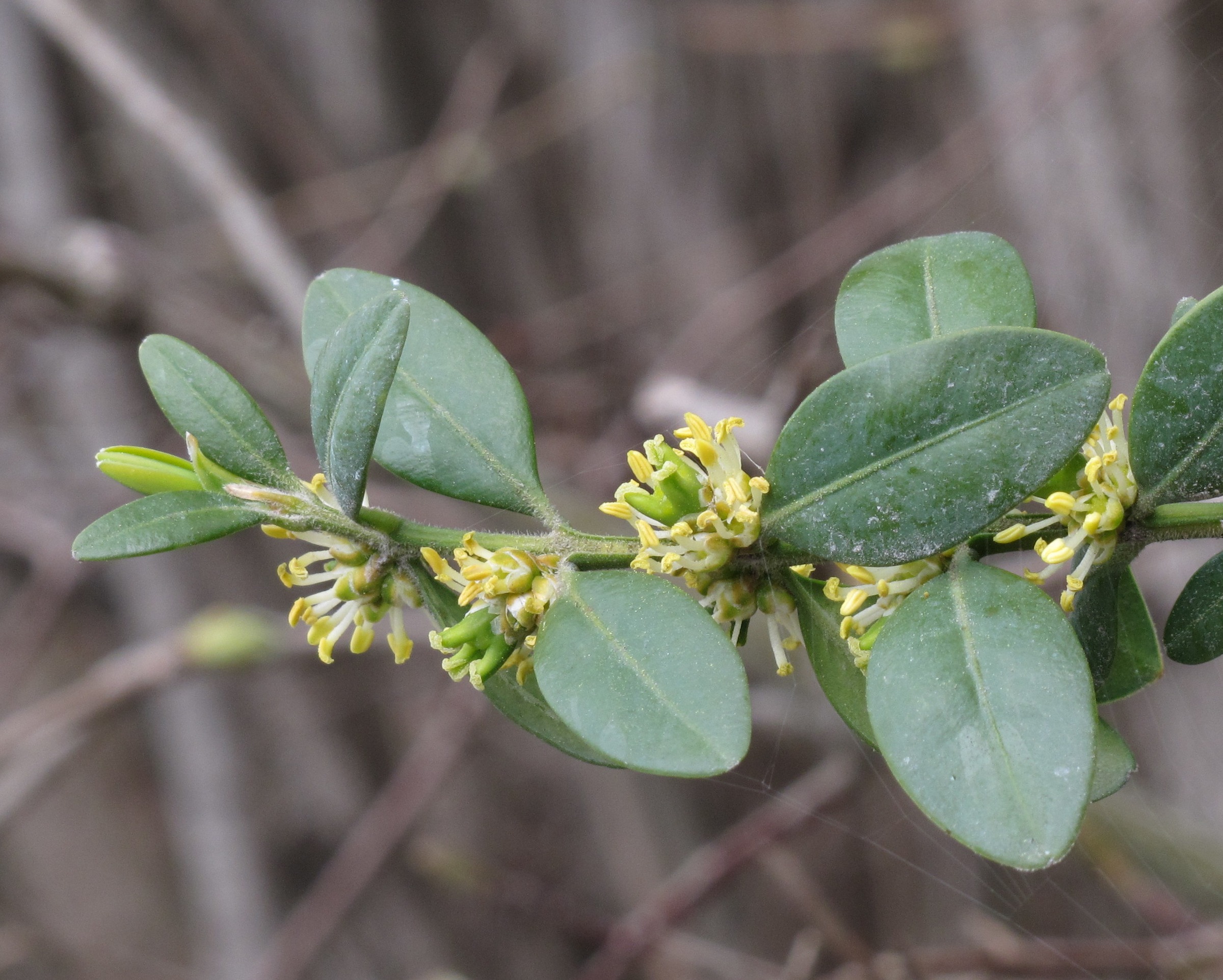
- Broadleaf evergreens on windy corners (boxwood, rhododendron, some hollies where hardy)
- Newly planted evergreens in their first winters
- Thin-barked young trees prone to southwest sunscald
- Specimens next to reflective walls or open prairie wind
Established deciduous shrubs with correct zone ratings rarely need full cocoons. If you are on the fence, wrap the plants that browned last March, not every shrub in the yard.
🌱 Get Personalized Plant Picks
Answer a few quick questions and we’ll match plants to your exact yard conditions.
Find My Plants →Shop burlap plant wrap on Amazon
Burlap rolls and winter shrub covers. We may earn a commission at no extra cost to you.
Amazon · Burlap wrap Amazon · Floating row cover Amazon · Mulch
How to wrap without harming bark
- Water deeply before the ground freezes if soil is dry.
- Mulch the root zone after soil cools (fall mulch); keep mulch off trunks.
- Drive stakes around the plant for a screen, or wrap loosely with burlap.
- Keep fabric off foliage enough that ice does not glue leaves to cloth.
- Tie with soft twine; do not cinch bark.
- Leave the top slightly open on tall wraps for ventilation when practical.
Anti-desiccant sprays are a separate product category; follow labels and local extension guidance if you use them. Burlap screens often do more for windburn than sprays alone on exposed corners.
Screens vs full wraps
| Style | Best for |
|---|---|
| Burlap screen on windward side | Established evergreens that only burn from one direction |
| Loose full wrap | Small specimens, first-winter plants |
| Trunk wrap only | Young trees with sunscald history |
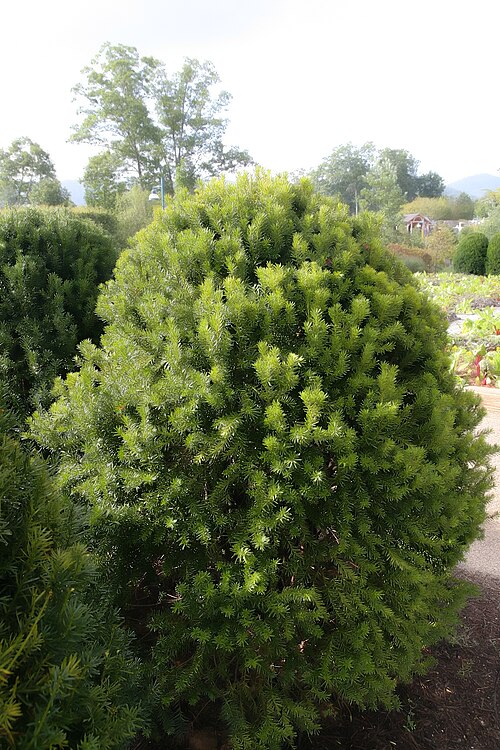
Combine with deer netting when browse and wind both hit the same yew or arborvitae.
Spring removal
Unwrap when nights stay milder and ground begins to thaw. Leaving burlap on through warm spring days can trap heat and moisture. Check ties midwinter after storms; repair sails before they shred.
Checklist
- Target windburn and sunscald candidates, not every shrub.
- Soil watered; mulch after cool-down.
- Loose wrap or stake screen; fabric off bark flare.
- Soft ties; vent where practical.
- Calendar reminder to remove in spring.
Bottom line
Cold-zone burlap work is selective, loose, and timed after dormancy. Screen the plants that actually burn, mulch the roots, and take wraps off when spring softens so you are not cooking foliage in April.
See zone garden-care guides for how wrapping fits a full fall day: Zone 3, Zone 4, Zone 5.
Ready to choose hardier placements? Try the PlantWise Plant Finder →