How to Clean Up Your Pollinator Garden in Fall
Fall garden cleanup for a pollinator garden is less about tidying and more about thoughtful preservation. Instead of a complete cut-back, the best approach is to leave much of the plant material standing through winter. This provides crucial shelter and overwintering sites for beneficial insects, including many native bees and butterflies, ensuring they survive the cold months and emerge to pollinate your garden next spring. Responsible fall cleanup means prioritizing the needs of pollinators over a perfectly manicured aesthetic, focusing on removing diseased material and leaving healthy stems and seed heads intact.
As the vibrant colors of summer fade and the days grow shorter, many gardeners feel the urge to "put the garden to bed" for winter. For a traditional ornamental garden, this often means a thorough cut-back, raking, and general tidying. However, if your goal is to support a thriving ecosystem of pollinators - from buzzing bees to delicate butterflies - your fall routine needs a different approach.
Over the past few decades, we've learned a tremendous amount about the life cycles of beneficial insects. Many species don't just disappear in winter; they overwinter as eggs, larvae, pupae, or even adult insects within the very plant material we're often tempted to remove. Understanding this is key to becoming a truly pollinator-friendly gardener.
🌱 Get Personalized Plant Picks
Answer a few quick questions and we’ll match plants to your exact yard conditions.
Find My Plants →Why is "Less is More" the Golden Rule for Fall Pollinator Cleanup?
The primary reason to resist the urge for a super-tidy fall garden is to provide essential habitat for overwintering pollinators. Many native bees, for example, lay their eggs in hollow or pithy stems. Butterfly chrysalises often hang from twigs or are nestled among leaf litter. Ladybugs, lacewings, and other beneficial predatory insects also seek shelter in plant debris.
When we cut back all our perennials to the ground, rake every leaf, and remove every spent seed head, we inadvertently destroy these critical overwintering sites. This can significantly impact pollinator populations in your area, reducing the very insects you worked so hard to attract during the growing season.
Leaving plant material standing also offers other benefits:
- Insulation: Spent foliage and stems can provide a natural layer of insulation for plant crowns, protecting them from harsh winter temperatures.
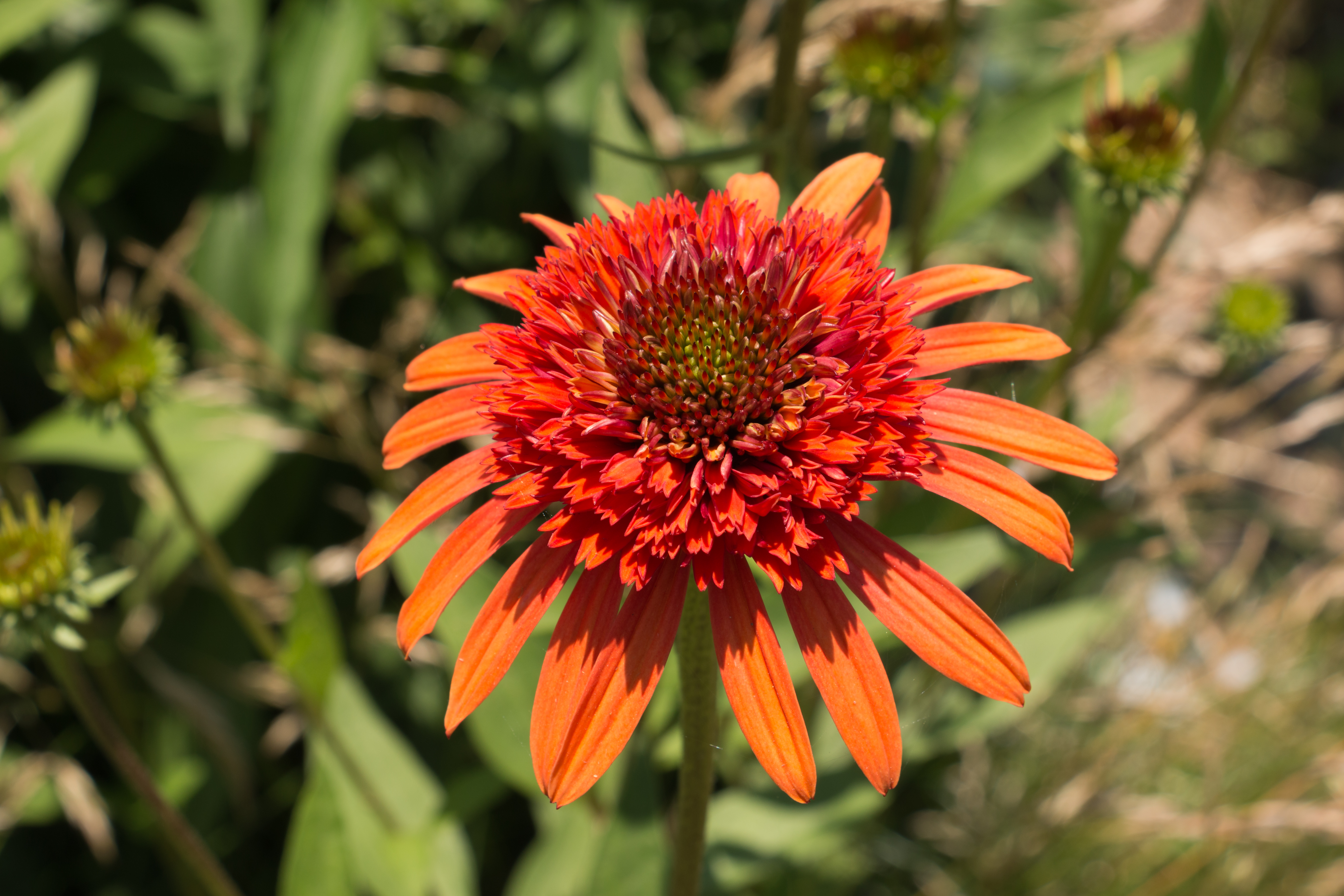
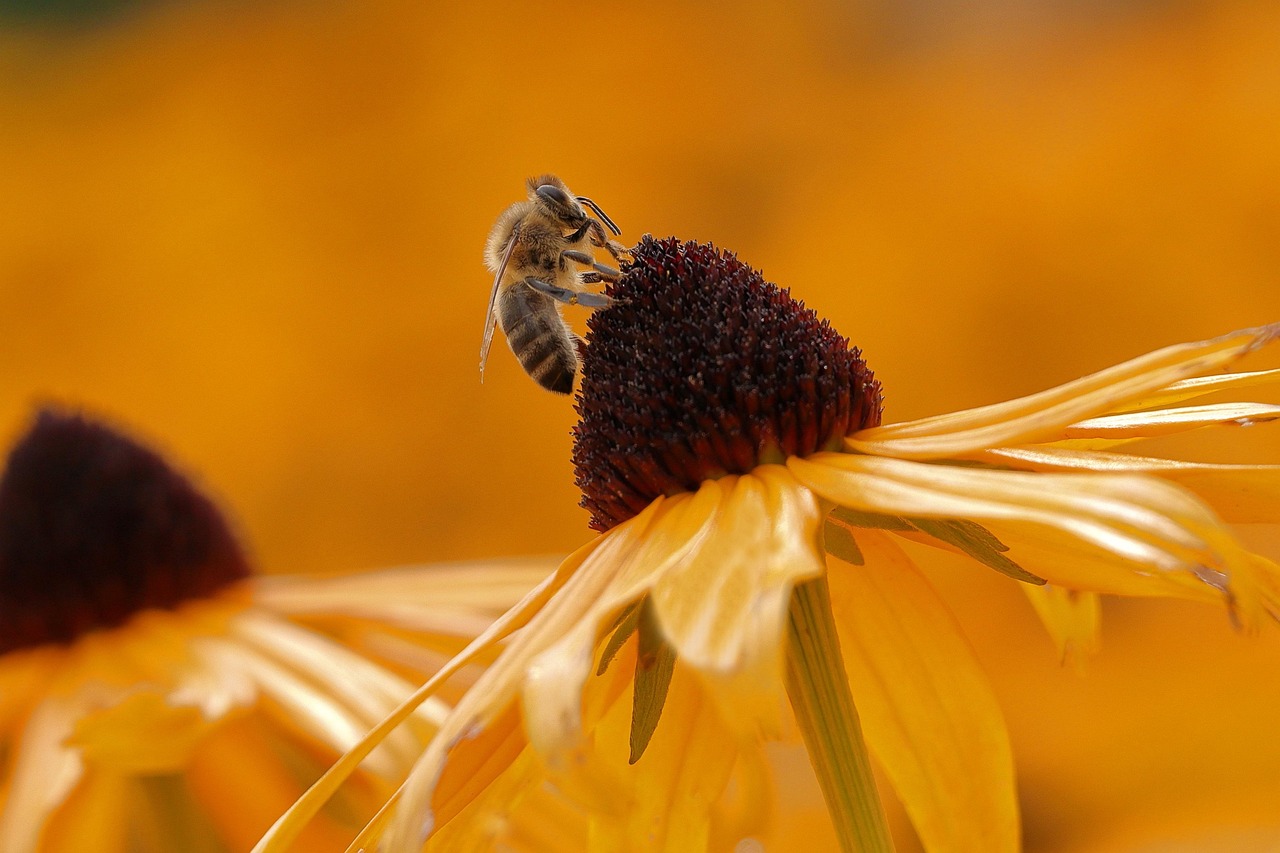
- Food Source: Seed heads from plants like Coneflower and Black-eyed Susan provide vital food for birds throughout the winter, which are also part of a healthy garden ecosystem.
- Soil Health: Decomposing leaves and plant matter enrich the soil, returning valuable nutrients and improving soil structure.
- Aesthetics: Frost-kissed seed heads and architectural stems can add a beautiful, naturalistic element to the winter landscape.
What Plant Material Should You Leave Standing?
The general rule is to leave as much healthy, non-diseased plant material as possible. Here are some specific examples:
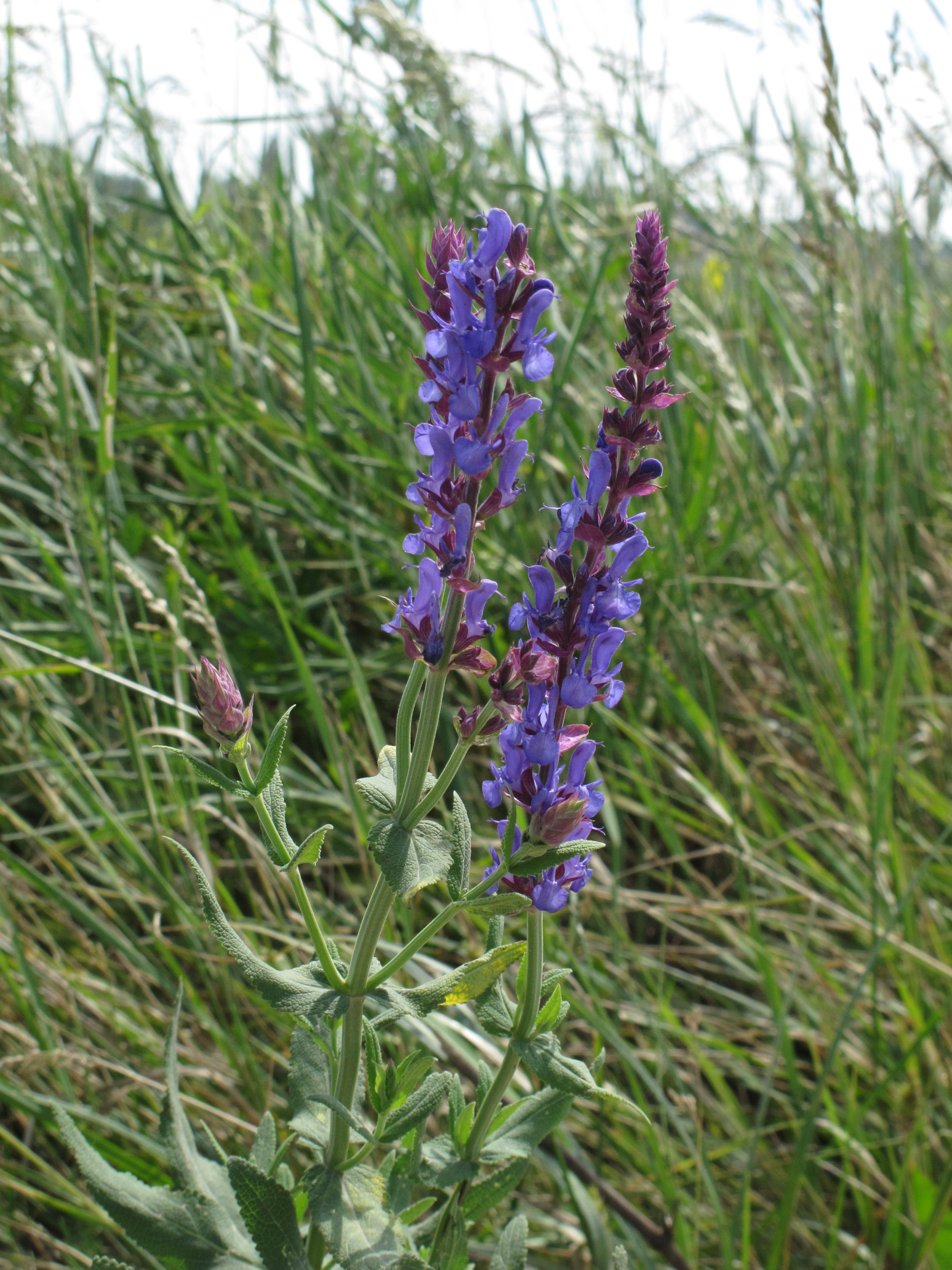
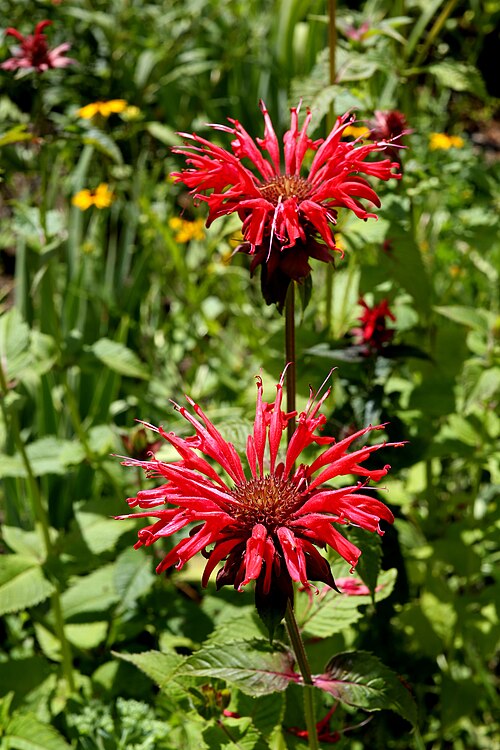
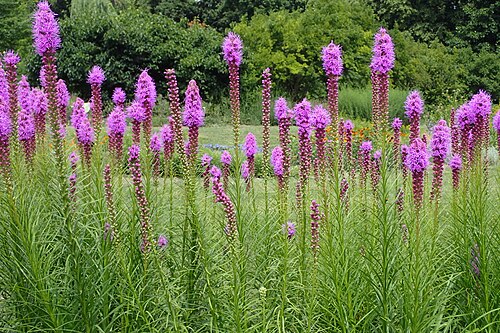
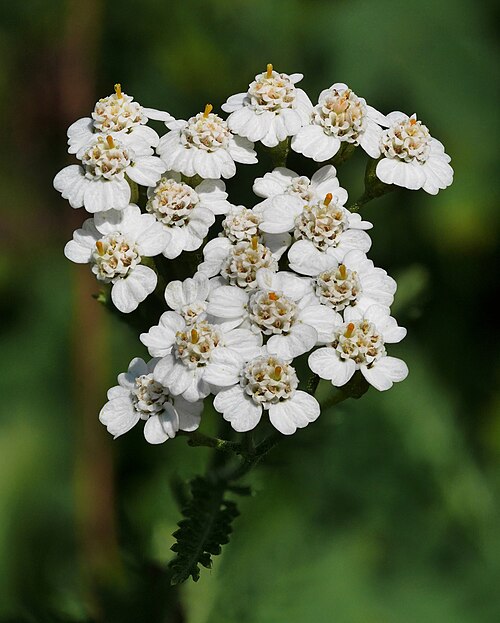
- Perennial Stems: Many native bees, such as mason bees and leafcutter bees, utilize hollow or pithy stems for nesting. Plants like Blazing Star, Bee Balm, Salvia, and Yarrow are excellent candidates to leave standing. Cut these back in spring when temperatures are consistently above 50°F (10°C), typically after new growth has emerged, allowing any overwintering insects to safely emerge.
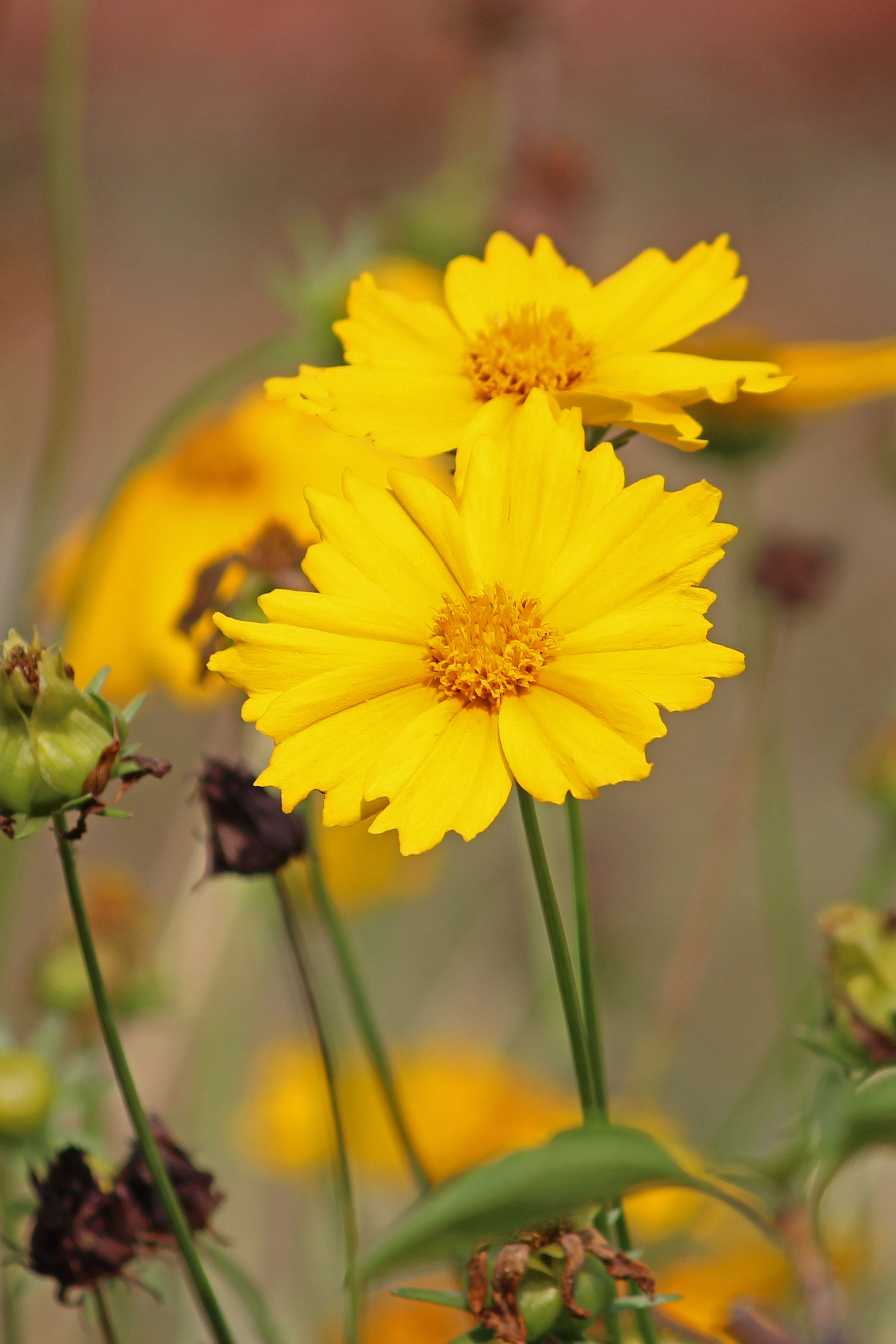
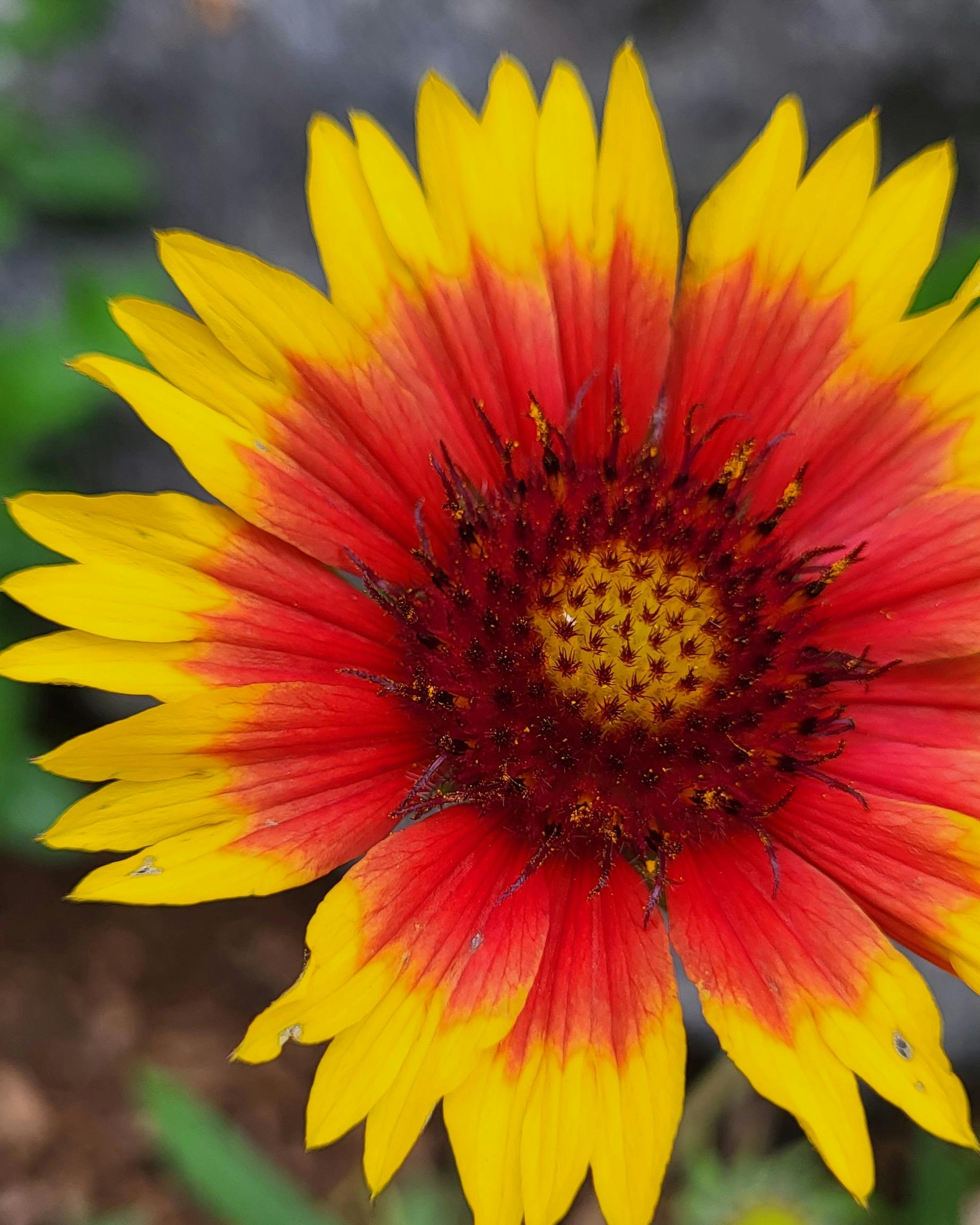
- Seed Heads: Plants such as Coneflower, Black-eyed Susan, Coreopsis, and Blanket Flower produce seeds that provide crucial food for birds during winter. Leave these intact.
- Leaf Litter: Don't rake away all the leaves from your garden beds. A layer of leaves provides insulation for plant roots and is a vital overwintering spot for many beneficial insects, including butterfly chrysalises (like those of Swallowtails) and moth larvae. If you have a thick layer, you can gently push some under shrubs or into less visible areas.
- Grasses: Ornamental grasses provide excellent shelter and visual interest. Leave them standing until early spring.
How Do You Handle Diseased or Invasive Plants in the Fall?
While the "leave it" philosophy is strong, there are exceptions. It's important to remove any plant material that could harbor diseases or pests that might overwinter and re-emerge in spring.
- Diseased Foliage: If you notice signs of fungal diseases (like powdery mildew, black spot, or rust) or significant pest infestations on foliage, it's best to remove and dispose of this material. Do not compost diseased plant parts, as the disease spores can survive and spread. Bag them and send them out with your yard waste.
- Invasive Weeds: Fall is an excellent time to tackle invasive weeds. Removing them now prevents them from going to seed and spreading further next spring.
- Aggressive Self-Seeders: If a particular plant is known to be an aggressive self-seeder and you want to control its spread, you can deadhead it before the seeds mature and drop. However, consider leaving some seed heads for birds if the plant isn't overly aggressive.
Quick Reference: Fall Pollinator Cleanup Checklist
| Action | Pollinator-Friendly Approach
- Annuals: Once annuals have finished their bloom cycle and are killed by frost, they can be removed.
When is the Best Time to Do Fall Cleanup?
The ideal time for fall cleanup is actually a bit of a misnomer. For pollinators, the "cleanup" is best spread out.
- Late Fall (after hard frost): This is when you can remove any truly diseased plant material. Resist cutting back healthy perennials until much later.
- Late Winter/Early Spring (when temperatures are consistently above 50°F/10°C): This is the prime time to cut back the remaining perennial stems. Waiting until spring ensures that any overwintering insects have had a chance to emerge from their stem nurseries. If you cut back too early, you might trap and kill them.
What About the "Messy" Look?
We understand that a perfectly manicured lawn and garden are appealing to many. However, a truly pollinator-friendly garden embraces a bit of wildness. Think of it as "structured wildness."
- Designated "Wild" Areas: If you have space, consider dedicating a small, less visible corner of your yard to be truly wild. Let leaves accumulate, allow some plants to go completely to seed, and create a brush pile.
- Strategic Tidying: Focus your tidying efforts on pathways, entranceways, and areas where safety or aesthetics are paramount. In other areas, embrace the natural cycle.
- Educate Your Neighbors: If you're concerned about neighborly opinions, a friendly conversation or even a small sign explaining that your garden is a "Pollinator Haven" can help.
By shifting your perspective on fall cleanup from a chore to an act of conservation, you'll be providing invaluable support to the tiny creatures that make our gardens (and our planet) thrive. Your spring garden will thank you with a flurry of activity, as healthy pollinator populations emerge to bring your flowers to life.
Ready to find the perfect plants for your yard? Try the PlantWise Plant Finder →