Best Native Plants for Hummingbirds: Complete Guide
Attracting hummingbirds to your garden is a delightful experience, and the best way to do so is by planting native species. Native plants are perfectly adapted to your local environment and provide the ideal nectar sources that hummingbirds have evolved to recognize and rely on, offering a healthier and more sustainable food source than artificial feeders. These plants not only provide essential sustenance but also support the broader ecosystem, creating a vibrant habitat for these tiny, jewel-toned birds. By choosing native plants, you ensure a continuous bloom of nectar-rich flowers that hummingbirds adore, without the potential risks associated with sugar water solutions in feeders.
Why Choose Native Plants for Hummingbirds?
Native plants offer a multitude of benefits for hummingbirds and your garden alike. Unlike exotic species, native plants are naturally suited to your region's climate, soil, and rainfall patterns, making them low-maintenance and resilient. This means less watering, fertilizing, and pest control for you. More importantly, native plants have a co-evolutionary relationship with local wildlife, including hummingbirds. Their flower shapes, colors, and nectar composition are precisely what these birds seek out.
Hummingbirds are primarily attracted to red, orange, and pink tubular flowers, which are often rich in the specific type of sugar they need for their high-energy metabolism. Native plants provide this natural, balanced diet, free from artificial sweeteners or preservatives that can sometimes be found in commercial feeder solutions. Furthermore, a garden rich in native plants also attracts insects, which, while not the primary food source, are a crucial part of a hummingbird's diet, especially for protein. By creating a native plant habitat, you're not just feeding hummingbirds; you're supporting a thriving ecosystem.
🌱 Get Personalized Plant Picks
Answer a few quick questions and we’ll match plants to your exact yard conditions.
Find My Plants →What Makes a Plant Attractive to Hummingbirds?
Hummingbirds are highly specialized feeders, and certain plant characteristics are irresistible to them. Understanding these preferences can help you design a garden that will be a hummingbird haven.
First and foremost, hummingbirds are drawn to flower color. While they can see a wide spectrum of colors, they show a strong preference for red, orange, and pink blooms. These vibrant hues act as beacons, signaling a rich nectar source.
Flower shape is another critical factor. Hummingbirds have long, slender beaks and even longer tongues, perfectly designed to reach deep into tubular or trumpet-shaped flowers. These flower structures often prevent other insects from accessing the nectar, making it an exclusive treat for hummingbirds.
Nectar quality and quantity are paramount. Hummingbirds require a constant supply of high-energy nectar to fuel their incredibly fast metabolisms. Plants that produce abundant, sugar-rich nectar throughout their blooming period are highly favored.
Finally, continuous bloom time is essential. To support hummingbirds from spring migration through fall departure, it's vital to have a succession of blooming plants in your garden. This ensures a consistent food supply throughout the growing season.
Which Native Plants Are Best for Hummingbirds?
When selecting plants for your hummingbird garden, focus on species native to your specific region. Here are some excellent choices that are widely recognized for their hummingbird appeal across various North American climates:
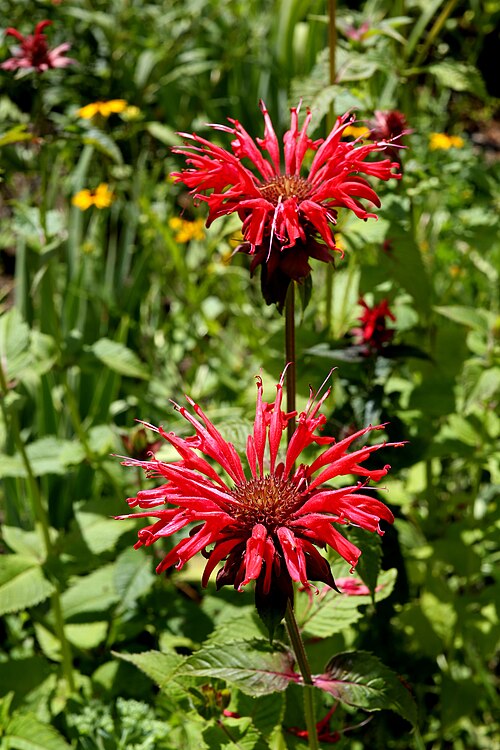
- Bee Balm (Monarda spp.): These vibrant, spiky flowers come in shades of red, pink, and purple. They are a hummingbird magnet, blooming profusely in mid-summer. Bee Balm
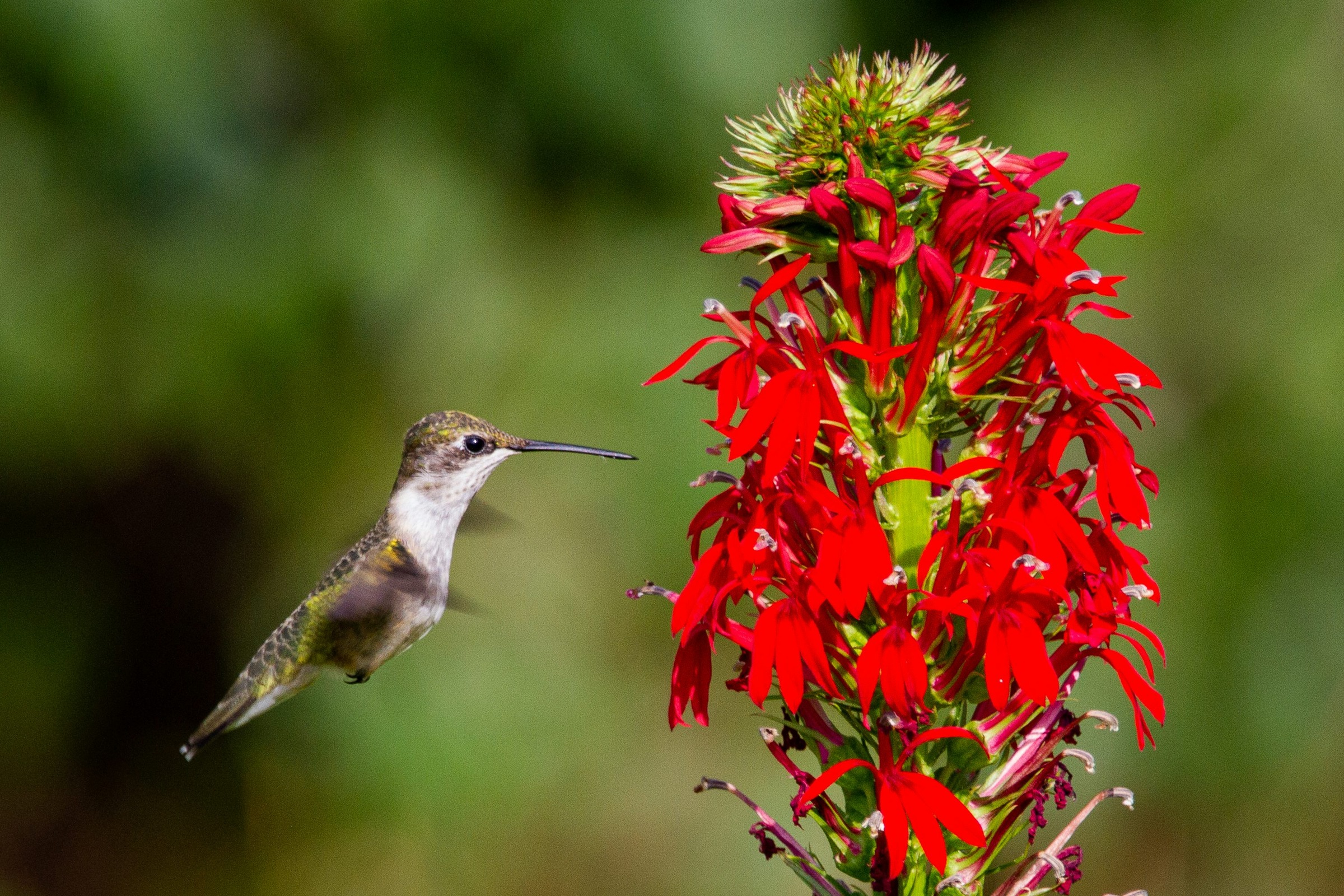
- Cardinal Flower (Lobelia cardinalis): With its brilliant scarlet-red flowers, the Cardinal Flower is practically custom-made for hummingbirds. It thrives in moist soil and partial shade.
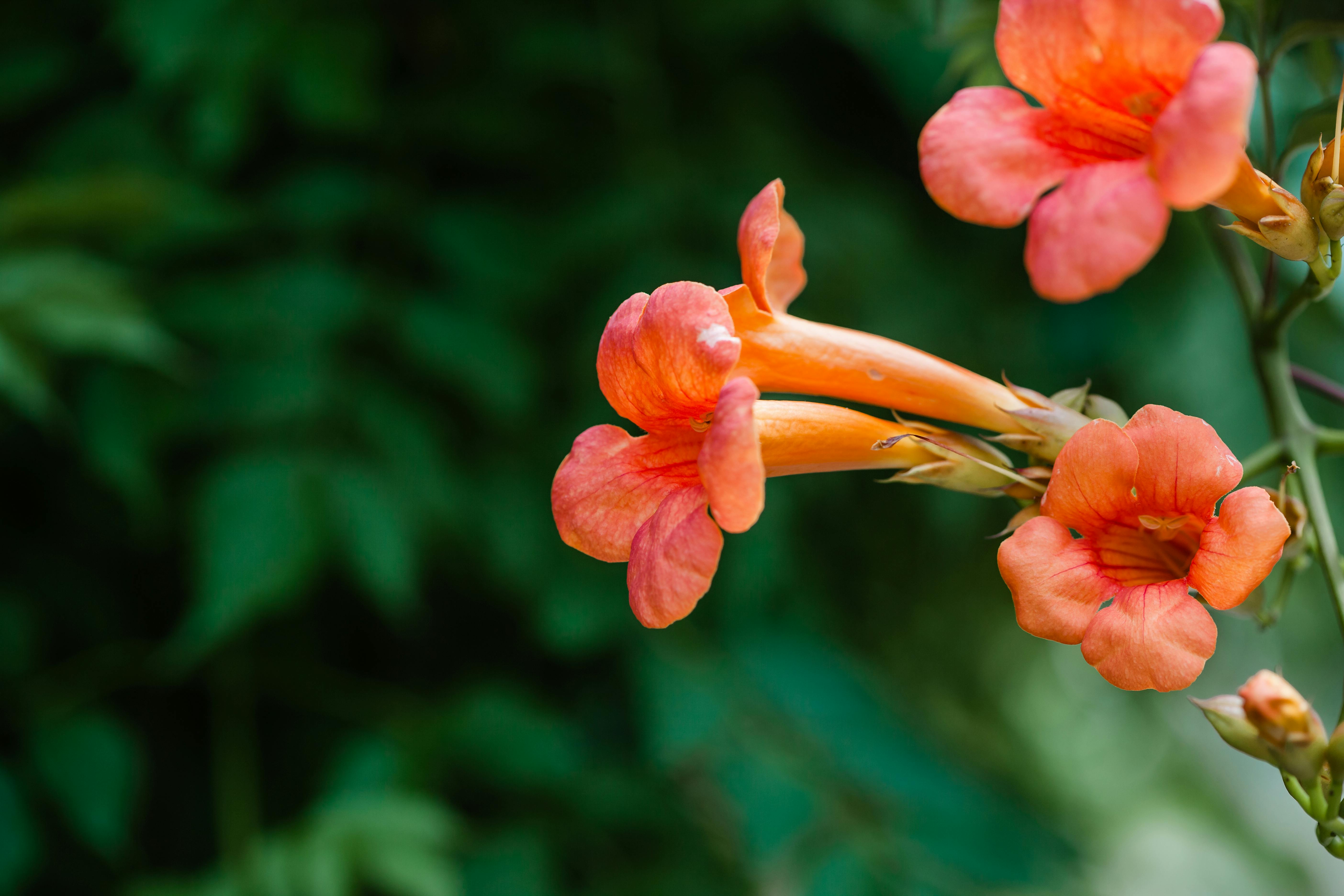
- Trumpet Vine (Campsis radicans): A vigorous climber with large, orange to red trumpet-shaped flowers. Be mindful of its growth habit, as it can be quite assertive.
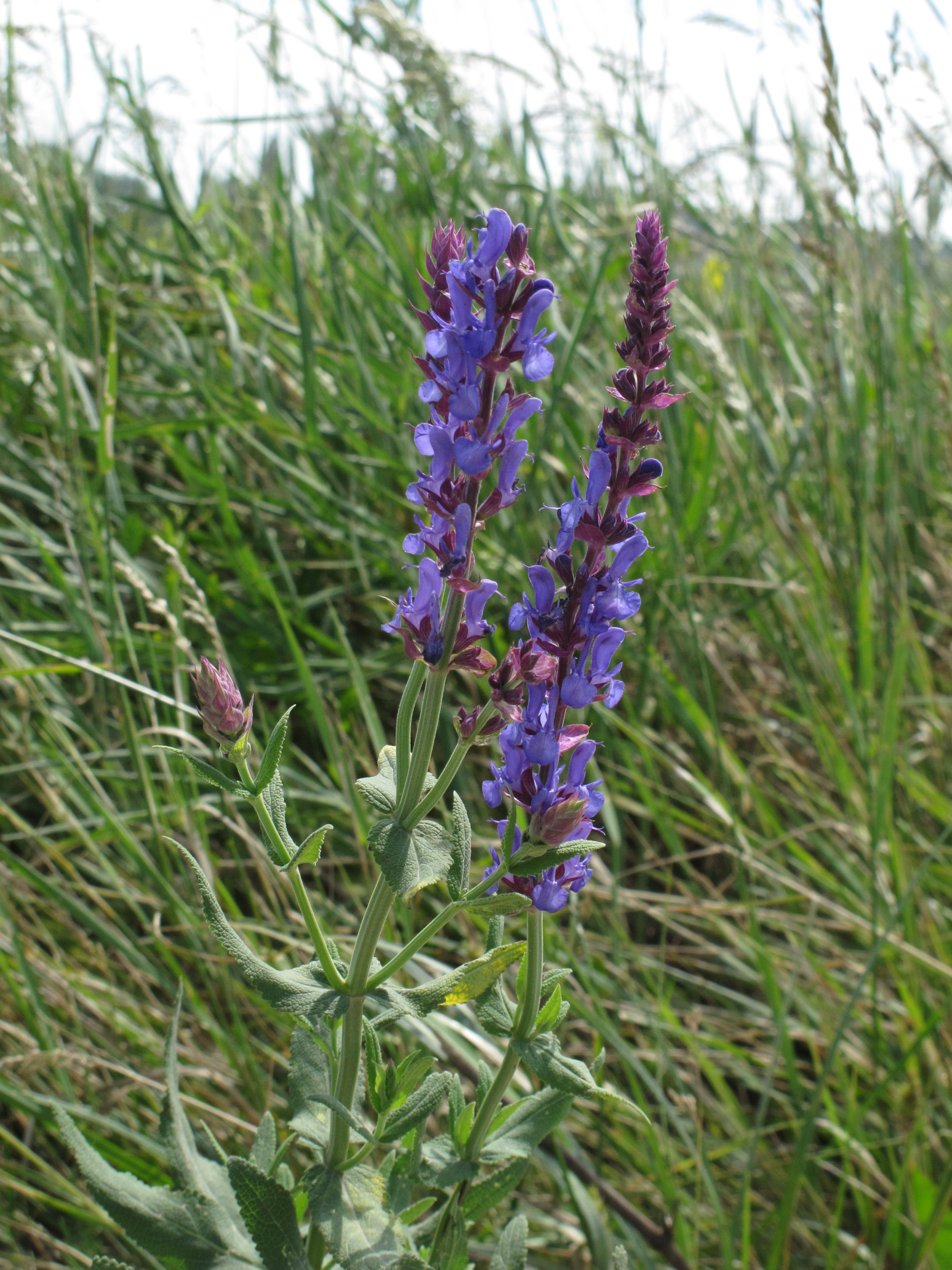
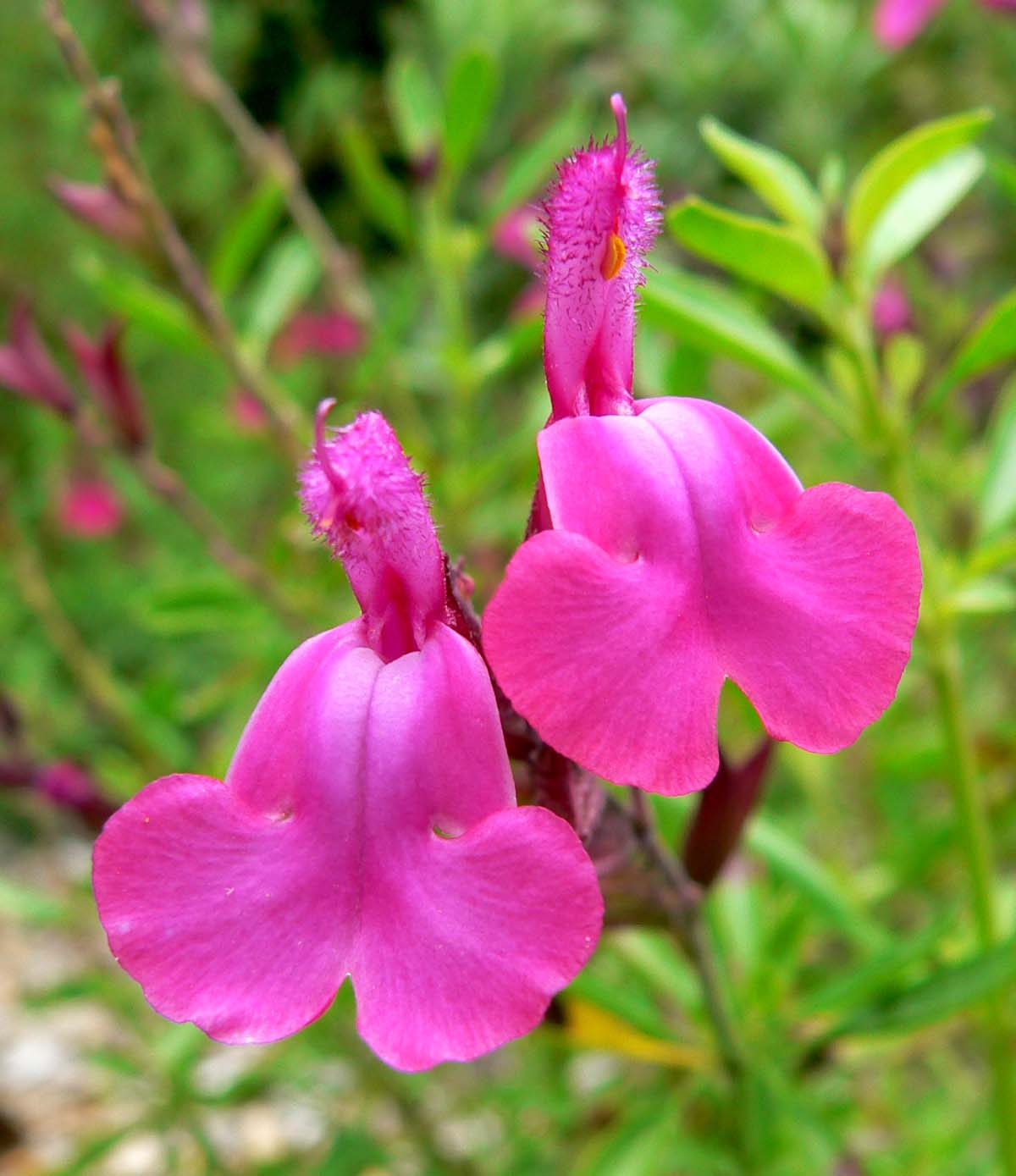
- Salvia (Salvia spp.): Many native salvias, such as Scarlet Sage (Salvia coccinea) or Autumn Sage (Salvia greggii), offer tubular flowers in reds, pinks, and purples that hummingbirds adore. They are often drought-tolerant once established. Salvia
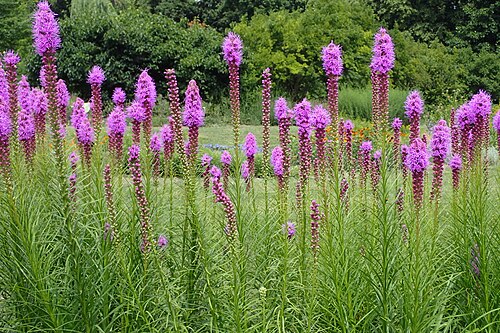
- Blazing Star (Liatris spicata): These tall, purple, bottlebrush-like flowers bloom from the top down, providing a unique vertical element and attracting hummingbirds and butterflies alike. Blazing Star
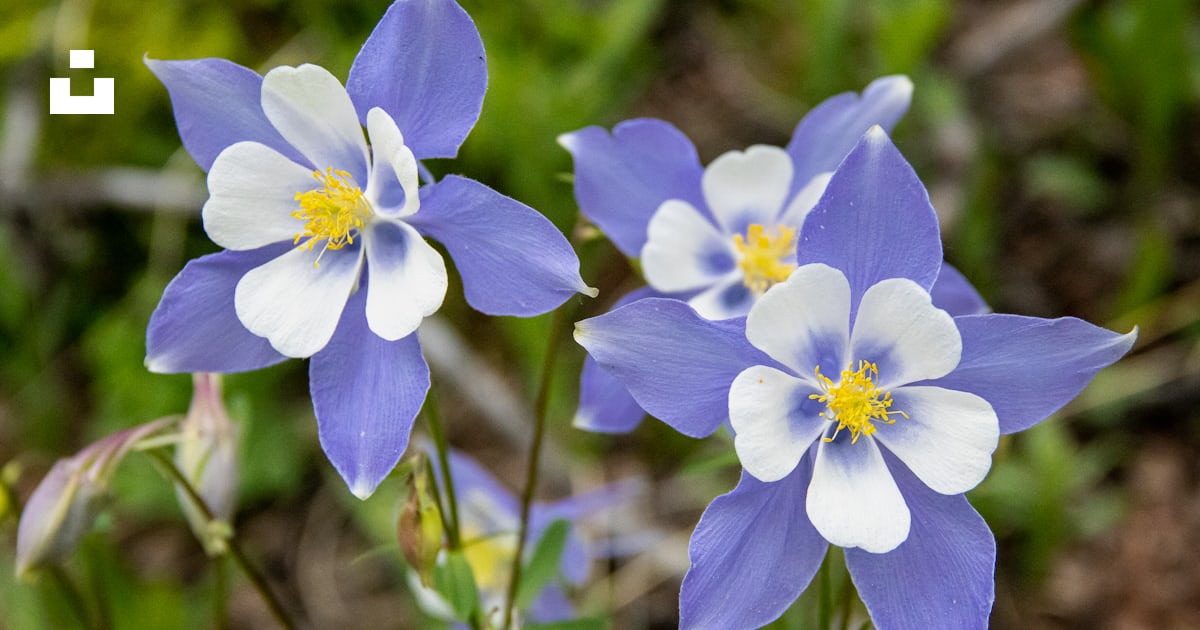
- Columbine (Aquilegia canadensis): A beautiful early-season bloomer with unique red and yellow spurred flowers that are a favorite of returning hummingbirds in spring.
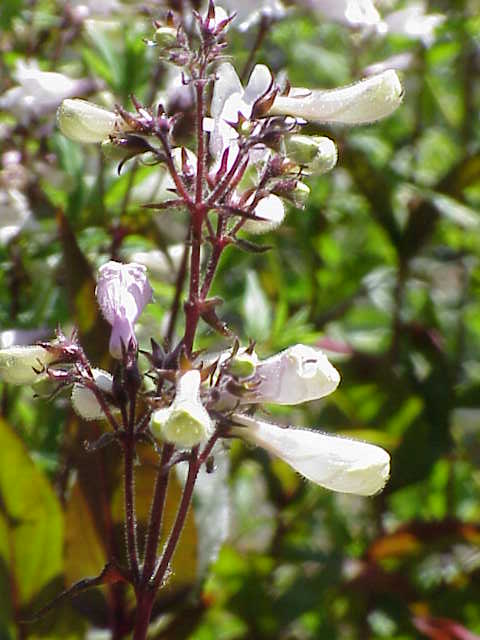
- Penstemon (Penstemon spp.): Also known as Beardtongue, many native Penstemon varieties feature tubular flowers in shades of red, pink, and purple, offering a reliable nectar source.
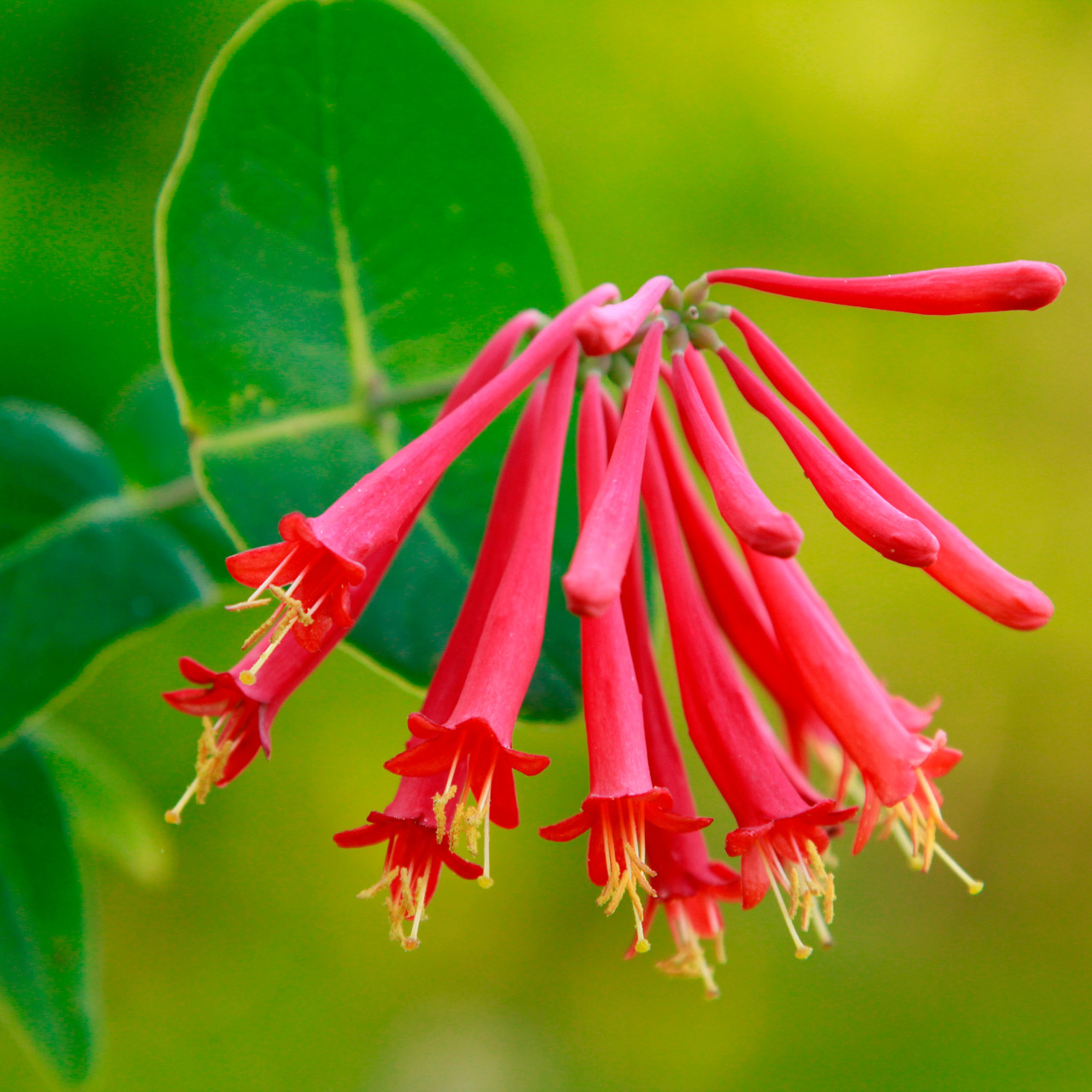
- Coral Honeysuckle (Lonicera sempervirens): Unlike invasive non-native honeysuckles, this native vine has beautiful coral-red, trumpet-shaped flowers that are highly attractive to hummingbirds.
How Do I Create a Hummingbird-Friendly Garden?
Designing a garden that effectively attracts and supports hummingbirds involves more than just planting the right flowers. Consider these practical tips to create an inviting habitat:
- Plant in Clusters: Hummingbirds are more likely to notice and visit large groupings of flowers rather than scattered individual plants. Mass plantings create a more prominent visual signal.
- Provide Continuous Blooms: Plan your garden so that something is always in bloom from early spring to late fall. This ensures a consistent food source throughout their migratory and breeding seasons. Research the bloom times of your chosen native plants and select a variety to cover the entire growing season.
- Include Water Sources: While not directly for drinking, a shallow bird bath with a mister or a small fountain can be very appealing to hummingbirds for bathing. They love to dart through fine sprays of water.
- Avoid Pesticides: Pesticides can harm hummingbirds directly or indirectly by reducing the insect populations they sometimes feed on for protein. Embrace organic gardening practices to keep your garden healthy and safe.
- Offer Perching Spots: Hummingbirds spend a lot of time perching, resting, and surveying their territory. Include tall shrubs, small trees, or even clotheslines where they can comfortably perch.
- Consider Shelter: Dense shrubs or small trees can offer protection from predators and harsh weather, especially during nesting season.
Quick Reference: Top Native Plants for Hummingbirds
| Plant Name | Flower Color | Bloom Time | Light Needs | Key Feature |
|---|---|---|---|---|
| Bee Balm | Red, Pink, Purple | Summer | Full Sun - Partial | Spiky, tubular flowers, very attractive |
| Cardinal Flower | Scarlet Red | Late Summer - Fall | Partial Sun | Brilliant color, thrives in moist areas |
| Trumpet Vine | Orange, Red | Summer | Full Sun | Vigorous climber, large trumpet flowers |
| Salvia | Red, Pink, Purple | Spring - Fall | Full Sun | Drought-tolerant, long bloom period |
| Blazing Star | Purple | Summer | Full Sun | Unique bottlebrush spikes, attracts butterflies |
| Columbine | Red & Yellow | Spring | Partial Sun | Early bloomer, unique spurred flowers |
| Penstemon | Red, Pink, Purple | Late Spring - Summer | Full Sun - Partial | Tubular flowers, diverse species |
| Coral Honeysuckle | Coral Red | Spring - Fall | Full Sun - Partial | Native vine, non-invasive |
By incorporating these beautiful and beneficial native plants into your landscape, you'll not only enjoy the vibrant spectacle of hummingbirds but also contribute to the health and biodiversity of your local ecosystem.
Ready to find the perfect plants for your yard? Try the PlantWise Plant Finder →