Milkweed Seed to Sow in Late Fall
Sow native milkweed seed outdoors in late fall, after the soil turns cold, about 1/4 inch deep, and let winter handle the 30 to 60 days of cold, moist stratification the seed needs. In most of the country that means November through early December; in Zones 8 to 10, sow in late fall ahead of winter rains.
Fall sowing is the easiest way to grow milkweed from seed. Spring-sown seed that skipped stratification often sits in the soil and never comes up.
Which milkweed should you sow?
| Species | Best for | Notes |
|---|---|---|
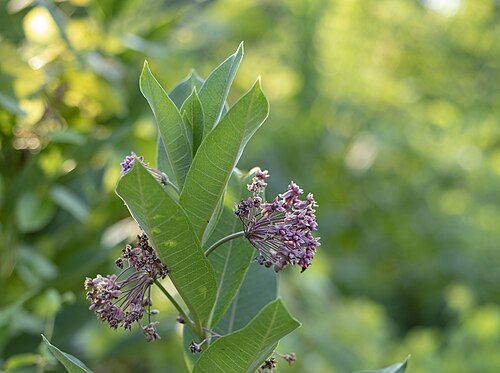
| Common milkweed (Asclepias syriaca) | Northeast, Midwest, open meadows | Spreads by runners; give it room |
| Swamp milkweed (A. incarnata) | Moist beds, rain gardens | Clump-forming, tidy in borders |
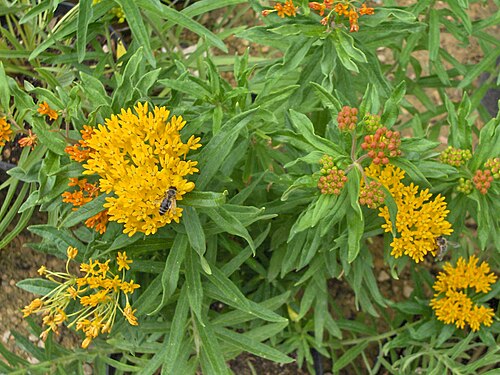
| Butterfly weed (A. tuberosa) | Dry, sunny, sandy sites | Orange flowers, deep taproot, slow from seed |
| Showy milkweed (A. speciosa) | West and Plains | Western counterpart to common milkweed |
| Antelope horn / aquatic milkweed | South Central, Southeast | Regional natives for warm climates |
Skip tropical milkweed (A. curassavica) in the Gulf Coast, Florida, and California. It keeps growing through winter there, which can disrupt monarch migration and build up a parasite called OE. Native species die back on their own.
🌱 Get Personalized Plant Picks
Answer a few quick questions and we’ll match plants to your exact yard conditions.
Find My Plants →Checklist
- Choose a site with full sun; most milkweeds flower poorly in shade.
- Clear grass and weeds from a small patch rather than scattering seed into turf.
- Sow seeds about 1/4 inch deep, or press into the surface and cover with a thin layer of soil.
- Sow thickly; germination from wild-type seed is uneven and you can thin later.
- Label the patch, since seedlings look like nothing special in spring.
- Water only if the fall is unusually dry after sowing.
Shop native monarch seed on Amazon
Native host-plant seed packets and regional mixes for monarch habitat. We may earn a commission at no extra cost to you.
Amazon · Native monarch host seed Amazon · Butterfly garden seed mix
Can you start it indoors instead?
Yes, but you have to fake winter. Mix seed with damp paper towel or sand in a sealed bag, refrigerate it for 30 days, then sow indoors under lights about 6 to 8 weeks before your last frost. The fall outdoor method skips all of that and often produces sturdier plants because the seedlings never have to adjust from indoors.
How long until monarchs use it?
First-year milkweed seedlings are small, but monarchs will lay eggs on surprisingly young plants. Flowers usually show up in year two. Common milkweed spreads into a colony over several seasons, which is great in a meadow and less great in a tight border. Swamp milkweed and butterfly weed stay put.
Planting partners
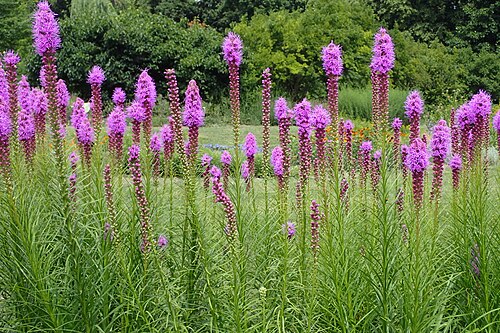
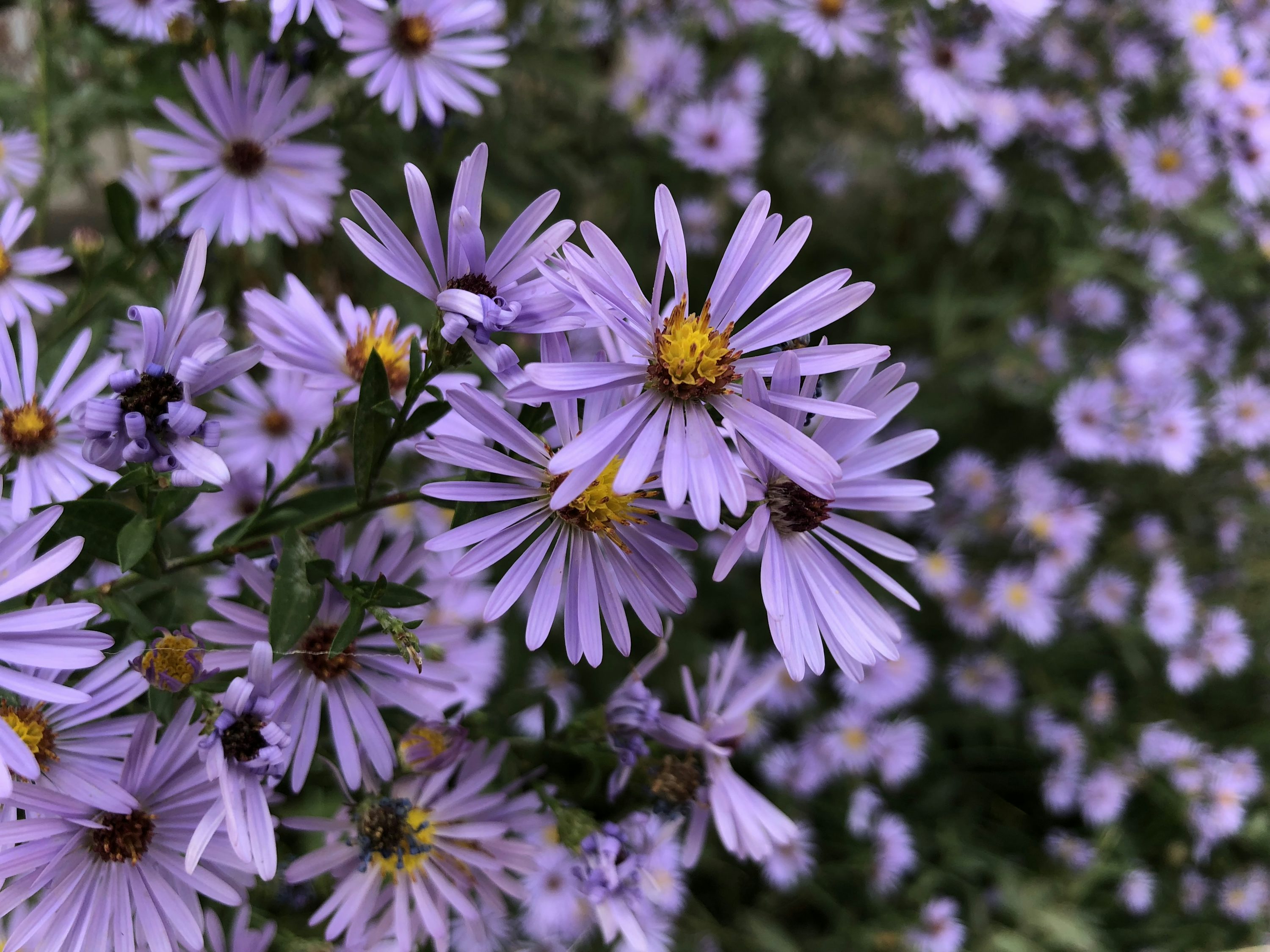
Monarchs need nectar as much as host plants. Pair milkweed with late-season bloomers like asters, goldenrod, and blazing star so adults can fuel up before migration. Our monarch butterfly garden plants list and the milkweed zone guide cover regional picks.
Milkweed sap contains cardiac glycosides and is toxic if eaten by pets and livestock. Plant it where dogs are not likely to chew it, and call your vet or the ASPCA Animal Poison Control Center at (888) 426-4435 if a pet eats any. Deer generally avoid milkweed, though no plant is truly deer-proof and browsing varies by region and season.
Shop seed sowing helpers on Amazon
Plant markers and fine vermiculite for spreading small seed evenly. We may earn a commission at no extra cost to you.
Amazon · Garden plant markers Amazon · Vermiculite for seed sowing
Zone and timing notes
Northern and central zones: sow after the first few hard frosts, typically November. Zones 7 and 8: late November into December. Zones 9 and 10: sow native regional species in late fall, and avoid tropical milkweed. In any zone, seed that goes down too early in warm soil may germinate and freeze.
Bottom line
Sow native milkweed seed in late fall, about 1/4 inch deep, in full sun, and let winter stratify it. Pick a species that fits your region and soil, skip tropical milkweed in warm states, and plant nectar flowers alongside so monarchs have both food and host plants.
Related reading
- Milkweed zone guide
- Monarch butterfly garden plants
- Native plants for butterflies
- Wildflower seed to sow in late fall
Ready to match plants to your location? Try the PlantWise Plant Finder →