Best Milkweed Varieties by Zone: Complete Guide
Choosing the right milkweed for your region is crucial for supporting monarch butterflies and other pollinators. The best milkweed varieties by zone are typically native species that are well-adapted to your local climate and soil conditions. For northern zones (3-5), consider Common Milkweed ( Asclepias syriaca ) or Swamp Milkweed ( Asclepias incarnata ). In central zones (6-7), these varieties still thrive, along with Butterfly Weed ( Asclepias tuberosa ). Warmer southern zones (8-10) can also host Butterfly Weed, Aquatic Milkweed ( Asclepias perennis ), and sometimes Tropical Milkweed ( Asclepias curassavica ) with careful management. Always prioritize native species to ensure the best ecological fit and avoid potential issues for monarchs.
Milkweed (genus Asclepias) is the only host plant for monarch butterfly caterpillars, making it an indispensable addition to any pollinator garden. Beyond monarchs, milkweed flowers provide nectar for a wide array of bees, butterflies, and other beneficial insects. However, with over 100 species native to North America, selecting the right one for your garden can seem daunting. This guide will help you navigate the options, ensuring you choose a milkweed that thrives in your USDA hardiness zone and best supports local wildlife.
🌱 Get Personalized Plant Picks
Answer a few quick questions and we’ll match plants to your exact yard conditions.
Find My Plants →Why is Choosing the Right Milkweed Variety by Zone So Important?
Selecting milkweed native to your specific region is paramount for several reasons. Native plants are naturally adapted to your local climate, soil, and rainfall patterns, meaning they require less maintenance, water, and fertilizer once established. More importantly, native milkweed species are synchronized with the life cycle of local monarch populations.
For example, non-native milkweeds, particularly Tropical Milkweed (Asclepias curassavica), can sometimes grow year-round in frost-free climates. While seemingly beneficial, this can disrupt monarchs' natural migration patterns, encouraging them to stay in areas where they would typically migrate south. Year-round growth can also lead to a buildup of Ophryocystis elektroscirrha (OE), a protozoan parasite that can weaken and kill monarch butterflies. By choosing native, perennial milkweed that dies back in winter, you help ensure monarchs follow their natural migratory instincts and reduce the risk of OE transmission.
What are the Best Native Milkweed Varieties for Each Zone?
To make your selection easier, here's a breakdown of some of the most popular and beneficial native milkweed varieties, categorized by their preferred USDA hardiness zones. Remember that some varieties have a broad range and can overlap across several zones.
Zones 3-5 (Cold Climates)
In colder regions, you need milkweed varieties that can withstand harsh winters and reliably return each spring.
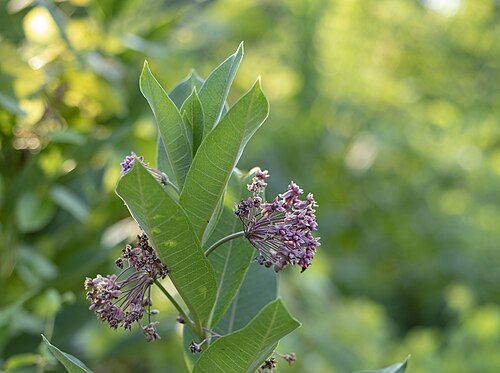
Common Milkweed (Asclepias syriaca):
- Description: The quintessential milkweed, known for its large, broad leaves and clusters of fragrant, pinkish-purple flowers. It's a vigorous spreader via rhizomes, so give it space or plant it where spreading is desired.
- Conditions: Full sun, adaptable to a wide range of soils, including poor or clay soils. Drought tolerant once established.
- Height: 3-6 feet.
- Best for: Naturalized areas, meadows, large gardens.
Swamp Milkweed (Asclepias incarnata):
- Description: Despite its name, it doesn't require a swamp, but it does prefer consistently moist to wet soils. Features elegant clusters of pink to rose-purple flowers.
- Conditions: Full sun to partial shade, moist to wet soil. Does not spread aggressively by rhizomes like common milkweed.
- Height: 3-5 feet.
- Best for: Rain gardens, pond edges, areas with consistently moist soil.
Zones 6-7 (Temperate Climates)
These zones offer a wider range of options, as many milkweeds thrive in temperate conditions.
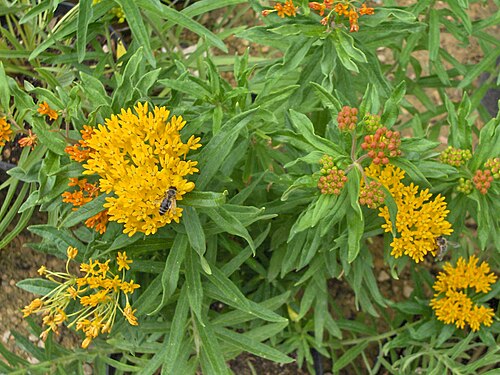
Butterfly Weed (Asclepias tuberosa):
- Description: A showstopper with vibrant orange or yellow flowers that are incredibly attractive to butterflies and other pollinators. Unlike other milkweeds, its sap is clear, not milky. It's a tap-rooted plant, making it drought tolerant and difficult to transplant once established.
- Conditions: Full sun, well-drained to dry soils. Tolerates heat and drought.
- Height: 1-2 feet.
- Best for: Perennial borders, rock gardens, xeriscaping.
Whorled Milkweed (Asclepias verticillata):
- Description: A more delicate milkweed with narrow, needle-like leaves arranged in whorls along the stem. Produces clusters of small, white to greenish-white flowers.
- Conditions: Full sun to partial shade, dry to medium, well-drained soils. Very drought tolerant.
- Height: 1-3 feet.
- Best for: Meadows, naturalized areas, dry gardens.
Zones 8-10 (Warm Climates)
Warmer zones can support a diverse array of milkweeds, but careful consideration of native species is especially important here to avoid issues with Tropical Milkweed.
Butterfly Weed (Asclepias tuberosa): (See above) Still an excellent choice for these zones, providing reliable bloom and monarch support.
Aquatic Milkweed (Asclepias perennis):
- Description: A unique milkweed that thrives in very wet conditions, often found growing in shallow water or boggy areas. Produces delicate white flowers.
- Conditions: Full sun to partial shade, consistently wet to submerged soil.
- Height: 1-3 feet.
- Best for: Ponds, bogs, rain gardens, very wet areas.
Green Antelopehorn Milkweed (Asclepias viridis):
- Description: Features striking green flowers with purple centers, often resembling antelope horns before opening. A robust plant that tolerates heat and drought.
- Conditions: Full sun, dry to medium, well-drained soils.
- Height: 1-2 feet. Best for: Prairies, meadows, dry sunny borders.
Quick Reference: Milkweed by Zone & Characteristics
| Milkweed Variety | USDA Zones | Flower Color | Height (feet) | Soil Preference | Spreading Tendency | Notes |
|---|---|---|---|---|---|---|
| Common Milkweed | 3-9 | Pink-Purple | 3-6 | Adaptable, incl. clay | Aggressive | Vigorous, fragrant, good for naturalizing. |
| Swamp Milkweed | 3-9 | Pink-Rose Purple | 3-5 | Moist to Wet | Clumping | Prefers consistent moisture, elegant. |
| Butterfly Weed | 3-9 | Orange/Yellow | 1-2 | Well-drained to Dry | Clumping | Clear sap, drought tolerant, vibrant. |
| Whorled Milkweed | 3-9 | White-Greenish | 1-3 | Dry to Medium, well-d. | Moderate | Delicate appearance, very drought tolerant. |
| Aquatic Milkweed | 6-10 | White | 1-3 | Wet to Submerged | Clumping | Unique for very wet conditions. |
| Green Antelopehorn Milkweed | 6-10 | Green with Purple | 1-2 | Dry to Medium, well-d. | Clumping | Heat & drought tolerant, unique flowers. |
How Do I Know Which Milkweed is Native to My Area?
While this guide provides a general overview, the best way to determine the truly native milkweed for your specific location is to consult local resources.
- Native Plant Societies: Most states and regions have native plant societies that offer detailed lists and recommendations.
- Cooperative Extension Offices: Your local university extension office is an invaluable resource for horticultural advice tailored to your area.
- Native Plant Nurseries: Nurseries specializing in native plants will stock species appropriate for your ecoregion.
- Online Databases: Websites like the Lady Bird Johnson Wildflower Center or the USDA PLANTS Database allow you to search for native plants by state or county.
Remember, even within a USDA zone, microclimates and specific soil conditions can vary. Observing what grows naturally in nearby wild areas can also offer clues.
Is Tropical Milkweed (Asclepias curassavica) Safe to Plant for Monarchs?
This is a frequently debated topic among monarch enthusiasts. While Tropical Milkweed is an excellent host plant and nectar source, its use requires careful consideration, especially in zones where it doesn't die back naturally (zones 8-10 and warmer).
In frost-free areas, Tropical Milkweed can grow year-round, which can lead to two main problems:
- Disruption of Migration: Monarchs in these areas may forgo their natural migration south if a food source is available all winter, leaving them vulnerable to cold snaps and predators.
- OE Parasite Buildup: The Ophryocystis elektroscirrha (OE) parasite can accumulate on year-round milkweed. Caterpillars that ingest OE spores can emerge as adults with deformities, reduced lifespan, and impaired flight.
Recommendation: If you live in a warm climate (zones 8-10) and choose to plant Tropical Milkweed, it is crucial to cut it back to the ground in late fall or early winter (around October/November). This practice mimics the natural dieback of native milkweeds, encourages monarchs to migrate, and helps reduce OE transmission. In zones where it naturally dies back (zones 7 and colder), it behaves like a perennial and poses less risk, but native options are always preferred.
By selecting the right milkweed for your zone and managing it appropriately, you can create a thriving habitat that supports monarch butterflies and contributes to the health of your local ecosystem. Happy planting!
Ready to find the perfect plants for your yard? Try the PlantWise Plant Finder →