Best Native Plants for Butterflies: Complete Guide
Creating a vibrant garden that supports local wildlife is a rewarding endeavor, and few creatures bring as much joy and beauty as butterflies. Native plants are unequivocally the best choice for attracting and sustaining butterfly populations because they have co-evolved with local butterfly species, providing the precise nectar and host plant resources these insects need for every stage of their life cycle. Unlike non-native plants, native species offer the essential nourishment and habitat that butterflies recognize and depend on, ensuring a thriving ecosystem right in your backyard.
Why Choose Native Plants for Butterflies?
When it comes to supporting butterflies, native plants are simply superior. Their long evolutionary history with local butterfly species means they provide exactly what these insects need, from nectar for adult butterflies to specific foliage for caterpillars. Many butterfly species are specialists, meaning their caterpillars can only feed on one or a few types of host plants. Without these native host plants, their life cycle cannot be completed.
Beyond providing food, native plants are also adapted to your local climate and soil conditions, making them easier to grow and maintain without excessive watering, fertilizing, or pesticides. This creates a healthier environment for butterflies and other pollinators, as well as for your garden as a whole. By choosing native plants, you're not just planting a garden; you're restoring a vital part of your local ecosystem.
🌱 Get Personalized Plant Picks
Answer a few quick questions and we’ll match plants to your exact yard conditions.
Find My Plants →What Do Butterflies Need in a Garden?
To create a truly butterfly-friendly garden, you need to think beyond just pretty flowers. Butterflies require specific resources throughout their entire life cycle.
Nectar Sources for Adults: Adult butterflies primarily feed on nectar, which provides them with energy. They are attracted to flowers with open, flat clusters or tubular shapes that allow easy access to nectar. A continuous bloom time from spring through fall is crucial to provide a steady food source.
Host Plants for Caterpillars: This is perhaps the most critical, yet often overlooked, aspect of a butterfly garden. Female butterflies lay their eggs on specific host plants, and once hatched, the caterpillars feed on the leaves of these plants. Without the correct host plants, the caterpillars cannot survive and mature into butterflies. For example, Monarch butterfly caterpillars exclusively feed on milkweed.
Shelter and Water: Butterflies also need places to rest, bask in the sun, and shelter from wind and rain. Flat stones or bare patches of soil can serve as basking spots. A shallow dish with wet sand or pebbles (a "puddling station") can provide water and essential minerals. Avoid deep water sources where they might drown.
Which Native Plants Are Best for Attracting Butterflies?
A diverse selection of native plants will attract a wider variety of butterflies and support them throughout the seasons. Here are some top choices, categorized by their primary role:
Nectar-Rich Flowers for Adult Butterflies:
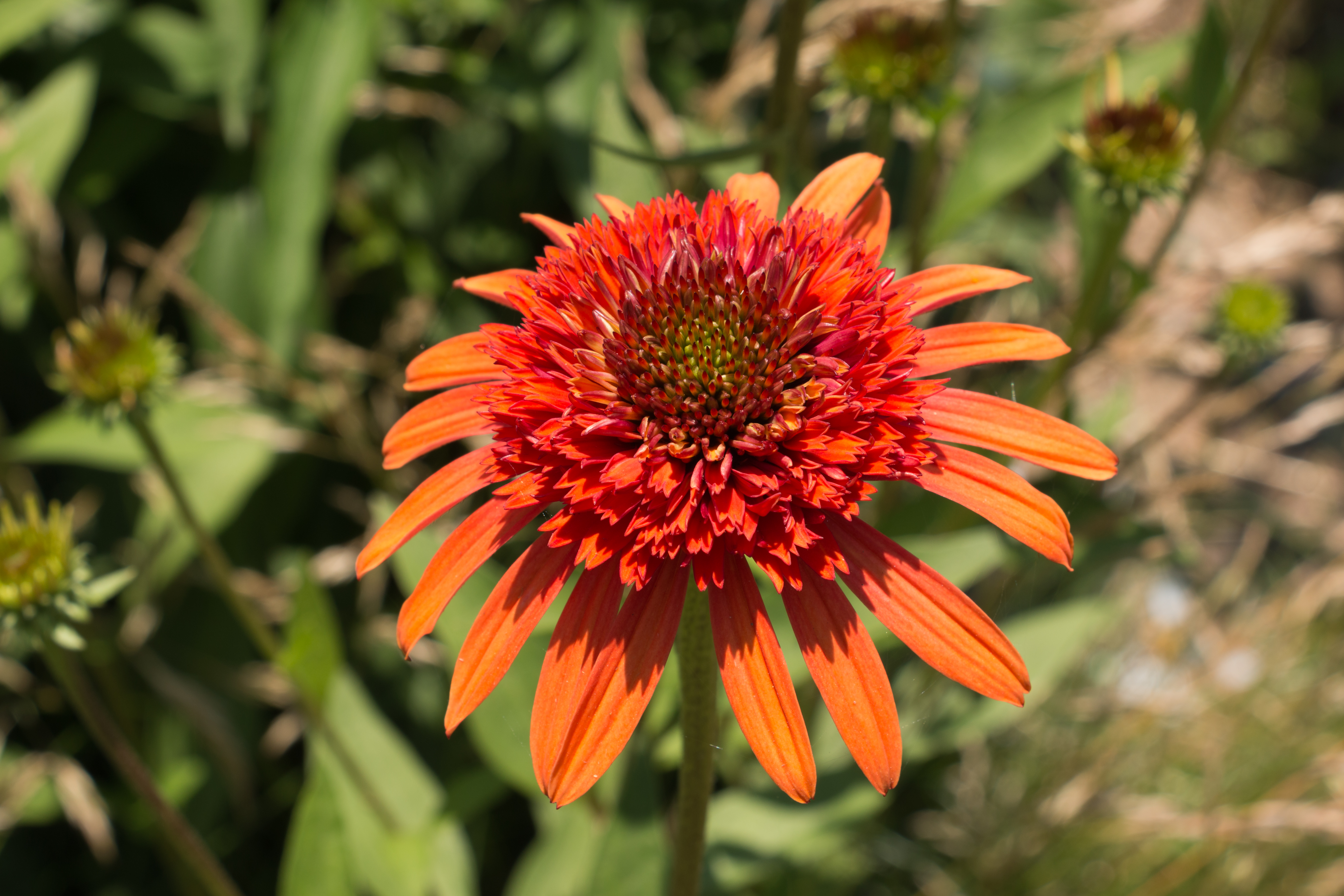
- Coneflower (Echinacea spp.): These iconic daisy-like flowers are a magnet for many butterfly species, including Monarchs, Swallowtails, and Fritillaries. They offer a long bloom period from summer into fall. Coneflower
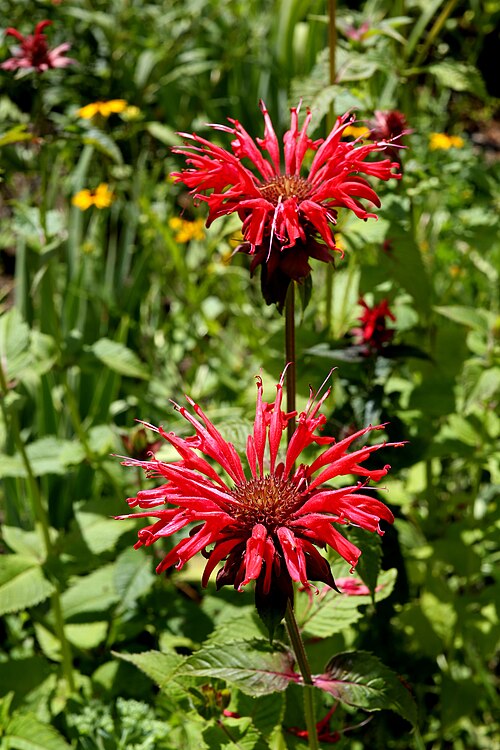
- Bee Balm (Monarda spp.): With their unique, shaggy blooms, Bee Balm varieties are excellent nectar sources, attracting Swallowtails, Skippers, and Hummingbird Moths. They also provide a beautiful splash of color. Bee Balm
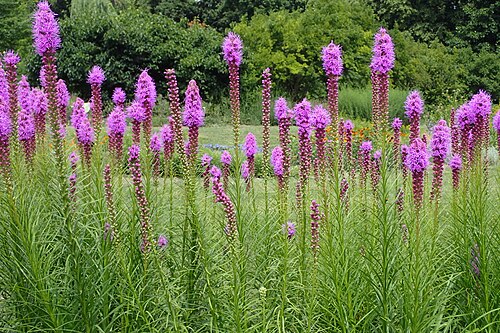
- Blazing Star (Liatris spp.): The tall, spiky flowers of Blazing Star are irresistible to butterflies, especially Monarchs and Swallowtails. They bloom in late summer, providing crucial nectar as butterflies prepare for migration. Blazing Star
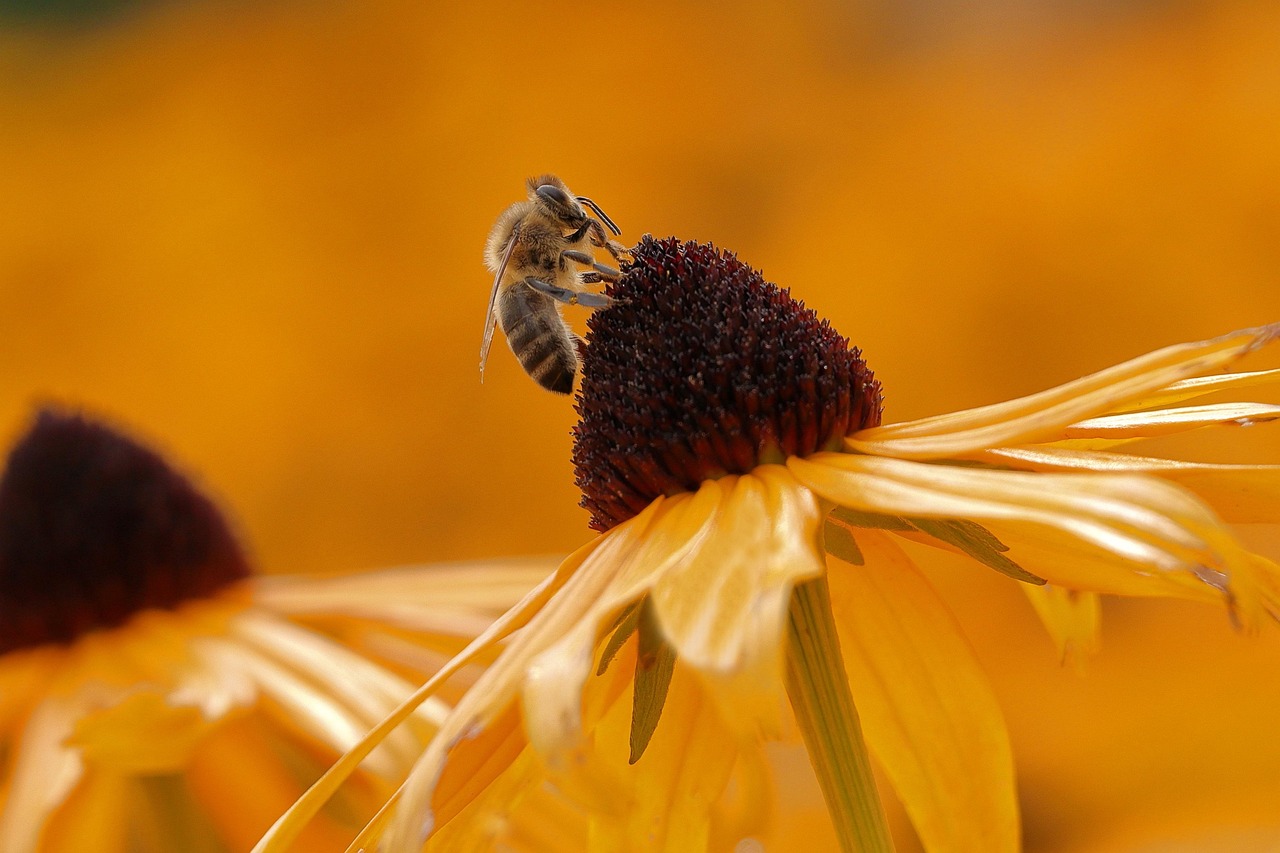
- Black-eyed Susan (Rudbeckia hirta): These cheerful yellow flowers with dark centers are a favorite of many butterflies, including Painted Ladies and Checkerspots. They are tough, adaptable, and bloom for an extended period. Black-eyed Susan
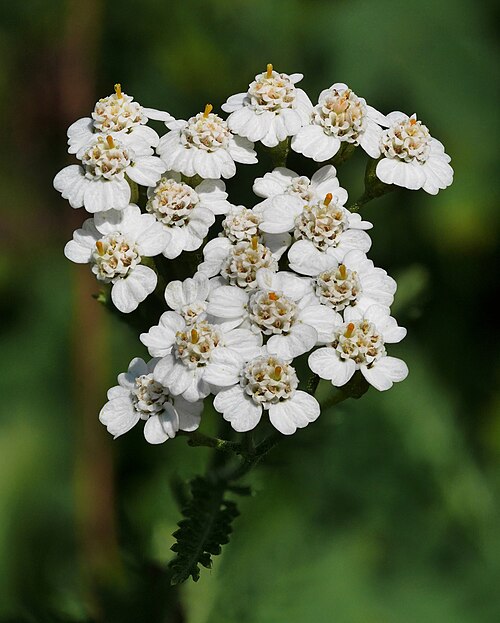
- Yarrow (Achillea millefolium): The flat-topped clusters of Yarrow flowers provide a landing pad and nectar source for smaller butterflies and beneficial insects. It's drought-tolerant and comes in various colors. Yarrow
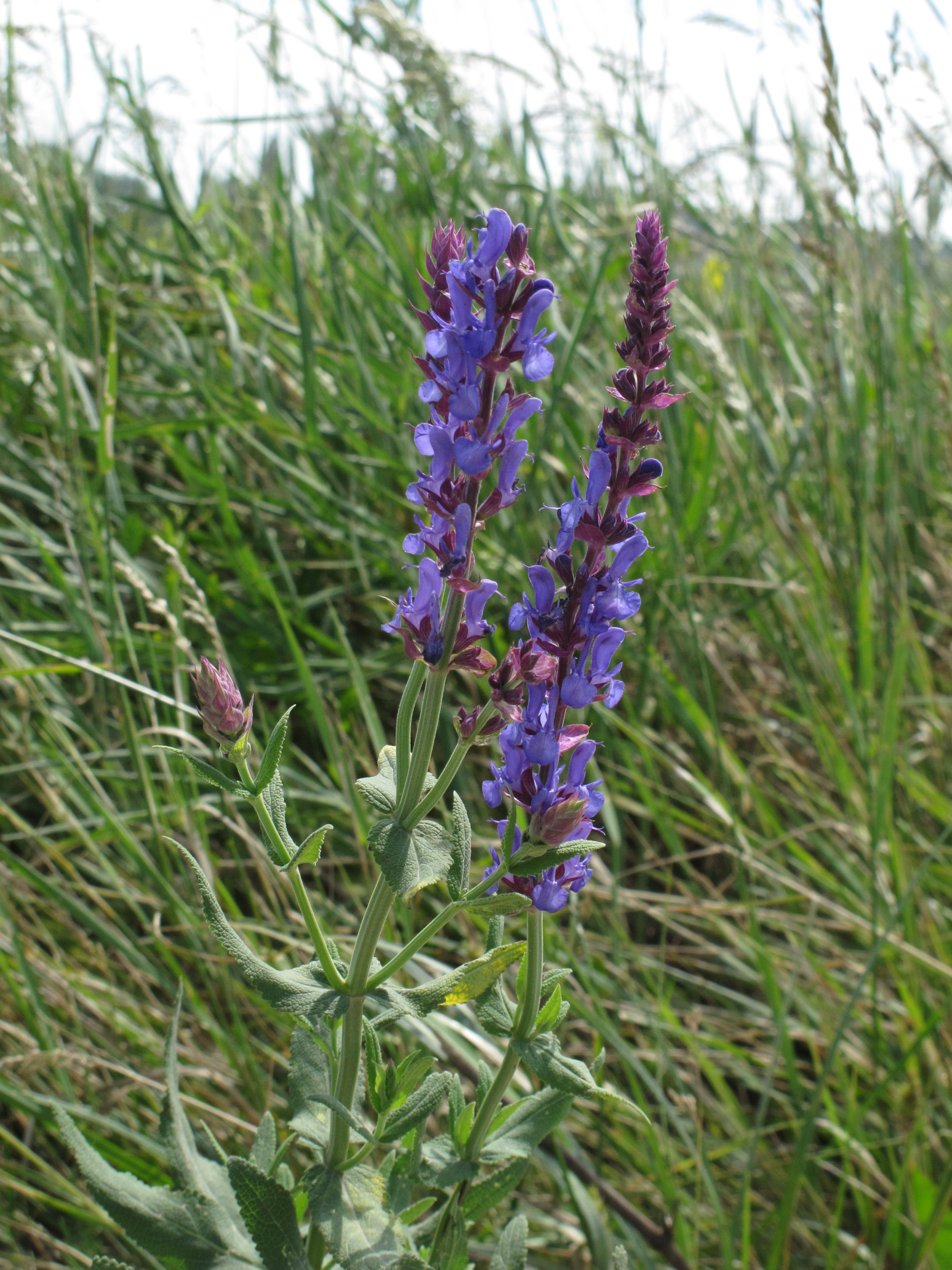
- Salvia (Salvia spp. - native varieties): Many native Salvia species offer tubular flowers packed with nectar, attracting a wide range of butterflies and hummingbirds. Salvia
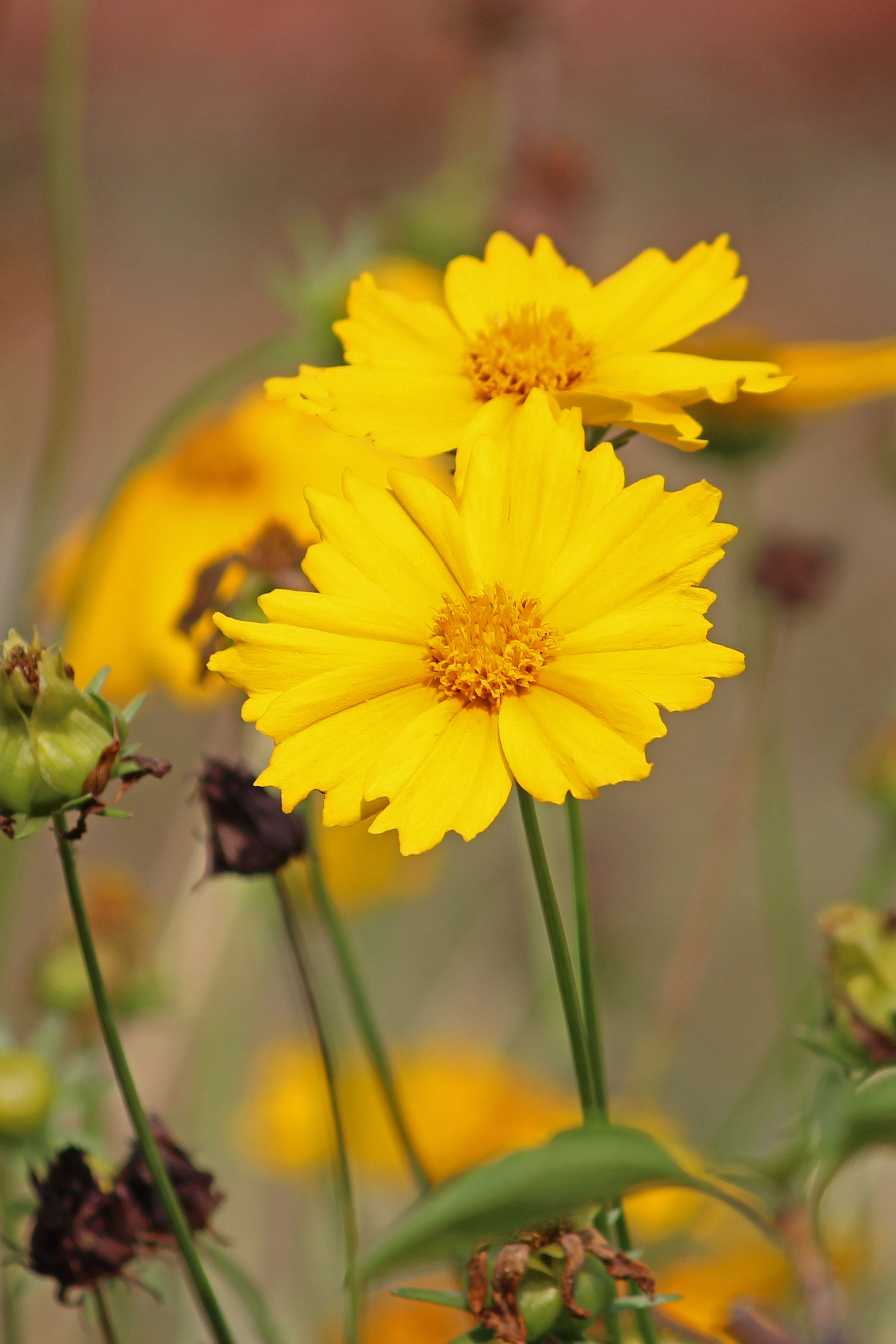
- Coreopsis (Coreopsis spp.): Often called Tickseed, these bright, cheerful flowers provide abundant nectar and a long bloom time, attracting many small to medium-sized butterflies. Coreopsis
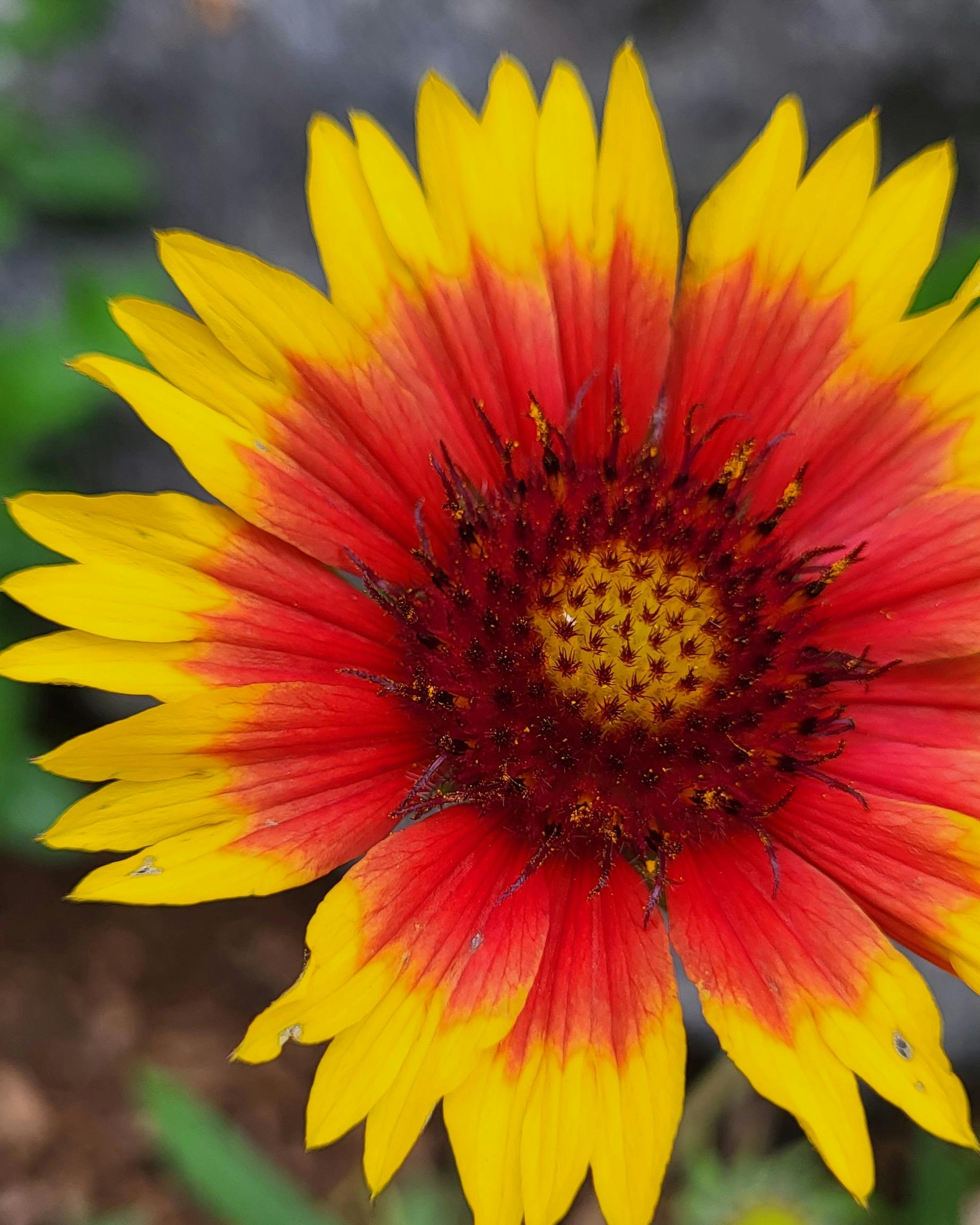
- Blanket Flower (Gaillardia spp.): Known for their vibrant, daisy-like blooms, Blanket Flowers are excellent for attracting butterflies and are very drought-tolerant. Blanket Flower
Essential Host Plants for Caterpillars:
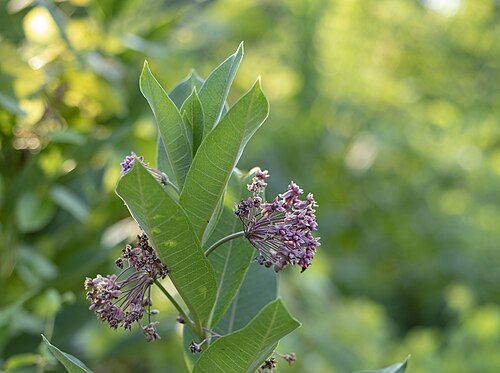
- Milkweed (Asclepias spp.): Absolutely essential for Monarch butterflies. Different species of milkweed are native to various regions, so choose one appropriate for your area (e.g., Common Milkweed, Swamp Milkweed, Butterfly Milkweed).
- Parsley, Dill, Fennel (Apiaceae family): While often grown as herbs, these are host plants for Black Swallowtail caterpillars.
- Willow (Salix spp.): Host plant for Mourning Cloak and Viceroy butterflies.
- Oaks (Quercus spp.): Support a vast number of caterpillar species, making them incredibly valuable.
- Violets (Viola spp.): Host plants for Fritillary butterflies.
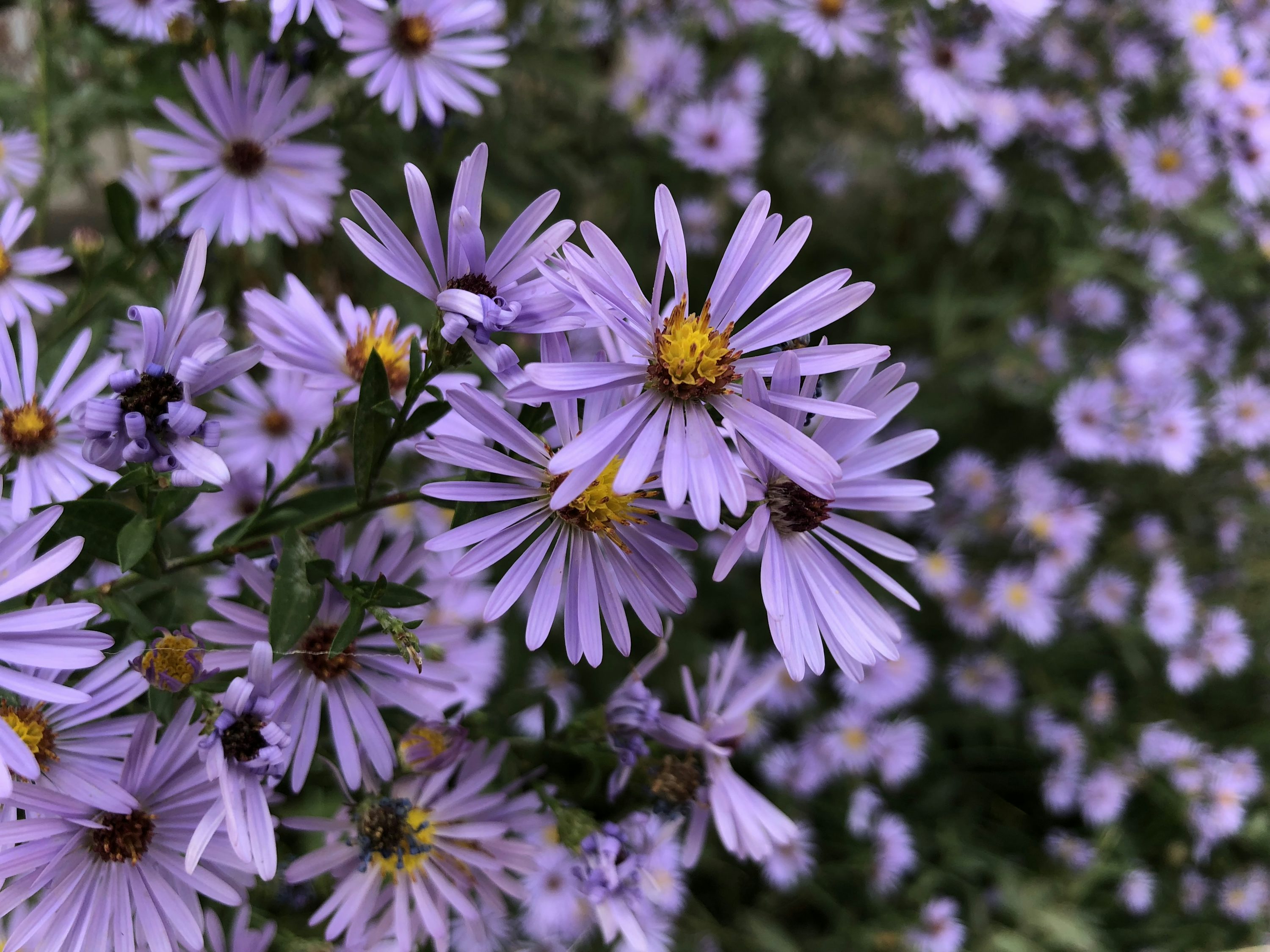
- Aster (Symphyotrichum spp.): Host plants for Pearl Crescent butterflies.
Quick Reference: Butterfly Garden Plant Guide
| Plant Name | Primary Role | Attracts (Adults) | Host Plant For (Caterpillars) | Bloom Time |
|---|---|---|---|---|
| Milkweed | Nectar & Host | Monarchs, Swallowtails, Fritillaries | Monarchs | Summer |
| Coneflower | Nectar | Monarchs, Swallowtails, Fritillaries, Skippers | Some moths | Summer - Fall |
| Bee Balm | Nectar | Swallowtails, Skippers, Hummingbird Moths | N/A | Summer |
| Blazing Star | Nectar | Monarchs, Swallowtails, Painted Ladies | N/A | Late Summer - Fall |
| Black-eyed Susan | Nectar | Painted Ladies, Checkerspots, Swallowtails | N/A | Summer - Fall |
| Yarrow | Nectar | Smaller butterflies, beneficial insects | N/A | Summer |
| Native Salvia | Nectar | Various butterflies, hummingbirds | N/A | Spring - Fall |
| Coreopsis | Nectar | Small to medium butterflies | N/A | Summer - Fall |
| Blanket Flower | Nectar | Various butterflies | N/A | Summer - Fall |
| Oaks | Host | N/A | Many species | N/A |
| Violets | Host | N/A | Fritillaries | Spring |
How Can I Create a Successful Butterfly Garden?
Creating a thriving butterfly garden involves more than just planting the right species. Here are some practical tips:
- Plant in Groups: Butterflies are more likely to notice and visit large drifts or clusters of flowers rather than single plants scattered throughout the garden. Grouping plants also makes it easier for them to forage efficiently.
- Provide Continuous Bloom: Aim for a succession of blooms from early spring to late fall. This ensures that nectar is available throughout the entire active season for butterflies. Plan your garden with plants that bloom at different times.
- Avoid Pesticides: Even organic pesticides can be harmful to butterflies and their caterpillars. Embrace a more natural approach to pest control by encouraging beneficial insects and birds, and tolerating some leaf damage on host plants (it means your garden is working!).
- Offer Sunny Spots: Butterflies are cold-blooded and need to bask in the sun to warm up their flight muscles. Ensure your garden has open, sunny areas, perhaps with flat stones for them to land on.
- Provide Water and Shelter: A shallow "puddling station" can be a great addition. Also, consider planting shrubs or taller perennials that can offer shelter from wind and predators.
- Research Local Species: Understand which butterflies are native to your specific region and what their particular host plant needs are. Local nurseries and extension offices can be great resources.
By thoughtfully selecting native plants and considering the full life cycle of butterflies, you can transform your garden into a vibrant haven for these enchanting pollinators.
Ready to find the perfect plants for your yard? Try the PlantWise Plant Finder →