Wildflower Seed to Sow in Late Fall
Sow native perennial wildflower seed in late fall, after soil temperatures drop and stay below about 50°F, so seed sits dormant through winter and germinates on its own schedule in spring. In cold zones that usually means late October through December, and in mild zones it means October and November to line up with winter rains.
This is called dormant seeding, and it works because many native species need weeks of cold, moist conditions before they will sprout. Fall sowing gives them that treatment for free, with no refrigerator and no seed trays.
Why late fall sowing works for natives
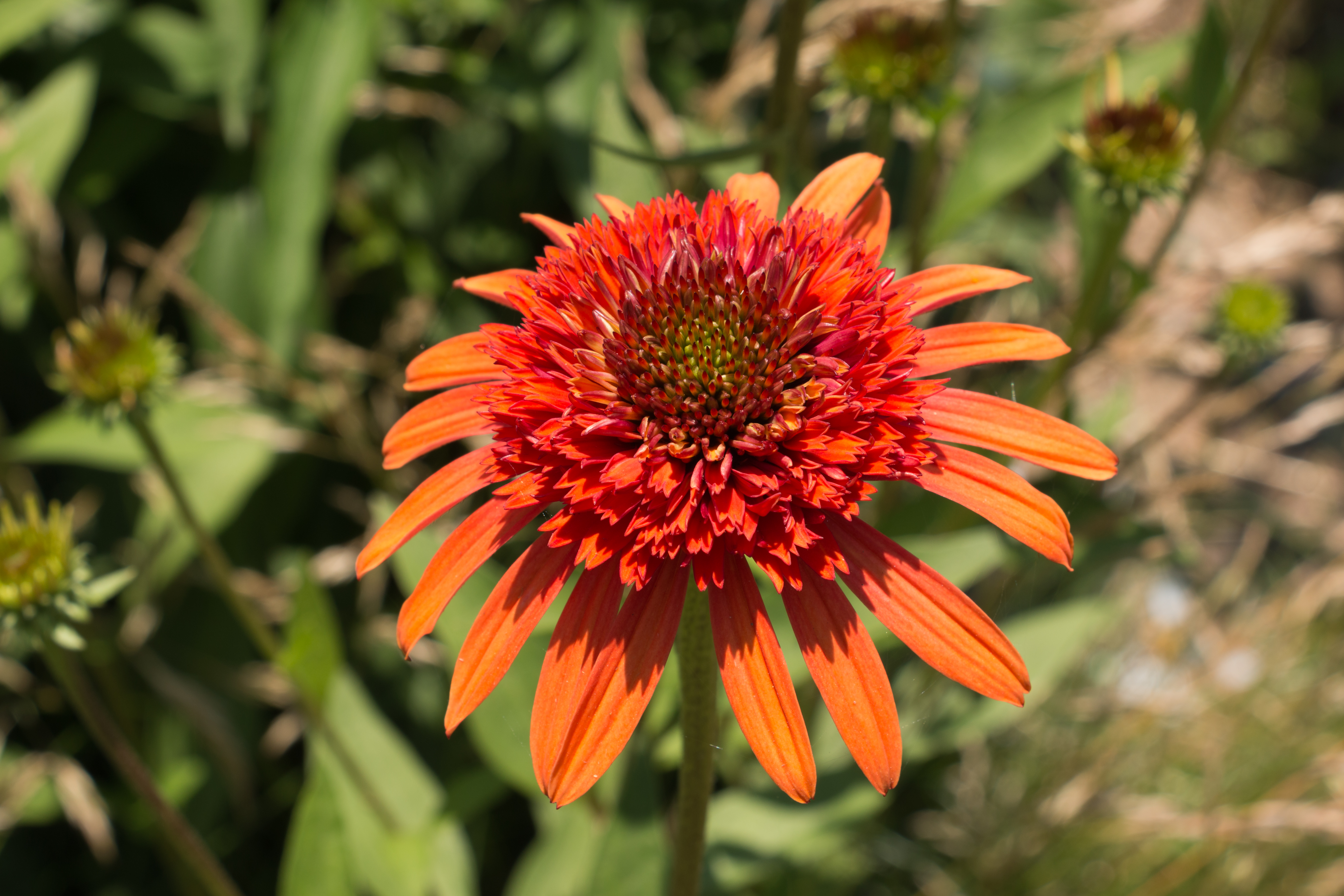
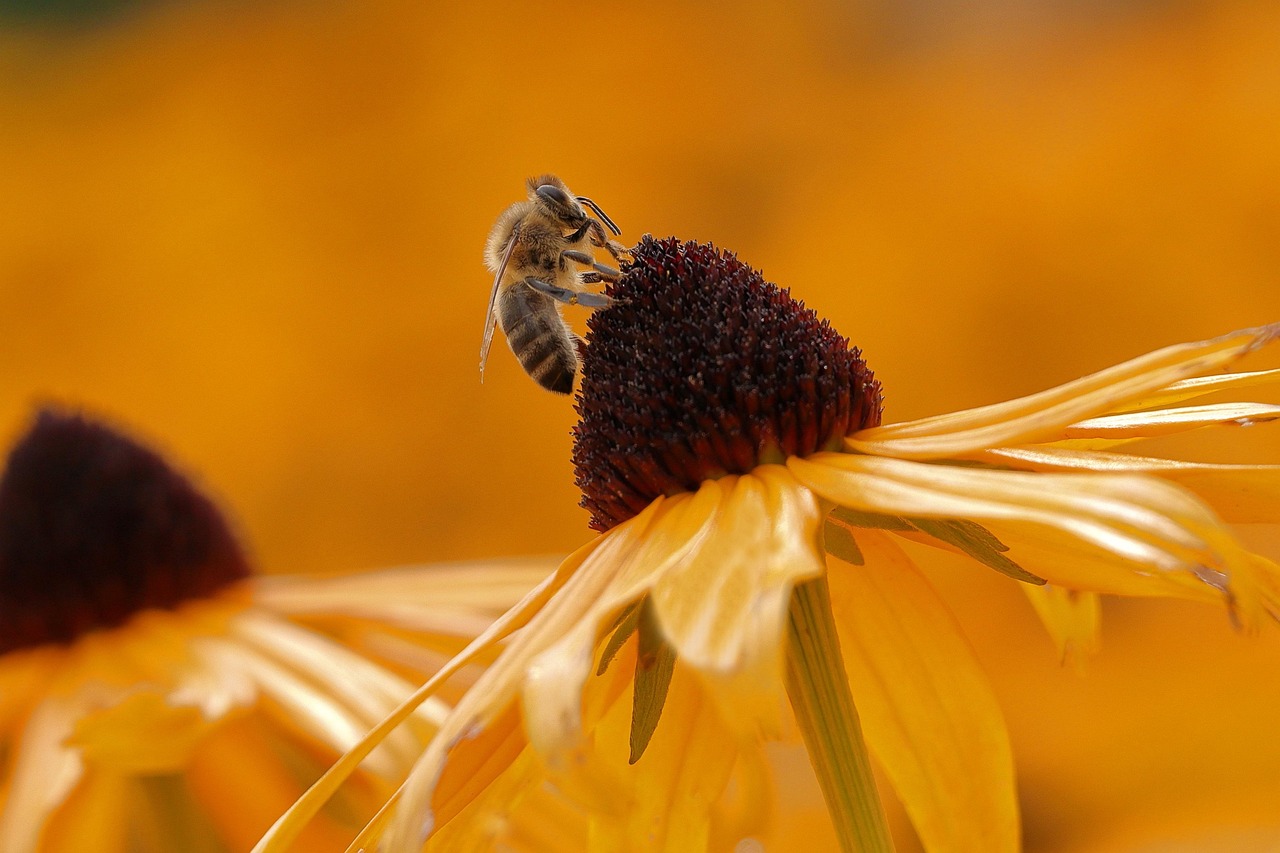
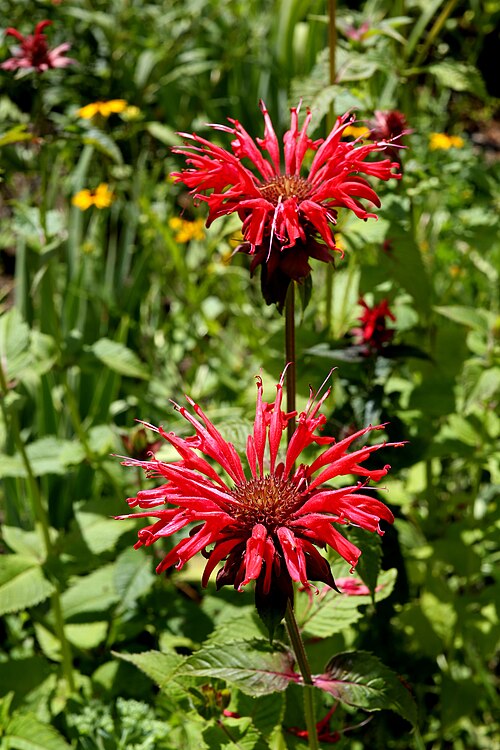
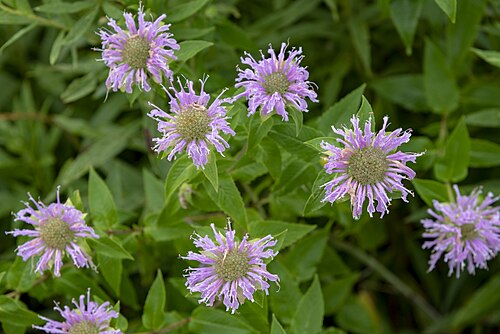
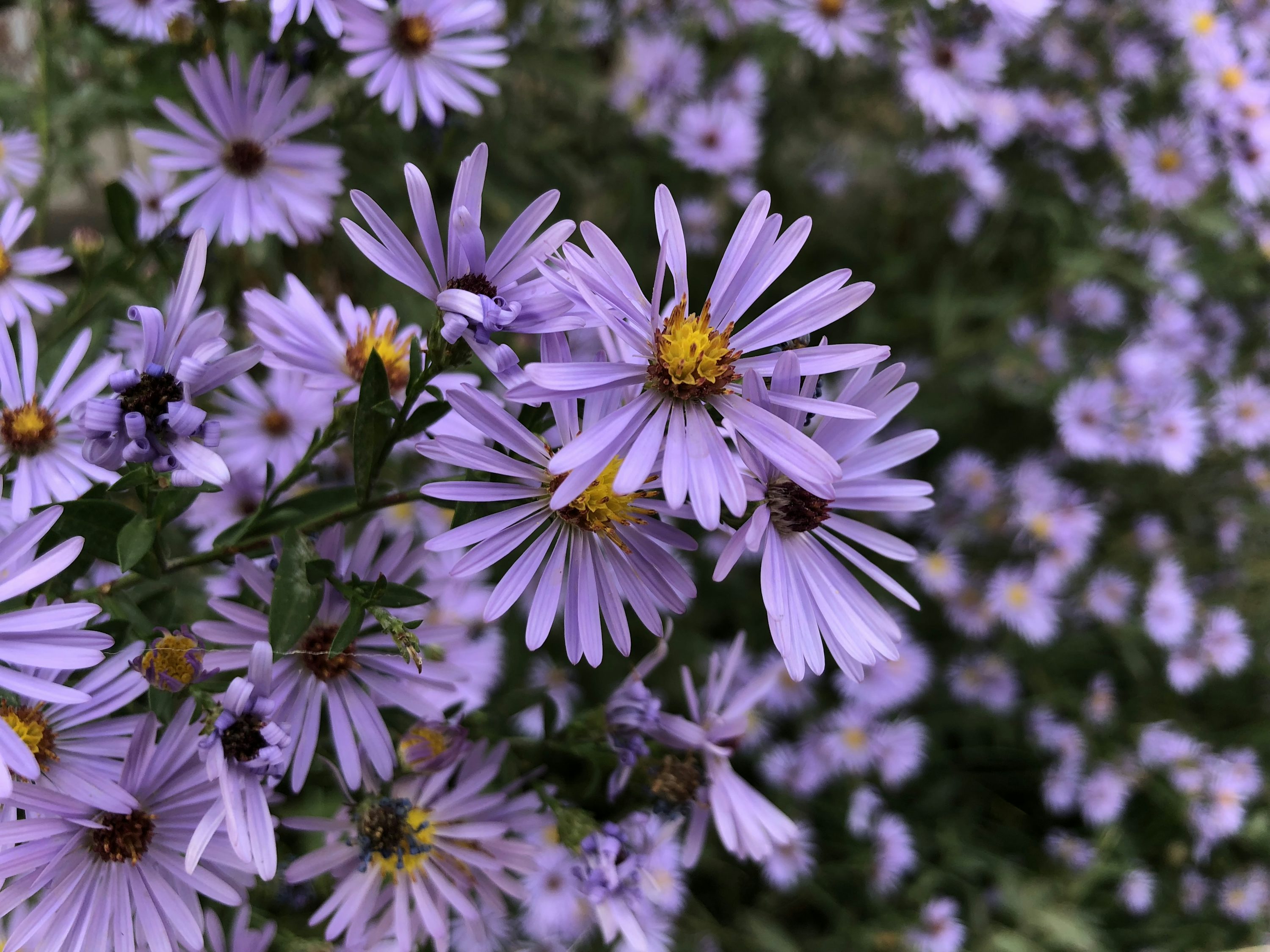
- Natural cold stratification. Coneflower, black-eyed Susan, wild bergamot, penstemon, and many asters germinate far better after a winter outdoors.
- Spring moisture. Seeds are already in place when snowmelt and spring rain arrive, so you skip the watering most spring seedings need.
- Less competition. Sowing after a hard frost means warm-season weeds have died back and will not smother seedlings.
- Fewer losses to sprouting too early. Wait for cold soil. Seed sown in warm September soil can germinate and get killed by the first freeze.
Annual wildflowers like cosmos and zinnia do not need cold and are better sown in spring. Fall mixes should lean on native perennials and self-sowing annuals such as California poppy in the West.
🌱 Get Personalized Plant Picks
Answer a few quick questions and we’ll match plants to your exact yard conditions.
Find My Plants →Checklist
- Kill or remove existing turf and weeds first; seed scattered into grass mostly fails.
- Rake the surface lightly so seed can touch bare soil, but avoid deep tilling that brings up weed seed.
- Mix seed with damp sand or vermiculite so you can see coverage while spreading.
- Broadcast half the seed walking one direction and half walking across it.
- Press seed in by walking on it or rolling; do not bury small seeds deeper than about 1/8 inch.
- Mark the area so nobody mows or mulches over it before spring.
Shop native wildflower seed on Amazon
Regional native seed mixes and pollinator blends sized for small beds or larger plots. We may earn a commission at no extra cost to you.
Amazon · Native wildflower seed mix Amazon · Pollinator seed blend Amazon · Perennial seed in bulk
How much seed do you need?
Most native mixes recommend about 1 ounce per 250 to 500 square feet for a home bed, or a few pounds per acre for meadow plantings. Heavier rates fill in faster but cost more. Pure forb mixes with no grasses look showy sooner; mixes with little bluestem or other bunch grasses look more like a real meadow by year three and resist weed invasion better.
Which species respond best to fall sowing?
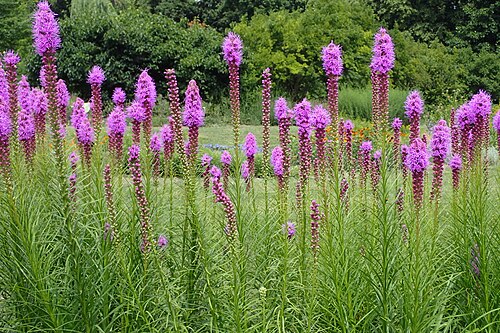
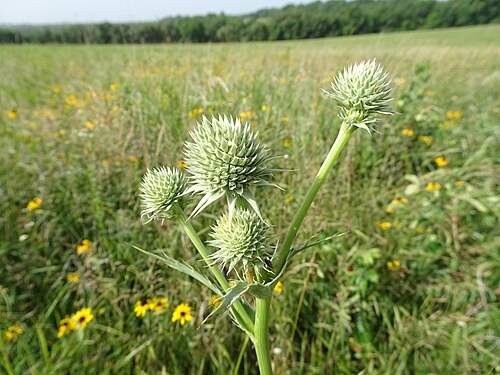
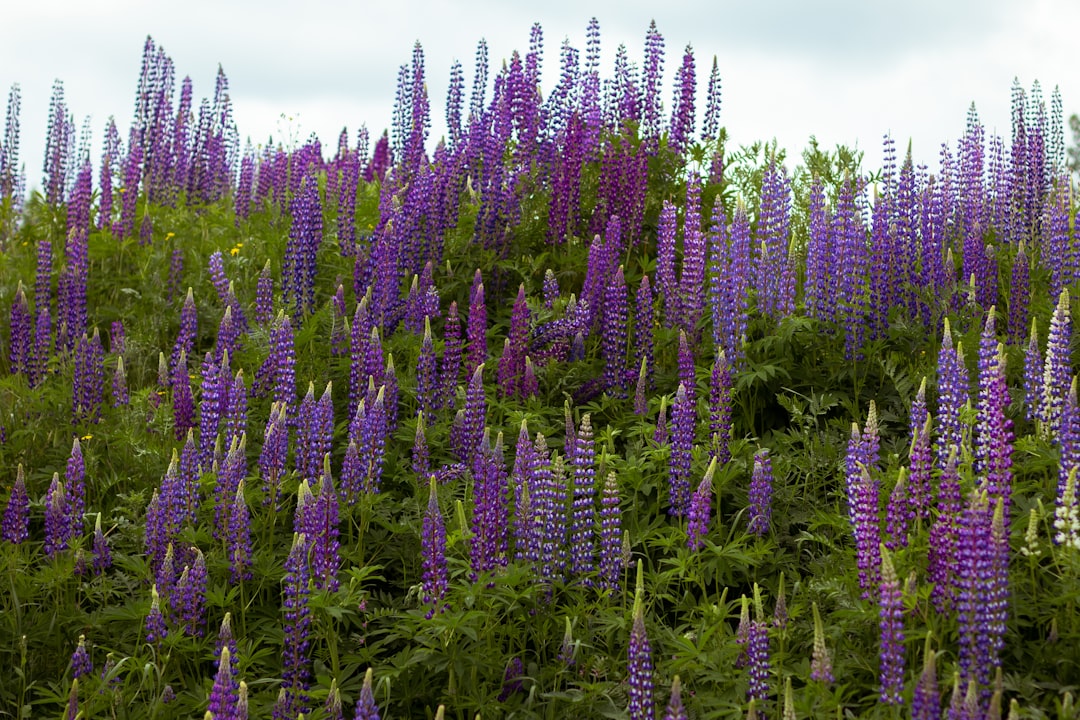
- Strong cold requirement: milkweeds, wild lupine, coneflowers, blazing star, mountain mint, rattlesnake master.
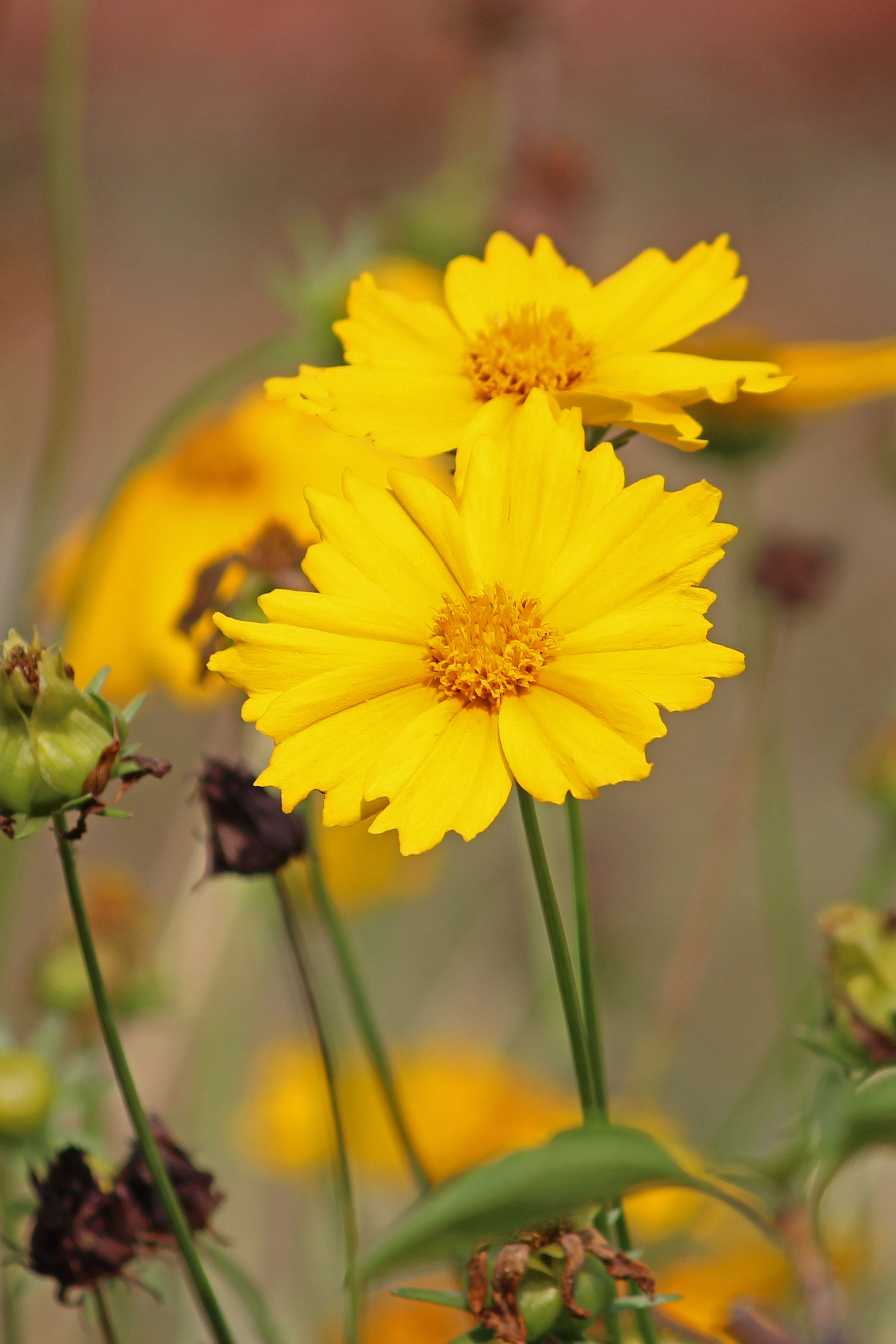
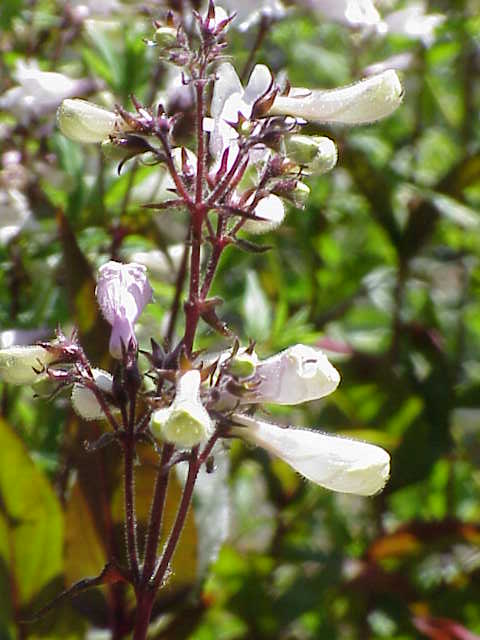
- Germinate either way, but fall helps: black-eyed Susan, lanceleaf coreopsis, bee balm, penstemon.
- Spring is better: tender annuals and anything labeled as needing warm soil.
Buy a mix built for your region. A meadow mix designed for the Midwest will underperform in the Southeast. If you want to match plants to wildlife goals, browse native plants for butterflies and native plants for bees before you buy.
What to expect in year one
Native perennials spend their first season building roots. Expect small rosettes and some annual color, then real flowering in year two. Mow the planting to about 6 inches once or twice in the first summer to keep fast weeds from shading seedlings.
Shop seeding tools on Amazon
Handheld spreaders and lawn rollers that help seed meet soil. We may earn a commission at no extra cost to you.
Zone and timing notes
Zones 3 to 6: sow after a few hard frosts, often November, and seeding onto thin snow is fine. Zones 7 and 8: late November into December. Zones 9 and 10: sow in October or November ahead of the rainy season, since summer heat is the limiting factor there, not cold.
Bottom line
Sow native wildflower seed in late fall once soil is cold, on bare, lightly raked ground, and press it in without burying it. Let winter do the stratifying, mark the spot, and expect real bloom in the second summer.
Related reading
- Native plants for meadow gardens
- Native plants for butterflies
- Pollinator garden guide
- Fall pollinator garden cleanup
Ready to match plants to your location? Try the PlantWise Plant Finder →