Why Pollinator Gardens Matter
Pollinators are responsible for one out of every three bites of food we eat. Yet bee populations have declined by 40% in the last decade, monarch butterfly numbers have dropped 80% since the 1990s, and many native pollinator species face habitat loss on an unprecedented scale.
The good news: even a small garden can make a meaningful difference. A well-designed pollinator garden provides food, shelter, and breeding habitat for dozens of species-while giving you one of the most beautiful, dynamic landscapes possible.
🌱 Get Personalized Plant Picks
Answer a few quick questions and we’ll match plants to your exact yard conditions.
Find My Plants →The Three Pillars of Pollinator Garden Design
1. Bloom Succession (Something Always Flowering)
The most common mistake in pollinator gardens is having a burst of color in June and nothing the rest of the season. Pollinators need food from early spring through late fall. Plan for overlapping bloom times:
Early Spring (March-April):
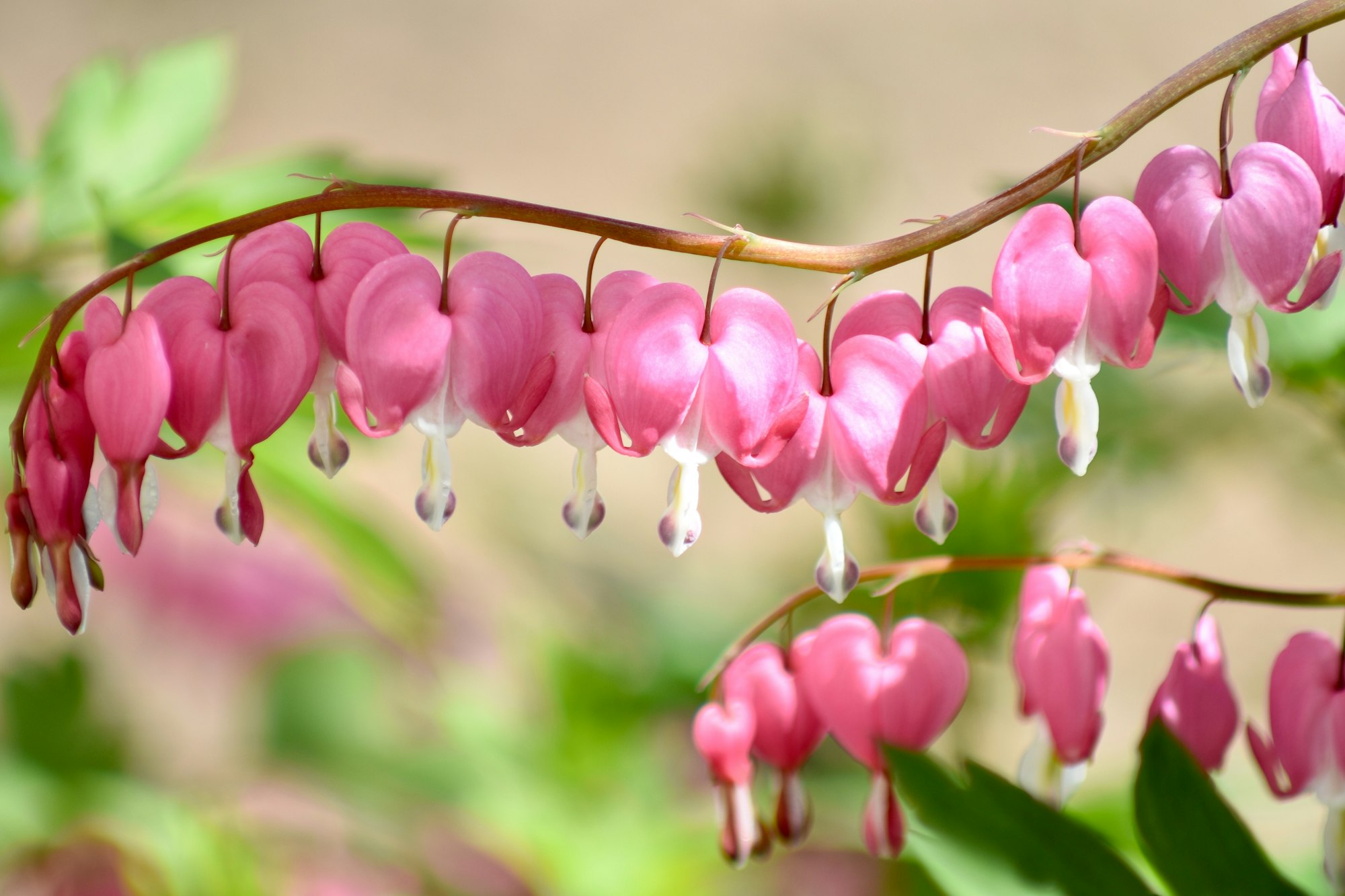
- Crocus, Hellebore, Bleeding Heart
- Flowering trees: Redbud, Serviceberry, Crabapple
Late Spring (May-June):
Summer (July-August):
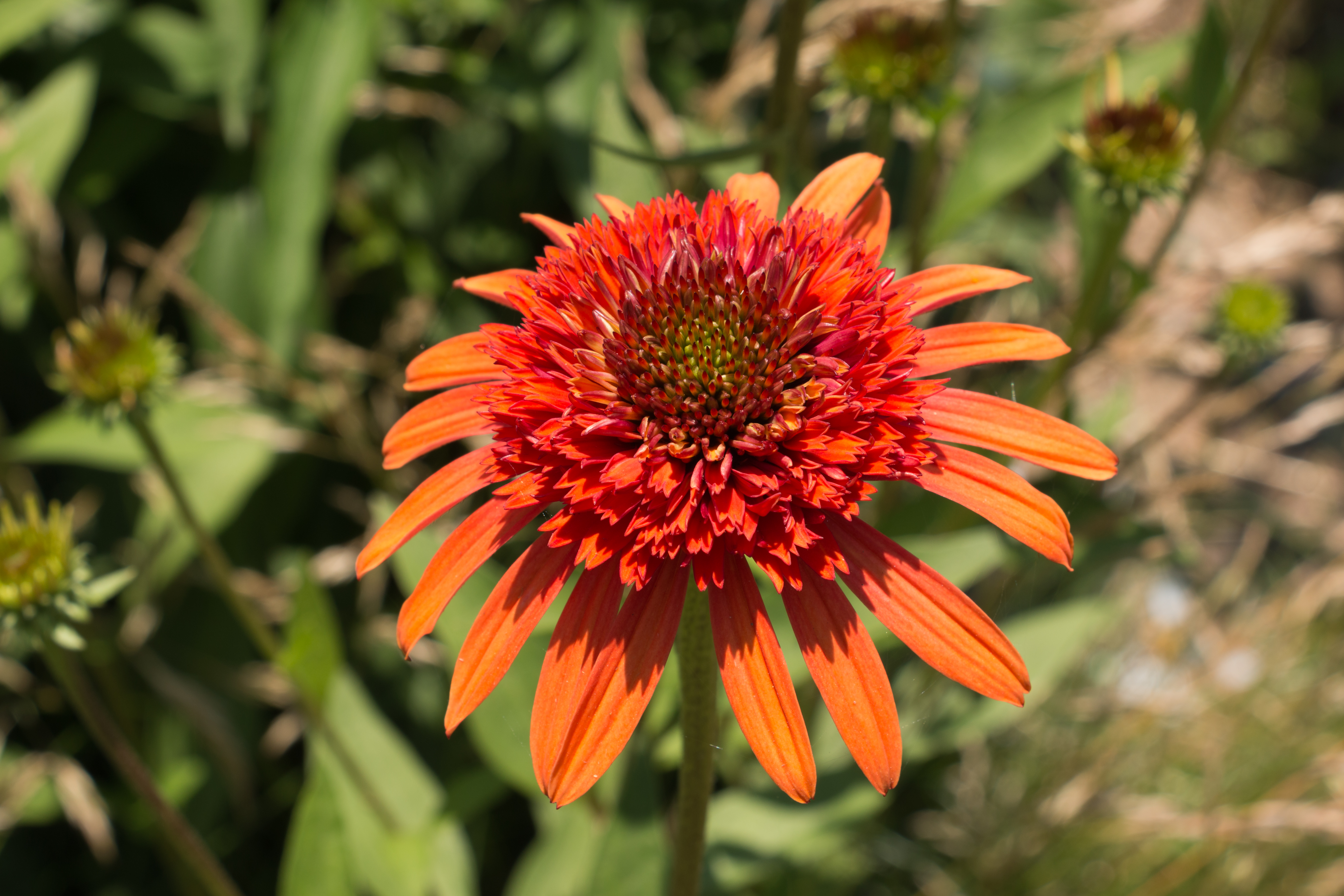
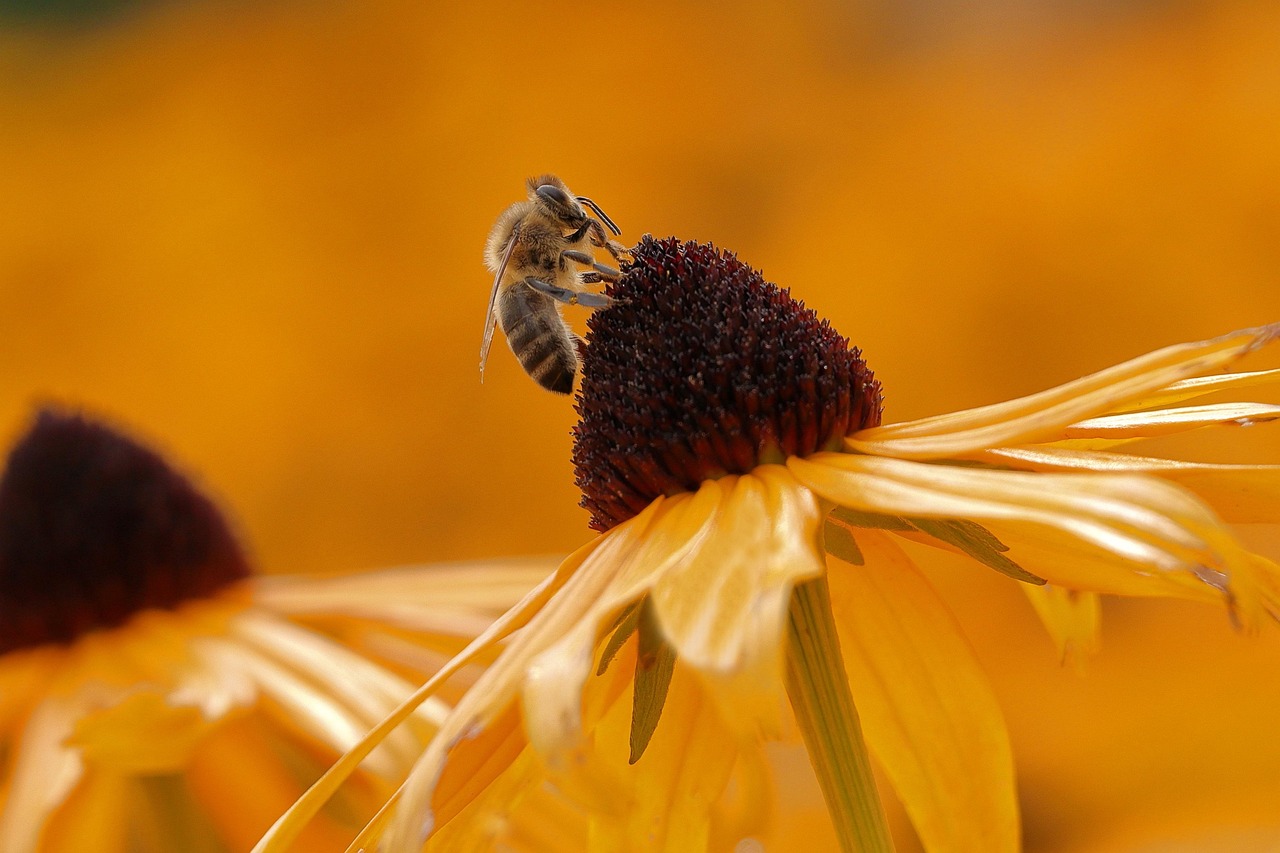
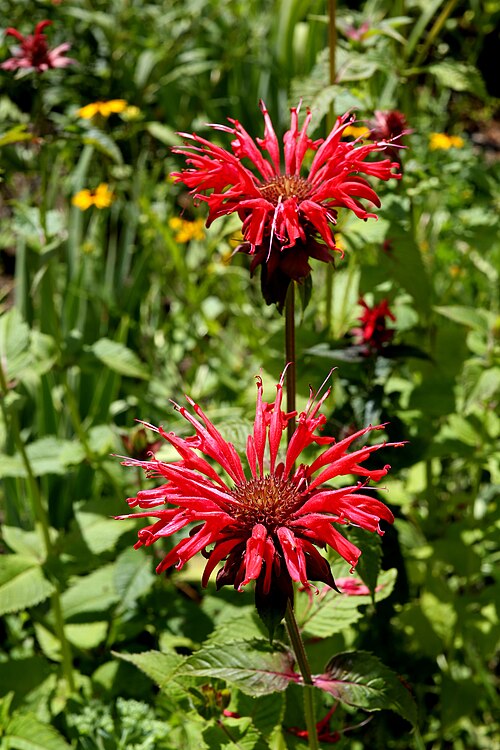
- Coneflower, Bee Balm, Black-eyed Susan
- Butterfly Bush, Milkweed, Agastache
Fall (September-October):
- Asters, Goldenrod, Sedum 'Autumn Joy'
- Joe Pye Weed, Ironweed, Late-blooming Salvia
2. Plant Diversity (Different Flower Shapes)
Different pollinators have different physical adaptations:
- Bees prefer flat, open flowers (coneflowers, asters) and tubular flowers (salvia, penstemon)
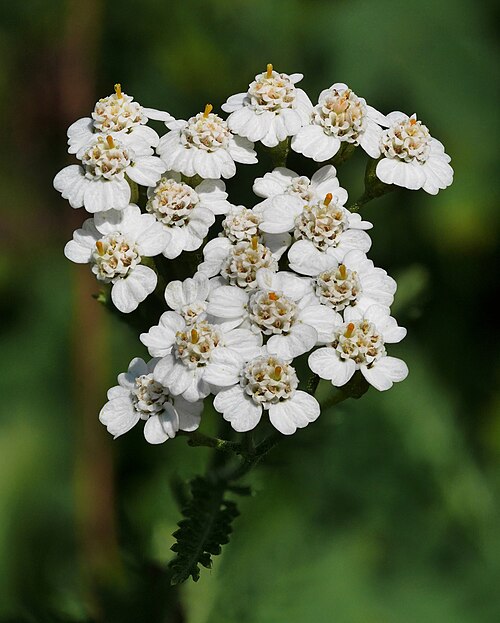
- Butterflies need flat landing platforms (yarrow, sedum) and nectar-rich tubular flowers
- Hummingbirds seek long, tubular flowers in red, orange, and pink (bee balm, trumpet vine, cardinal flower)
Include at least 3-5 species from each category for a well-rounded garden.
3. Habitat Beyond Flowers
Pollinators need more than nectar:
- Nesting sites: Leave bare soil patches for ground-nesting bees (70% of native bees nest underground)
- Host plants: Monarchs need milkweed specifically; swallowtails need parsley family plants
- Water: A shallow dish with pebbles provides drinking spots
- Shelter: Leave some leaf litter and dead stems through winter-many pollinators overwinter in them
Best Pollinator Plants by Type
For Bees (Honeybees & Native Bees)
| Plant | Zones | Bloom Time | Notes |
|---|---|---|---|
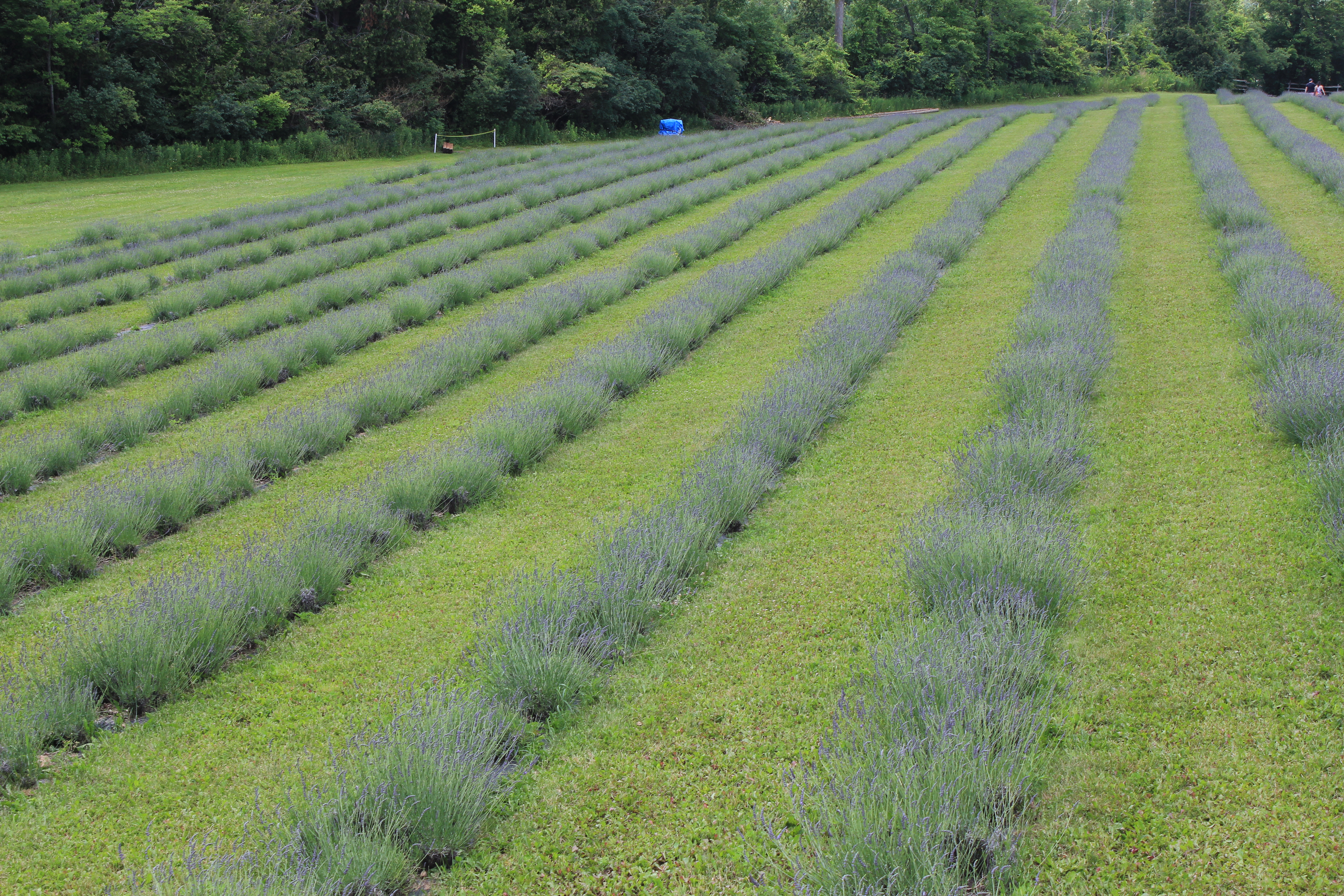
| Lavender | 5-9 | June-Aug | Bumble bee favorite |
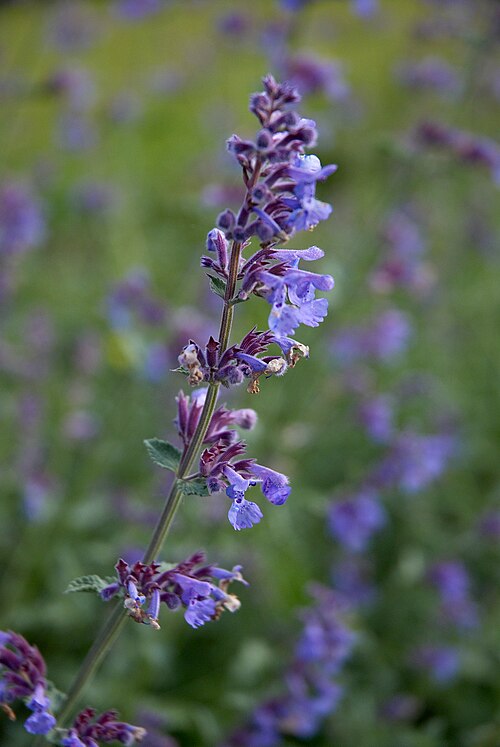
| Catmint | 3-8 | May-Sept | Continuous bloom |
| Agastache | 4-9 | July-Oct | Native bee magnet |
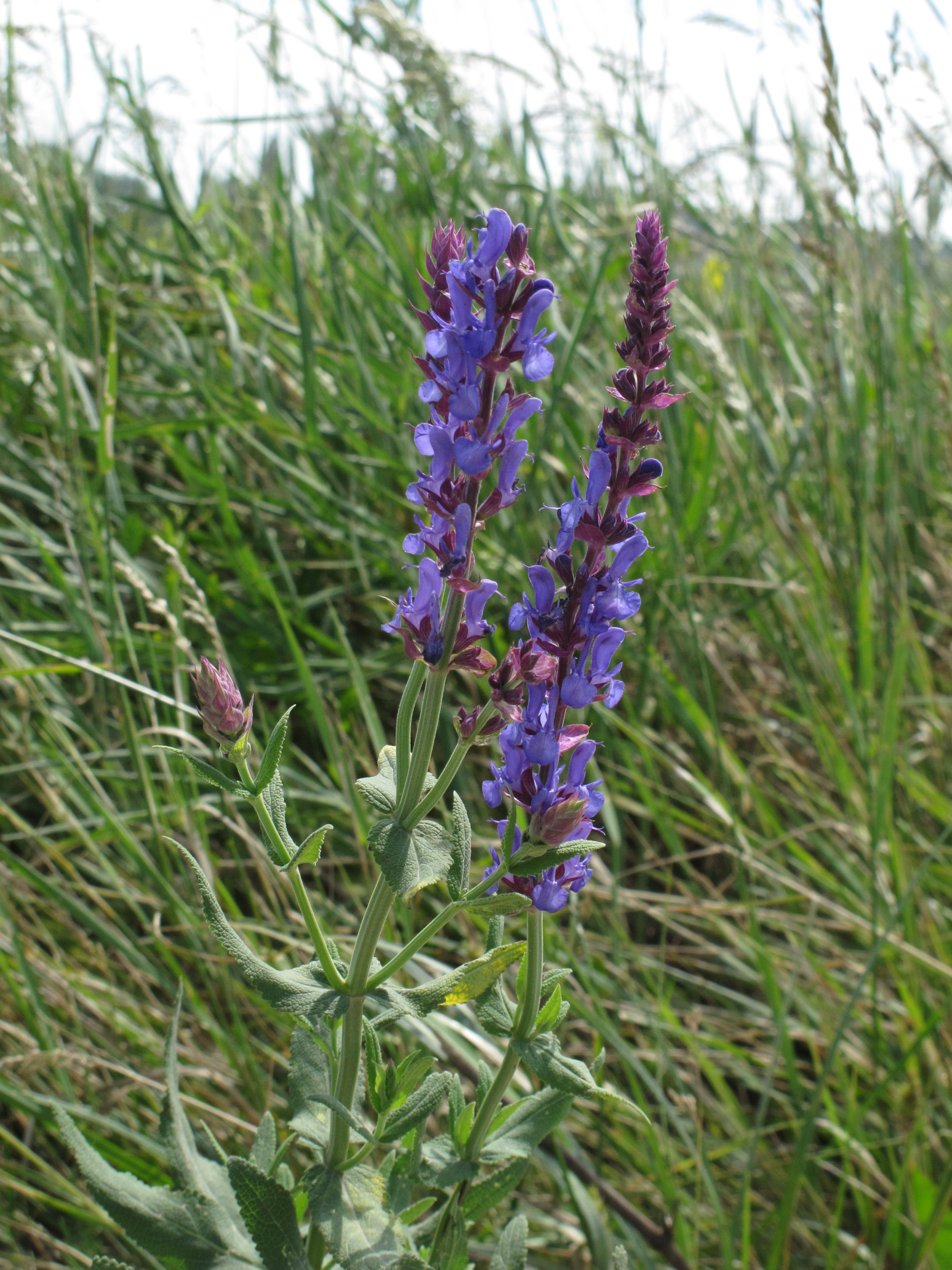
| Salvia | 3-8 | May-Sept | Multiple species available |
| Coneflower | 3-8 | June-Sept | Native, easy to grow |
| Goldenrod | 3-9 | Aug-Oct | Critical fall food source |
For Butterflies
| Plant | Zones | Bloom Time | Notes |
|---|---|---|---|
| Butterfly Weed | 3-9 | June-Aug | Monarch host plant |
| Joe Pye Weed | 4-9 | July-Sept | Attracts swallowtails |
| Aster | 3-8 | Sept-Oct | Fall migration fuel |
| Sedum 'Autumn Joy' | 3-9 | Aug-Oct | Late-season nectar |
| Zinnia | Annual | June-frost | Painted ladies love them |
| Lantana | 7-11 | May-frost | Continuous nectar |
For Hummingbirds
| Plant | Zones | Bloom Time | Notes |
|---|---|---|---|
| Bee Balm | 4-9 | July-Aug | Ruby-throat favorite |
| Cardinal Flower | 3-9 | July-Sept | Native, brilliant red |
| Trumpet Vine | 4-9 | June-Sept | Vigorous (needs control) |
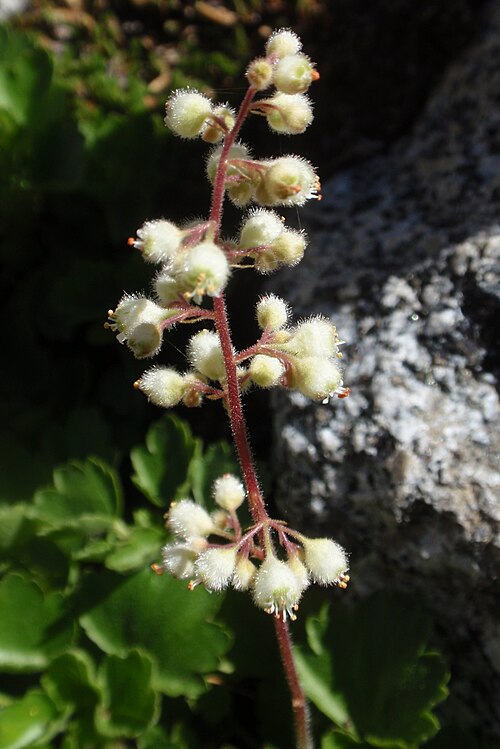
| Coral Bells | 4-9 | May-July | Delicate bell flowers |
| Salvia 'Hot Lips' | 7-10 | May-frost | Bicolor red/white |
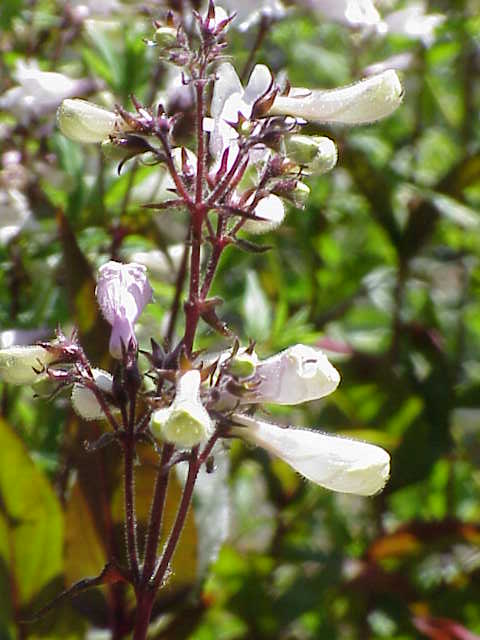
| Penstemon | 3-9 | May-July | Tubular flowers |
Getting Started: A Simple Plan
Year 1 - Foundation (plant these first):
- 3 Coneflowers
- 3 Catmint
- 1 Butterfly Bush
- 5 Salvia
- 3 Black-eyed Susan
- 1 Bee Balm
This gives you bloom from May through October with minimal effort. Total cost: approximately $60-80 from a mail-order nursery.
Year 2 - Expand:
- Add spring bloomers (alliums, bleeding heart)
- Add fall bloomers (asters, goldenrod)
- Include a host plant (milkweed for monarchs)
Year 3 - Refine:
- Fill gaps in bloom succession
- Add native grasses for structure
- Create habitat features (bee hotel, water source)
Common Mistakes to Avoid
Planting only one of each species. Pollinators are more efficient when they can visit multiple flowers of the same type. Plant in groups of 3-5 minimum.
Using pesticides. Even "organic" pesticides like neem oil can harm pollinators. Embrace some pest damage as part of a healthy ecosystem.
Choosing double-flowered varieties. Breeding for extra petals often eliminates the pollen and nectar. Choose single-flowered varieties when possible.
Forgetting about fall. Late-season nectar is critical for migrating monarchs and bees building winter stores. Asters and goldenrod are essential.
Build Your Pollinator Garden with PlantWise
Use the PlantWise Recommendation Wizard and select "Attracts Pollinators," "Attracts Butterflies," or "Attracts Hummingbirds" in your preferences. We'll match pollinator-friendly plants to your specific zone and growing conditions, with care guides and nursery links included.
PlantWise is committed to supporting pollinator conservation. All pollinator data in our database is sourced from university extension services, the Xerces Society, and USDA research.