Best Native Plants for Bees: Complete Guide
Supporting our buzzing friends is more important than ever, and one of the most impactful ways to do this is by planting native species. Native plants are the best choice for bees because they have co-evolved with local bee populations, providing precisely the nectar, pollen, and habitat resources these insects need to thrive. Unlike many ornamental non-native plants, native plants often offer higher quality and more accessible nutrition for native bees, ensuring a healthy ecosystem. By choosing native plants, you're not just beautifying your garden; you're creating a vital sanctuary for pollinators and contributing to local biodiversity.
Why are Native Plants So Important for Bees?
Native plants are the cornerstone of a healthy ecosystem, especially when it comes to supporting local bee populations. These plants have spent millennia evolving alongside native bees, creating a symbiotic relationship that benefits both. Native bees are often specialized, meaning they rely on specific native plants for their nutritional needs. For instance, some bees are "oligoleges," meaning they only collect pollen from a narrow range of plants, often within a single plant family or genus. When these specific native plants are absent, these specialized bees struggle to find food and reproduce.
Beyond specialized relationships, native plants generally offer superior nutritional value compared to many non-native ornamentals. They produce nectar and pollen that is perfectly suited to the digestive systems and energy requirements of local bees. Many non-native plants, while beautiful, may offer "empty calories" or even contain compounds that are unpalatable or harmful to native bees. Furthermore, native plants often bloom at times that align with the life cycles of native bees, providing a consistent food source throughout the season. By planting native, you're not just offering food; you're offering the right food at the right time, ensuring the long-term health and survival of our invaluable pollinators.
🌱 Get Personalized Plant Picks
Answer a few quick questions and we’ll match plants to your exact yard conditions.
Find My Plants →Which Native Plants Are Best for Bees?
Choosing the best native plants for bees involves considering a variety of factors, including bloom time, flower shape, and the specific needs of different bee species. A diverse selection will ensure a continuous food supply from spring through fall and cater to both generalist and specialist bees. Here are some top native plant choices that are excellent for attracting and supporting bees:
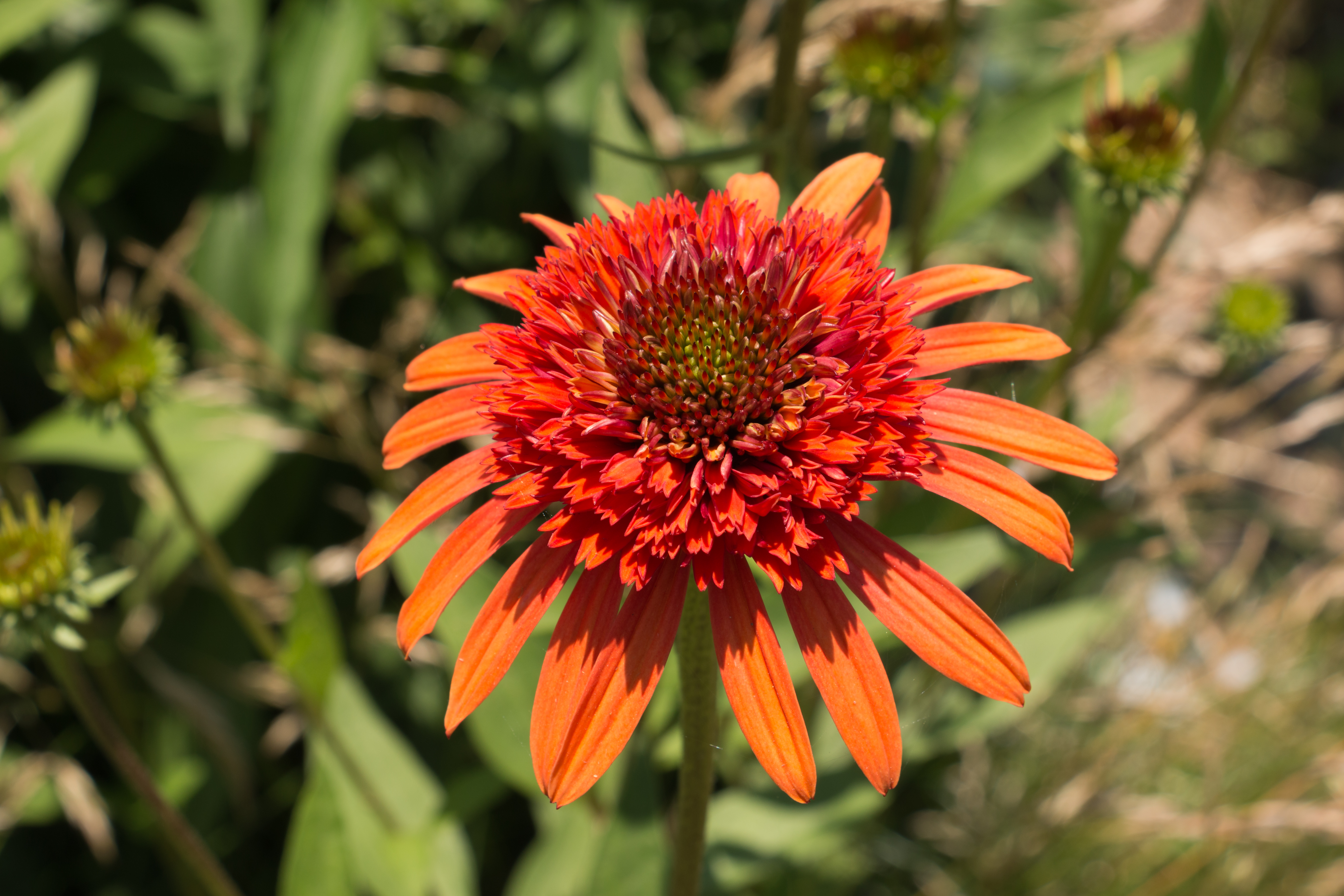
- Coneflower (Echinacea spp.): These iconic prairie plants are magnets for a wide array of bees, including bumblebees, honeybees, and various solitary bees. Their large, daisy-like flowers provide abundant pollen and nectar. Coneflower
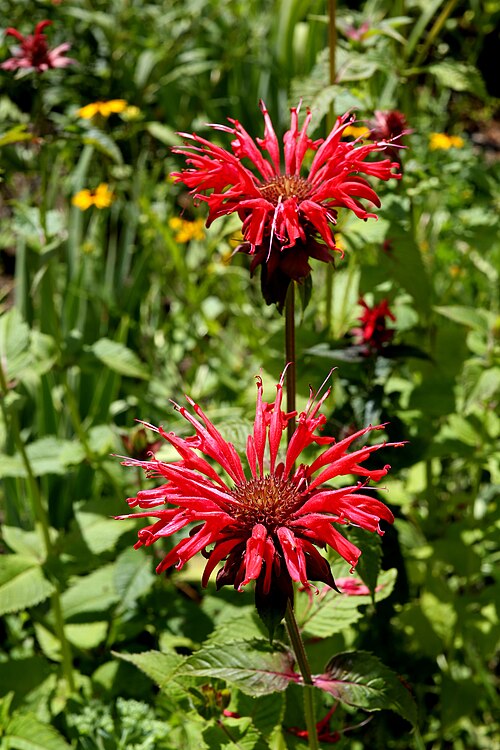
- Bee Balm (Monarda spp.): As its name suggests, Bee Balm is a bee favorite. Its tubular flowers are particularly attractive to long-tongued bees like bumblebees and provide a rich source of nectar. Bee Balm
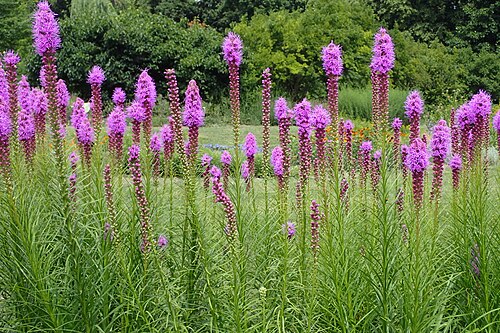
- Blazing Star (Liatris spp.): The tall, spiky flower heads of Blazing Star are irresistible to many bee species, especially bumblebees and monarch butterflies. They offer a late-season nectar source that is crucial for migrating pollinators. Blazing Star
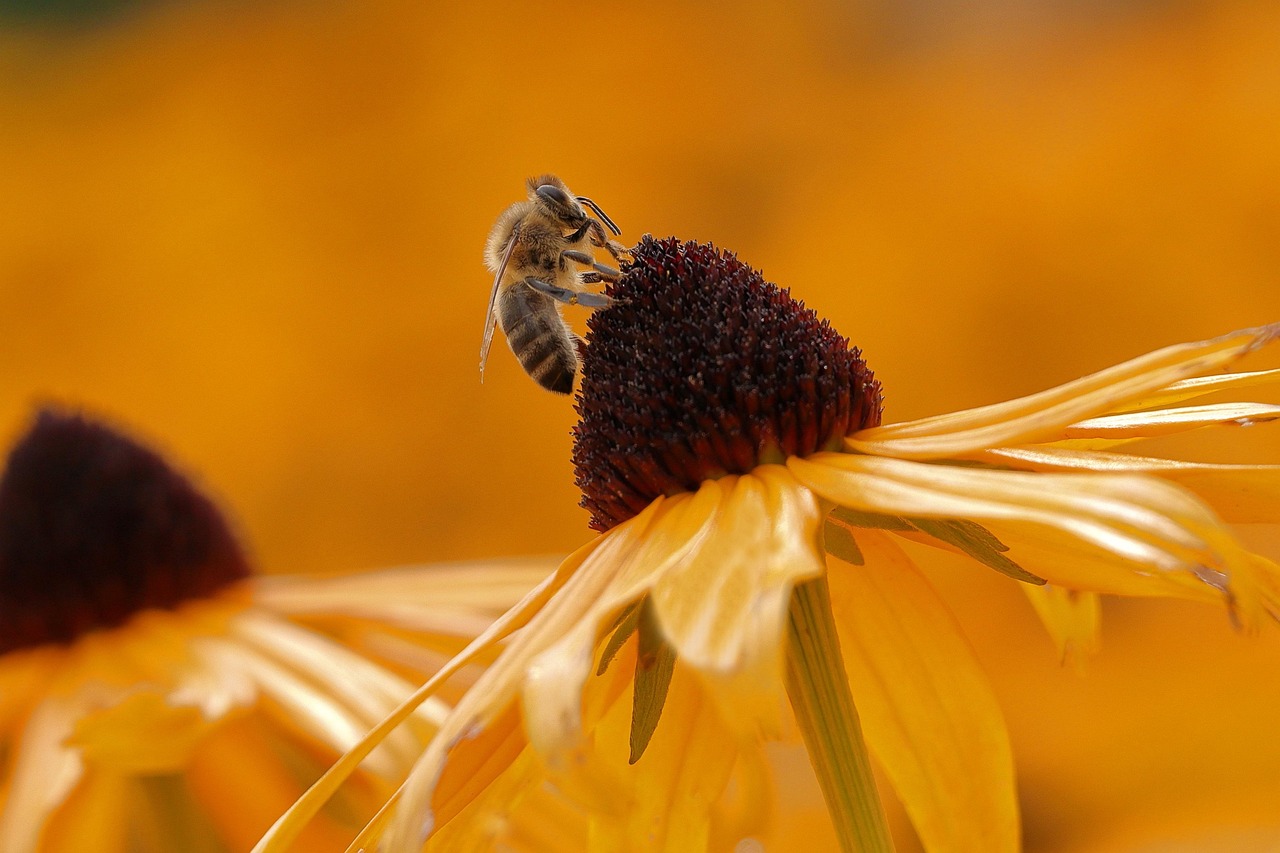
- Black-eyed Susan (Rudbeckia hirta): Another classic, Black-eyed Susans provide ample pollen and nectar, attracting a diverse group of bees, including short-tongued bees and hoverflies. Black-eyed Susan
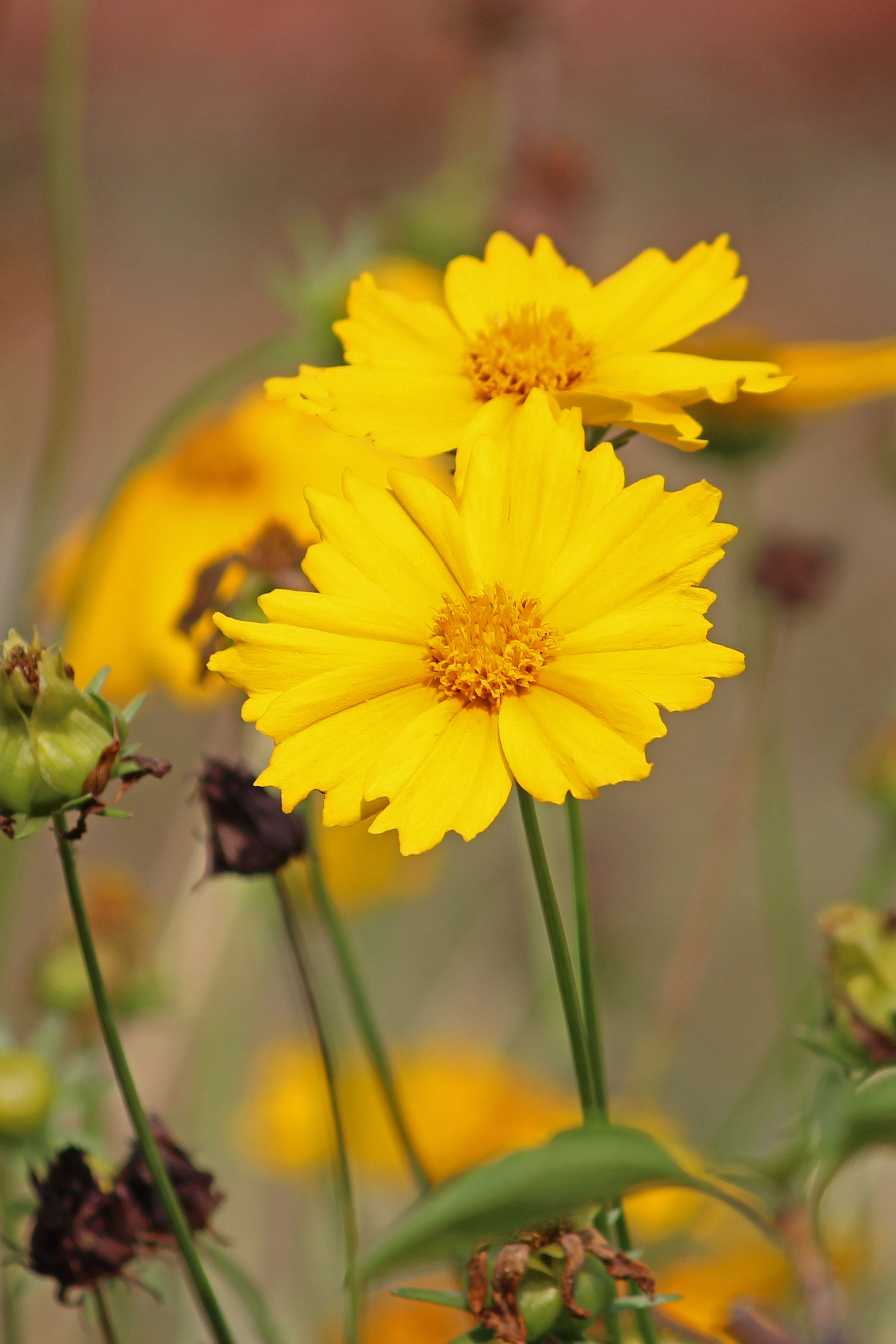
- Coreopsis (Coreopsis spp.): With their bright, cheerful flowers, Coreopsis varieties are excellent for attracting smaller bees, like sweat bees, as well as providing pollen for larger bees. Coreopsis
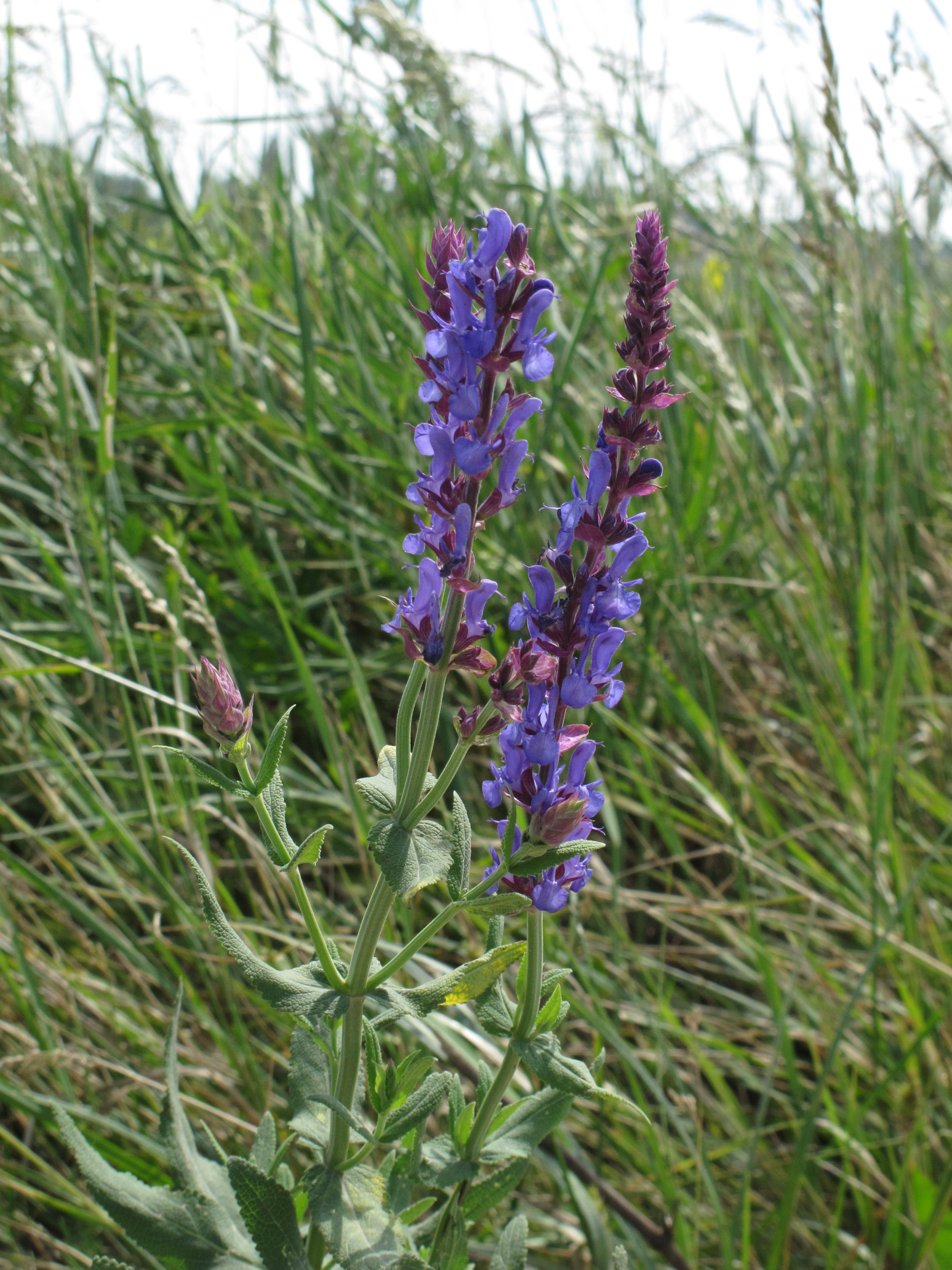
- Salvia (Salvia spp.): Many native salvias, such as Salvia lyrata (Lyreleaf Sage) or Salvia azurea (Azure Blue Sage), are fantastic for bees. Their tubular flowers are perfect for long-tongued bees, and they offer a prolonged bloom period. Salvia
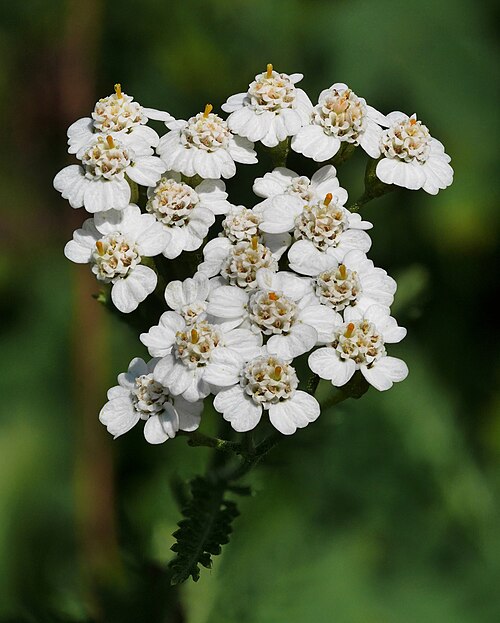
- Yarrow (Achillea millefolium): The flat-topped clusters of Yarrow flowers provide landing pads for many small bees and beneficial insects, offering accessible nectar and pollen. Yarrow
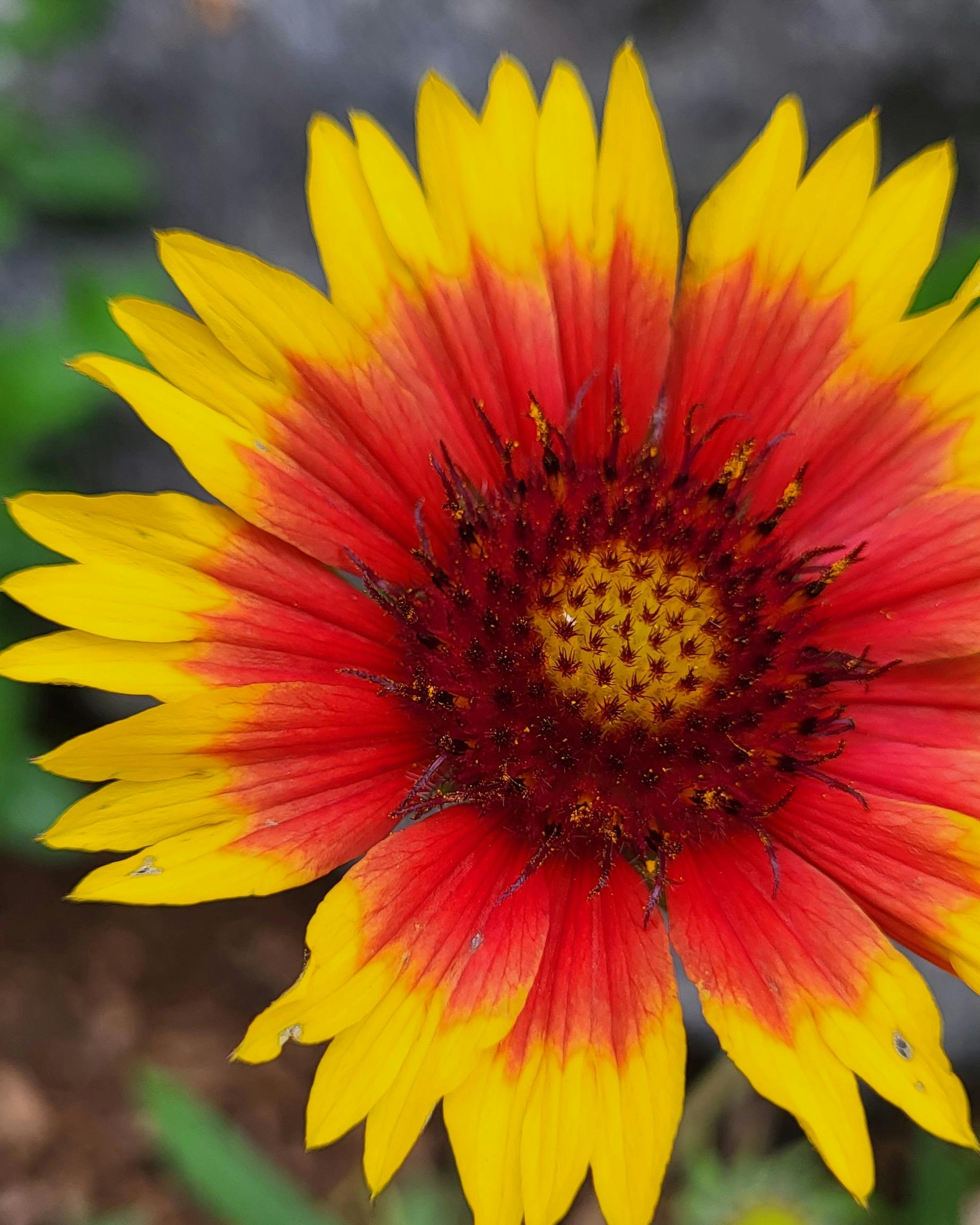
- Blanket Flower (Gaillardia spp.): These vibrant, drought-tolerant flowers are excellent for attracting a variety of bees, especially in sunny, dry conditions. Blanket Flower
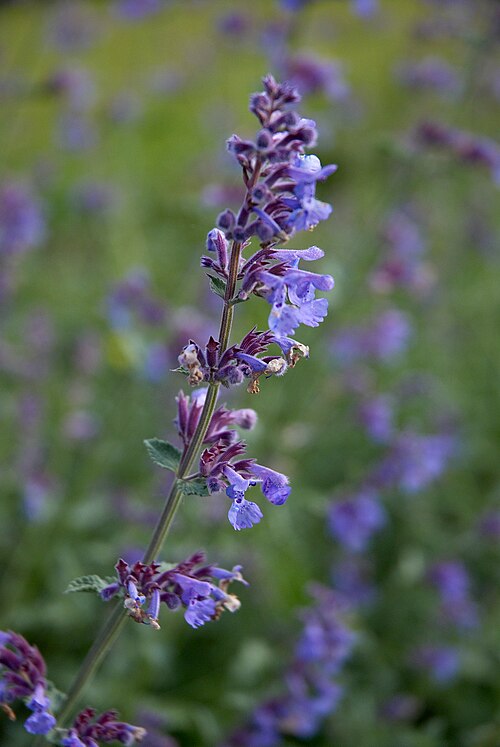
- Catmint (Nepeta spp.): While some catmints are non-native, native varieties like Nepeta cataria (true catnip) or Nepeta grandiflora are fantastic for attracting bees, especially bumblebees and honeybees. Catmint
When selecting plants, aim for a mix of flower shapes and sizes to accommodate different bee species. Flat, open flowers are great for short-tongued bees, while tubular flowers are preferred by long-tongued bees.
How Can I Create a Bee-Friendly Garden?
Creating a garden that truly supports bees goes beyond just planting native species; it involves thoughtful design and maintenance practices. Here are some actionable tips to make your garden a haven for pollinators:
- Plant in Drifts: Instead of scattering individual plants, plant groups of the same species together in "drifts" or clumps. This creates a larger, more visible target for foraging bees, making their nectar and pollen collection more efficient.
- Ensure Continuous Bloom: Plan your garden so that something is always in bloom from early spring to late fall. This provides a consistent food source throughout the bees' active season. Early spring flowers are crucial for emerging queens, and late fall blooms help bees prepare for winter.
- Provide Water Sources: Bees need water, especially on hot days. A shallow dish filled with pebbles or marbles and water can provide a safe drinking spot. The stones give bees a place to land without drowning.
- Offer Nesting Sites: About 70% of native bees are ground-nesting, and 30% are cavity-nesting.
- Ground nesters: Leave patches of undisturbed, bare soil in sunny areas for ground-nesting bees. Avoid heavy mulching in these spots.
- Cavity nesters: Leave hollow plant stems (like those from Bee Balm or Coneflower) standing over winter, or create brush piles. You can also install bee hotels, but ensure they are properly maintained to prevent disease.
- Avoid Pesticides: This is perhaps the most critical step. Even "organic" or "natural" pesticides can be harmful to bees. Opt for integrated pest management (IPM) strategies, focusing on prevention, beneficial insects, and manual removal. If pesticides are absolutely necessary, choose the least toxic option and apply it when bees are not active (e.g., at dusk).
- Embrace "Messy" Areas: A perfectly manicured garden often lacks the resources bees need. Allow some areas to be a bit wild - leave leaf litter, dead wood, and un-mowed patches. These provide valuable nesting material and shelter.
By implementing these practices, you'll transform your garden into a vibrant, buzzing ecosystem that actively contributes to bee conservation.
Quick Reference: Native Plants for Bees
| Plant Name | Bloom Time | Bee Attracted (Examples) | Flower Color | Key Features |
|---|---|---|---|---|
| Bee Balm | Summer | Bumblebees, Long-tongued | Pink, Red, Purple | Tubular flowers, aromatic foliage |
| Black-eyed Susan | Summer-Fall | Short-tongued bees, Hoverflies | Yellow | Daisy-like, prominent central cone |
| Blanket Flower | Summer-Fall | Various bees | Red, Yellow, Orange | Drought-tolerant, long bloom time |
| Blazing Star | Late Summer-Fall | Bumblebees, Butterflies | Purple | Tall spikes, excellent late-season nectar |
| Coneflower | Summer | Bumblebees, Solitary bees | Pink, Purple, White | Large daisy-like, abundant pollen/nectar |
| Coreopsis | Summer | Smaller bees, Pollen bees | Yellow, Pink | Cheerful, easy to grow, long bloom |
| Salvia (Native) | Spring-Fall | Long-tongued bees | Blue, Purple, Pink | Tubular flowers, prolonged bloom |
| Yarrow | Summer | Small bees, Beneficial insects | White, Yellow, Pink | Flat-topped clusters, landing pads |
Are All Native Plants Equally Beneficial for Bees?
While all native plants are generally more beneficial than non-native species for local ecosystems, not all native plants are equally attractive or useful to all bee species. The "best" native plants are those that provide a diverse array of resources, including both nectar (for energy) and pollen (for protein and other nutrients), and bloom across different seasons.
Consider the flower shape, for example. Bees have different tongue lengths. Bumblebees, with their long tongues, can access nectar deep within tubular flowers like those of Bee Balm or Salvia. Shorter-tongued bees, such as many sweat bees, prefer more open, accessible flowers like those of Black-eyed Susan or Yarrow. Therefore, a truly bee-friendly garden will feature a variety of flower shapes and sizes to cater to the diverse community of native bees.
Furthermore, some native plants are "host plants" for specific bee species, meaning those bees rely exclusively on them for pollen. While it's hard to know all these specific relationships, planting a wide variety of native plants from different families increases the chances of supporting these specialized bees. The key is diversity in your planting choices to ensure a robust and resilient pollinator habitat.
Ready to find the perfect plants for your yard? Try the PlantWise Plant Finder →