Quick answer: Both agastache and catmint are excellent for pollinators, but they serve slightly different roles - agastache (hyssop) tends to attract a broader mix of long‑tongued bees, hummingbirds, and butterflies with tall, nectar‑rich flower spikes, while catmint (Nepeta) is a dependable workhorse that draws lots of bumblebees and smaller bees and blooms for many weeks. Choose agastache when you want vertical nectar sources and hummingbirds; choose catmint for long bloom time, generous bee forage, and easy groundcover.
How do agastache and catmint differ as pollinator plants?
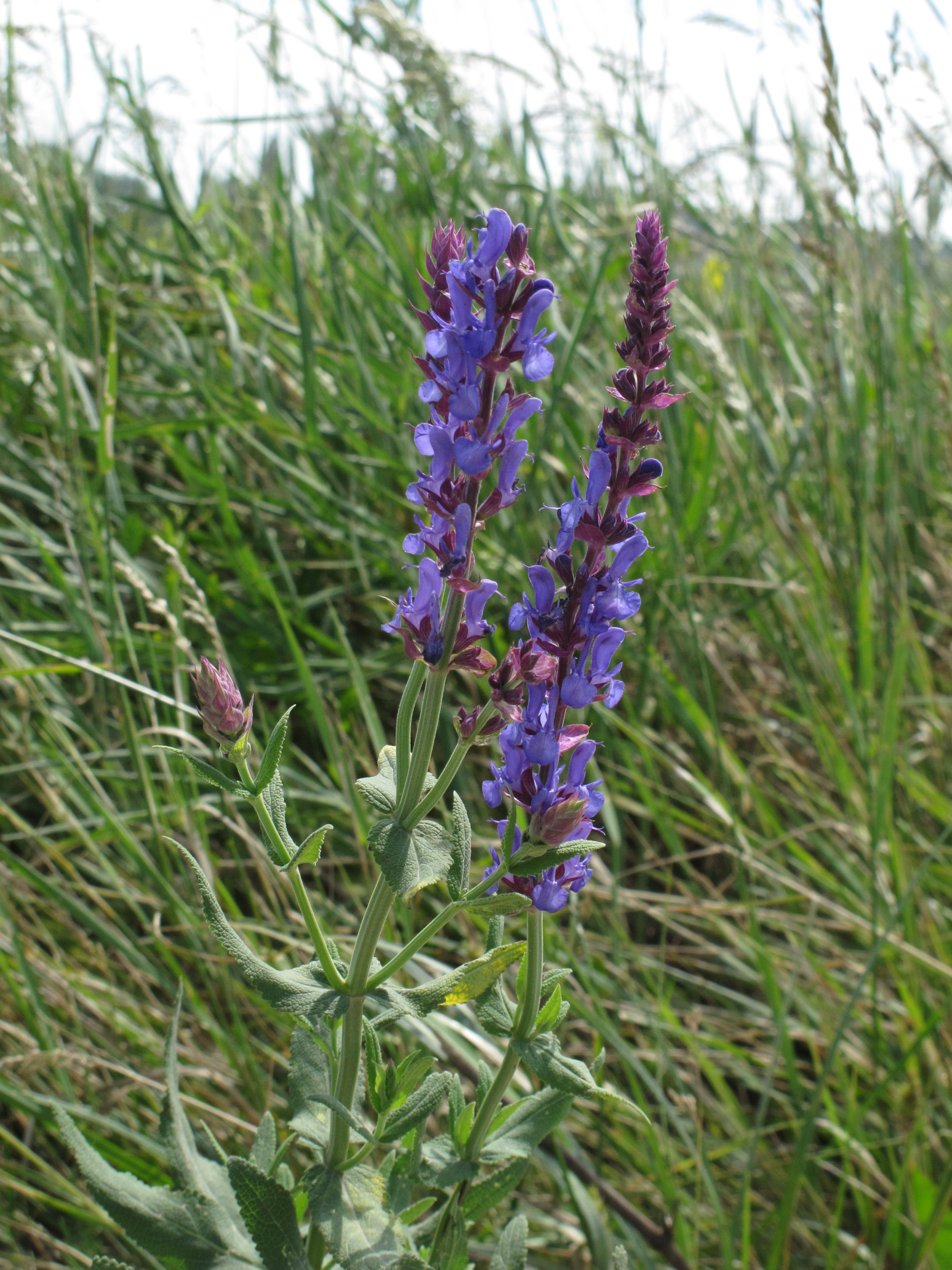
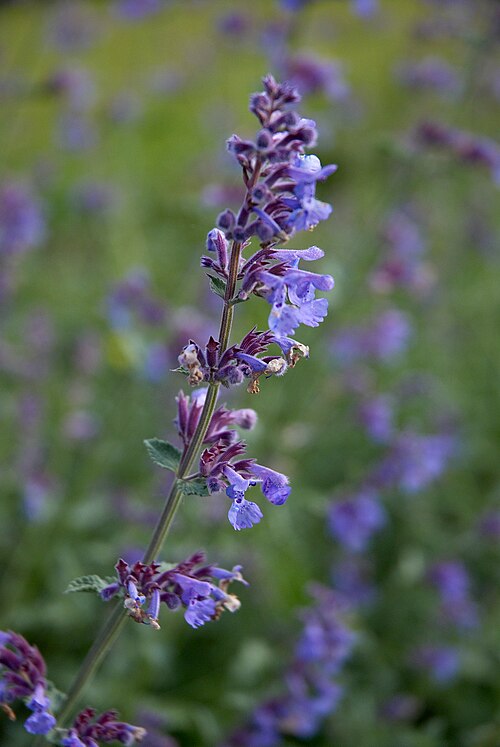
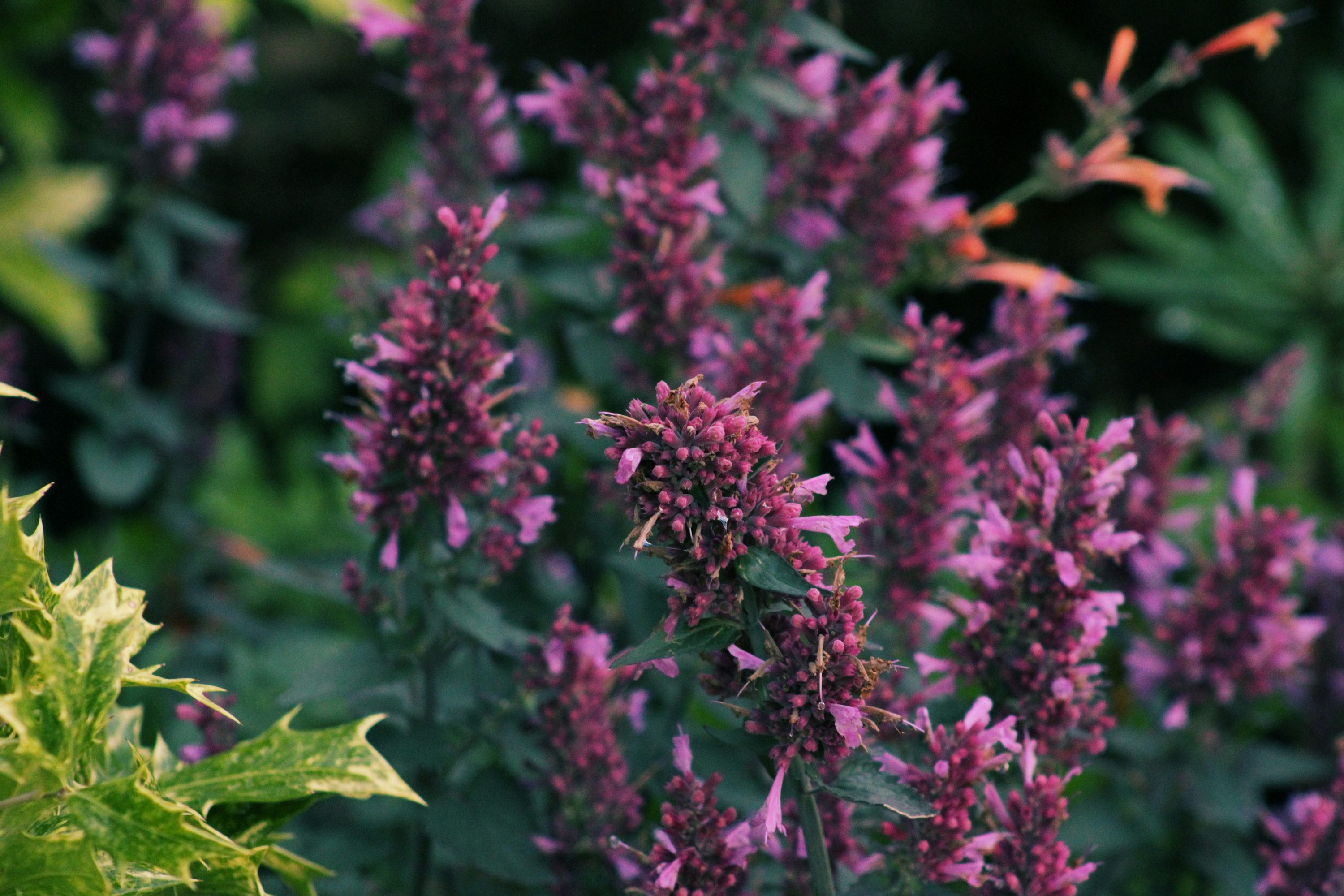
Form and flowers: Agastache produces upright spires of tubular flowers (orange, purple, pink, or red depending on species and cultivar) that are ideal for hummingbirds and long‑tongued bees. Catmint makes mounds of aromatic foliage topped by looser spikes of small, tubular flowers (usually lavender to blue) that are easily accessible to bumblebees, honeybees, and many native solitary bees.
Bloom length and timing: Both bloom summer into fall in most climates, but catmint often offers an exceptionally long season of intermittent bloom especially if you cut it back after the first flush. Many agastache varieties bloom reliably through summer and into early fall and can offer sustained nectar when deadheaded and well cared for.
Plant habit and placement: Agastache tends to be taller and more architectural (2-4+ feet for many varieties), making it great for mid‑border or pollinator beds that benefit from height. Catmint forms lower mounds (often 1-2 feet) and works well as a front‑of‑border filler, mass planting, or pollinator lawn substitute.
🌱 Get Personalized Plant Picks
Answer a few quick questions and we’ll match plants to your exact yard conditions.
Find My Plants →Which pollinators prefer agastache or catmint?
Agastache attracts:
- Hummingbirds - the tubular flowers and high nectar volume make agastache a top choice.
- Long‑tongued bees - bumblebees and large solitary bees that can reach deep nectar.
- Butterflies - many species visit for nectar, especially larger skipper and swallowtail butterflies.
Catmint attracts:
- Bumblebees and medium‑to‑small native bees - the open tubular flowers are accessible and abundant.
- Honeybees - flock to catmint when it’s in full bloom.
- Some butterflies and beneficial wasps - catmint’s prolonged bloom supports a variety of visitors.
Tip: For the widest pollinator diversity, plant both together or in sequence so nectar is available continuously; agastache provides tall, rich spikes while catmint fills in with prolonged, massed blooms.
How should I plant and care for each to maximize pollinator visits?
Soil and sun: Both prefer full sun for best flowering. Agastache likes well‑drained soil and tolerates slightly drier, lean soils; catmint prefers well‑drained soil but is forgiving of average garden soil and is fairly drought‑tolerant once established.
Spacing and groupings: Mass plantings increase visibility to pollinators. Plant blocks or drifts rather than single specimens when possible:
- Agastache: space 18-24 inches apart to allow air flow and showy spikes.
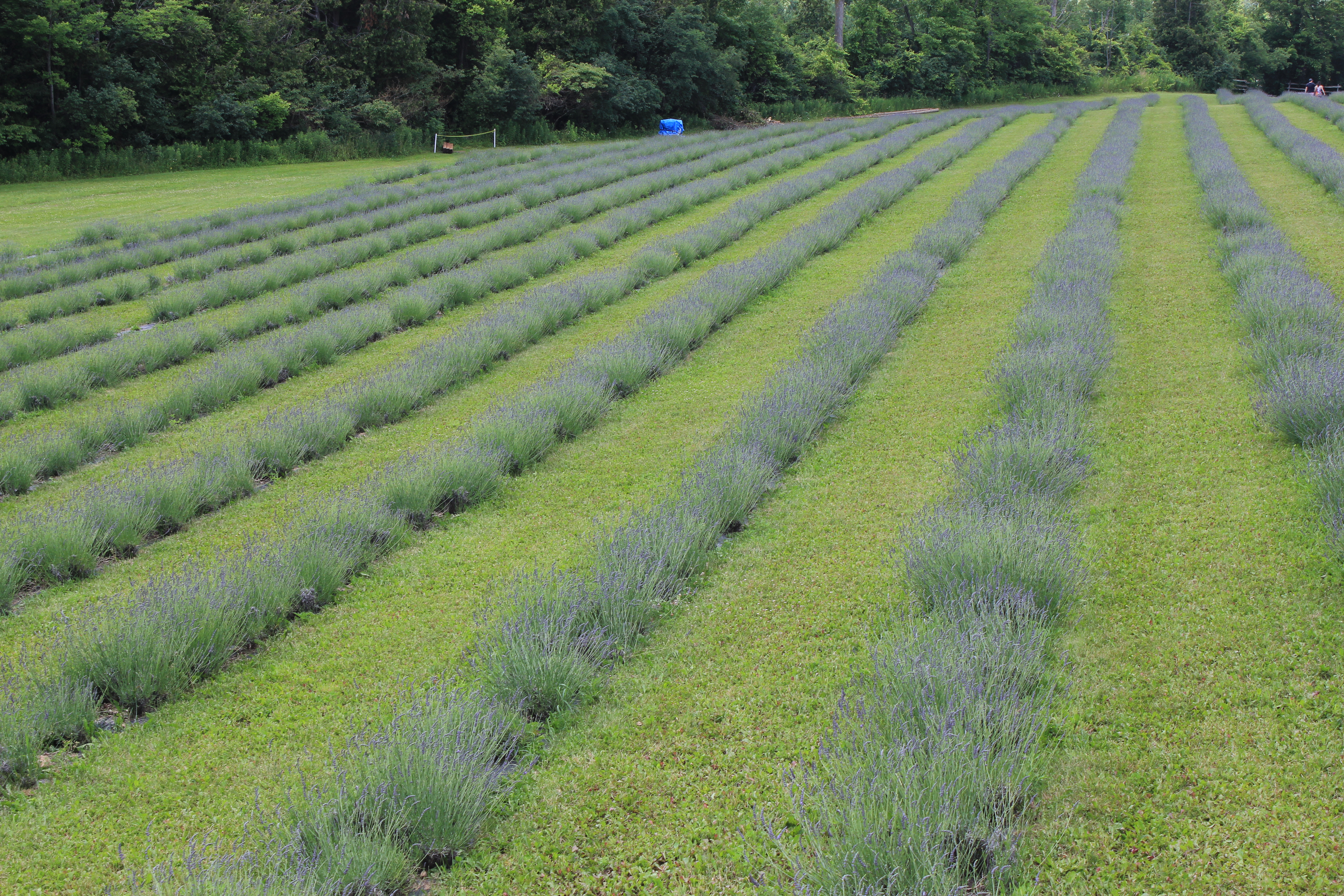
- Catmint: space 12-18 inches apart for mounding habit.
Water and feeding: Both are low‑to‑moderate feeders. Avoid heavy nitrogen which can promote foliage over flowers. Water regularly during establishment (first year); after that, moderate moisture is usually enough.
Pruning and deadheading:
- Agastache: deadhead spent spikes to encourage rebloom; cut back by about one‑third after a main flush to promote a later wave of flowers.
- Catmint: shear back by half after the first heavy bloom to rejuvenate and produce another flush. Many gardeners give catmint a harder cutback in late winter/early spring to keep the mound tidy.
Winter care: Both are generally hardy perennials in many zones; leave some seedheads for late‑season pollinators and winter interest if you want to support wildlife. In the spring, clear debris and do any formative pruning.
Pests and disease: Both are relatively pest‑resistant. Agastache can suffer in overly wet soils; catmint may get woody over time and benefit from rejuvenation cuts.
Quick Reference
- Best for hummingbirds: Agastache
- Best for bumblebees and long bloom: Catmint
- Sun: Full sun for both
- Soil: Well‑drained (agastache prefers leaner soil)
- Bloom time: Summer → Fall (deadheading extends both)
- Maintenance: Low to moderate (prune/ shear for rebloom)
- Planting tip: Mass plant both for continuous nectar and visual impact
Companion and pollinator‑friendly plants to pair with agastache and catmint:
sturdy nectar source that blooms mid‑to‑late summer
another tubular, hummingbird/bee favorite
excellent for butterflies and hummingbirds
flat‑topped umbels attract many beneficial insects
bright, long‑blooming nectar source
Are there any safety or wildlife considerations I should know?
If you have pets, note that many varieties of catmint and commonly grown agastache cultivars are not listed as toxic to dogs and cats, but cultivar differences and other garden plants matter - always check specific plant labels or trusted databases and keep curious pets away from heavy ingestion. Also, avoid broad‑spectrum insecticides; they reduce the very pollinators you’re trying to attract. If you want to support pollinators year‑round, leave some seedheads in late fall for overwintering insects and provide shallow water sources.
Practical planting plan: Start with a block of agastache toward the middle/back of a pollinator bed, then plant drifts of catmint in front. Add a few verticals like
and colorful magnets like
to create layered structure and continuous bloom.
Ready to build your pollinator patch? Try choosing one or two agastache cultivars and a mass of catmint to see which performers your local pollinators prefer. Observe and tweak - different regions and gardens will show varied favorites, and mixing species gives the best chance of steady nectar all season.
Ready to find the perfect plants for your yard? Try the PlantWise Plant Finder →