Echinacea vs. Rudbeckia: Which Is Better for Bees?
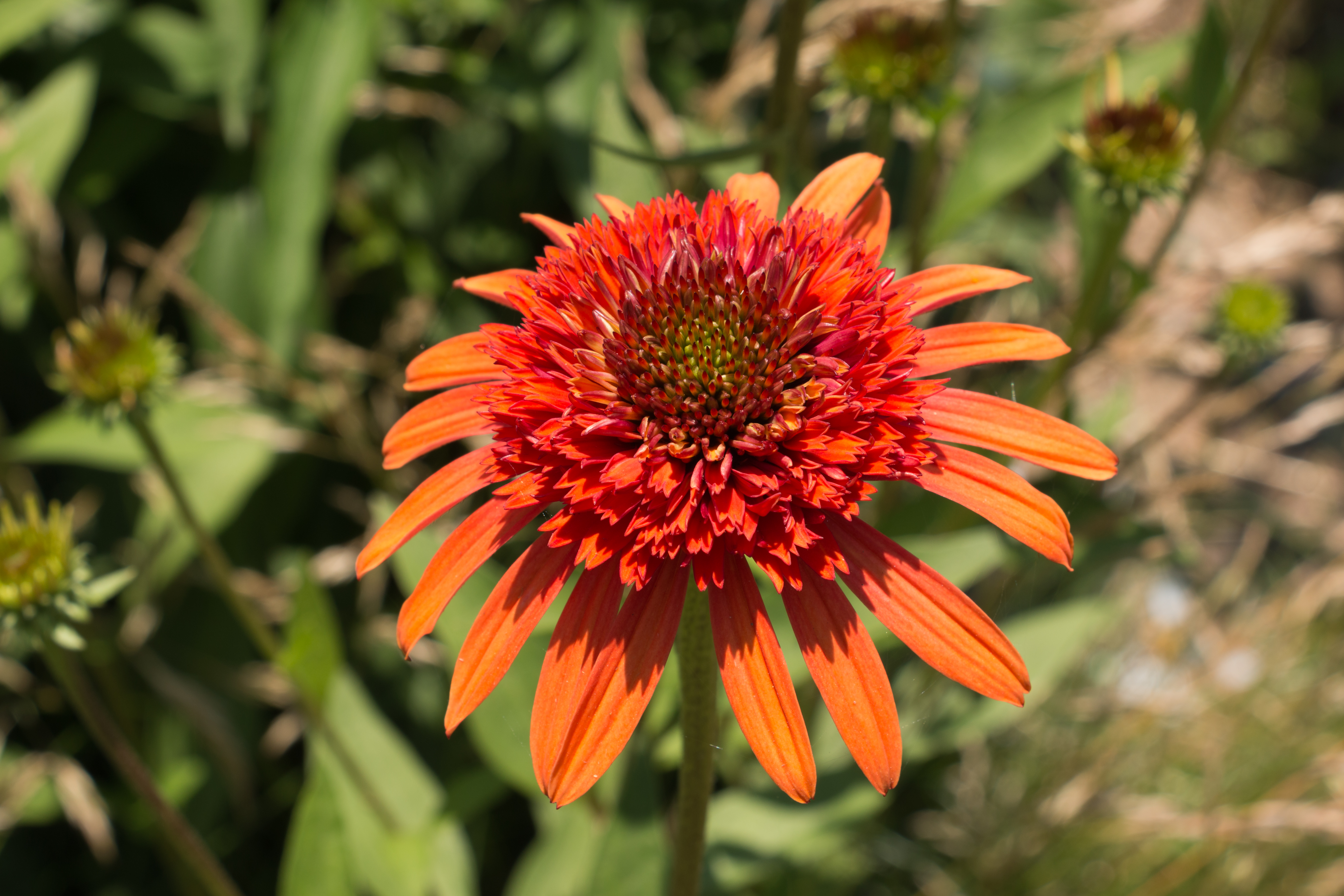
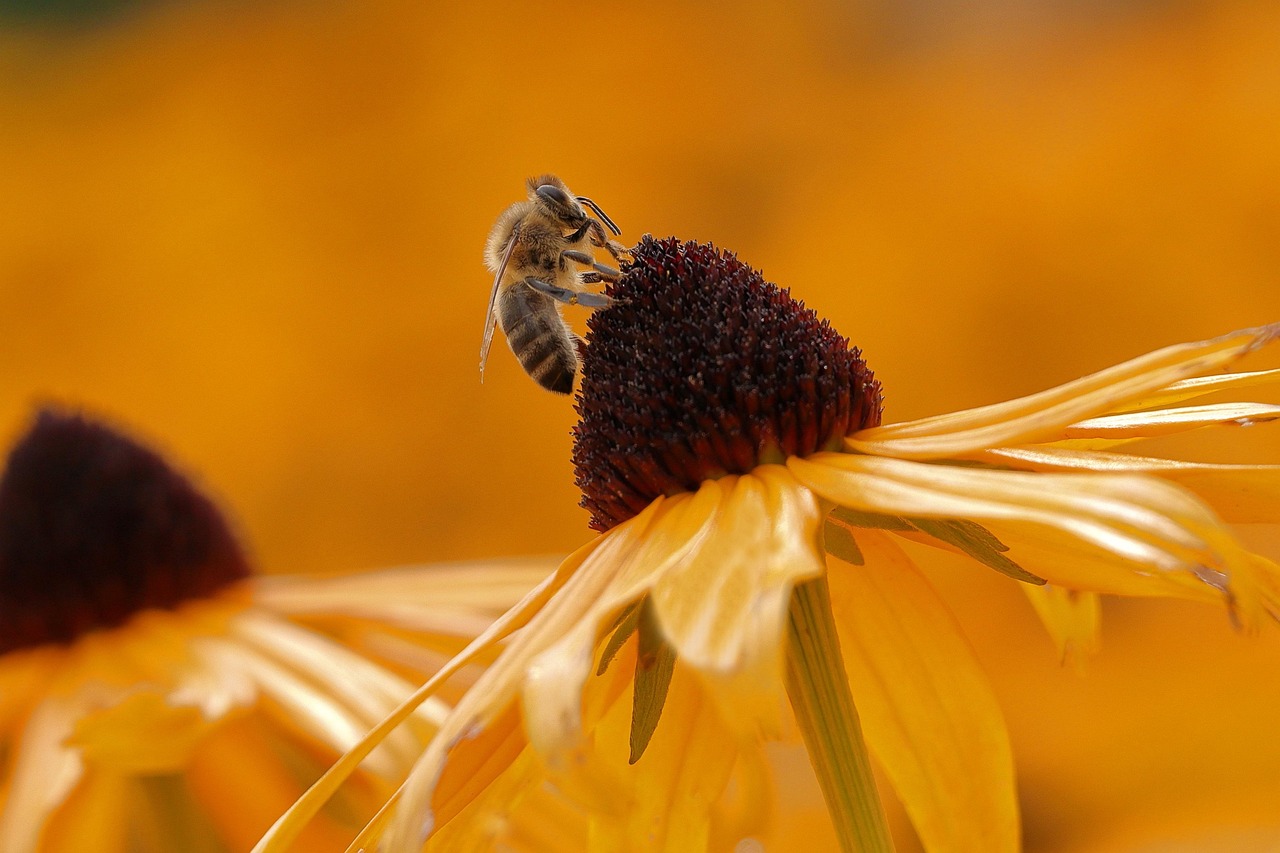
Both echinacea (coneflower) and rudbeckia (black‑eyed Susan) are excellent for bees - neither is strictly “better.” Echinacea tends to attract long‑tongued bees and butterflies with its nectar‑rich, deep‑centered flowers, while Rudbeckia’s flatter disks are a favorite of short‑tongued bees and a wider range of native pollinators. Planting both together gives the best seasonal and species diversity for bee forage. (Target: echinacea vs rudbeckia bees)
Which Is Better for Bees?
Short answer: plant both. If you must choose one, pick based on the bees you want to help and the garden conditions. Echinacea (coneflower) offers tall, sturdy blooms with deep nectar that appeal to bumblebees, long‑tongued solitary bees, and butterflies. Rudbeckia (black‑eyed Susan) produces low‑to‑tall plants with open, accessible flower faces that short‑tongued sweat bees, mining bees, and many generalist pollinators love. Together they provide complementary resources.
🌱 Get Personalized Plant Picks
Answer a few quick questions and we’ll match plants to your exact yard conditions.
Find My Plants →How Do Echinacea and Rudbeckia Differ as Bee Food?
- Flower structure: Echinacea has a pronounced central cone and somewhat tubular florets - nectar is slightly recessed, favoring bees with longer tongues. Rudbeckia’s flatter composite head exposes pollen and nectar, so small, short‑tongued species can forage easily.
- Bloom timing: Both bloom in mid to late summer; many cultivars overlap June-September, which is prime for many bee species. Their overlapping blooms help sustain pollinators through the height of summer.
- Nectar vs. pollen: Both provide nectar and pollen. Rudbeckia’s open heads can offer easier access to pollen for small bees; echinacea can be especially attractive to larger bumblebees and long‑tongued solitary bees seeking nectar.
- Plant form and visibility: Echinacea’s tall, daisy‑like flowers stand out and can be seen from a distance by foraging bees; Rudbeckia often forms bold drifts that create large visual targets pollinators home to.
When Should I Plant Them for Maximum Bee Benefit?
- Timing: In most temperate zones, plant transplants in spring after frost or sow seeds in late winter (indoors) or directly in spring. For fall planting, give transplants several weeks before first frost so roots establish.
- Grouping: Bees find flowers more easily in clumps. Aim for groups of 6-12 plants (or larger drifts) rather than single specimens.
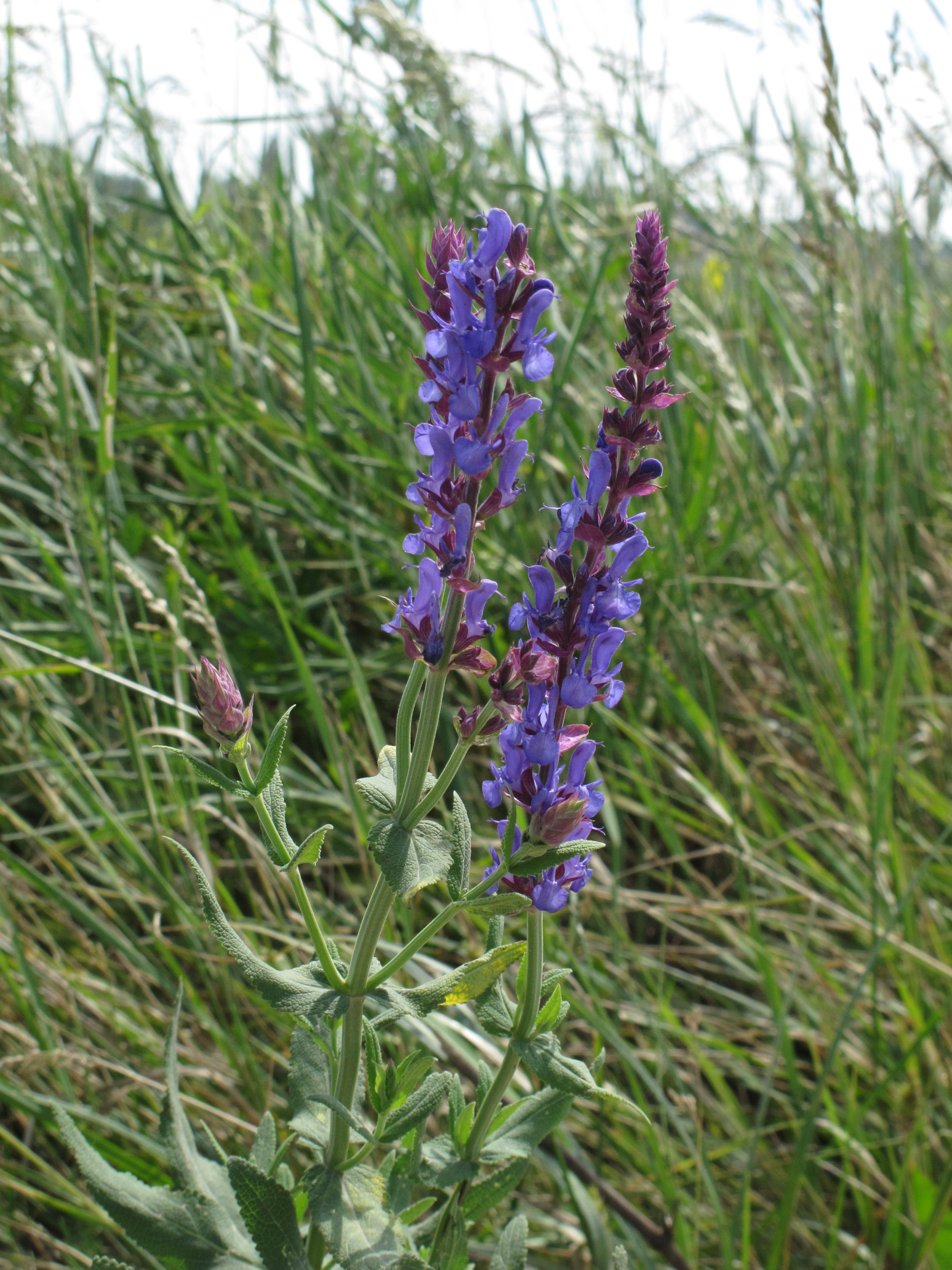
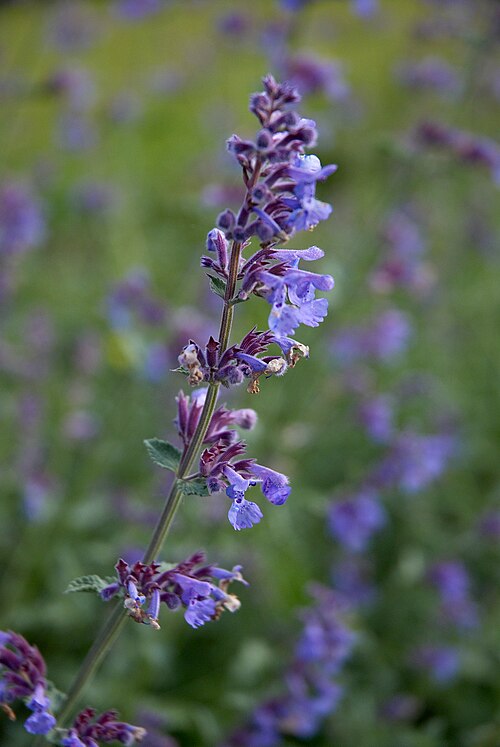
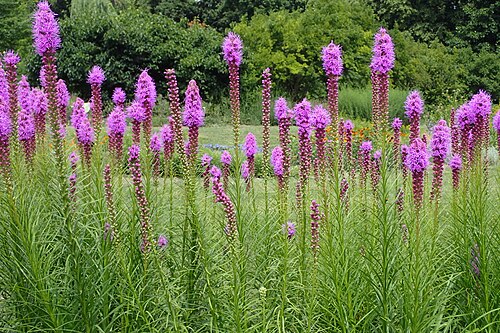
- Successive bloom strategy: Combine early, mid, and late‑season bloomers in the same bed so bees have continuous forage. Pair echinacea and rudbeckia with earlier nectar sources (like salvia) and later bloomers (like blazing star) to stretch the season.
- Site requirements: Both prefer full sun (6+ hours) and well‑drained soil. Avoid overly rich, high‑nitrogen soil - it can produce floppy growth with fewer flowers.
Quick Reference: Echinacea vs Rudbeckia at a Glance
- Typical bloom: Mid‑summer to early fall (June-September).
- Sun: Full sun best.
- Soil: Average, well‑drained; tolerates dry once established.
- Height: Echinacea 2-4 ft; Rudbeckia 1-3 ft depending on species/cultivar.
- Best for: Echinacea - bumblebees, long‑tongued solitary bees, butterflies. Rudbeckia - short‑tongued bees, generalist native bees, beetles.
- Maintenance: Low; deadhead selectively to extend bloom but leave some seedheads for late forage and birds.
- Garden role: Both excellent in meadows, pollinator borders, and cottage beds.
Plants to consider alongside these for season‑long bee forage:
How Can I Design a Bee-Friendly Bed with Both?
- Plant in drifts, not singles: Large patches are easier for bees to find and more efficient for their foraging routes.
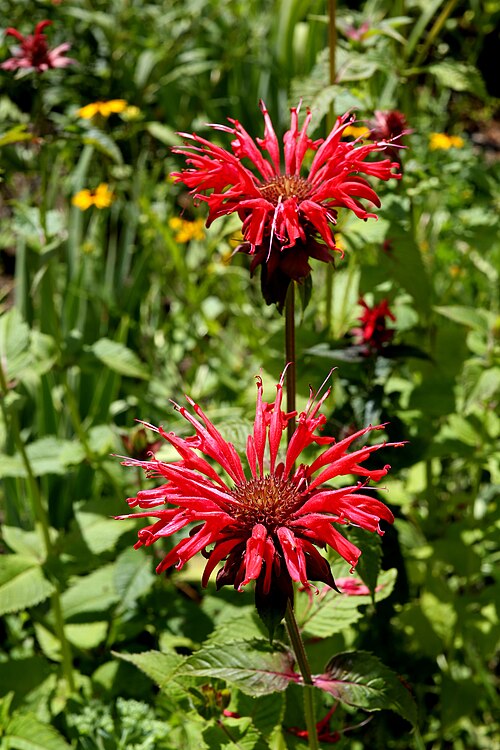
- Include structural diversity: Add varying heights and flower shapes. Combine coneflowers and black‑eyed Susans with tubular flowers (salvia, blazing star) and nectar‑rich clusters (bee‑balm) to support many bee species.
- Water and shelter: Provide a shallow water source (a tray with stones) and leave small undisturbed patches of bare soil for ground‑nesting bees. Avoid excessive mulch in those areas.
- Pesticide caution: Never use systemic insecticides (neonicotinoids) or broad‑spectrum insecticides on flowering plants. If you must treat for pests, do it at dusk or when flowers are not present, and choose targeted, least‑toxic options.
- Deadheading strategy: To maximize overall nectar availability, deadhead regularly during peak season if you want continuous blooms. But keep some spent heads late in the season - they can still provide pollen and later feed birds that help your ecosystem.
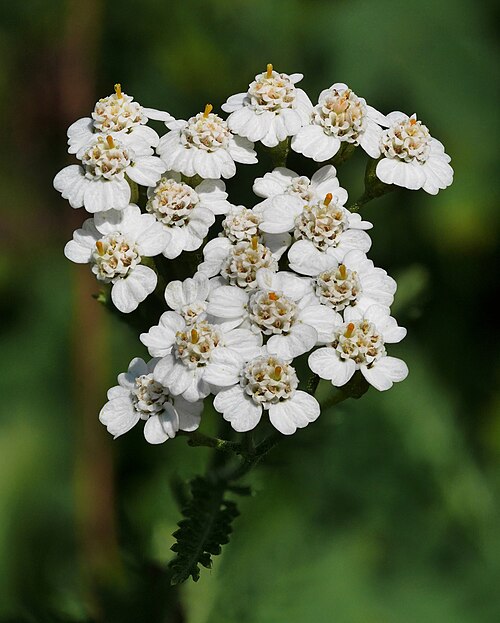
- Succession planting: Add early bloomers (salvias, catmints) and late bloomers (blazing star, yarrow) to fill gaps before and after echinacea and rudbeckia peak.
Practical planting tips
- Spacing: Space plants according to tag recommendations - typically 12-18 inches for most rudbeckias and 18-24 inches for echinacea, depending on cultivar. Crowded plants can increase disease risk.
- Soil: Improve extreme clay or sand with organic matter. Both handle lean soils better than overly fertile beds.
- Division: Divide crowded clumps of rudbeckia every 3-4 years to rejuvenate blooms. Echinacea is slower to need division but can be divided in spring or fall.
Final notes For pollinators, variety beats purity. A bed with both echinacea and rudbeckia will attract a broader cross‑section of bee species than either planted alone. The best choice depends on your garden conditions and which bee groups you want to support - but in most yards, planting both is the most beneficial strategy.
Ready to find the perfect plants for your yard? Try the PlantWise Plant Finder →