Penstemon vs. Salvia: Which Attracts More Hummingbirds?
Short answer: Salvia generally attracts more hummingbirds overall, thanks to its highly tubular flowers, abundant nectar, and long bloom windows. That said, many penstemon (beardtongue) species are also excellent hummingbird magnets - and planting both will give you more color, bloom time, and visits through the season. This post compares penstemon vs salvia hummingbirds to help you choose and plant for maximum hummingbird activity.
🌱 Get Personalized Plant Picks
Answer a few quick questions and we’ll match plants to your exact yard conditions.
Find My Plants →Which of these two plants do hummingbirds prefer?
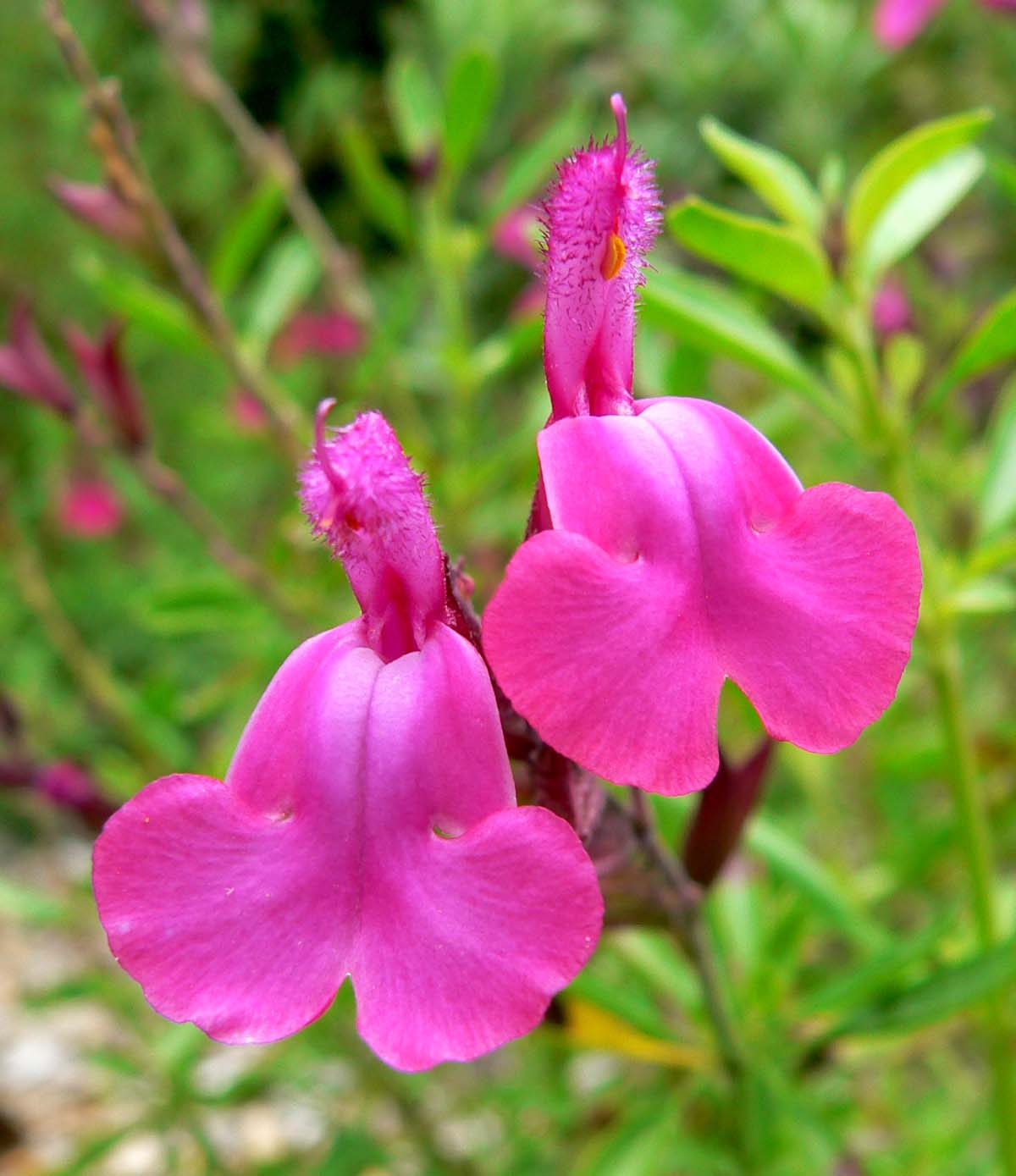
Hummingbirds are drawn to flower shape, nectar volume/concentration, color (reds and warm shades are attractive), visibility, and safety (open perches nearby). Salvias - especially species and cultivars with long, narrow, tubular corollas - tend to check most of those boxes. They often produce nectar-rich flowers in tight clusters, bloom for weeks, and are easy for hummingbirds to access mid-hover.
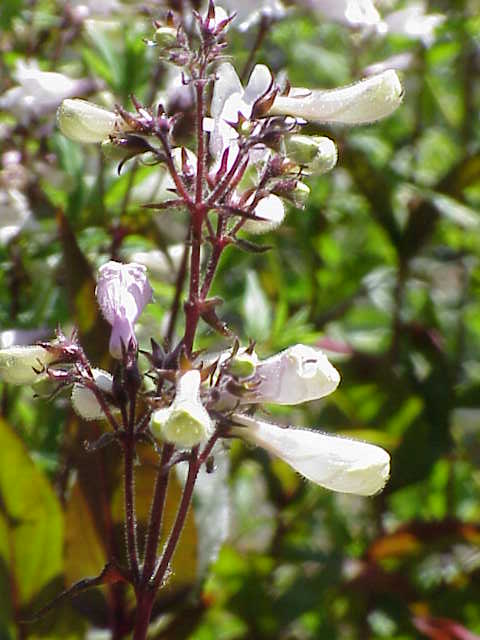
Penstemons also offer tubular flowers, but their tubes are often wider, slightly differently angled, or have landing platforms that make them attractive to bees as well as hummingbirds. Some penstemon species (e.g., Penstemon barbatus) are legendary for hummingbird appeal. In short: if you want the most consistent, high-volume hummingbird attraction, salvias are the safer bet; but the best results come from mixing both.
How do penstemon and salvia differ in flower traits and garden performance?
- Flower shape: Salvias typically have elongated, narrow tubes ideal for hummingbird bills. Penstemon tubes vary; some are equally tubular, others are more open with a lower lip.
- Nectar: Salvias often produce abundant nectar throughout their long bloom period. Many penstemons produce plenty too, but quantity and accessibility depend on the species.
- Bloom period: Many salvias rebloom or have extended seasons (spring through fall in favorable climates). Penstemons often peak in late spring to early summer; some varieties rebloom if deadheaded.
- Plant habit: Salvias range from mounding perennials to upright spikes; many tolerate heat and drought well. Penstemons generally form upright spikes and prefer well-drained soils; some types are shorter-lived in heavy climates.
- Pollinator mix: Salvias attract hummingbirds, bees, and butterflies. Penstemons attract hummingbirds but may bring more bee activity depending on the variety.
Practical takeaway: choose salvias for steady, high-volume hummingbird attraction and add penstemons for diversity, season extension, and varied color/texture.
Quick Reference: Penstemon vs Salvia (at-a-glance)
- Best for hummingbirds: Salvia (edge)
- Flower form ideal for hummingbirds: Salvia (narrow tubular corolla)
- Great penstemon choices for hummingbirds: Penstemon barbatus, Penstemon digitalis (select cultivars)
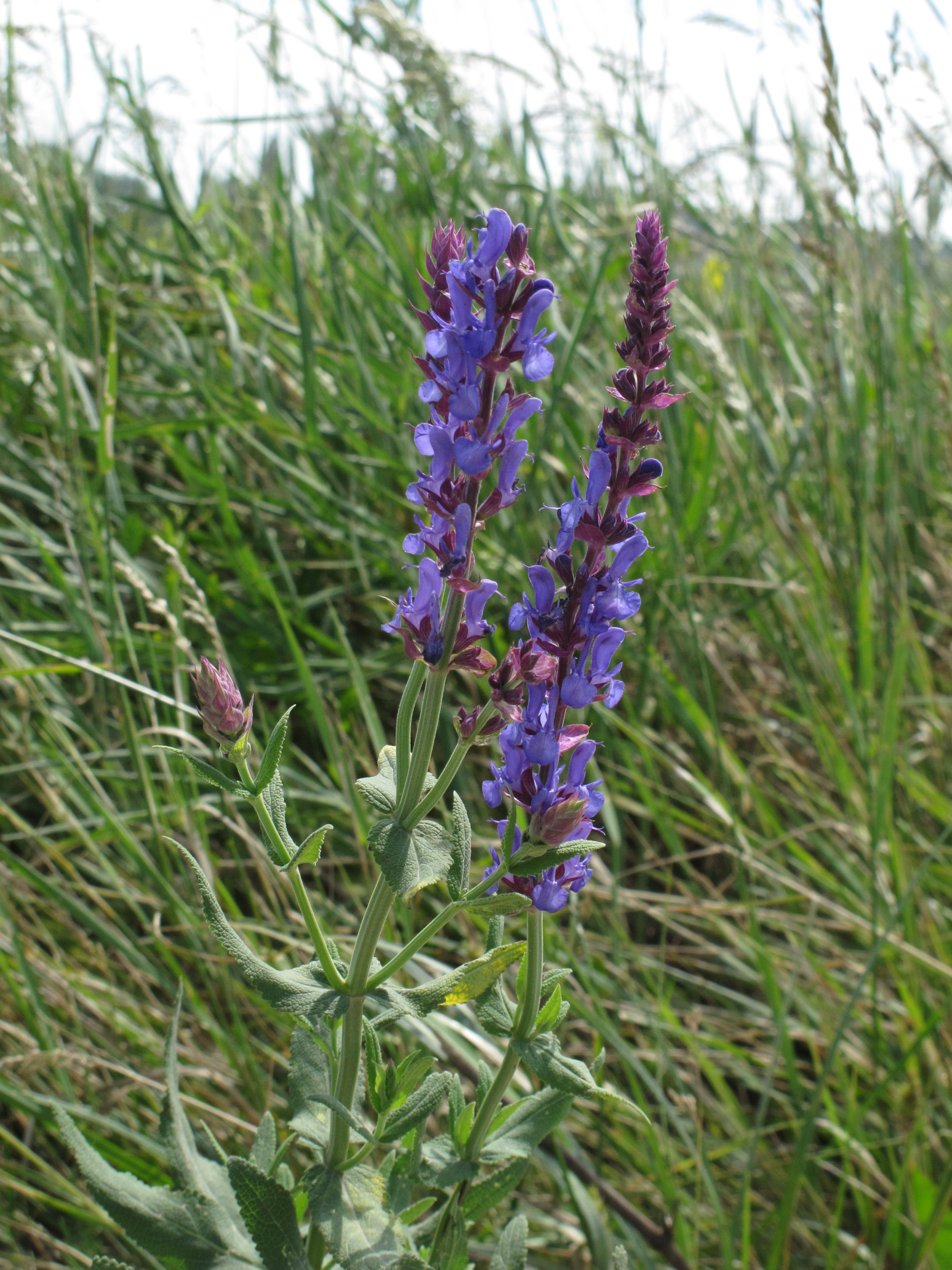
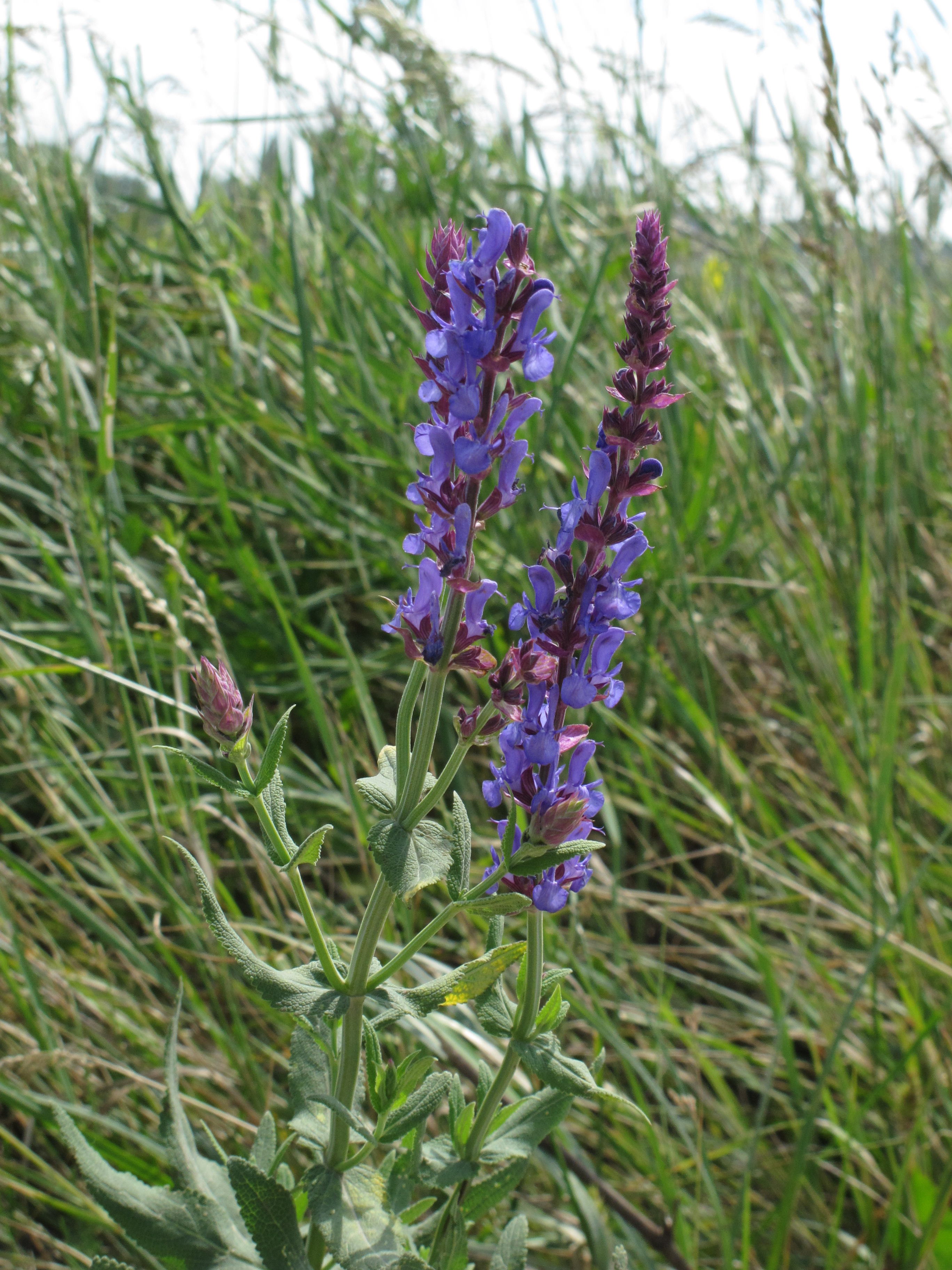
- Best salvia choices for hummingbirds: Salvia greggii, Salvia nemorosa, Salvia guaranitica
- Soil preference: Well-drained for both; salvias tolerate heavier soils if not waterlogged
- Sun: Full sun to part sun for both
- Maintenance: Deadhead salvias for rebloom; remove spent penstemon spikes for tidiness
Quick planting tip: Plant in groups of 3-7 of the same species. Hummingbirds spot clumps more easily than single plants.
How should I plant and care for them to maximize hummingbird visits?
Location and grouping
- Full sun to part sun is best. Place plants where they’re visible from windows and perches.
- Group multiple plants together - hummingbirds are attracted to dense color blocks.
Soil and watering
- Both prefer well-drained soil. Amend heavy soils with compost or grit.
- Once established, many salvias are drought-tolerant; penstemons often prefer consistent but not soggy moisture.
Succession planting
- Stagger varieties so something is always blooming. Pair early-blooming penstemons with longer-blooming salvias.
- Add annuals or other perennials to fill gaps - even short-blooming plants can keep hummingbirds visiting between major bloom peaks.
Pruning and deadheading
- Deadhead spent salvia spikes to encourage rebloom (many salvias will thank you with more flowers).
- Cut back penstemon stalks after bloom to tidy the plant and encourage potential rebloom.
Avoid pesticides
- Hummingbirds feed on nectar and also hunt small insects. Avoid insecticides and systemic pesticides that reduce insect prey.
Provide perches and water
- Nearby perches (small branches, thin stakes) let hummingbirds rest between sips.
- A mister or hummingbird bath with a gentle dripper can be irresistible.
What other plants should I add to make a hummingbird super-attractor garden?
Diversity is your friend. Combine salvias and penstemons with other nectar-rich plants that bloom at different times to create continuous food sources. Consider adding:
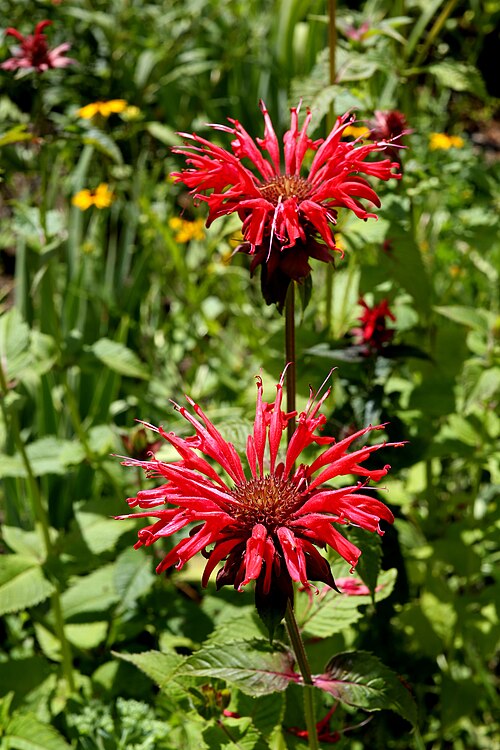
brilliant tubular flowers that hummingbirds love.
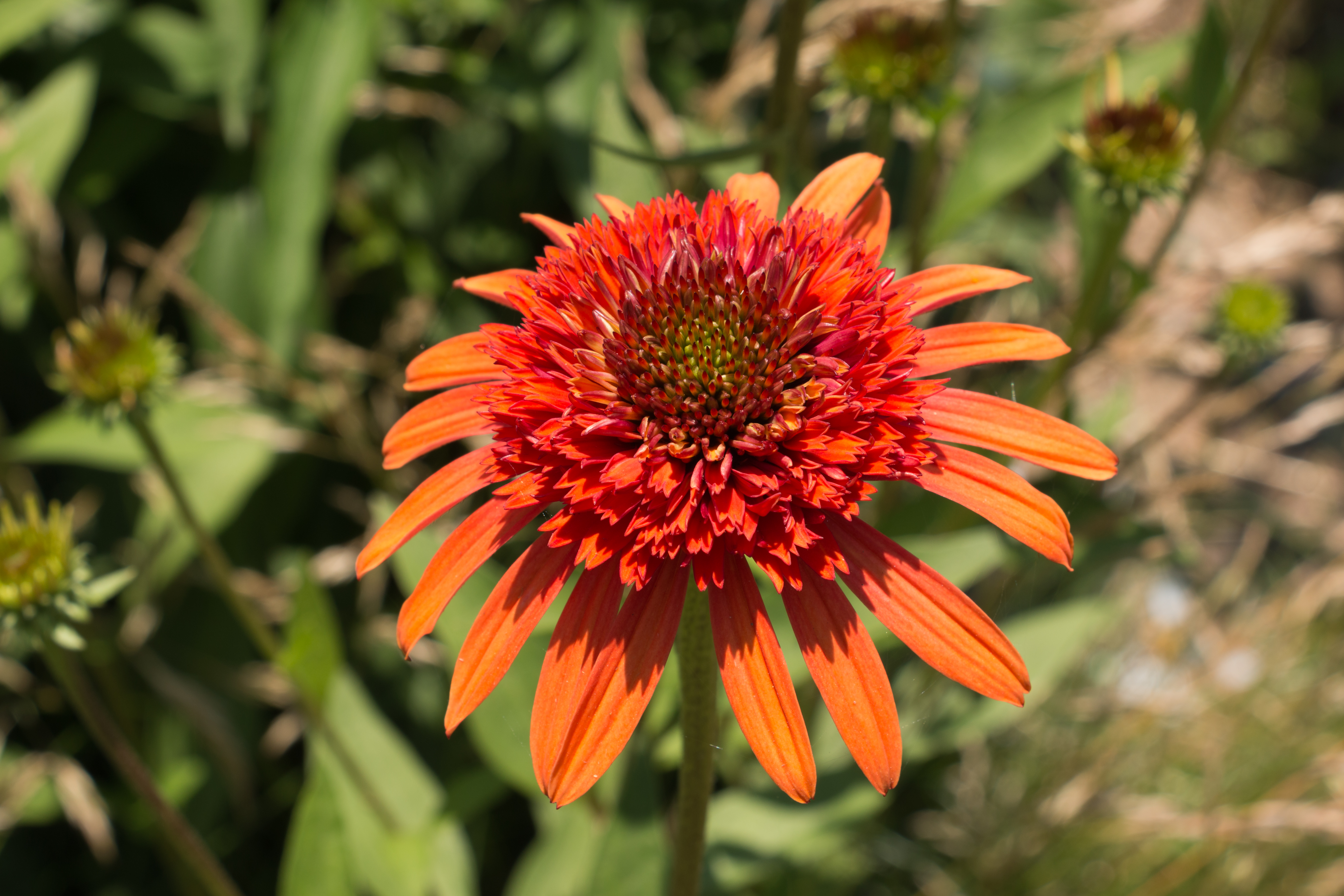
open seedheads that attract insects and provide summer color.
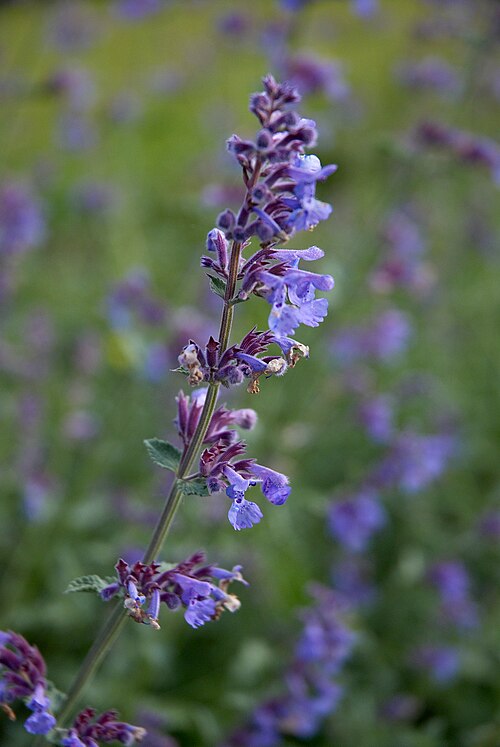
long bloom time and attractive to hummingbirds and pollinators.
include multiple salvia species/varieties for staggered bloom.
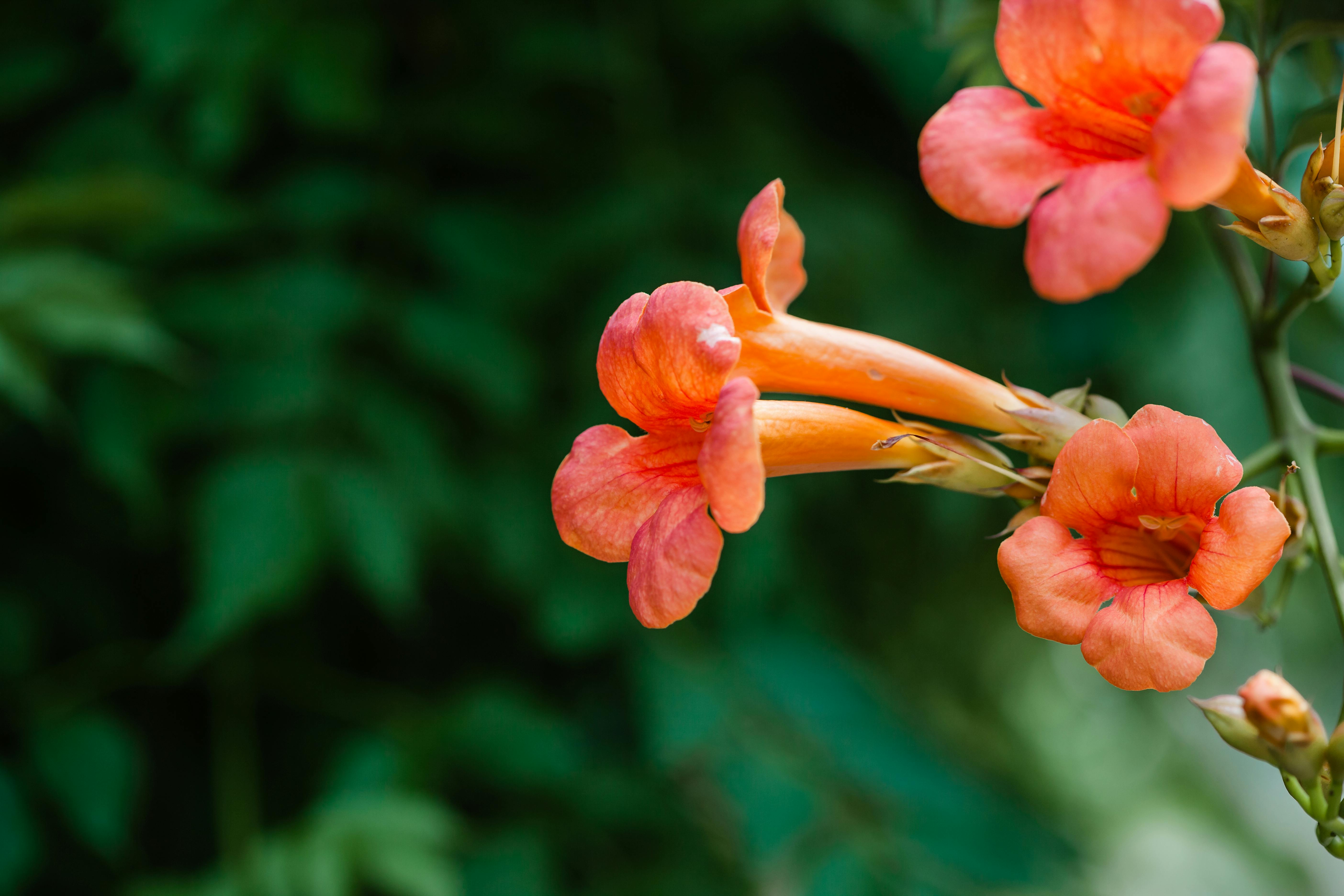
Other excellent options (not in embed list) include fuchsia, penstemon species noted above, trumpet vine (with caution - vigorous), and salvias with deeper blooms for late season nectar.
Plant layout idea: place taller salvias toward the back, mid-height penstemons in the center, and low spreading perennials at the front. This layered approach creates easy sightlines for hummingbirds and for you.
Ready to plant? Mixing salvias and penstemons gives you the best of both worlds: the high, consistent pull of salvia and the architectural spikes and seasonal interest of penstemon. Start with a few reliable salvia cultivars, add one or two hummingbird-friendly penstemons, and fill gaps with bee balm, coneflower, and catmint for continuous color and nectar.
Ready to find the perfect plants for your yard? Try the PlantWise Plant Finder →