The best annual flowers for pollinators are single flowered zinnias, cosmos, pollen producing sunflowers, Mexican sunflower (tithonia), annual salvias, tall verbena, and sweet alyssum, planted in full sun once frost danger has passed and the soil is warm. Annuals bloom within weeks and keep flowering until frost, so they fill the gap while perennials are still getting established. Plant each kind in clumps rather than single plants, pick open single flowers over fully doubled ones, and deadhead lightly so new buds keep coming.
Why annuals help pollinators
Many perennials bloom for a few weeks and then stop. Most warm season annuals flower from early summer into fall, which gives bees, butterflies, and hummingbirds a steady supply of nectar and pollen through the hottest part of the year, when spring bloomers are finished and fall asters are not open yet. Annuals are also cheap and fast. A packet of seed sown after the last frost can be blooming in about two months, and you can try new combinations each year without digging out anything permanent.
Annuals work best alongside a permanent planting, not instead of one. For the long term structure, see the pollinator garden guide and native plants for bees.
🌱 Get Personalized Plant Picks
Answer a few quick questions and we’ll match plants to your exact yard conditions.
Find My Plants →Reliable annual picks and who they feed
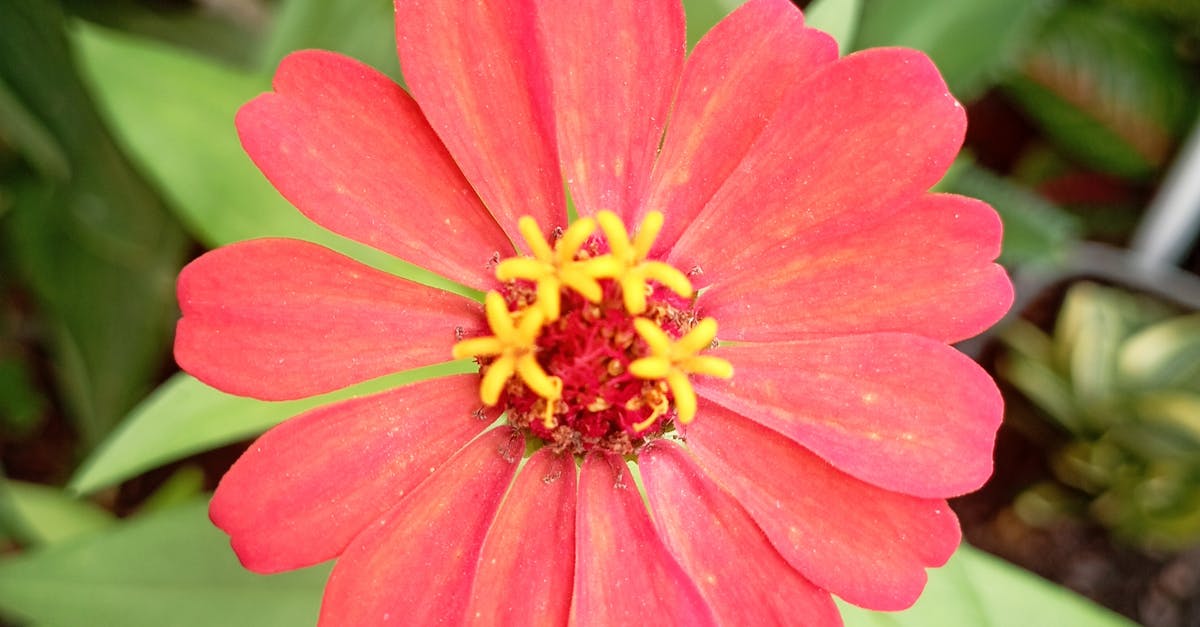
- Zinnias: butterflies land on the flat, open flowers. Choose single or semi double types where you can see the yellow center. Sow directly in warm soil.
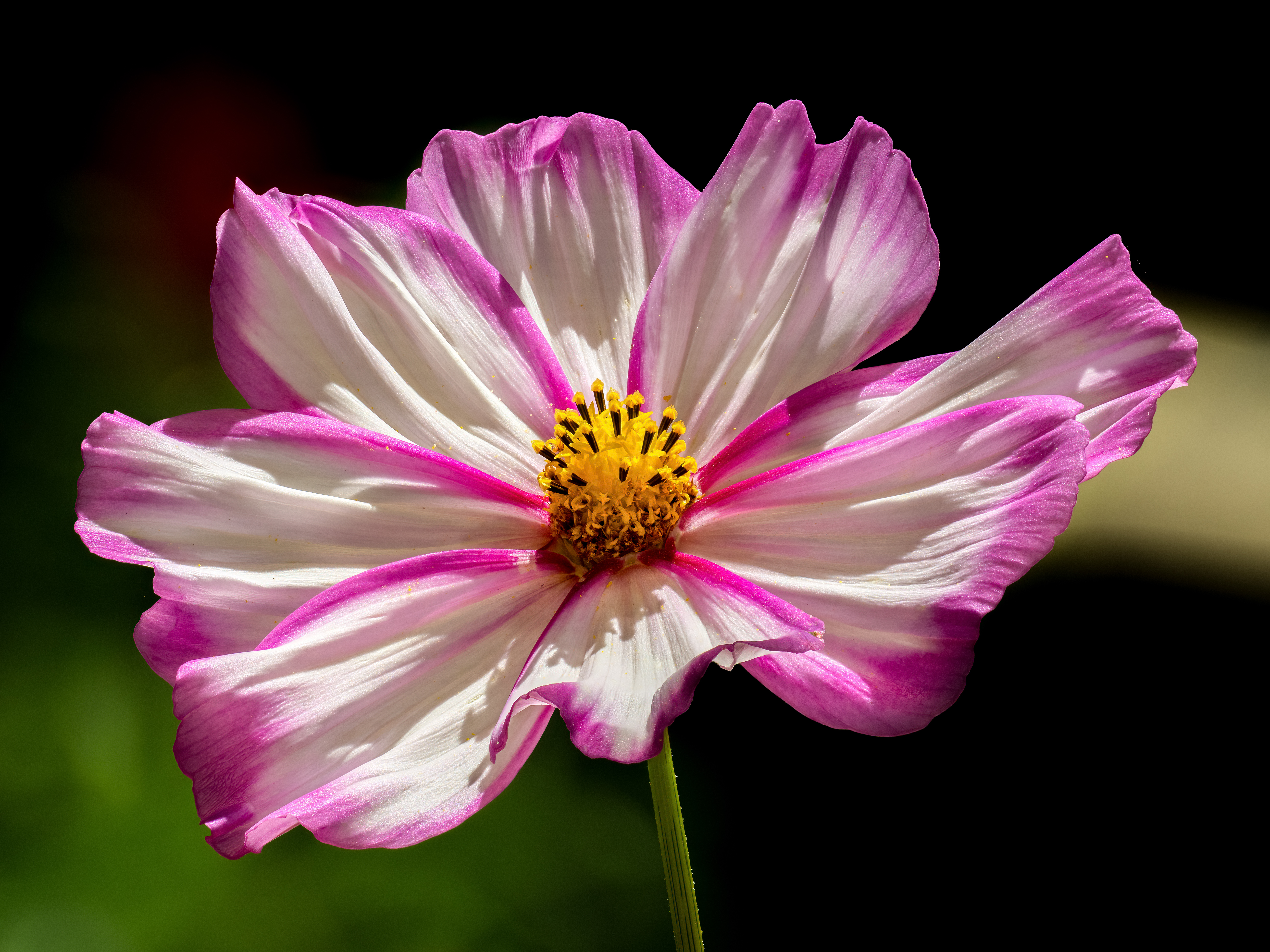
- Cosmos: open, daisy like flowers that bees and small butterflies visit all summer. They grow fast from direct sown seed and tolerate poor, dry soil.
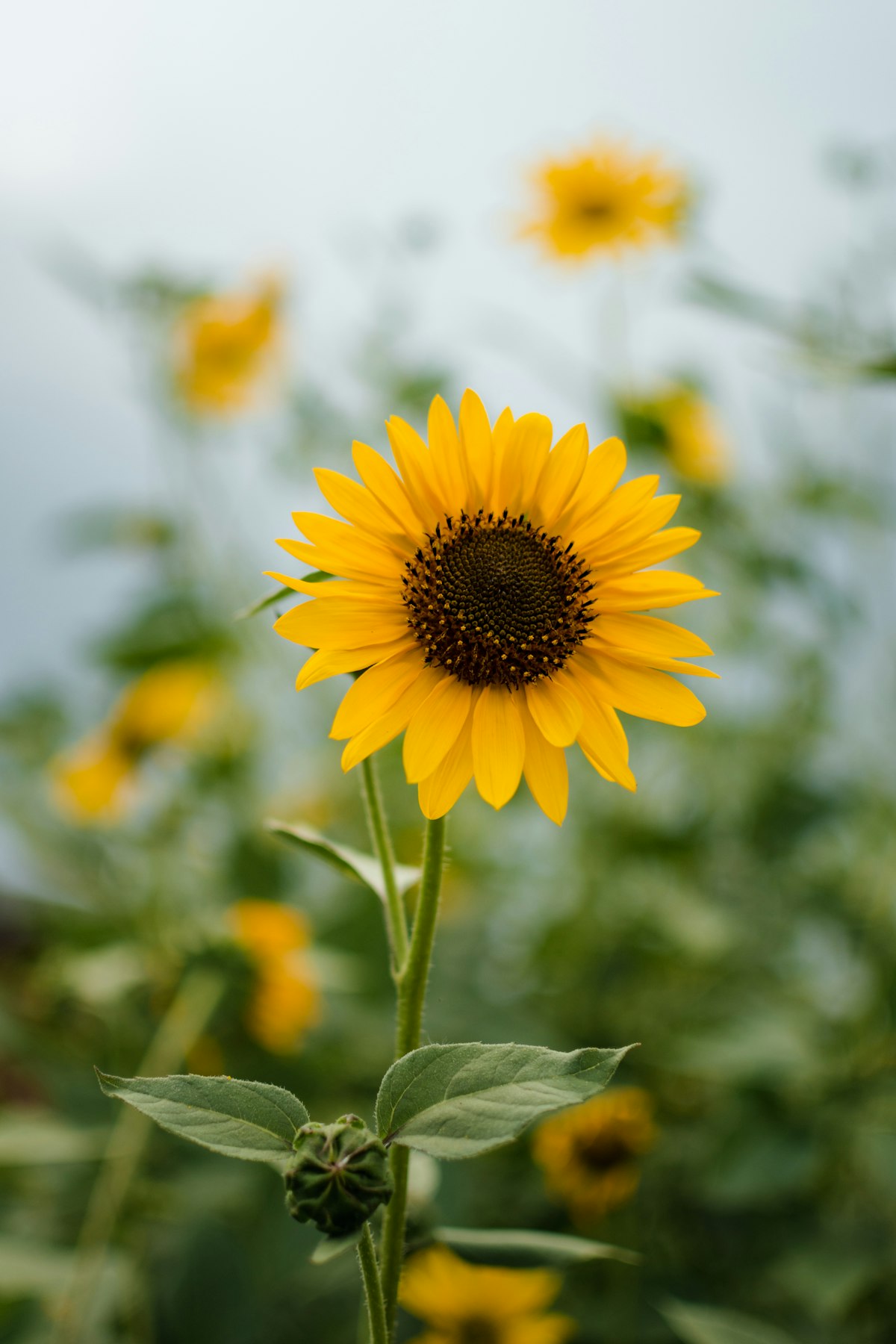
- Sunflowers: bees work the pollen heavy centers. Many cut flower varieties are bred to be pollenless, so check the seed packet and choose standard, pollen producing types for bees.
- Mexican sunflower (tithonia): tall orange flowers that monarchs and other butterflies visit often. Give it room, since it can reach 4 to 6 feet.
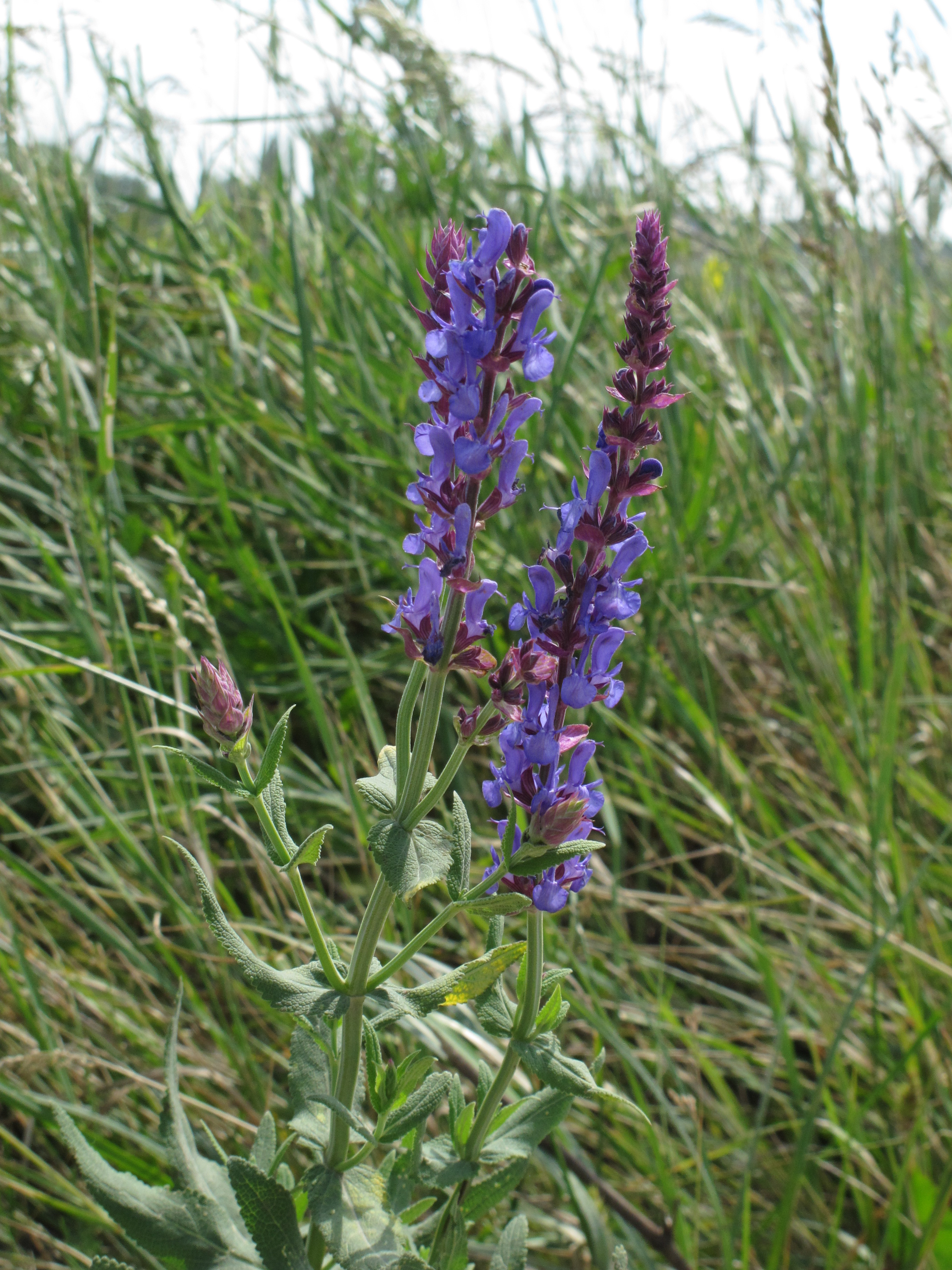
- Annual salvias: blue mealycup sage draws bees, and red flowered salvias are a favorite of hummingbirds.
- Tall verbena (Verbena bonariensis): airy purple clusters on thin stems that butterflies visit constantly. It often reseeds, so pull extra seedlings the next spring.
- Sweet alyssum: a low, honey scented edging plant whose tiny flowers feed small native bees and hoverflies, which also eat aphids.
- Borage and calendula: easy herb garden annuals that bees visit heavily, and both fit well at the edge of a vegetable bed.
Shop seed starting basics on Amazon
A pollinator flower seed mix for a quick sown patch, seed starting mix, biodegradable pots for starting a few indoors, and plant labels so you remember what you sowed where. We may earn a commission at no extra cost to you.
Amazon · Pollinator flower seed mix Amazon · Seed starting mix Amazon · Biodegradable seed pots Amazon · Plant labels
When and how to plant
Most of these are warm season annuals. Wait until after your last frost date and until nights stay above about 50 degrees, since zinnias, tithonia, and salvias sulk in cold soil. If you are not sure of the timing, see when to plant after the last frost. Sweet alyssum, calendula, and borage handle cool weather and can go in a little earlier.
- Pick the sunniest spot: most pollinator annuals need at least 6 hours of direct sun to flower well.
- Loosen and feed the soil: work an inch or two of compost into the top few inches. Rich soil is not needed, and too much nitrogen gives you leaves instead of flowers.
- Plant in clumps: group three to five plants of the same kind, or sow a patch at least a couple of feet across. Pollinators find and work larger blocks of one flower more easily than scattered single plants.
- Sow or set out: direct sow zinnias, cosmos, and sunflowers at the depth on the packet, and set out transplants of salvia, verbena, and alyssum at their nursery pot depth.
- Water in: keep the seedbed evenly moist until seedlings are a few inches tall, then water deeply about once a week in dry spells.
When buying transplants, read the plant tag and ask the grower about pesticide use, since some nursery plants are treated with systemic insecticides that can end up in pollen and nectar.
Shop bed and bee care basics on Amazon
A shallow bird bath style dish for a bee watering station, a slow release flower fertilizer, a hose watering wand with a gentle shower setting, and a sturdy hand trowel for setting out transplants. We may earn a commission at no extra cost to you.
Amazon · Shallow watering dish Amazon · Slow release fertilizer Amazon · Gentle watering wand Amazon · Hand trowel
Keeping them blooming all season
- Deadhead lightly: snip spent zinnia, cosmos, and salvia flowers back to a side bud every week or so to keep new flowers coming.
- Leave some seed heads late in the season: goldfinches and other seed eating birds feed on sunflower, zinnia, and cosmos seed heads in late summer and fall.
- Go easy on spraying: skip broad spectrum insecticides in and near the bed. If you must treat a pest, spot treat in the evening when bees are not foraging.
- Add water: a shallow dish with pebbles or marbles for landing spots gives bees a safe place to drink on hot days. Refresh it every couple of days.
- Mulch between plants: a thin layer of mulch keeps the soil moist and cool. Leave a few bare, sunny patches, since many native bees nest in the ground.
Going away for a weekend after planting? See mulch and watering setup before a long weekend away.
Container option
No bed space? A large pot works well. Use a container at least 14 inches across with drainage holes, put a zinnia or salvia in the center, cosmos or verbena behind it, and sweet alyssum spilling over the edge. Pots dry out quickly, so check the soil daily in hot weather. For color combinations, see red, white, and blue container plantings.
Safety notes
Wear gloves when handling seed that has been treated with fungicide, and wash your hands afterward. Keep bee watering dishes shallow so they do not become a drowning hazard for small animals, and change the water often so mosquitoes do not breed in it.
Pet notes
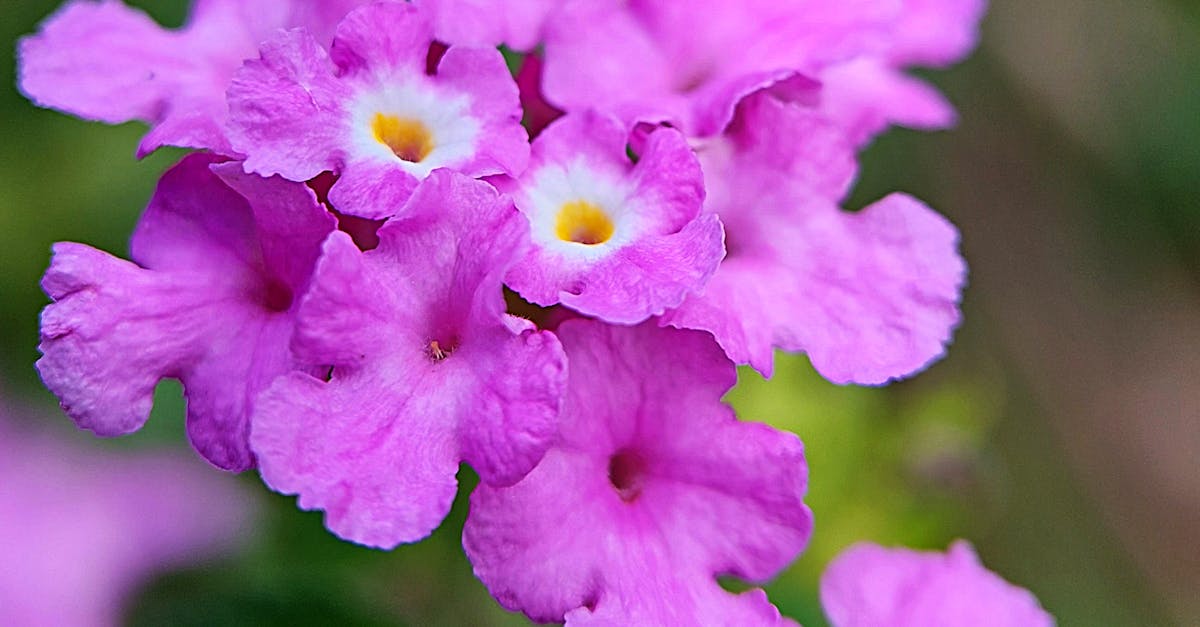
The ASPCA lists zinnias and sunflowers as non toxic to dogs and cats. Lantana, another popular butterfly annual, is on the ASPCA toxic list for dogs, cats, and horses, so skip it where pets graze or chew on plants. If a pet eats a plant and seems unwell, call your veterinarian or the ASPCA Animal Poison Control Center at (888) 426-4435.
Bottom line
For a pollinator bed that blooms from early summer to frost, plant clumps of single flowered zinnias, cosmos, pollen producing sunflowers, tithonia, annual salvias, tall verbena, and sweet alyssum in full sun after your last frost. Deadhead lightly, skip broad spectrum sprays, and leave some seed heads for the birds at the end of the season.
Related reading
- How to create a pollinator garden
- Best plants for a monarch butterfly garden
- How to prepare your pollinator garden for spring
- When to plant after the last frost
Ready to match plants to your location? Try the PlantWise Plant Finder →