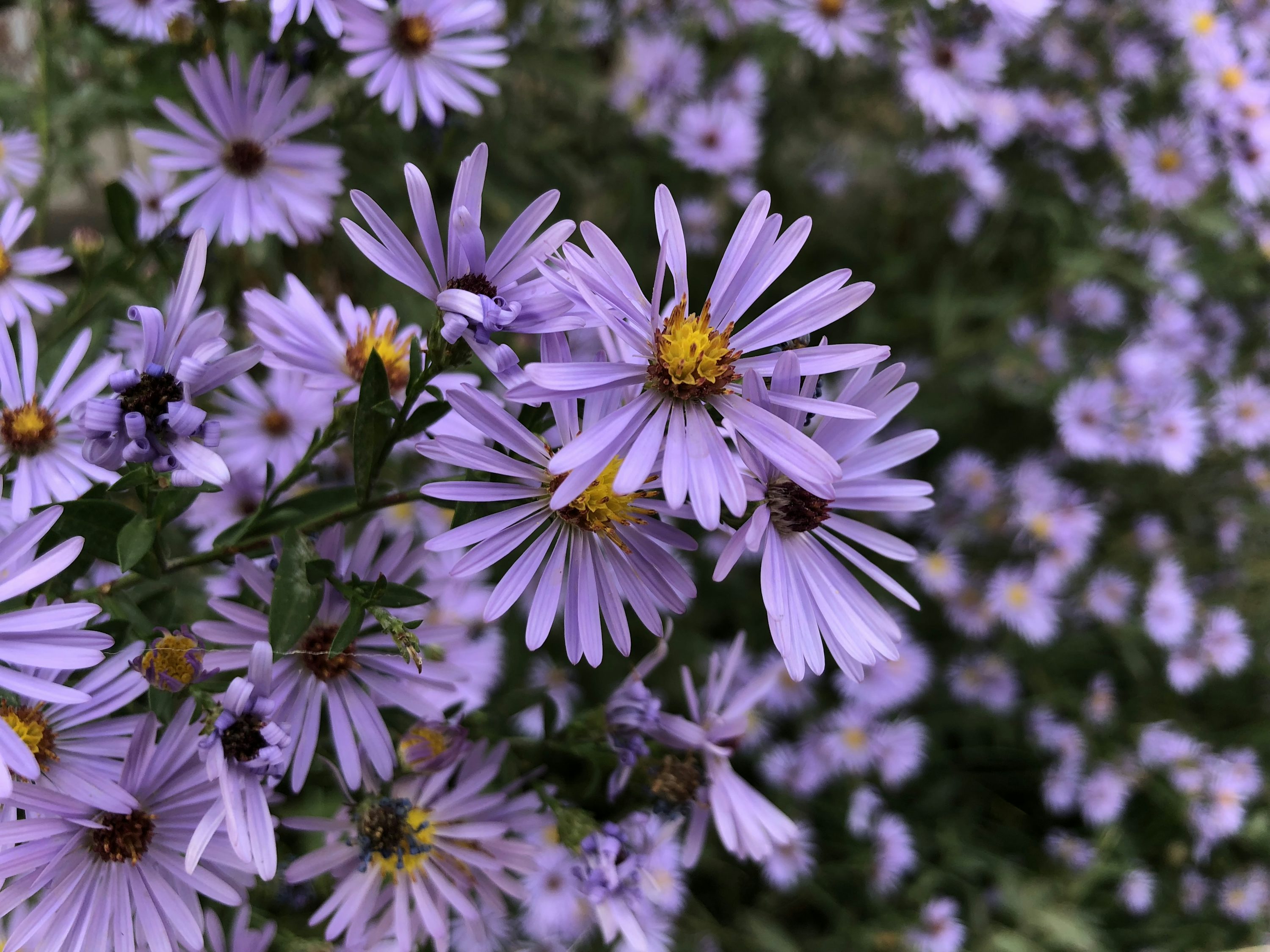
How to Prepare Your Pollinator Garden for Spring
Preparing your pollinator garden for spring is a crucial step to ensure a thriving habitat for bees, butterflies, and other beneficial insects throughout the growing season. The best time to start is in late winter or early spring, once temperatures are consistently above freezing but before new growth fully emerges. Key tasks include strategic cleanup, leaving some plant material for overwintering insects, assessing soil health, and planning for new additions. By taking these thoughtful steps, you'll create a welcoming and resource-rich environment that supports the entire pollinator lifecycle from the moment they emerge.
As the days lengthen and the first hints of warmth touch the air, our thoughts naturally turn to the garden. For those dedicated to supporting our vital pollinators, spring preparation isn't just about aesthetics; it's about creating a living sanctuary. Many beneficial insects, including native bees and butterflies, spend the colder months nestled within plant stems, leaf litter, and even the soil. Our spring garden chores need to be mindful of these hidden inhabitants, ensuring we don't inadvertently harm the very creatures we aim to attract. Let's dive into how to thoughtfully prepare your pollinator paradise for a bustling season ahead.
🌱 Get Personalized Plant Picks
Answer a few quick questions and we’ll match plants to your exact yard conditions.
Find My Plants →When Should I Start Preparing My Pollinator Garden?
Timing is everything when it comes to spring pollinator garden prep. The general rule of thumb is to wait until temperatures are consistently above 50°F (10°C) for several consecutive days, and ideally, after the threat of a hard frost has passed. This usually means late March, April, or even early May, depending on your specific climate zone.
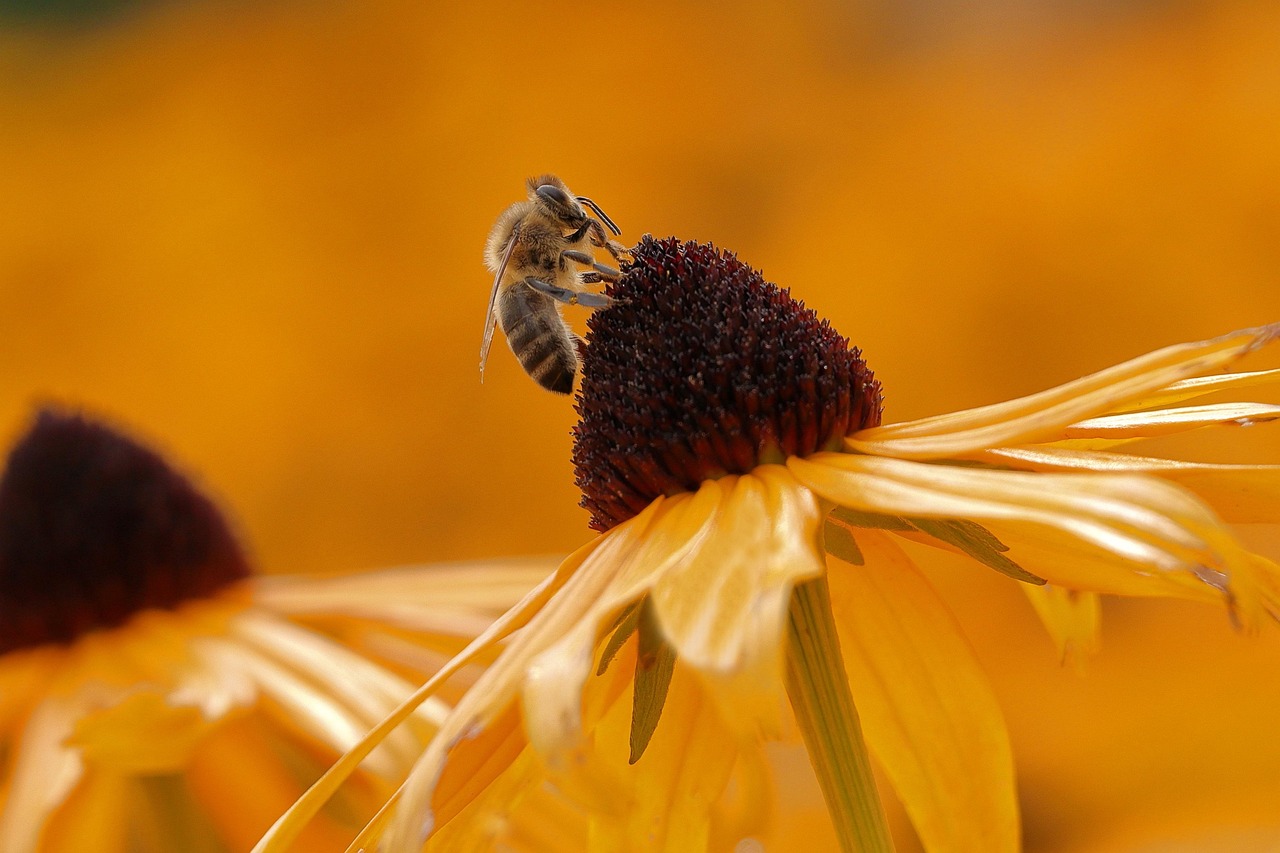
Why wait? Many native bees, like mason bees and leafcutter bees, overwinter as larvae or pupae inside hollow plant stems from the previous year. Butterfly chrysalises and moth cocoons might be attached to old stalks or tucked away in leaf litter. If you cut back too early, you risk discarding or disturbing these dormant insects before they have a chance to emerge. Waiting ensures that these beneficial creatures have ample time to wake up and fly off to begin their important work.
What Should I Cut Back, and What Should I Leave?
This is perhaps the most critical question for a pollinator-friendly spring cleanup. The goal is to balance tidiness with habitat preservation.
What to Cut Back (and When):
- Dead Perennial Stems: Once new growth starts to emerge from the base of the plant, you can cut back the previous year's dead stems. However, instead of cutting them all the way to the ground, consider leaving them 6-12 inches tall. Many hollow-stemmed plants serve as nesting sites for cavity-nesting bees. Leaving taller stubs provides continued habitat.
- Diseased Plant Material: Any plant material showing signs of disease (fungus, mildew, etc.) should be removed and disposed of, not composted, to prevent the spread of pathogens.
- Invasive Weeds: Early spring is an excellent time to tackle perennial weeds before they get a strong foothold.
What to Leave (or Delay Cleaning):
- Leaf Litter: Resist the urge to rake up every last leaf! A thick layer of leaf litter provides crucial insulation and shelter for overwintering insects, including butterfly chrysalises and beneficial ground beetles. Let it decompose naturally, returning valuable nutrients to the soil. If you must tidy, consider moving leaves to a less conspicuous area of the garden or around the base of trees and shrubs.
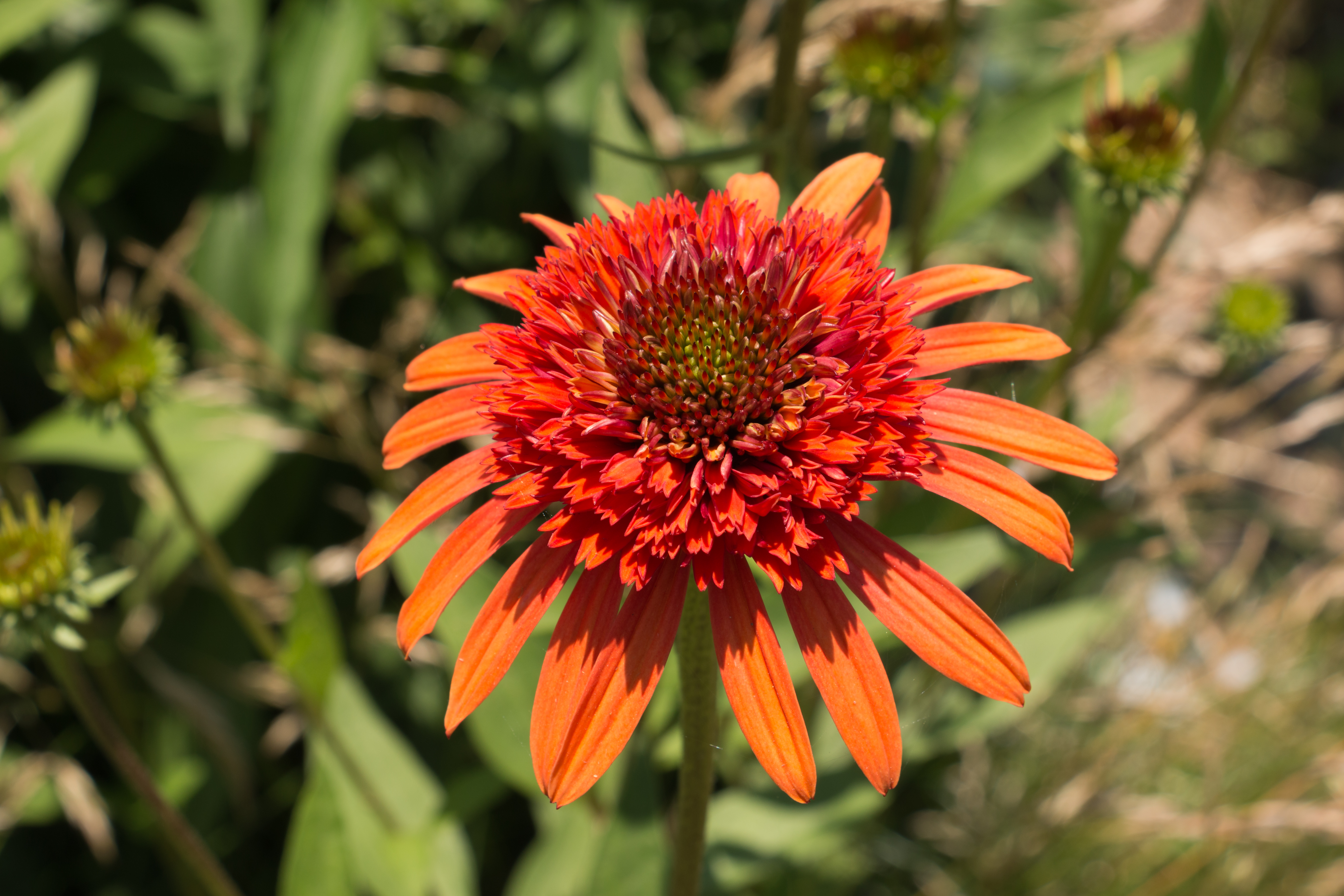
- Seed Heads: Many plants, like Coneflower and Black-eyed Susan, produce seeds that are a vital food source for birds throughout the winter and early spring. Leaving these standing also provides structural interest and shelter for small insects. You can cut them back later in the spring once birds have had their fill.
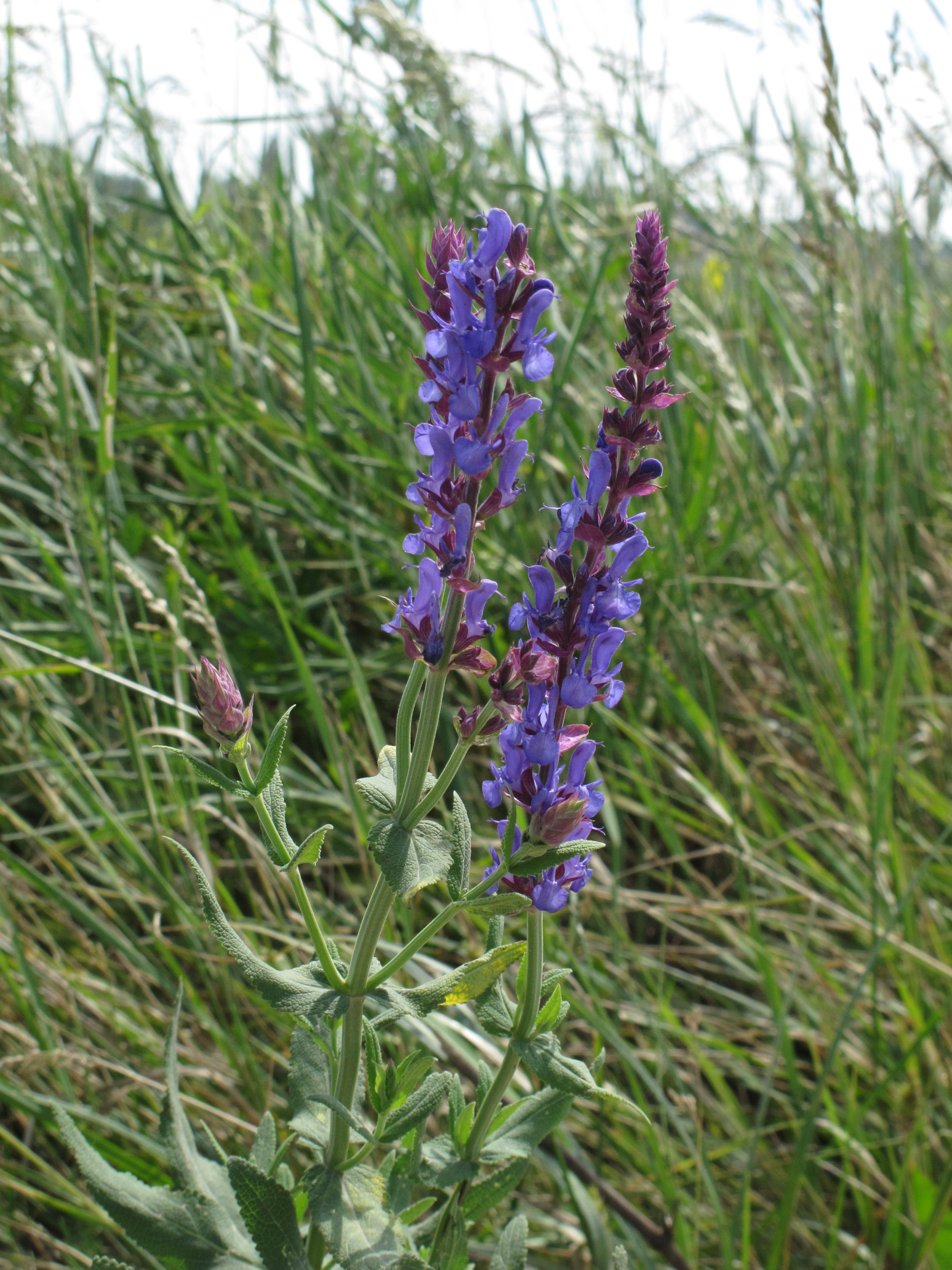
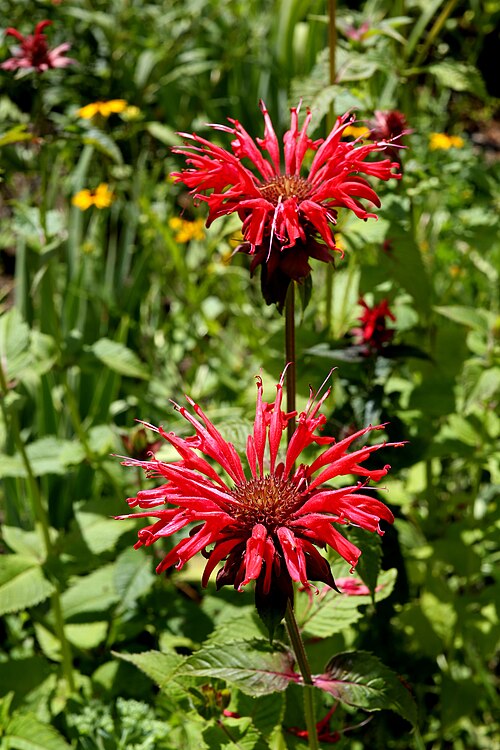
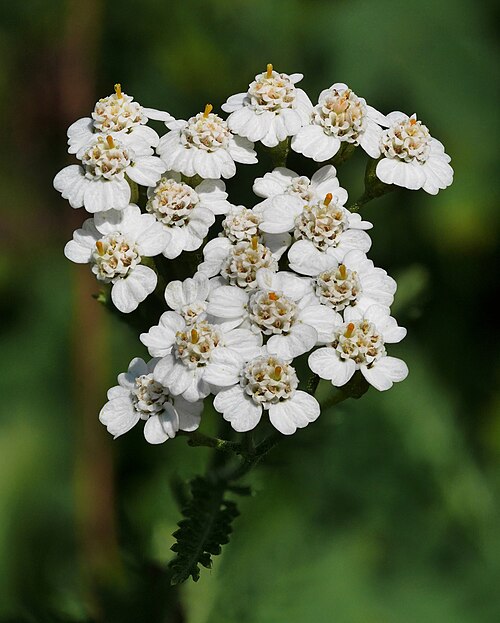
- Hollow Stems: As mentioned, many native bees nest in hollow or pithy stems. Plants like Yarrow, Salvia, and Bee Balm are excellent candidates for leaving stems standing until well into late spring.
Quick Reference: Spring Pollinator Garden Cleanup
| Task | Timing | Rationale |
|---|---|---|
| Cut Back Stems | Late spring (after 50°F consistently) | Allows overwintering insects to emerge; leave 6-12" for new nesting sites. |
| Remove Leaves | Delay as long as possible, or relocate | Provides shelter and insulation for overwintering insects. |
| Remove Seed Heads | Late spring (after birds have fed) | Food source for birds; structural interest. |
| Weed | Early spring | Prevents competition with desired plants. |
| Add Compost | Early spring | Improves soil structure and fertility. |
| Plant New Additions | After last frost | Establishes new plants for pollinator resources. |
How Do I Prepare My Soil for New Plantings?
Healthy soil is the foundation of a thriving garden, and pollinators benefit from robust plants grown in nutrient-rich earth. Spring is the perfect time to give your soil a boost.
- Assess Your Soil: Before adding amendments, it's helpful to know what your soil needs. You can do a simple home test or send a sample to your local extension office for a more comprehensive analysis.
- Add Organic Matter: This is the single best thing you can do for your soil. Spread a 1-2 inch layer of well-rotted compost over your garden beds. Compost improves soil structure, drainage, water retention, and provides a slow release of essential nutrients. You can gently work it into the top few inches of soil or simply leave it on the surface as a top dressing.
- Avoid Synthetic Fertilizers: While they might promise quick growth, synthetic fertilizers can often harm beneficial soil microorganisms and lead to excessive leafy growth at the expense of flowers. Focus on building healthy soil with organic matter, which provides a more balanced and sustainable nutrient supply.
What New Plants Should I Consider for My Pollinator Garden?
Spring is an exciting time to plan and plant new additions that will enhance your pollinator garden throughout the season. When selecting plants, aim for diversity in bloom times, flower shapes, and colors to attract a wide range of pollinators.
- Early Bloomers: Provide crucial nectar and pollen sources for early emerging bees and butterflies. Consider plants like spring ephemerals, crocuses, and early-blooming native shrubs.
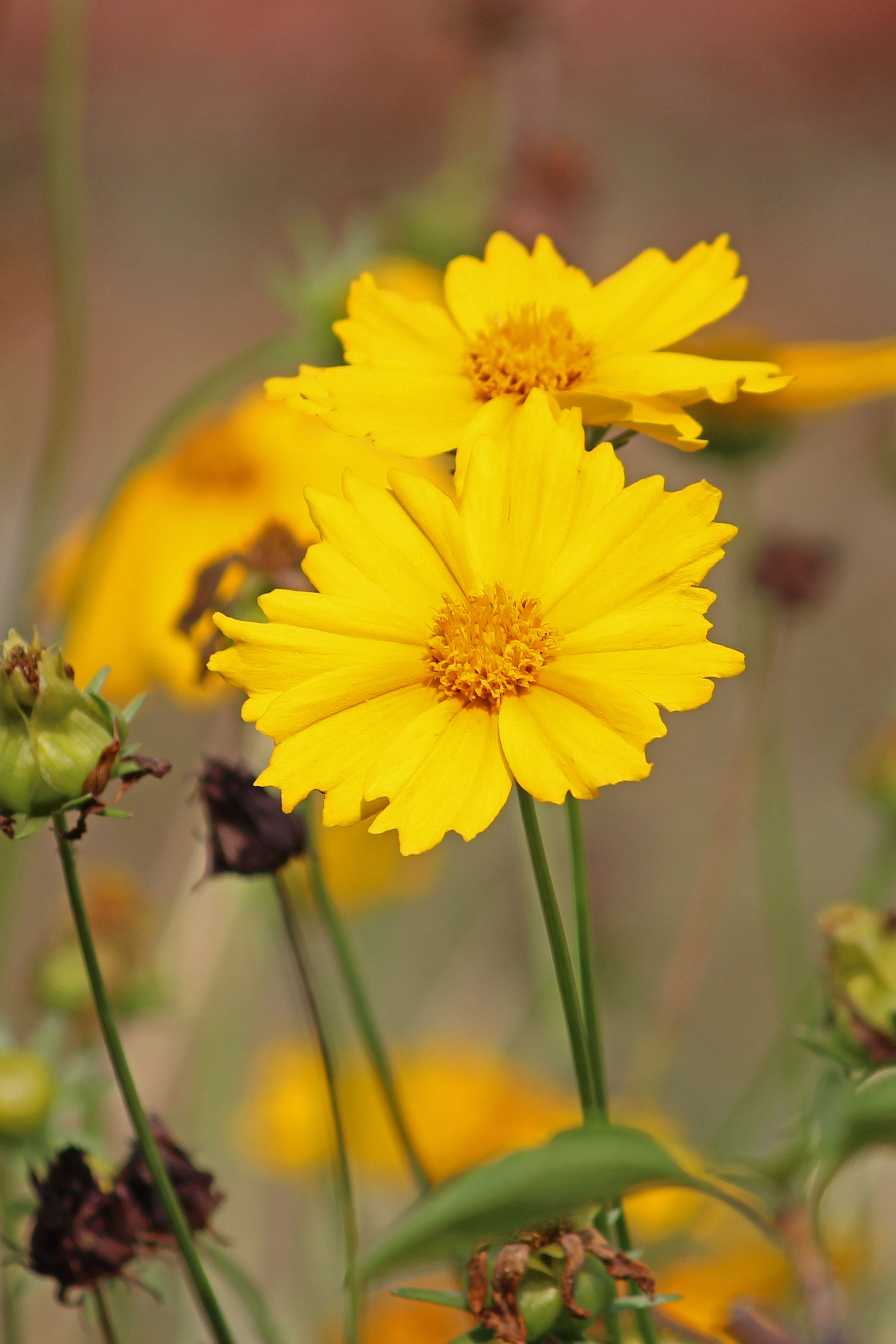
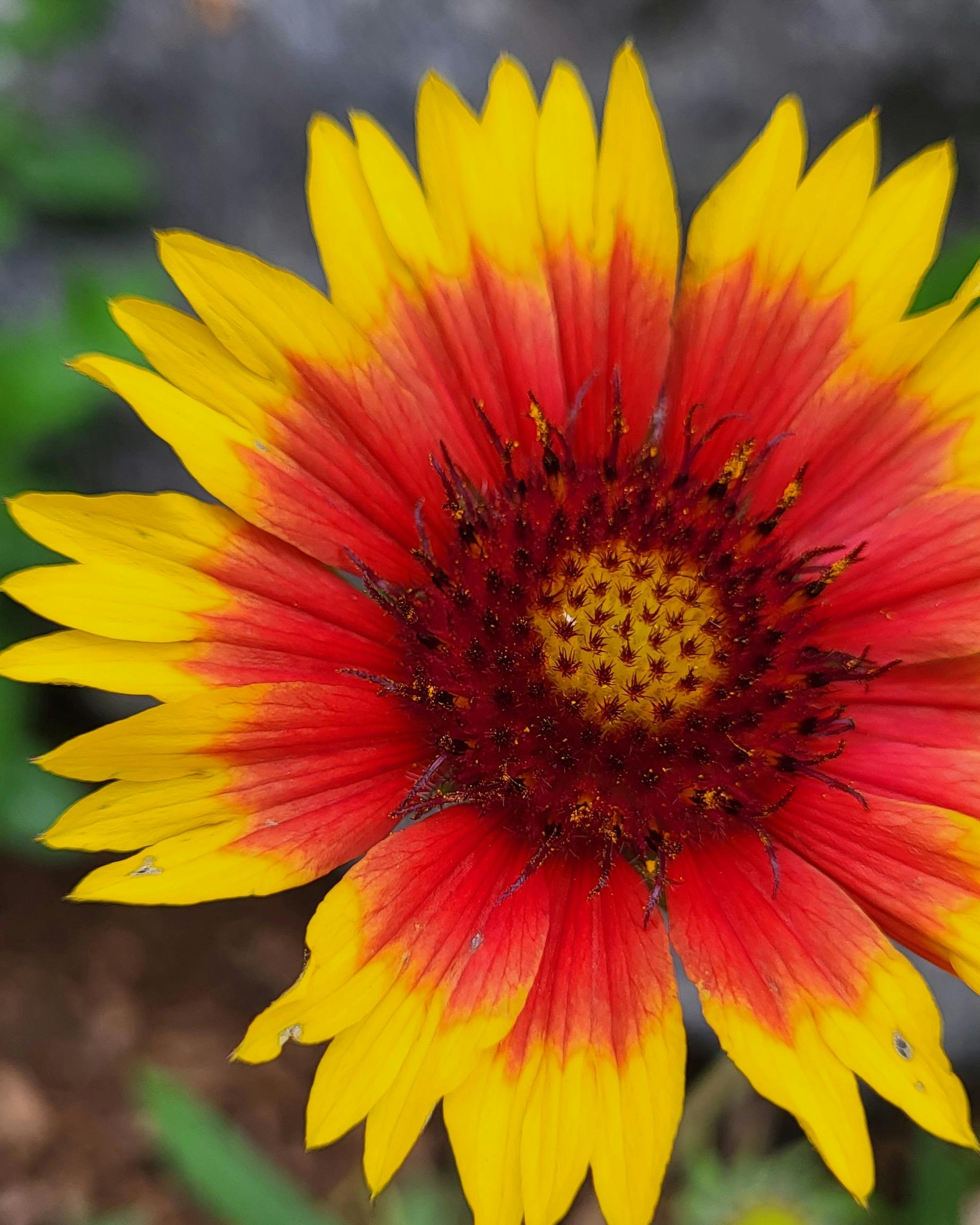
- Mid-Season Staples: These form the backbone of your garden. Blanket Flower and Coreopsis offer continuous blooms and are highly attractive.
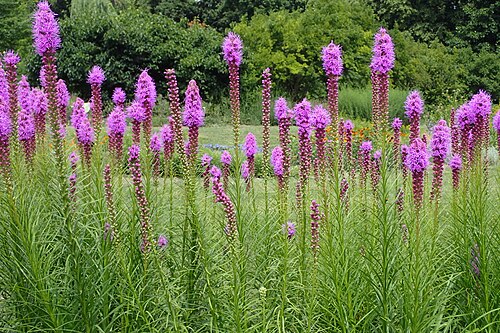
- Late-Season Heroes: Extend the foraging season into fall with plants like asters, goldenrod, and Blazing Star.
When choosing plants, prioritize native species for your region. Native plants are best adapted to your local climate and soil conditions, and they have co-evolved with local pollinators, providing the most beneficial food sources. Look for plants that haven't been treated with systemic pesticides, especially neonicotinoids, which can be harmful to pollinators.
Other Essential Spring Tasks for Pollinators
- Provide a Water Source: A shallow bird bath with stones or marbles for landing spots can be a lifesaver for thirsty bees and butterflies.
- Consider a "Bee Hotel": If you have space, a simple bee hotel can provide nesting sites for solitary native bees. Place it in a sunny, sheltered spot.
- Minimize Pesticide Use: This is paramount in a pollinator garden. If pest issues arise, try organic and integrated pest management (IPM) strategies first, such as hand-picking pests or using insecticidal soaps. Always avoid broad-spectrum pesticides.
- Observe and Learn: Spend time in your garden. Watch which plants attract the most pollinators, observe their behaviors, and learn about the different species visiting your space. This will inform your future planting and maintenance decisions.
By approaching your spring garden preparation with a pollinator-first mindset, you're not just growing beautiful plants; you're cultivating a vibrant ecosystem. Each thoughtful cut, each layer of compost, and each new plant contributes to the health and resilience of our invaluable pollinator populations.
Ready to find the perfect plants for your yard? Try the PlantWise Plant Finder →