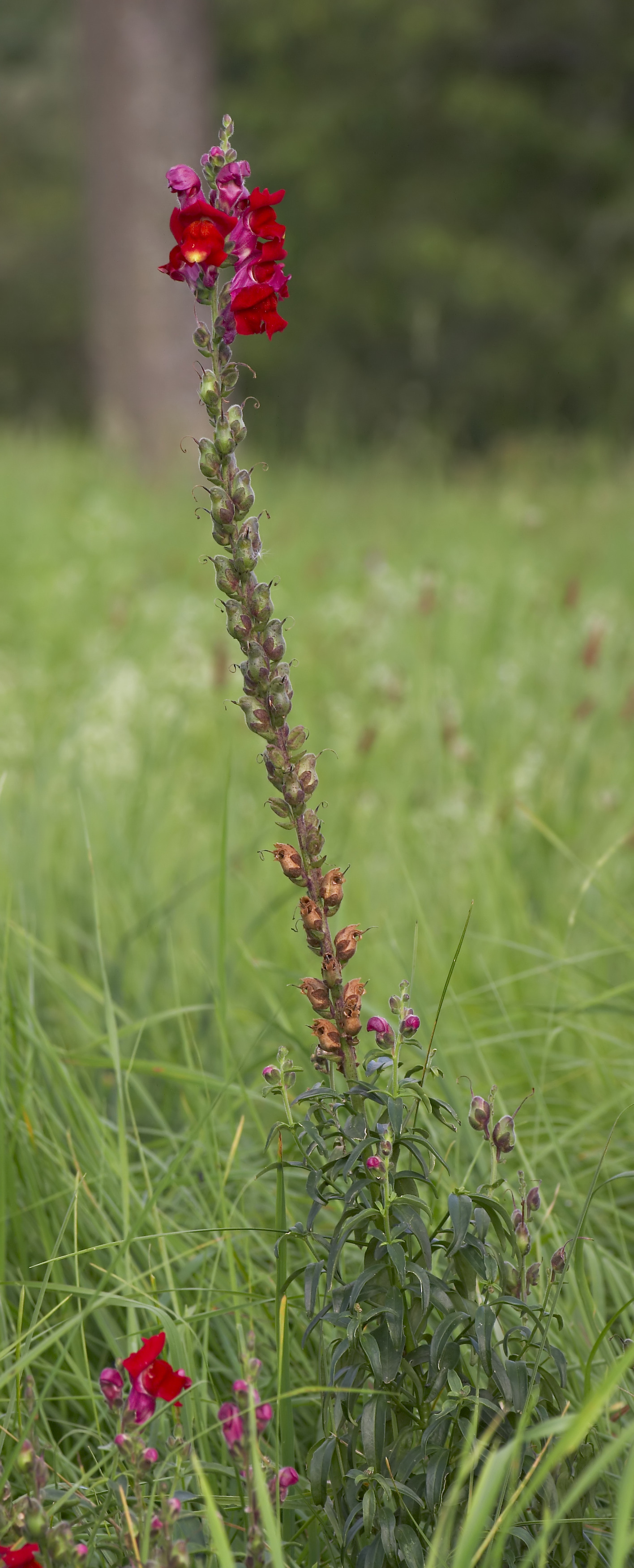
The safe time to plant out frost tender flowers and vegetables is about 1 to 2 weeks after your average last frost date, once nighttime lows stay above 50°F and the soil 4 inches down reads at least 60°F. Cold tolerant plants such as pansies, snapdragons, lettuce, and peas can go in 2 to 4 weeks before the last frost date. Whatever you plant, harden transplants off for 7 to 10 days first, plant on a calm, cloudy day or in the evening, water deeply, and keep frost cloth handy for the first few weeks.
What the last frost date really means
Your average last frost date is the day after which a spring frost becomes less likely, based on decades of weather records for your area. It is an average, not a promise. On that date there is still roughly a 50 percent chance of another frost, and the odds keep dropping over the next two weeks. That is why gardeners who plant tender crops exactly on the date lose plants in some years.
Find your date through your local extension office or a frost date lookup by ZIP code, then treat it as a window rather than a single day:
- 2 to 4 weeks before: plant cold tolerant transplants and sow hardy seeds.
- On the date: plant half hardy crops if the forecast shows no frost for the coming week.
- 1 to 2 weeks after: plant frost tender annuals and warm season vegetables.
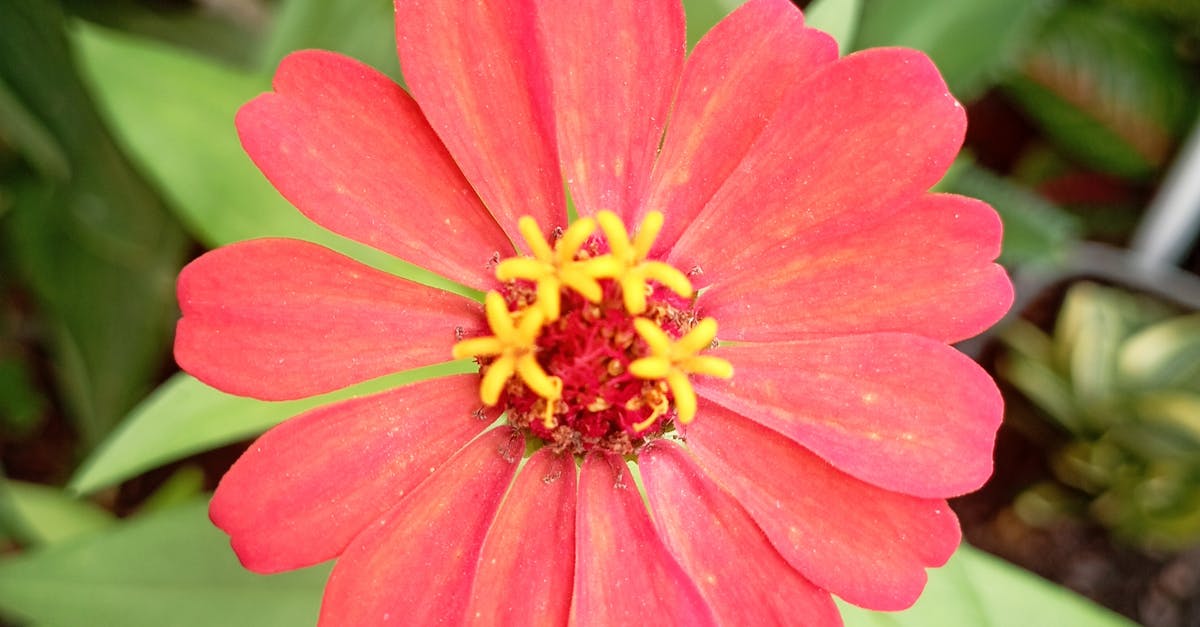
- 3 or more weeks after: sow heat lovers such as squash, melons, and zinnias directly in warm soil.
For a full year view of garden tasks, see the seasonal planting calendar.
🌱 Get Personalized Plant Picks
Answer a few quick questions and we’ll match plants to your exact yard conditions.
Find My Plants →Sort your plants into three groups
Cold tolerant (hardy): pansies, violas, snapdragons, sweet alyssum, lettuce, spinach, peas, kale, and onion sets. These handle light frost and often grow better in cool weather.
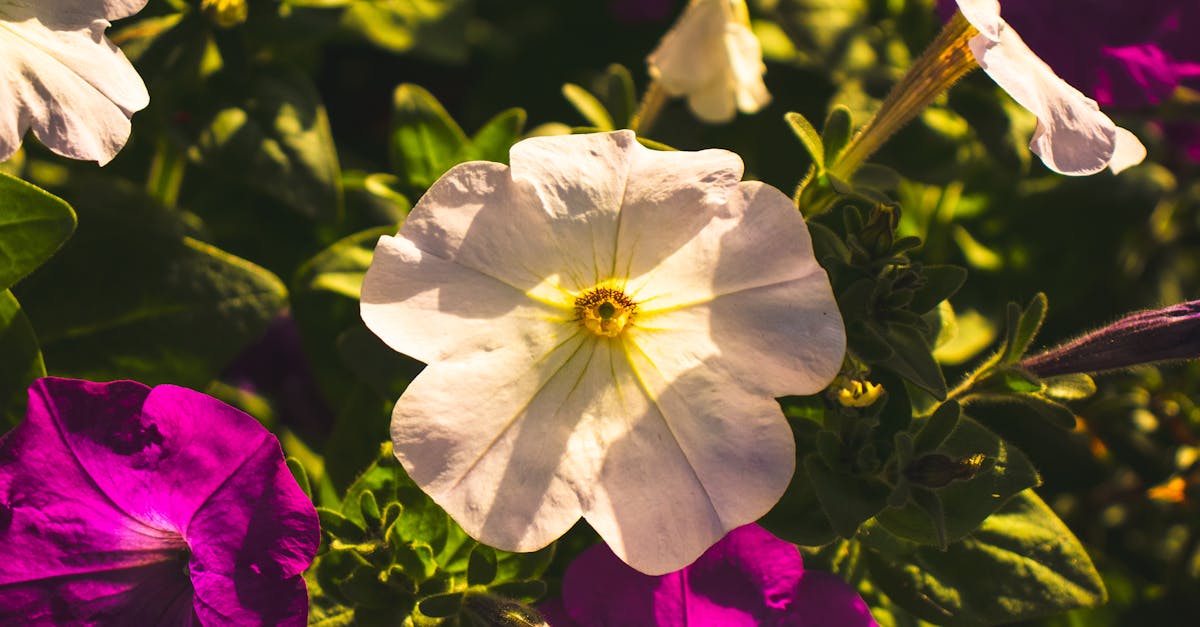
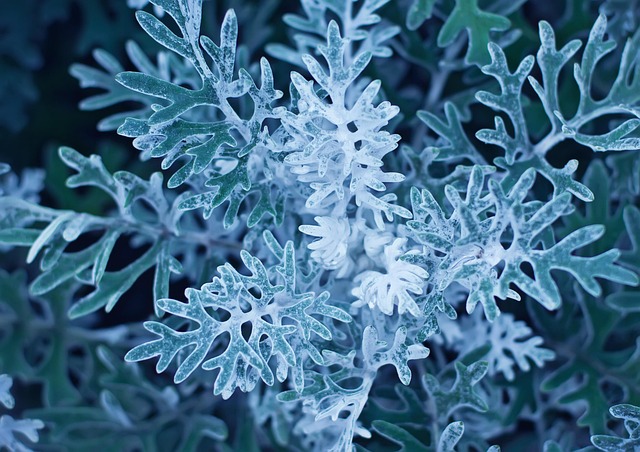
Half hardy: petunias, dusty miller, cabbage family transplants, carrots, beets, and chard. They take a brief dip near freezing but can be damaged by a hard frost.
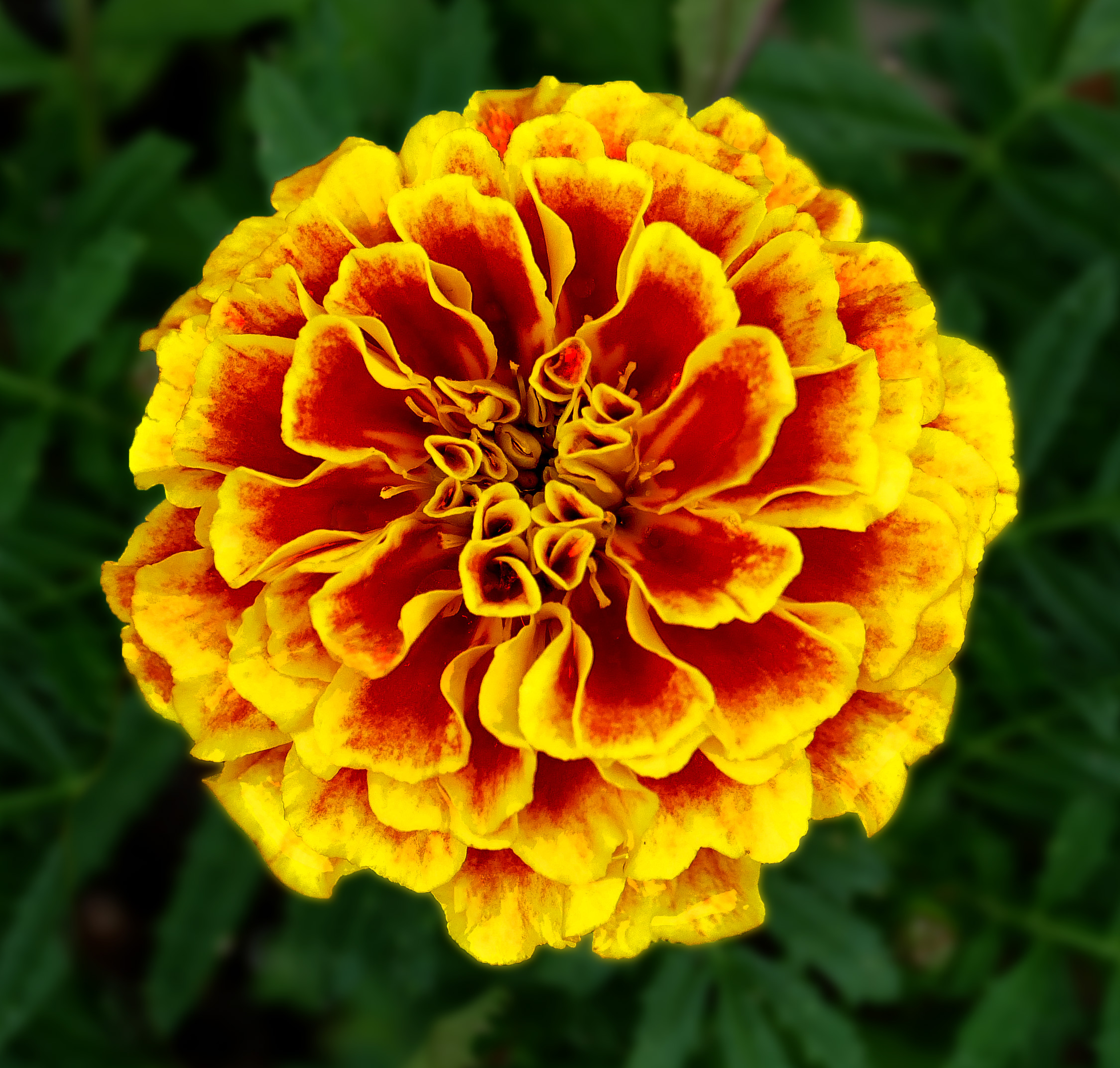
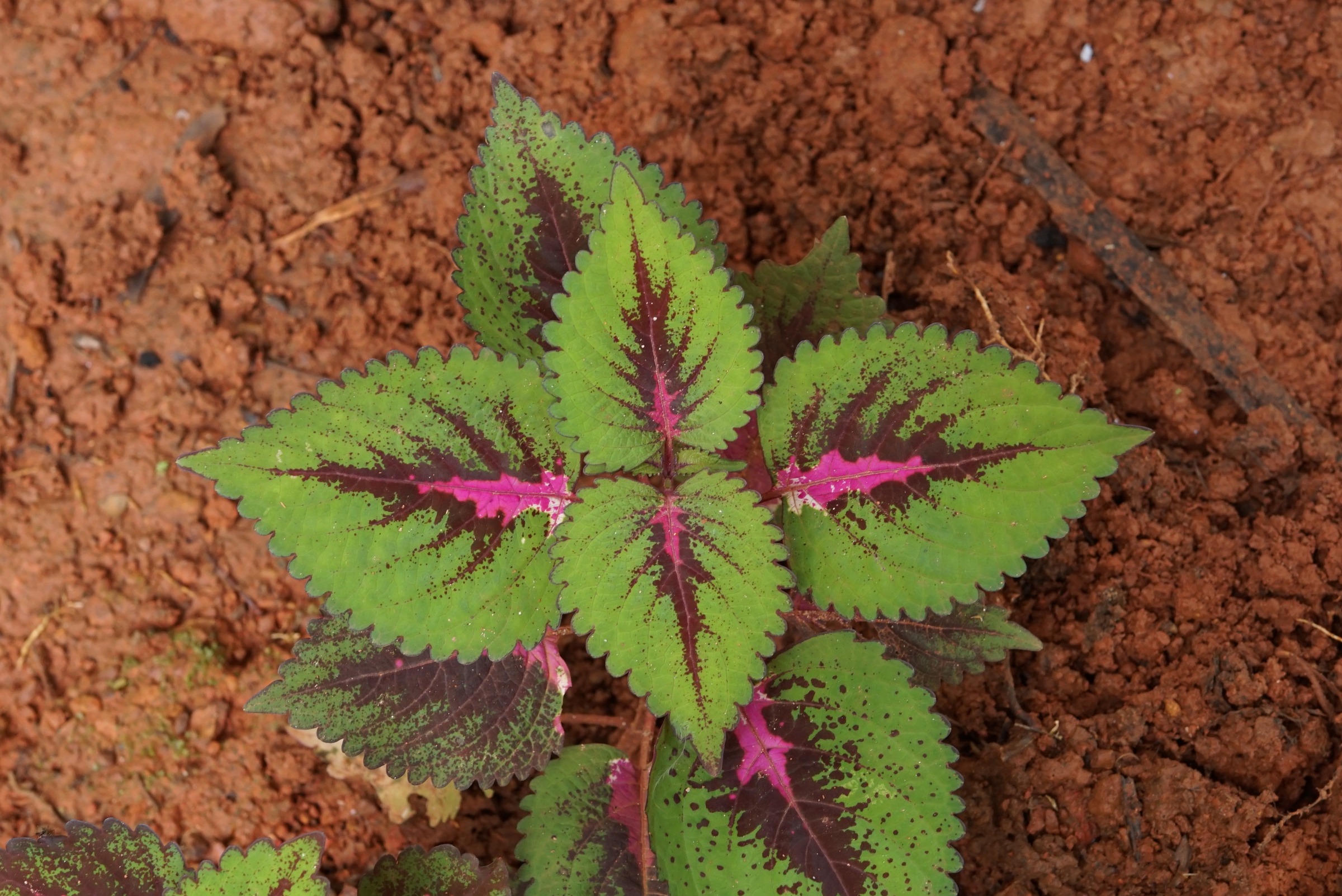
Frost tender: tomatoes, peppers, eggplant, basil, beans, cucumbers, squash, impatiens, begonias, coleus, marigolds, and zinnias. Even one night near 32°F can kill them, and many stall or turn purple when nights drop below 50°F.
If you are not sure which group a plant belongs to, check the tag or seed packet. Phrases like "after danger of frost has passed" mean frost tender.
Check the soil, not just the air
Warm air on a sunny afternoon can fool you. Cold soil slows root growth, and seeds of beans, corn, and squash can rot in it. Push a soil thermometer about 4 inches into the bed in the morning, when soil is coolest, and read it for several days in a row.
- About 40 to 50°F: fine for peas, lettuce, spinach, and pansies.
- About 50 to 60°F: good for carrots, beets, and most cool season transplants.
- 60°F or warmer: ready for tomatoes, peppers, beans, cucumbers, and most summer annuals.
- 65 to 70°F or warmer: best for squash, melons, and basil.
Also squeeze a handful of soil. If it forms a sticky ball that will not crumble, it is too wet to dig. Working wet soil packs it down and hurts drainage for the rest of the season, so wait a few dry days.
Shop bed prep tools on Amazon
A soil thermometer to read planting depth temperature, a soil pH test kit, a thick kneeling pad for long planting sessions, and waterproof labels so you remember what went where. We may earn a commission at no extra cost to you.
Amazon · Soil thermometer Amazon · Soil pH test kit Amazon · Thick garden kneeling pad Amazon · Waterproof plant labels
Prepare the bed
- Clear it. Pull weeds and remove old stems and debris that can hide pests.
- Loosen the top 8 to 12 inches with a garden fork. There is no need to turn it over completely.
- Add organic matter. Spread 1 to 2 inches of compost and mix it into the top few inches.
- Test if you have not lately. A soil test every few years tells you pH and nutrient levels so you add only what the bed needs. See soil test kits for the garden for how to read one.
- Rake level and water the bed a day before planting so the soil is evenly moist, not soggy.
Harden off transplants first
Plants raised indoors or in a greenhouse have soft leaves that scorch or wilt in sun and wind. Hardening off toughens them over 7 to 10 days:
- Days 1 to 2: 1 to 2 hours outside in shade, out of the wind.
- Days 3 to 5: half a day outside with some morning sun.
- Days 6 to 8: most of the day outside, including afternoon sun.
- Days 9 to 10: leave them out overnight if lows are above 50°F for tender plants.
Bring them in if a frost or a cold, windy night is forecast. Keep them watered, since small pots dry fast outside. If you grew your own, see grow lights for seed starting indoors and seed starting trays with humidity domes for getting sturdy seedlings to this stage.
How to plant out
- Pick the right moment. A calm, overcast day or late afternoon reduces transplant shock.
- Water the pots an hour before planting.
- Dig a hole a bit wider than the root ball. Most plants go in at the same depth they grew in the pot. Tomatoes are the exception: bury them deeper, up to the first set of leaves, and they will root along the stem.
- Loosen circling roots gently with your fingers.
- Firm the soil around the roots and water slowly until it is soaked.
- Space plants to the tag spacing, not closer. Crowded beds get more disease and smaller plants.
- Mulch with 2 inches of shredded mulch or straw once the soil has warmed, keeping it a couple of inches back from stems. Mulching too early keeps soil cold.
Water through the first weeks
New transplants have small root systems that dry out quickly. Water deeply right after planting, then check every day or two for the first week. After that, aim for about an inch of water a week from rain and watering combined, given in one or two deep soakings. Water the soil, not the leaves, and water in the morning. A soaker hose for garden beds is an easy way to keep a whole bed evenly moist.
Use a moisture meter or your finger a few inches down to decide when to water. Wilting at midday on a hot day can be normal; wilting in the morning means the plant needs water.
Shop watering and mulch gear on Amazon
A watering wand that soaks the root zone gently, a long probe moisture meter, shredded mulch to hold moisture in new beds, and a min/max thermometer that records the overnight low. We may earn a commission at no extra cost to you.
Amazon · Garden hose watering wand Amazon · Long probe moisture meter Amazon · Shredded hardwood mulch Amazon · Min/max thermometer
Have a plan for a late frost
Even after you plant, a surprise cold night can show up in the forecast. When a low near 32°F is predicted:
- Water the bed during the day. Moist soil holds and releases more heat than dry soil.
- Cover plants in the late afternoon with frost cloth, old sheets, or buckets. Let covers reach the ground to trap soil warmth, and keep plastic from touching leaves.
- Remove covers the next morning once the temperature rises above freezing so plants do not overheat.
A min/max thermometer near the bed shows how cold it really got overnight, which helps you learn the cold spots in your yard. For more on covers, see frost cloth and row covers in zones 6 and 7.
Safety notes
Wear gloves when handling compost, manure, and fertilizer, and wash your hands after gardening. Store fertilizers and pest products in their original containers, out of reach of children, and follow the label. Lift heavy bags and full watering cans with your legs, not your back, and use a kneeling pad to spare your knees.
Pet notes
Fresh beds attract dogs that like to dig. Some products used at planting time are a risk if eaten, including bone meal, blood meal, and many granular fertilizers, and cocoa bean mulch contains the same compounds that make chocolate dangerous to dogs. Several common bedding plants are also listed by the ASPCA as toxic to pets, so check any plant you are unsure about. Choose a mulch without cocoa hulls if a dog shares the yard. If a pet eats a garden product or seems unwell after chewing a plant, call your veterinarian or the ASPCA Animal Poison Control Center at (888) 426-4435.
Bottom line
Use your average last frost date as a window, not a finish line. Plant cold tolerant crops a few weeks before it, wait 1 to 2 weeks after it for tender plants, and go by soil temperature and overnight lows rather than one warm afternoon. Harden transplants off, plant on a calm day, water deeply, and keep a frost cover ready for the first few weeks.
Related reading
- Seasonal planting calendar
- Soaker hoses for garden beds
- Grow lights for seed starting indoors
- Frost cloth and row covers in zones 6 and 7
- Red, white, and blue container plantings
Ready to match plants to your location? Try the PlantWise Plant Finder →