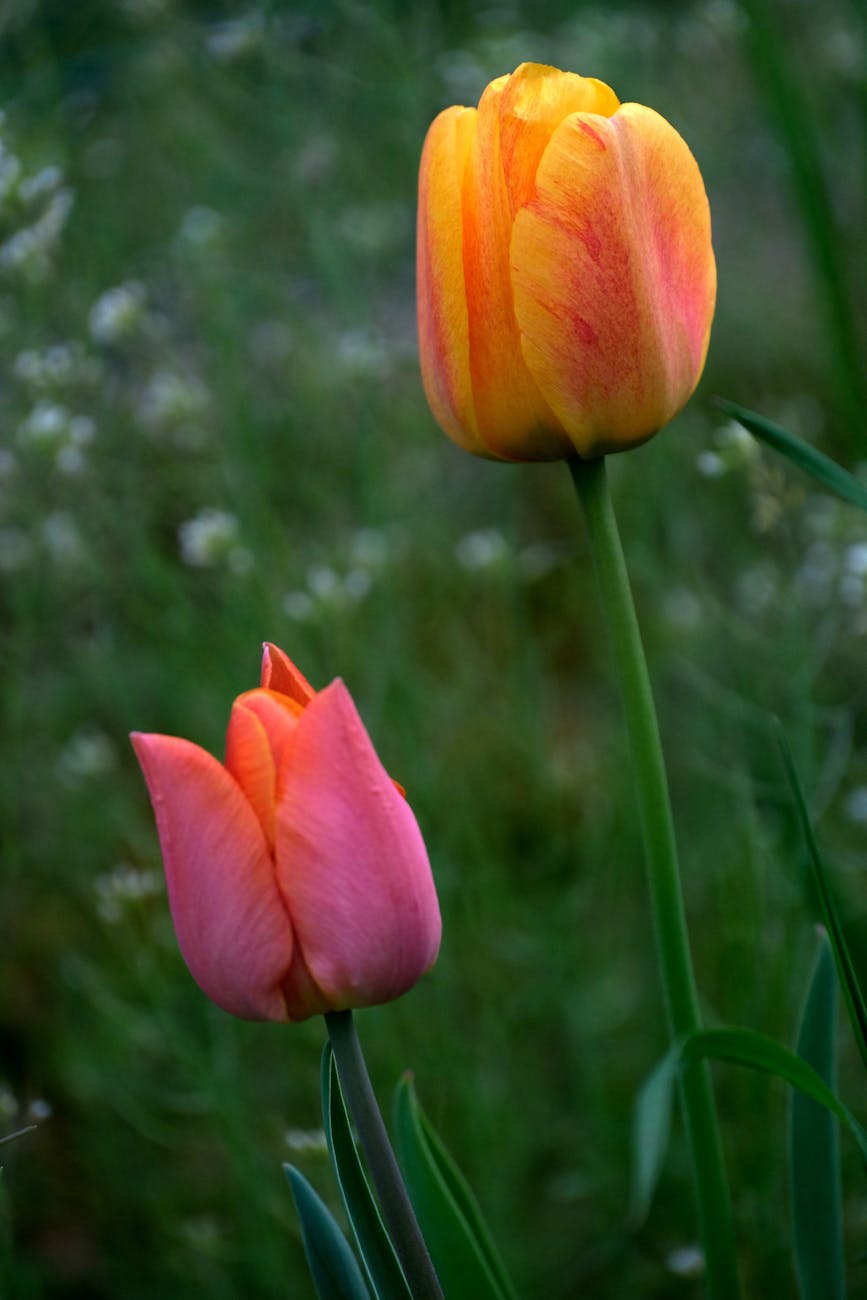
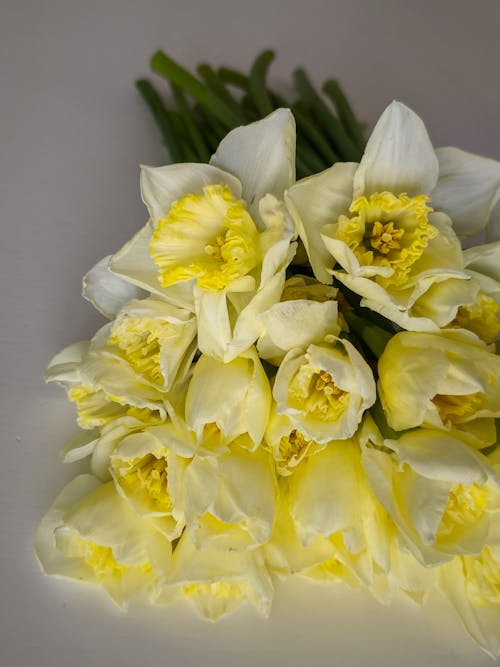
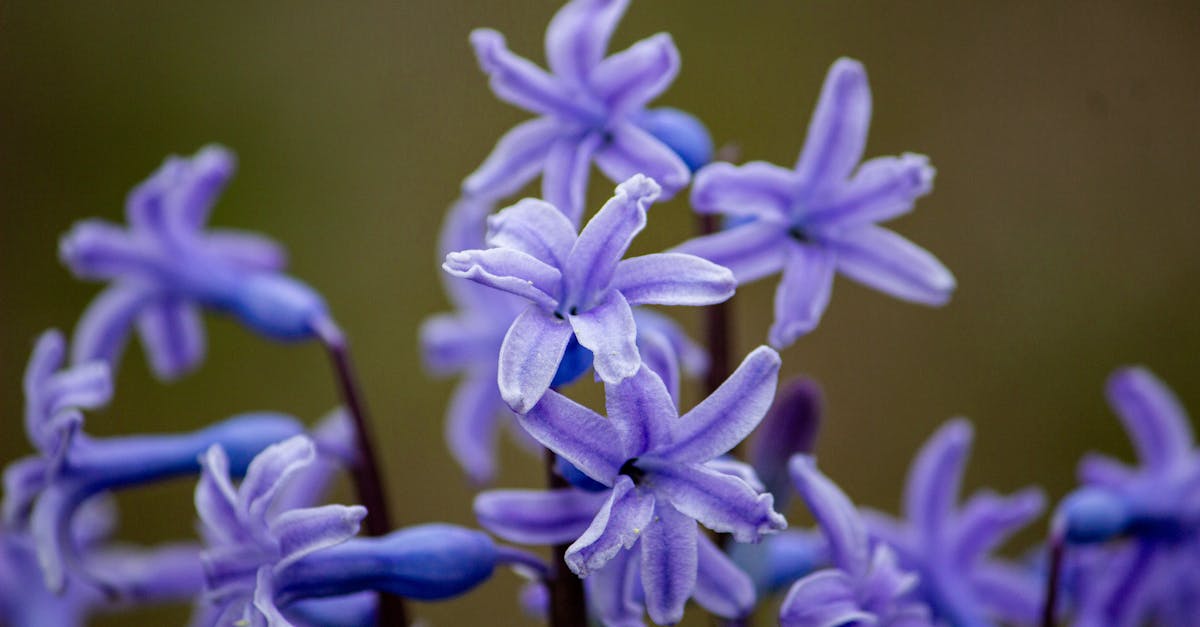
To make a pot of tulips, daffodils, hyacinths, or other bulbs bought in bloom last as long as possible, remove the foil sleeve so it drains, keep it in the coolest bright spot you have, away from heat vents and hot sun, and water only when the top of the mix feels dry. Cool nights are the single biggest factor: a pot kept around 60°F can hold its flowers about twice as long as one in a warm room. After the flowers fade, keep the leaves growing in sun, then plant daffodils, crocus, and grape hyacinth in the garden; most potted tulips and hyacinths come back weakly, so many people enjoy them for one show.
Pots of blooming bulbs show up in grocery stores and garden centers late in winter. They were chilled and forced in a greenhouse, so they are ready to flower the moment you get them home. A little care stretches that show from a few days to a few weeks.
Choosing a pot at the store
- Pick buds, not open flowers. Choose pots where most buds are fat and colored but still closed. A pot in full bloom is already partway through its show.
- Check the leaves. Firm, green leaves with no yellow tips or mushy bases mean healthy roots.
- Feel the mix. It should be lightly moist, not soggy. Water pooled in the sleeve is a warning sign.
- Look for pests and mold. Skip pots with gray fuzz on spent flowers or the bulb tops.
🌱 Get Personalized Plant Picks
Answer a few quick questions and we’ll match plants to your exact yard conditions.
Find My Plants →Care while it blooms
- Free the pot. Take off the decorative foil or plastic, or slit the bottom, and set the pot on a saucer. Trapped water rots bulbs within days.
- Cool and bright. An east window or a spot back from a south window is ideal. Move the pot to a cool room or an unheated porch above freezing at night to slow the flowers down.
- Water carefully. Water when the top half inch is dry, let it drain, and empty the saucer. Bulbs in bloom drink more than you might expect in a warm room, so check daily.
- Turn tulips. Tulip stems keep growing and bend toward light. Turning the pot a quarter turn each day keeps them straighter.
- Support heavy heads. Hyacinths and tall daffodils sometimes flop. A thin stake and a loose loop of twine hold them up.
Shop watering and drainage helpers on Amazon
Saucers so you can free a pot from its foil sleeve, a soil moisture meter so you water only when needed, and a simple thermometer to find the coolest bright spot. We may earn a commission at no extra cost to you.
Amazon · Plant saucers Amazon · Soil moisture meter Amazon · Indoor thermometer
How potted bulbs differ from the ones you force yourself
If you chilled your own pots, see forced bulb timing for indoor bloom for scheduling and forced hyacinth jars for water forcing. Store bought pots skip all of that: the timing is done for you, and your job is only to slow the bloom and decide what to keep afterward.
After the flowers fade
- Snip off spent flowers and the small seed pod behind each one, but leave the stems and leaves.
- Keep the leaves growing in the brightest spot you have, watering when the top inch is dry. The leaves are rebuilding the bulb for next year.
- Feed once or twice with a diluted balanced fertilizer while the leaves are green.
- Move the pot outdoors once frost danger has passed, or plant it straight into the garden if the ground can be worked.
Which bulbs are worth replanting
- Daffodils, crocus, grape hyacinth, and Siberian squill usually return and spread when planted in a sunny, well drained spot. Plant them at the same depth they sat in the pot, or a little deeper.
- Hyacinths often return with smaller, looser flower spikes, which many people like in the garden.
- Tulips forced in pots rarely bloom well again. You can plant them and hope, but expect leaves and few flowers.
- Bulbs that are not hardy where you live can stay in the pot and be kept dry over summer, though results vary.
Mark the spot with a label so you do not dig into the bulbs later, and let the leaves die back naturally before cutting them.
Shop staking and replanting supplies on Amazon
Wooden stakes and soft twine for floppy stems, bypass shears for spent flowers, waterproof labels for the planting spot, and gloves for handling bulbs. We may earn a commission at no extra cost to you.
Amazon · Wooden garden stakes Amazon · Garden jute twine Amazon · Bypass pruning shears Amazon · Waterproof plant labels Amazon · Disposable nitrile gloves
Common problems
- Flowers fade in a few days: the room is too warm or the pot sits in direct sun. Move it somewhere cooler.
- Yellow, mushy leaves at the base: overwatering or a pot sitting in water inside its sleeve.
- Buds that dry up without opening: the pot dried out completely or sat near a heat vent.
- Floppy stems: low light or warmth. Stake them and move the pot to a brighter, cooler spot.
For other plants that come home in foil, see gift plant acclimation after purchase.
Safety notes
Bulb sap and the papery skins can irritate skin, especially daffodil and hyacinth. Wear gloves when trimming and replanting, and wash your hands afterward. Keep loose bulbs away from food storage so no one mistakes them for onions.
Pet notes
The ASPCA lists tulips, daffodils, and hyacinths as toxic to dogs and cats, and the bulbs carry the highest concentration of the toxins. Signs can include vomiting, drooling, and diarrhea, and eating daffodil bulbs can cause tremors, low blood pressure, and heart rhythm changes. Grape hyacinth is listed by the ASPCA as non toxic. Keep blooming pots on surfaces pets cannot reach, sweep up fallen petals, and do not leave lifted bulbs where a dog can find them. If a pet chews a bulb or plant and seems unwell, call your veterinarian or the ASPCA Animal Poison Control Center at (888) 426-4435. See plants toxic to cats and what to do if a cat eats a plant.
Bottom line
Choose pots in bud, free them from the foil, and keep them cool and bright with careful watering. Once they finish, keep the leaves growing, then plant daffodils and small bulbs in the garden and enjoy potted tulips as a one time show.
Related reading
- Forced bulb timing for indoor bloom
- Easter lily care after purchase
- Daffodil and tulip cut flower care
- Pansies over bulbs: layered container planting
Ready to match plants to your location? Try the PlantWise Plant Finder →