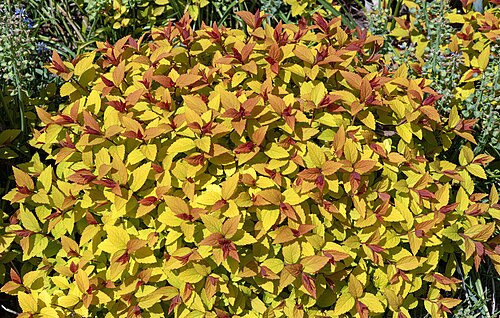
The best time for dormant pruning is late in the cold season, after the hardest freezes and before buds begin to swell. Shrubs that bloom on new wood, meaning growth made in the same season they flower, can be cut back then without losing flowers. Shrubs that bloom early on old wood, such as lilac, forsythia, rhododendron, and bigleaf hydrangea, already carry their flower buds, so wait to prune them until right after they finish blooming. Dormant pruning is also the easiest time to see a shrub's structure, remove dead or crossing stems, and renew old, overgrown plants.
Why prune while dormant
With the leaves gone, you can see every branch, crossing stem, and dead twig. Cuts made just before growth starts close quickly once the plant wakes up, and pests and diseases are less active. Pruning too early, in the middle of a mild spell, can leave fresh cuts exposed to hard freezes, so wait until the coldest weather has passed.
🌱 Get Personalized Plant Picks
Answer a few quick questions and we’ll match plants to your exact yard conditions.
Find My Plants →Shrubs to prune while dormant
Shop dormant pruning tools on Amazon
Sharp bypass hand shears for small stems, long handled bypass loppers for stems up to about an inch and a half, a folding saw for thicker wood, and clear safety glasses for every cut. We may earn a commission at no extra cost to you.
Amazon · Bypass pruning shears Amazon · Bypass loppers Amazon · Folding pruning saw Amazon · Clear safety glasses
These shrubs flower on new growth, so pruning before buds swell does not cost you blooms:
- Panicle and smooth hydrangea: cut back by about a third, or cut smooth hydrangea stems low for large flower heads.
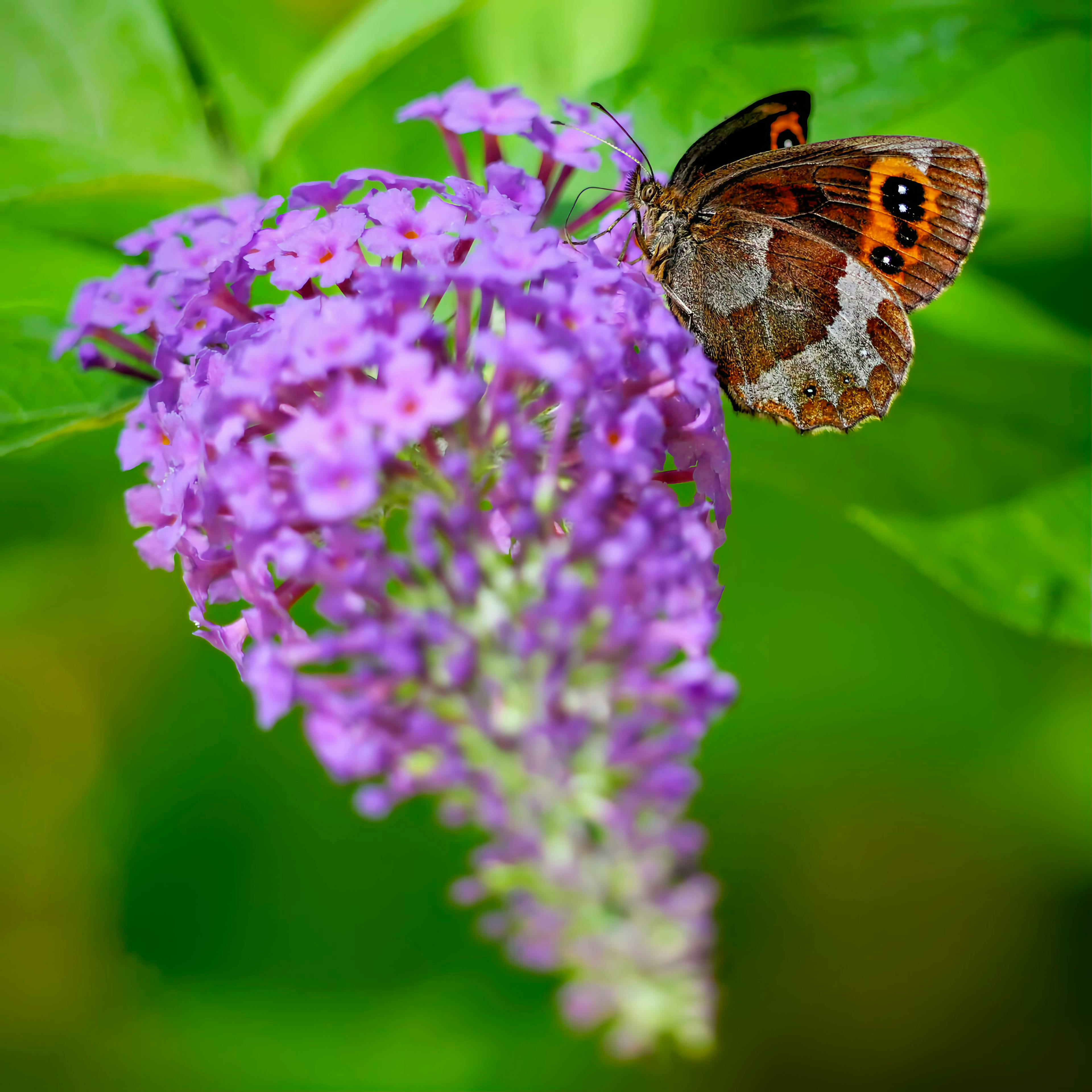
- Butterfly bush: cut to 12 to 18 inches above the ground.
- Rose of Sharon: thin crowded stems and shorten long shoots.
- Summer flowering spirea: shear or cut back by a third.
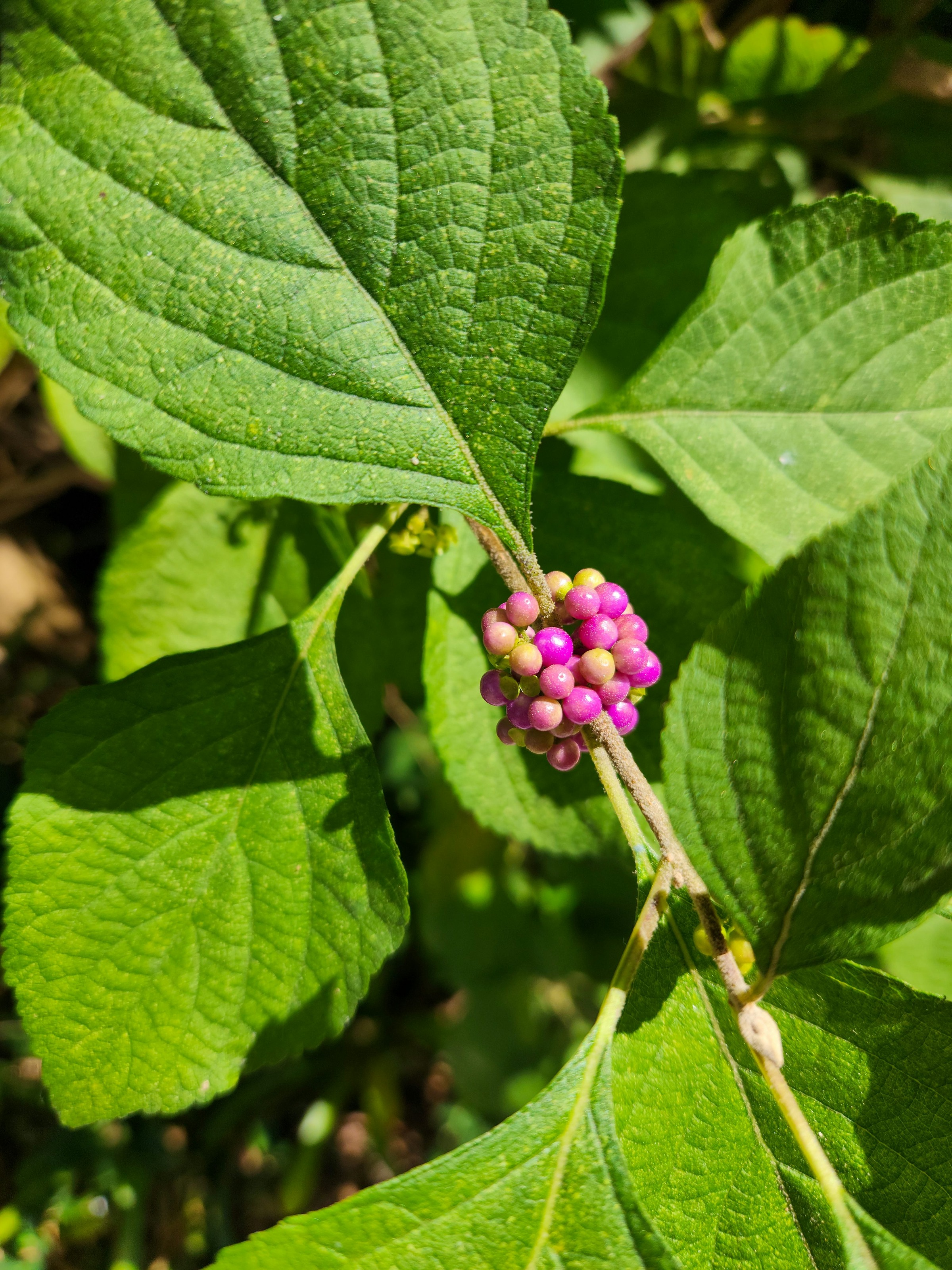
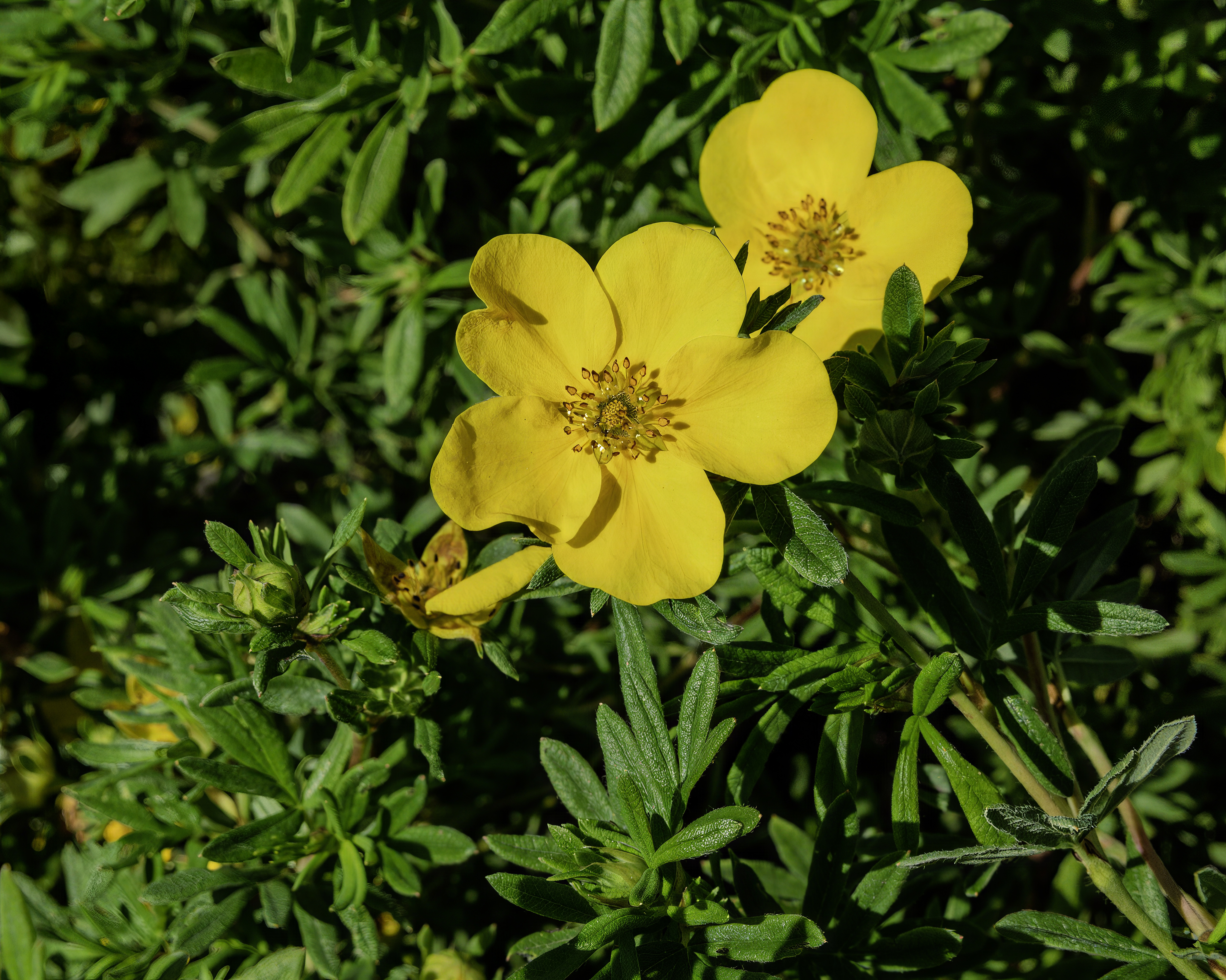
- Potentilla, beautyberry, and bluebeard: cut back hard to promote fresh flowering stems.
- Crape myrtle: remove crossing branches and suckers, but avoid topping the trunks.
- Most shrub and landscape roses: prune as buds just begin to swell.
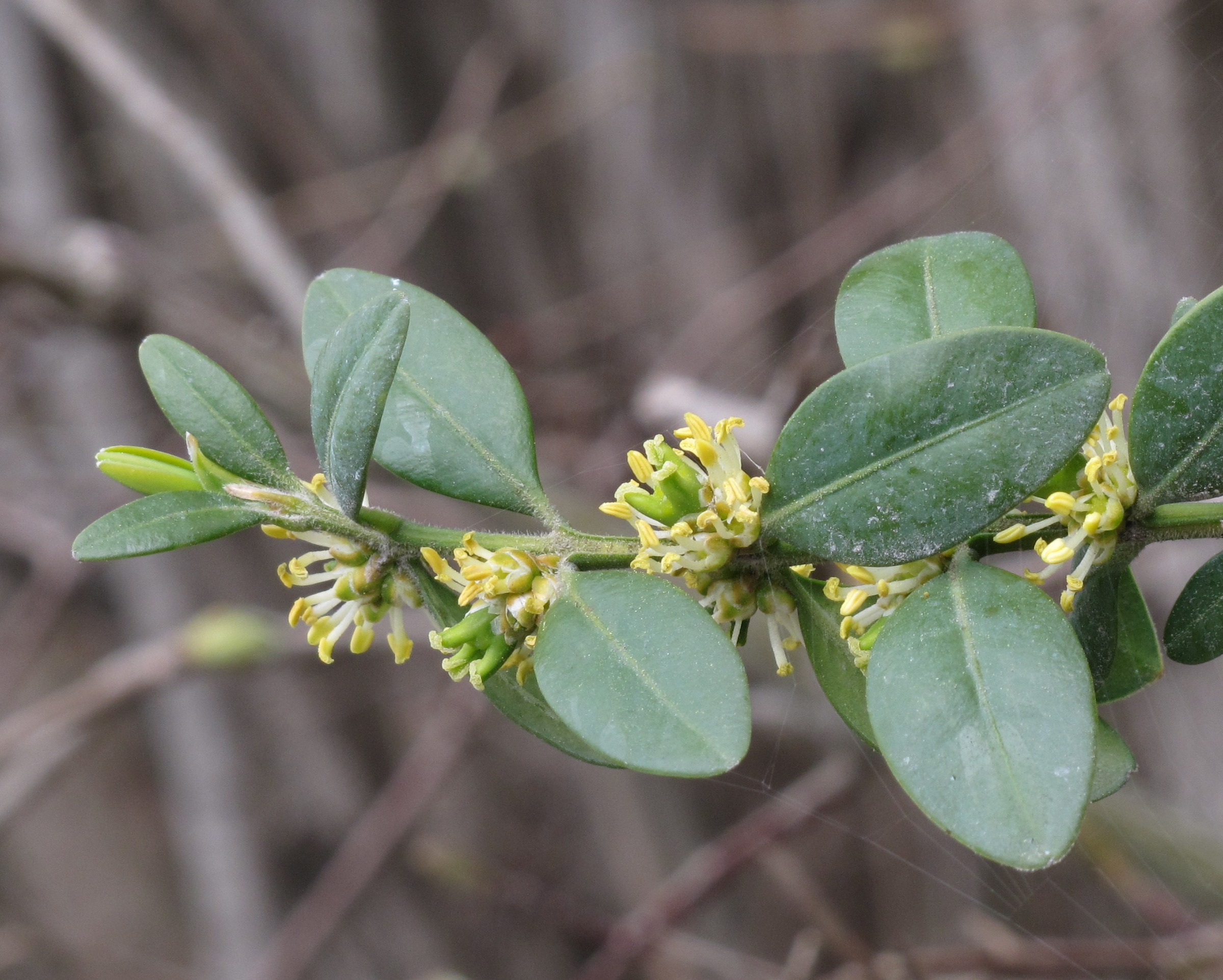
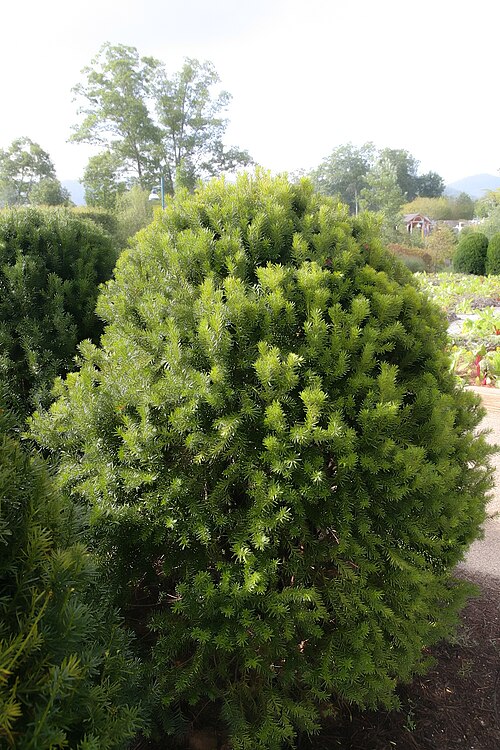
- Evergreen hedges such as boxwood, yew, and privet: light shaping before new growth.
Shrubs to leave alone until after they bloom
These shrubs set flower buds the previous year. Pruning them while dormant removes the flowers:
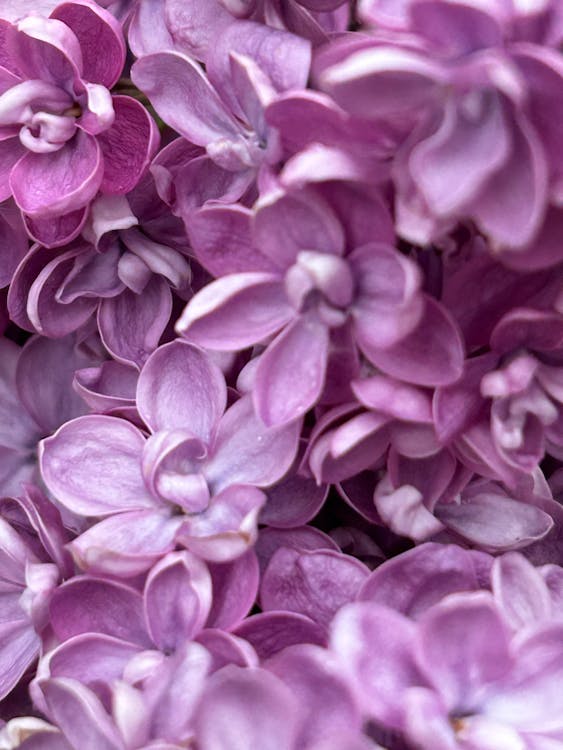
- Lilac
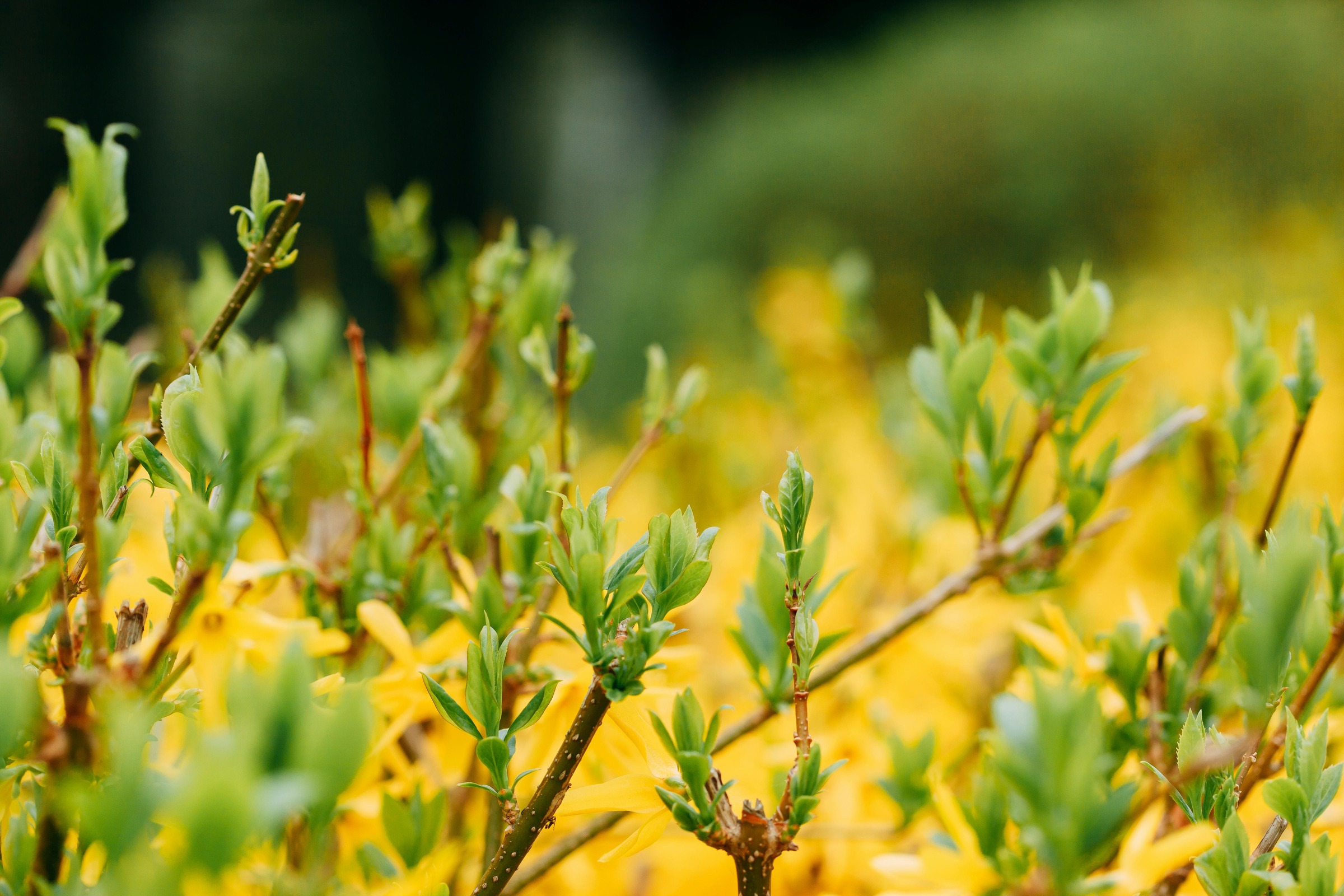
- Forsythia
- Azalea and rhododendron
- Bigleaf and oakleaf hydrangea
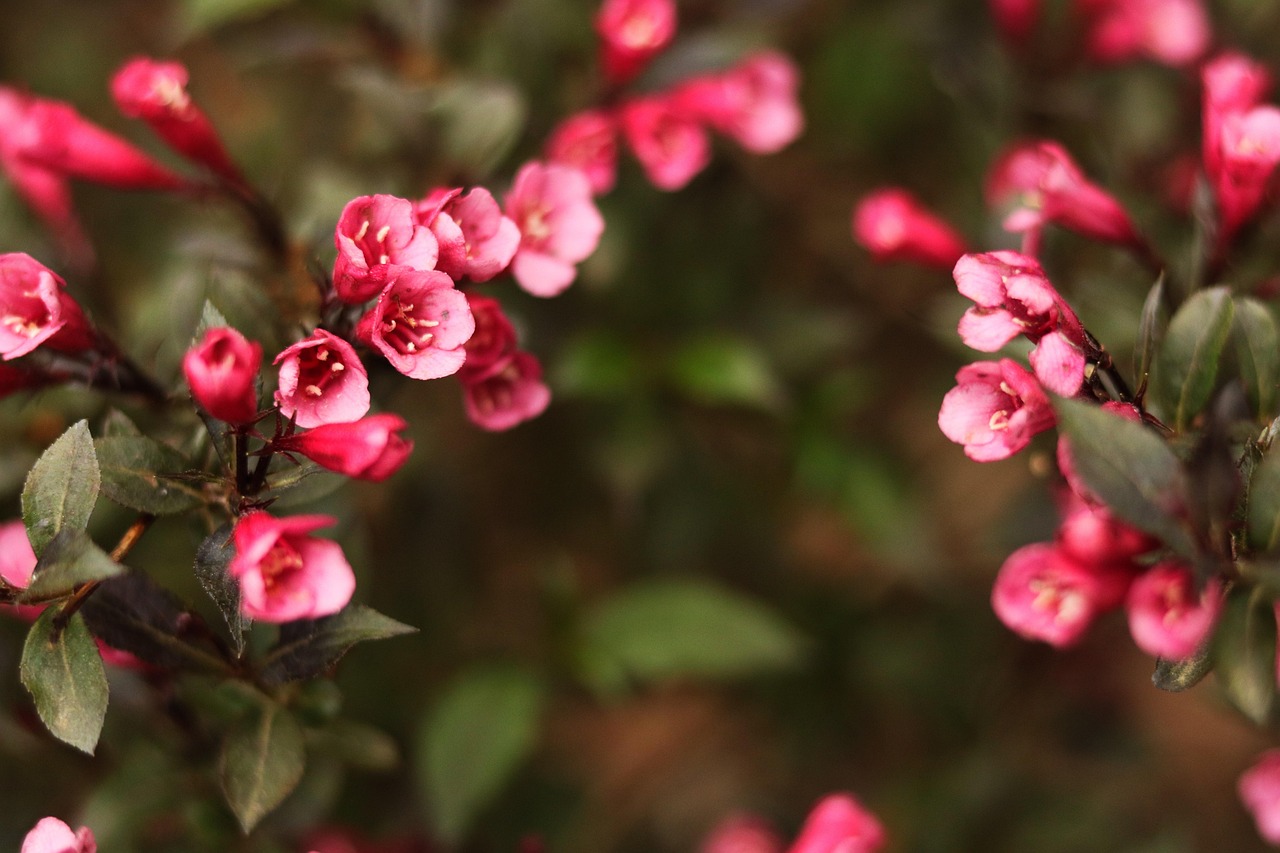
- Weigela
- Flowering quince
- Mock orange
- Early spirea, such as bridalwreath
Prune these within a few weeks after flowers fade. The one exception is dead, damaged, or diseased wood, which you can remove any time.
Timing by zone
| USDA zone | Typical dormant pruning window |
|---|---|
| 3 to 4 | Mid March to early April |
| 5 to 6 | Late February through March |
| 7 to 8 | Late January through February |
| 9 to 10 | January |
Watch the buds rather than the calendar. Once buds swell and show color, it is time to finish.
How to make good cuts
- Start with the three Ds. Remove dead, damaged, and diseased stems first.
- Remove crossing branches that rub against each other.
- Cut to a bud or branch. Make each cut about a quarter inch above an outward facing bud, angled slightly away from it, or back to a side branch or the ground.
- Renew old shrubs gradually. On overgrown multi stem shrubs, cut a third of the oldest, thickest stems to the ground each year for three years.
- Step back often and look at the overall shape.
Use bypass shears for stems up to about half an inch, bypass loppers for stems up to an inch and a half, and a pruning saw for thicker wood. Clean blades with rubbing alcohol between plants, especially when cutting diseased wood.
Safety notes
Wear safety glasses for every cut, since springy stems and twigs snap back toward your eyes. Wear sturdy gloves, keep both feet on solid ground, and do not prune from a ladder on icy or soft ground. Stay well away from power lines, and leave large limbs and any tree work near wires to a certified arborist. Keep sharp tools closed and stored out of reach of children.
Bottom line
Prune new wood bloomers while dormant, before buds swell, and wait on early bloomers until just after flowering. Start with dead and crossing wood, cut back to buds or branches, and renew old shrubs a third at a time.
Related reading
- Shrubs not to prune in fall
- Pruning fruit trees in late winter
- Bypass pruning shears for the garden
- Folding pruning saws for branches
Ready to match plants to your location? Try the PlantWise Plant Finder →