Shrubs You Should Not Prune in Fall (and What You Can)
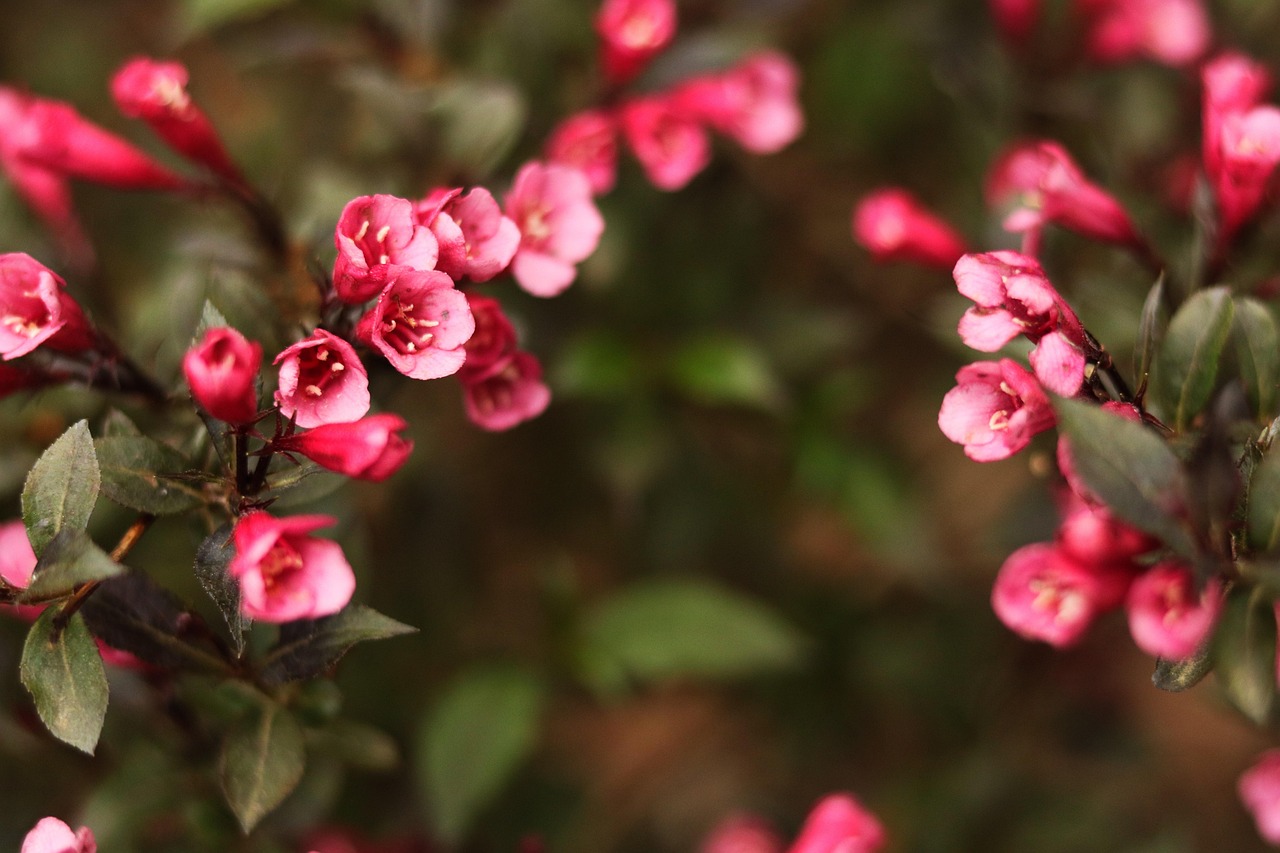
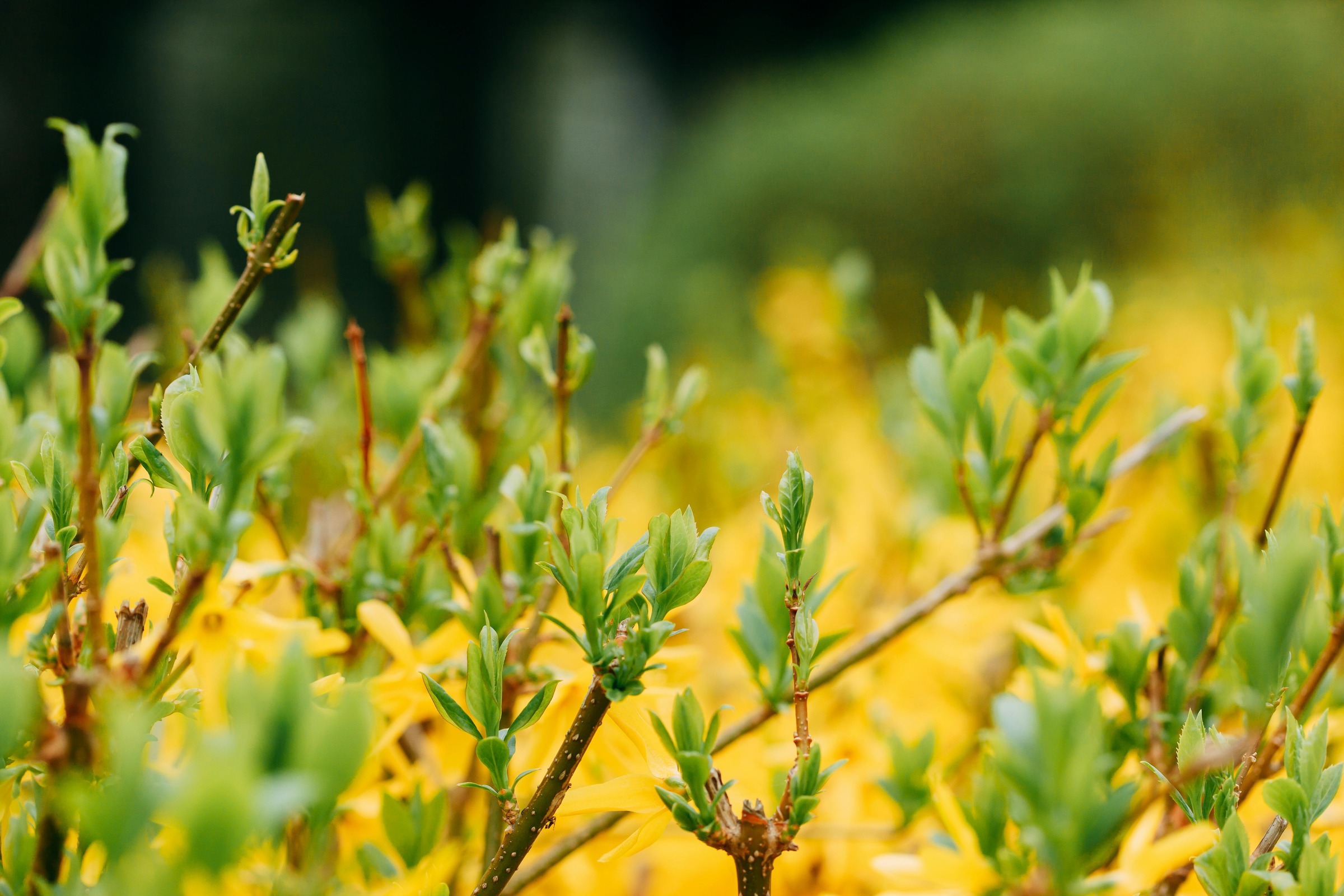
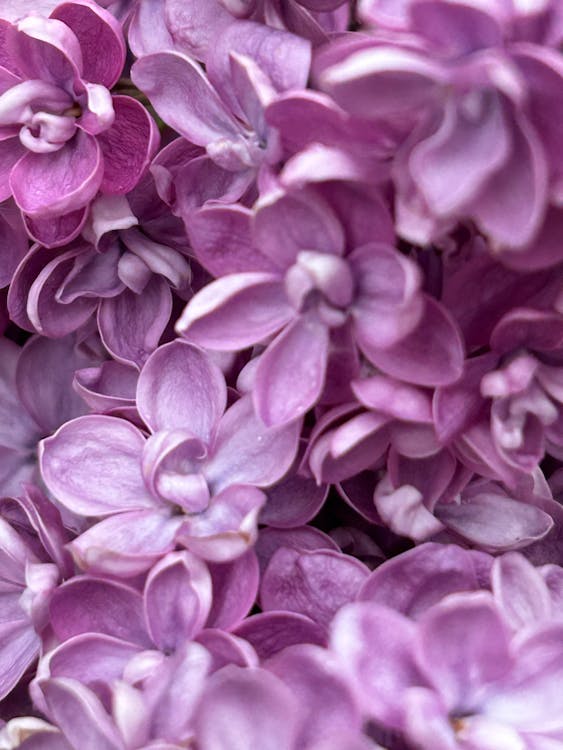
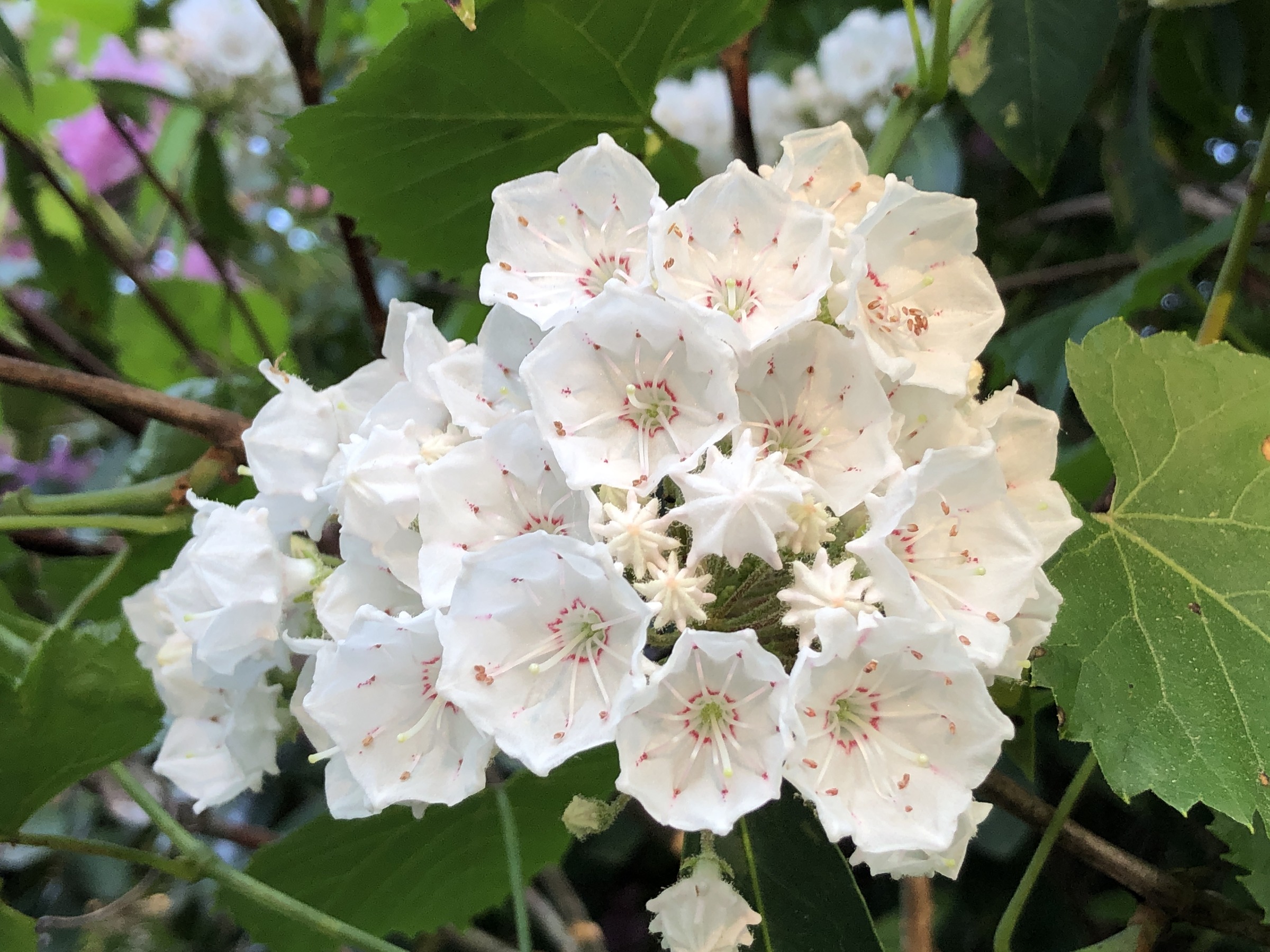
Do not prune spring-flowering shrubs in fall: lilac, forsythia, azalea, rhododendron, mountain laurel, weigela, spring spirea, flowering quince, and bigleaf and oakleaf hydrangea all set next year's flower buds in summer, so a fall cut removes the bloom. Also hold off on heavy pruning of any shrub from late August until it is fully dormant, because cuts can push tender new growth that freezes.
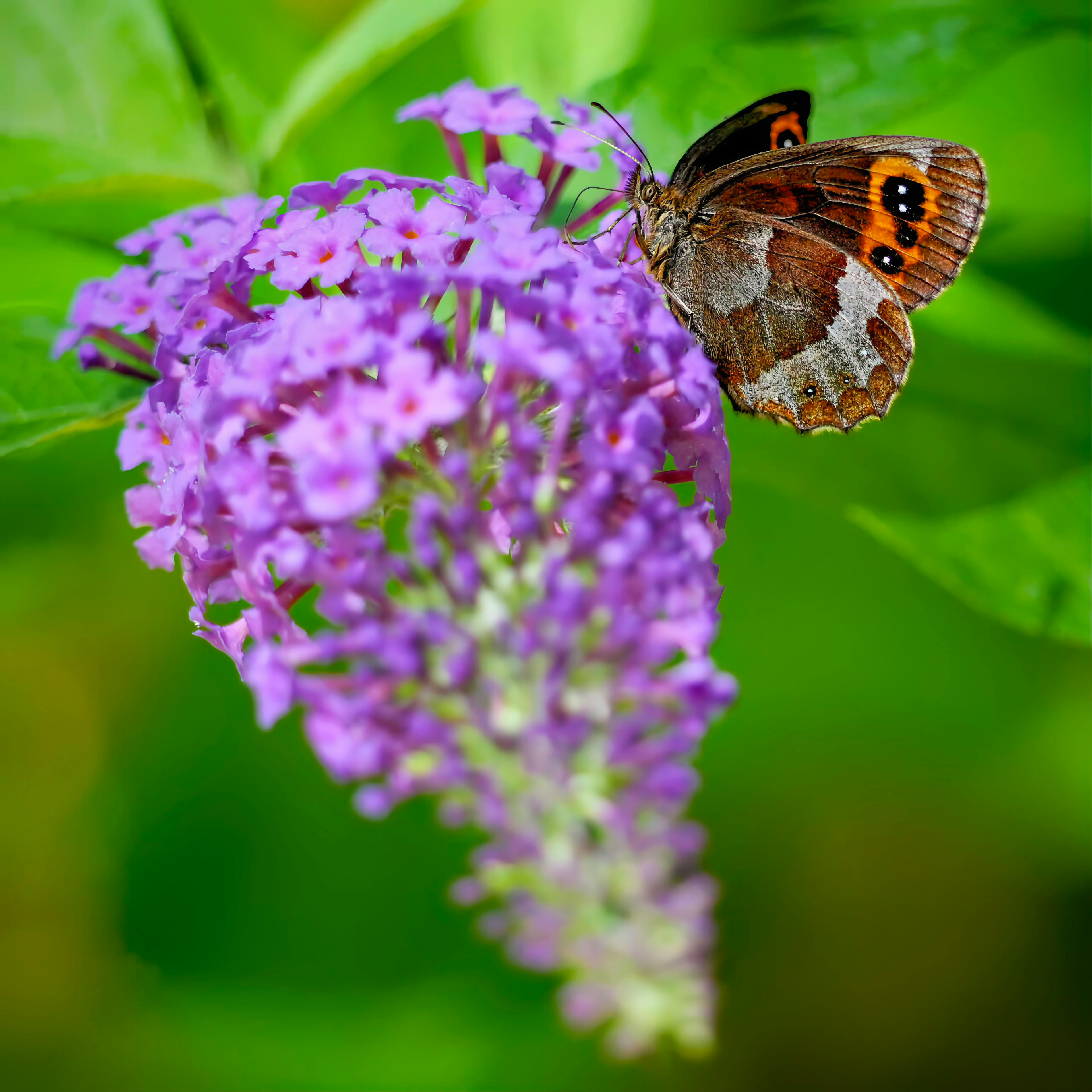
What you can do in fall: remove dead, broken, or diseased wood on any shrub at any time, and trim summer bloomers such as panicle and smooth hydrangea, butterfly bush, and rose of sharon once they are dormant or wait until late winter.
Why fall is the wrong time for most pruning
- Flower buds are already set. Spring bloomers form buds on old wood during summer. Cutting in fall removes them.
- Cuts can trigger late growth. Pruning stimulates buds below the cut. In September and October, that soft growth may not harden before frost.
- Wounds close slowly. Pruning cuts seal fastest in late winter and spring, just before active growth.
- Winter damage is easier to see later. Pruning in late winter lets you remove winter-killed tips in the same pass.
🌱 Get Personalized Plant Picks
Answer a few quick questions and we’ll match plants to your exact yard conditions.
Find My Plants →Checklist
- Remove dead, broken, crossing, or diseased branches on any shrub, any time of year.
- Leave spring bloomers alone until right after they flower next spring.
- Cut summer bloomers on new wood in late winter, or after full dormancy in mild zones.
- Leave seed heads on hydrangeas and grasses for winter interest and bird food.
- Use sharp, clean bypass pruners for live wood up to about three quarters of an inch, loppers for up to about 1.5 inches, and a pruning saw beyond that.
- Wear sturdy gloves and eye protection; work with stable footing and cut away from your body.
Shop pruners and pruning saws on Amazon
Bypass pruners, a folding pruning saw, and leather gloves for clean, safe cuts. We may earn a commission at no extra cost to you.
Amazon · Bypass pruning shears Amazon · Folding pruning saw Amazon · Leather work gloves
Which shrubs bloom on old wood?
| Leave alone in fall (blooms on old wood) | Can trim when dormant (blooms on new wood) |
|---|---|
| Lilac, forsythia, weigela | Panicle hydrangea, smooth hydrangea |
| Azalea, rhododendron, mountain laurel | Butterfly bush, rose of sharon |
| Bigleaf and oakleaf hydrangea | Summer spirea (Japanese types) |
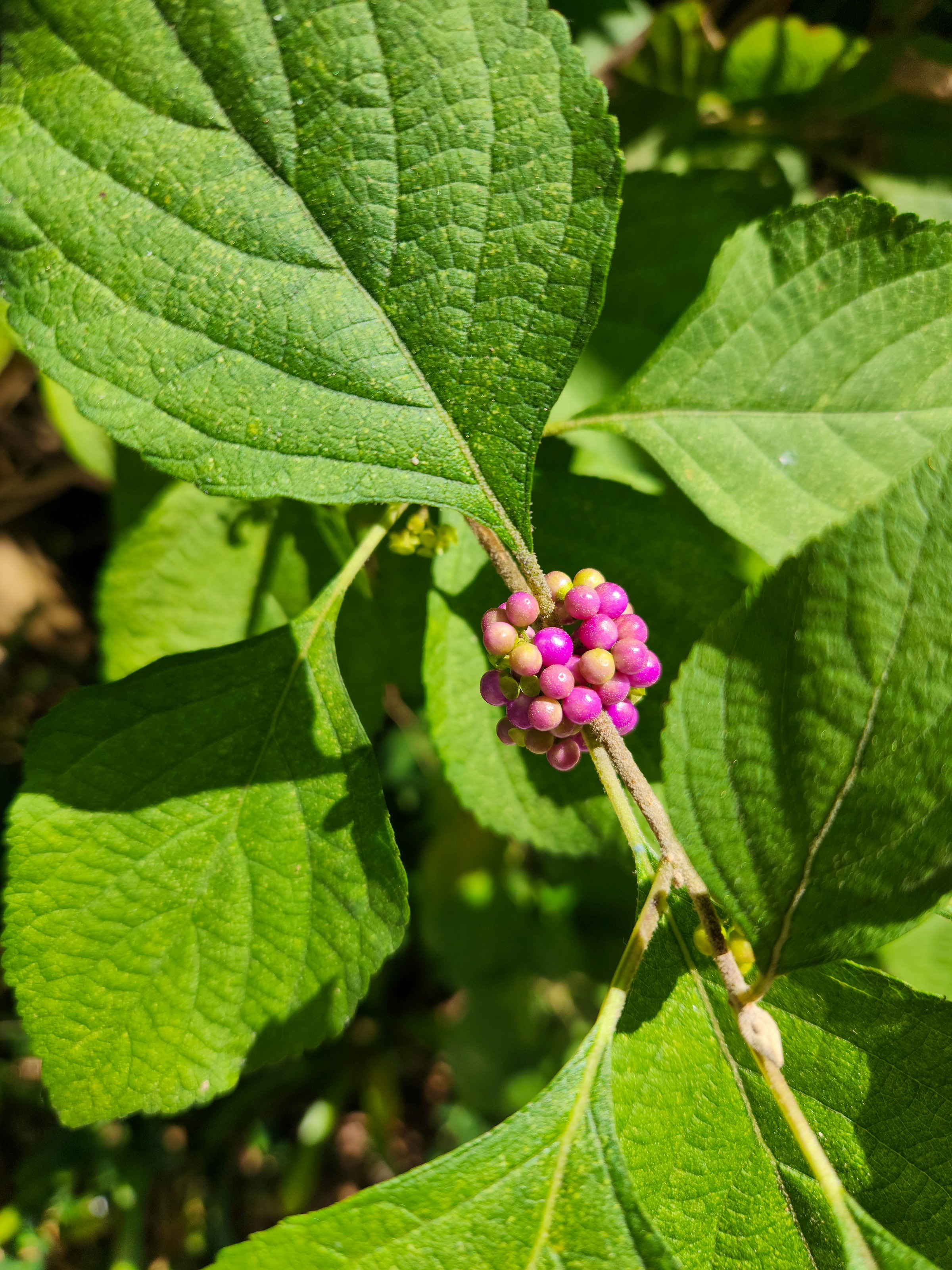
| Spring spirea, flowering quince | Beautyberry, bluebeard |
| Viburnum, deutzia, mock orange | Shrub roses (late winter is best) |
Reblooming bigleaf hydrangeas flower on both old and new wood, but they still bloom best when old stems are left uncut. See our bigleaf vs smooth hydrangea guide for the details.
What about evergreen hedges?
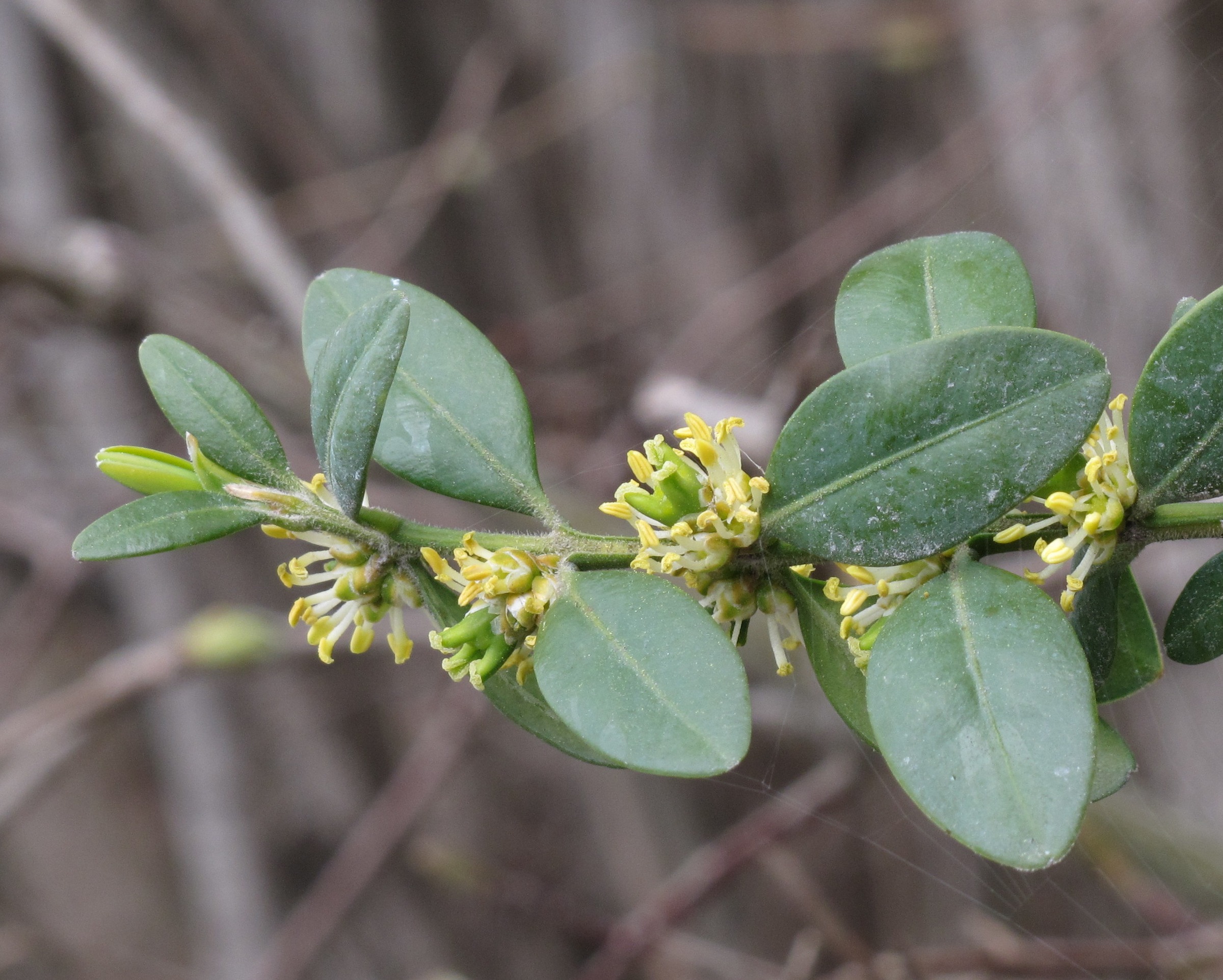
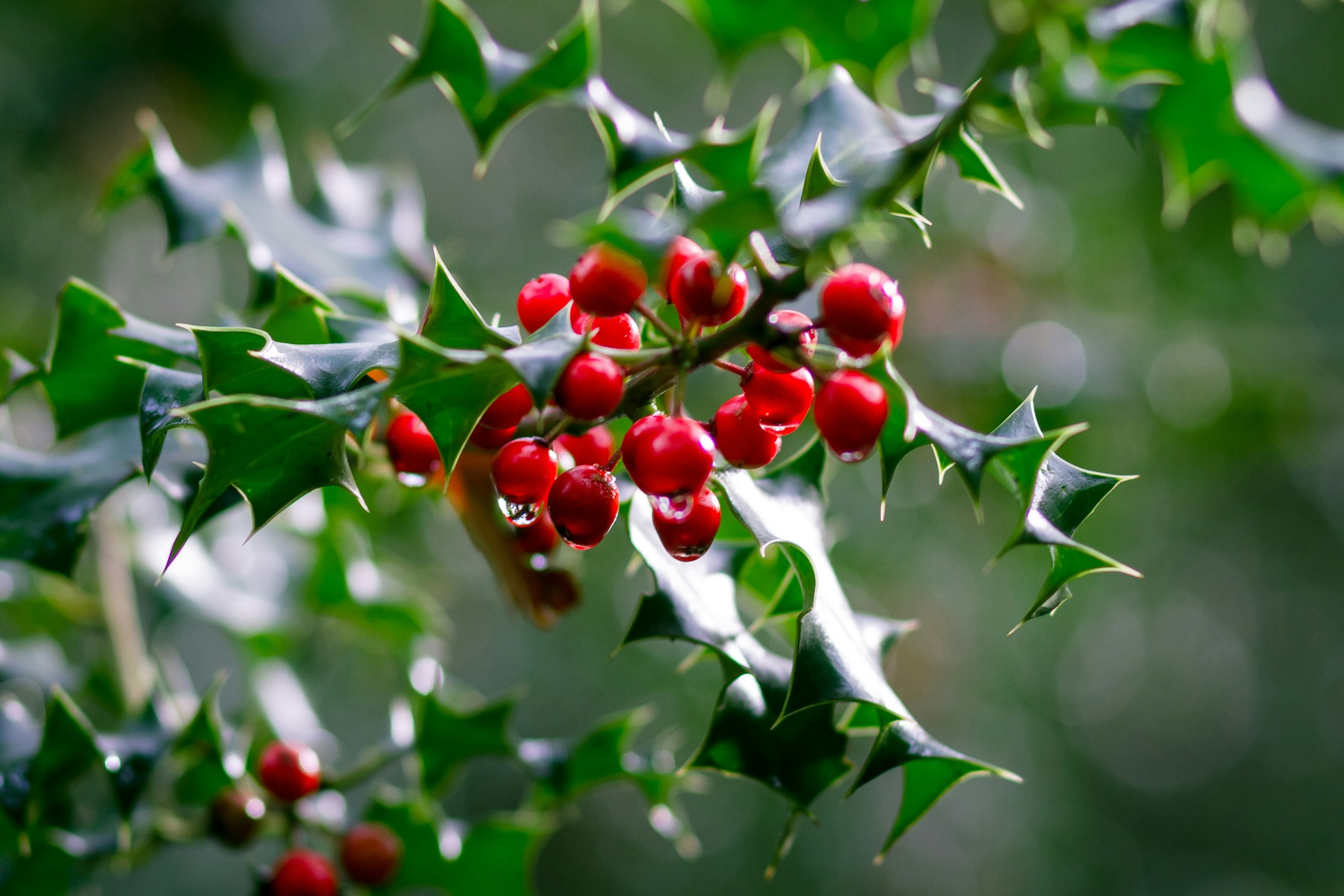
Boxwood, yew, holly, and arborvitae should get their last shearing by about late August in most zones. Shearing in October exposes tender interior foliage to winter burn. A light trim of a few stray shoots for a holiday tidy-up is fine; save shaping for late spring.
Pruning tool safety
Hand pruners and loppers are simple tools, but they cause real cuts and eye injuries. Keep blades sharp and clean, since dull blades slip. Never cut toward your hand or body, keep your free hand clear of the jaws, and wear gloves and eye protection when cutting overhead or in dense growth. For anything you cannot reach from the ground with both feet planted, or limbs near power lines, call a certified arborist. Power hedge trimmers and pole saws carry much higher risk; read our cordless hedge trimmer and pole saw guides and follow the manufacturer's manual before using either.
Shop loppers and safety glasses on Amazon
Bypass loppers for thicker stems and eye protection for overhead cuts. We may earn a commission at no extra cost to you.
Zone and timing notes
In Zones 3 to 6, finish any light shaping by late August and leave everything else until late winter. In Zone 7, the same rules apply with a slightly later cutoff in mid September. In Zones 8 to 10, shrubs may not go fully dormant, so stick to dead and damaged wood in fall and do structural pruning in late winter. No plant is truly deer-proof, and late browse can do more shaping than you plan.
Bottom line
Leave spring bloomers and evergreen hedges unpruned in fall, and save structural cuts for late winter. Removing dead or broken wood is always fine. Sharp bypass pruners, gloves, and eye protection make every cut cleaner and safer.
Related reading
- Bypass pruning shears
- Anvil loppers for fall pruning
- Hydrangea care bigleaf vs smooth
- Burlap winter wrap for shrubs
Ready to match plants to your location? Try the PlantWise Plant Finder →