Winter Protection for Roses in Zones 4-6
In Zones 4 to 6, protect grafted hybrid tea, floribunda, and grandiflora roses by mounding 10 to 12 inches of soil or compost over the base of each plant after the first hard freeze (a night in the low 20s°F), usually late October in Zone 4 and mid to late November in Zone 6. Hardy own-root shrub roses, rugosas, and most landscape roses need only a few inches of mulch.
The graft union, the knob where the variety was budded onto rootstock, is the weak point. If it dies, the hardy rootstock may sprout instead and you lose the variety you bought. Mounding insulates the union and keeps it from repeated freeze and thaw.
Why timing the mound matters
- Too early traps heat and moisture. Mounding before the plant is dormant can encourage rot and late growth.
- After a hard freeze, the plant is dormant. That is the signal that canes have hardened.
- Freeze and thaw does the damage. Steady cold under insulation is easier on the union than swings between 10°F and 50°F.
- Wind dries canes. In exposed sites, a wrap or screen reduces winter dieback on top of the mound.
🌱 Get Personalized Plant Picks
Answer a few quick questions and we’ll match plants to your exact yard conditions.
Find My Plants →Checklist
- Stop deadheading and fertilizing by late summer so hips form and canes harden.
- Water deeply before the ground freezes.
- Clean up fallen leaves around the base to reduce black spot carryover.
- After the first hard freeze, mound 10 to 12 inches of soil or compost over the crown; bring it in from elsewhere rather than scraping soil from around the roots.
- Add a rose collar or wire ring to hold the mound in place, and fill with shredded leaves if you like.
- Tie long canes of climbers together loosely, or lay them down and cover in Zone 4.
- Remove the mound gradually in spring once hard freezes are over.
Shop winter shrub collars and burlap on Amazon
Plant protection collars and natural burlap to hold insulating mounds and block wind. We may earn a commission at no extra cost to you.
Do all roses need winter protection?
No. The amount depends on the type and how it was grown.
| Rose type | Zones 4 to 5 | Zone 6 |
|---|---|---|
| Grafted hybrid tea, floribunda, grandiflora | Full 10 to 12 in mound | 8 to 10 in mound |
| Climbers | Tie in or lay down and cover | Mound base, wrap canes if exposed |
| Own-root shrub roses | 3 to 4 in of mulch | Usually none |
| Rugosa and hardy shrub types | None | None |
| Tree (standard) roses | Bury or move to unheated garage | Wrap head and trunk |
Should you use rose cones?
Styrofoam cones were popular for decades, but many rosarians now prefer a soil mound plus a collar because cones can heat up on sunny winter days and trap moisture. If you use a cone, wait until the plant is dormant, cut canes to fit, vent the top, and weigh it down.
When should you prune roses?
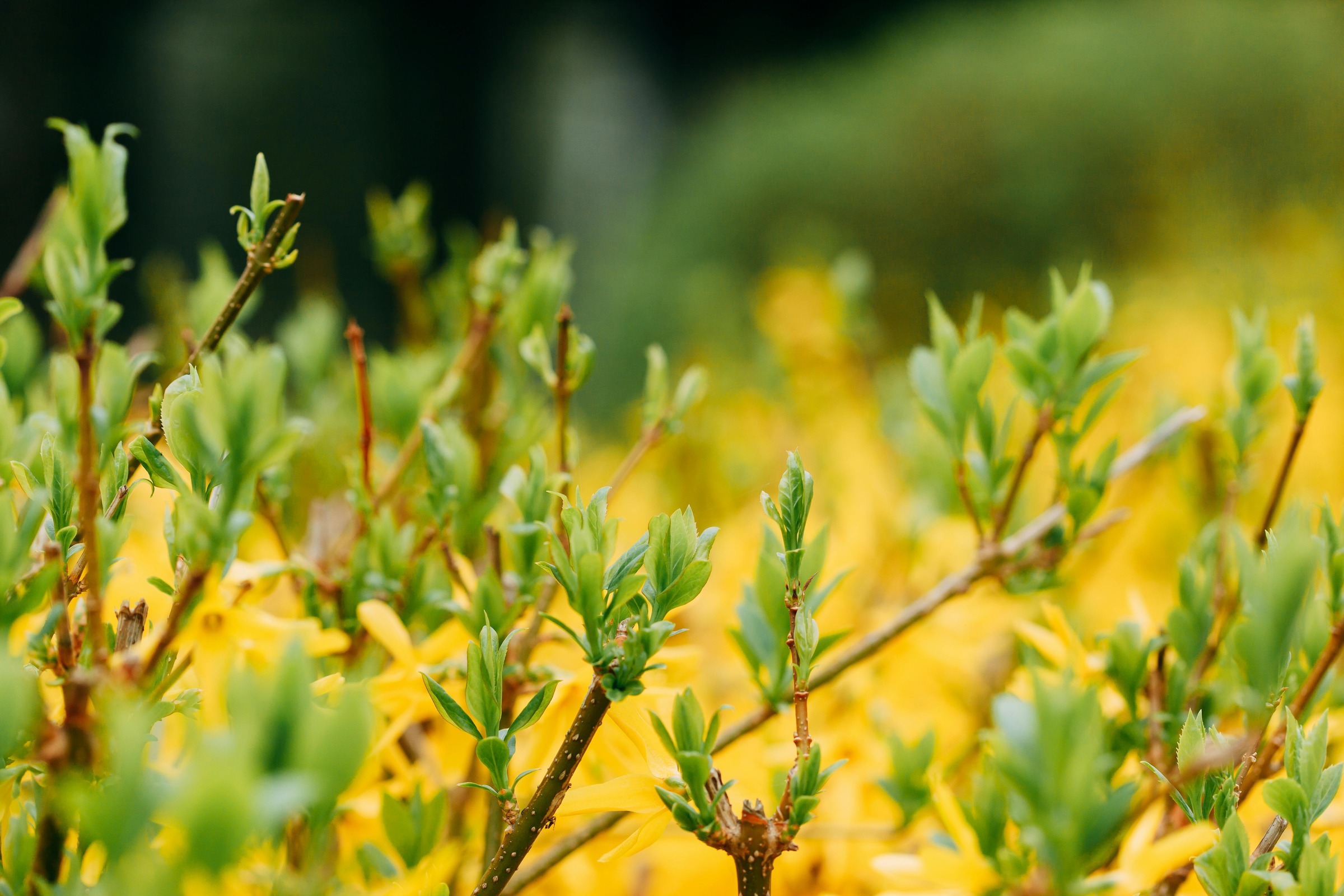
Not in fall, beyond cutting back extra-long canes that whip in the wind. Do the main pruning in early spring when forsythia blooms. Use sharp bypass pruners and heavy gloves; rose thorns cause skin infections, so clean any puncture promptly. See shrubs not to prune in fall for the broader rule.
Deer and rabbits
Rose canes are winter food for deer and rabbits once other browse runs out. Fencing or a repellent program protects them; see deer repellent for fall and winter. No plant is truly deer-proof, and resistance varies by region, season, and pressure. Roses are not listed as toxic to dogs and cats by the ASPCA, but thorns can injure curious pets.
Shop compost and thorn-proof gloves on Amazon
Bagged compost for mounding and long gauntlet gloves for thorny canes. We may earn a commission at no extra cost to you.
Amazon · Bagged organic compost Amazon · Thorn-proof gauntlet gloves
Zone and timing notes
Zone 4 needs full mounding plus laying down climbers in most winters. Zone 5 needs full mounding for grafted roses. Zone 6 can get by with a smaller mound for grafted types and nothing for hardy shrub roses. In Zone 7 and warmer, a few inches of mulch is usually enough. Whatever the zone, wait for that first hard freeze before you mound.
Bottom line
After the first hard freeze, mound 10 to 12 inches of soil or compost over grafted roses in Zones 4 to 6, hold it with a collar, and leave pruning for spring. Hardy shrub and own-root roses need little or nothing. Remove protection gradually once hard freezes end.
Related reading
- Are Knockout roses deer resistant?
- Burlap winter wrap for shrubs
- Fall mulch before freeze in cold zones
- Why do deer eat roses?
Ready to match plants to your location? Try the PlantWise Plant Finder →