FTC Disclosure:
If you find yourself wondering why deer eat roses, the answer lies in the appealing tender new growth and sweet fragrance that these classic garden favorites offer. Deer are drawn to the soft leaves and flower buds of roses, especially in early spring and during scarce food periods. Unfortunately, this can leave your rose bushes heavily browsed and damaged. To protect your garden and still enjoy beautiful blooms, consider deer-resistant alternatives that offer similar appeal without the deer damage.
For pet owners, remember the ASPCA hotline is available at 888-426-4435 for any pet poisoning concerns. Also, keep in mind that no plant is completely deer-proof, and results may vary by region and deer population.
Why Do Deer Eat Roses?
Deer are selective browsers, feeding on plants that provide the most nutrition with the least effort. Roses offer several attractive qualities for deer:
- Tender new growth: Deer prefer the fresh, succulent shoots of roses, which are easier to chew than tougher mature leaves.
- Fragrant blooms: The sweet scent of rose flowers can attract deer, especially when other food sources are limited.
- Accessibility: Roses are often grown in open garden beds or borders, making them easy targets for deer.
- Lack of natural deterrents: Unlike some plants, many rose varieties do not have strong scents, hairs, or toxins that discourage deer feeding.
Deer feeding on roses can cause defoliation, broken stems, and reduced flowering, significantly impacting the health and aesthetics of your plants.
🌱 Get Personalized Plant Picks
Answer a few quick questions and we’ll match plants to your exact yard conditions.
Find My Plants →Strategies to Protect Roses from Deer
Before switching plants, here are some tips to protect your roses:
- Physical barriers: Fencing, netting, or protective cages around rose bushes can deter deer.
- Repellents: Commercial deer repellents or homemade sprays (such as garlic or hot pepper mixtures) may discourage browsing but require frequent reapplication.
- Companion planting: Surround roses with deer-resistant plants to create a natural barrier.
- Timing: Prune and fertilize roses at times that encourage strong, less palatable growth.
Despite these methods, some gardeners may prefer to replace roses with deer-resistant plants to reduce ongoing maintenance.
Top Deer-Resistant Alternatives to Roses
If you’re ready to switch to plants less favored by deer but still want vibrant garden color and form, here are eight excellent options:
1. Peony (Paeonia spp.)
Peonies produce large, showy blooms in late spring to early summer and are rarely browsed by deer. Their lush foliage and multiple colors make them a stunning rose substitute.
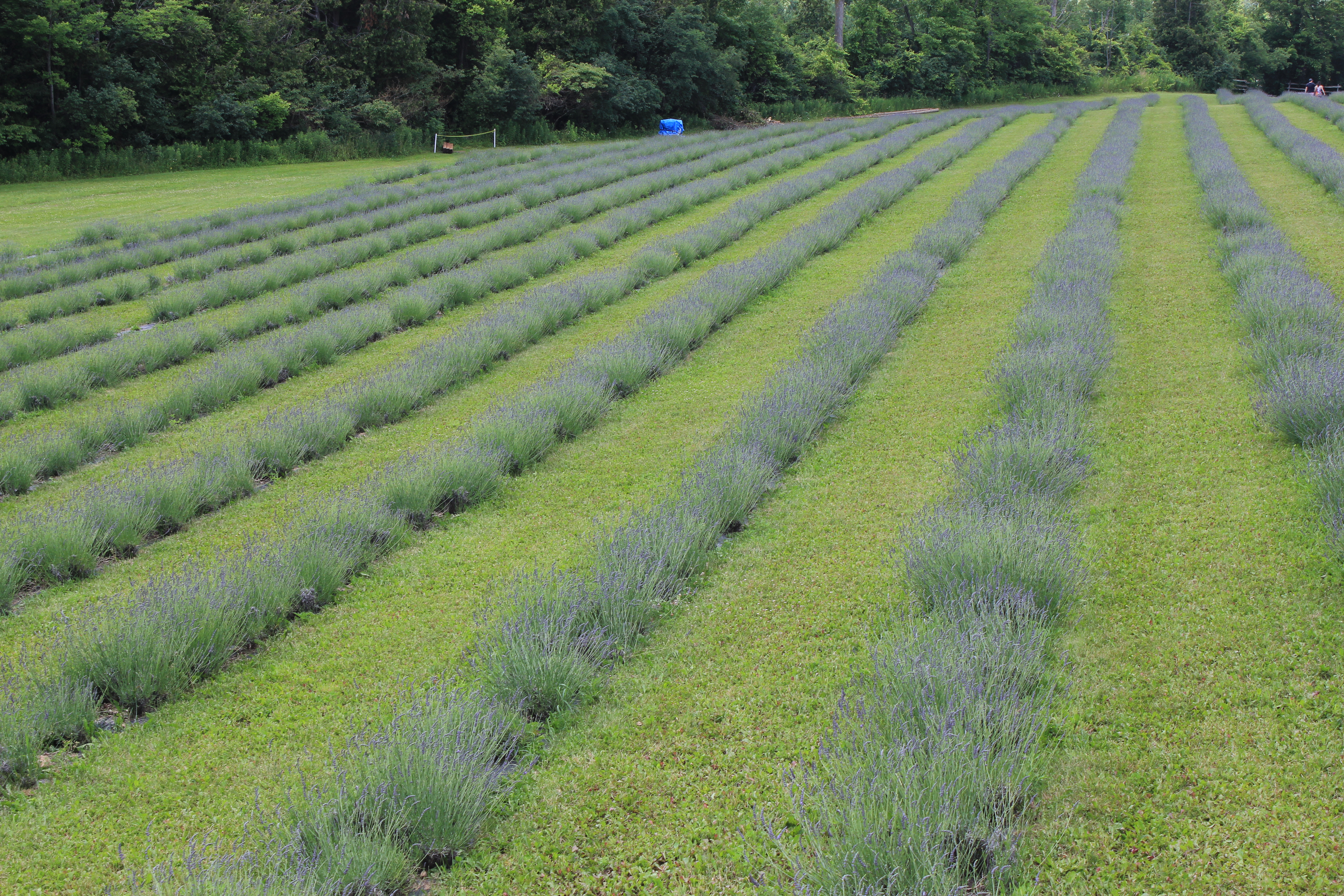
2. Lavender (Lavandula spp.)
Lavender’s fragrant foliage and purple flower spikes repel deer. It thrives in sunny, well-drained spots and adds a lovely scent to your garden.
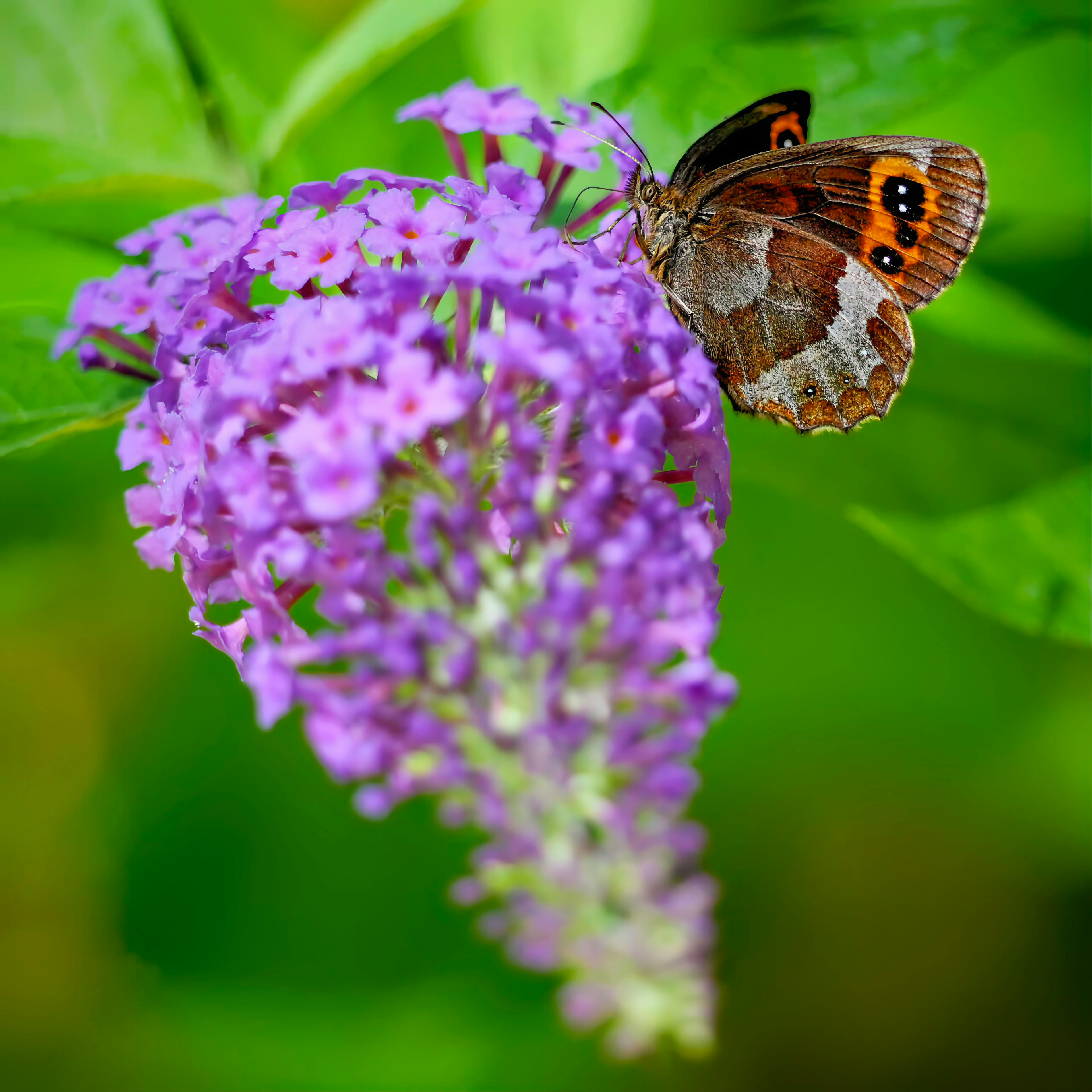
3. Butterfly Bush (Buddleja davidii)
This shrub offers long flower panicles that attract pollinators but are usually avoided by deer. It blooms through summer and fall, providing extended color.
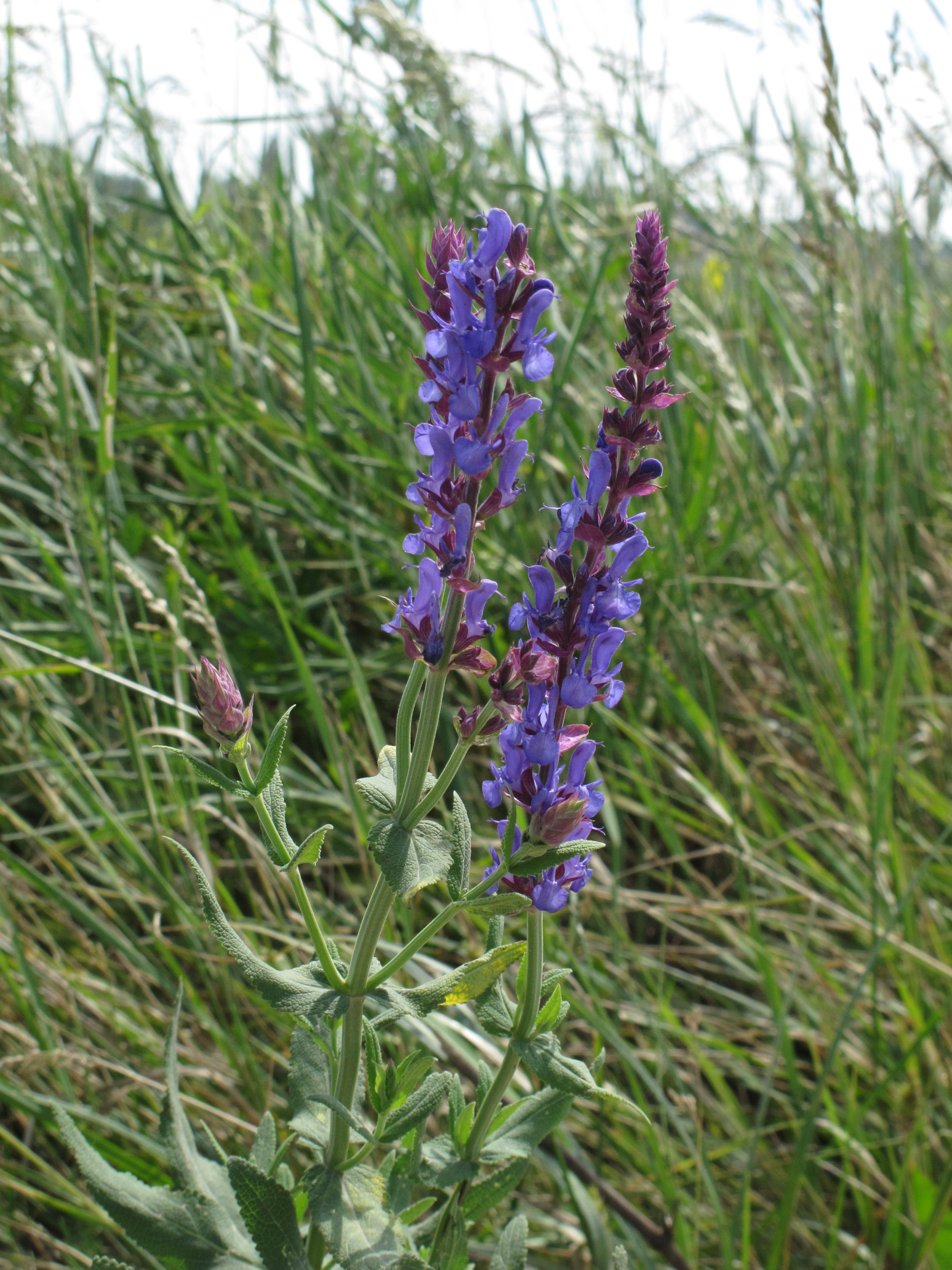
4. Salvia (Salvia spp.)
Salvia has aromatic leaves and tubular flowers in shades of blue, purple, pink, or red. It tolerates heat and drought, making it a resilient deer-resistant choice.
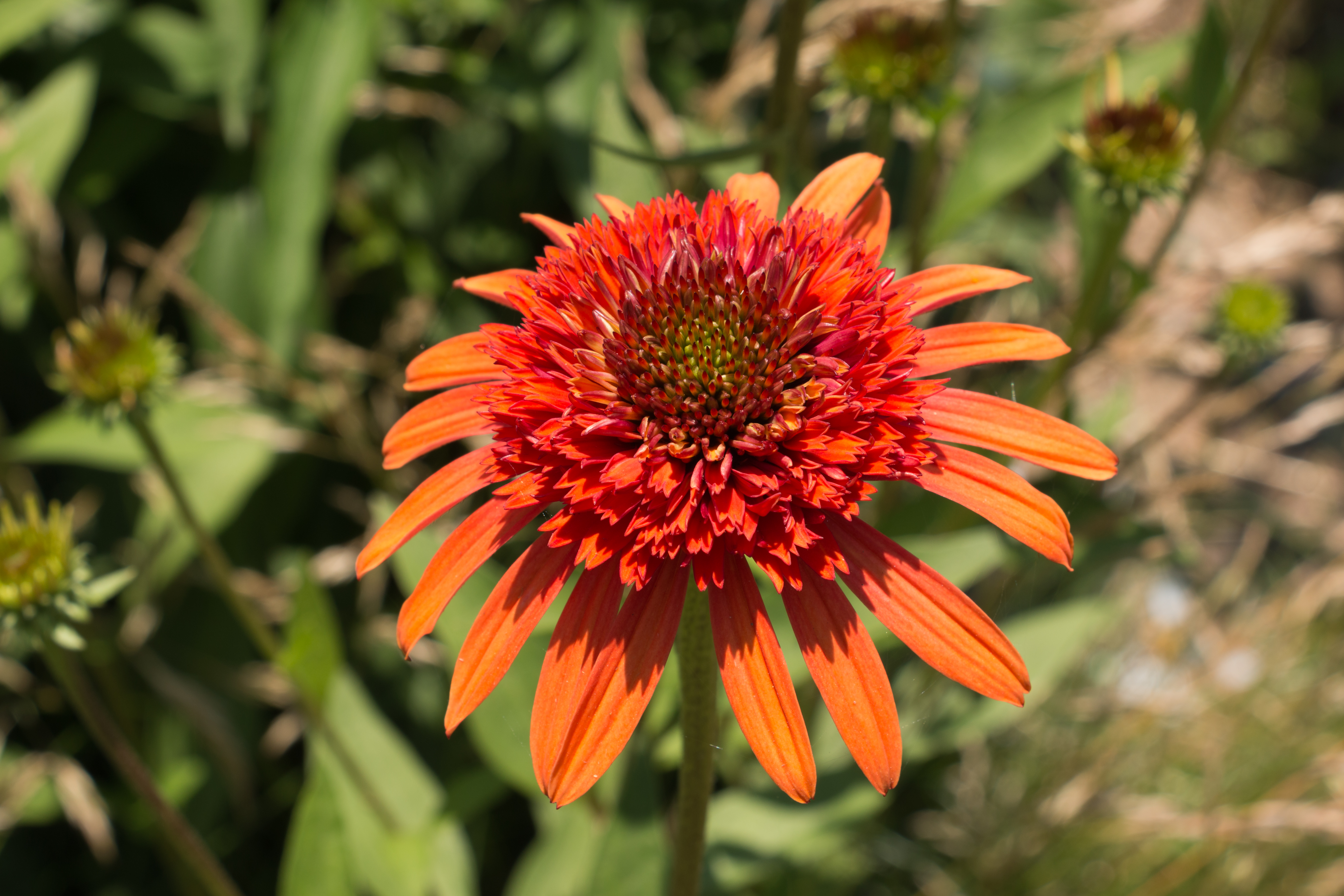
5. Coneflower (Echinacea spp.)
Coneflowers are tough perennials with daisy-like flowers in pink, purple, or white. Deer typically avoid them, and they attract butterflies and bees.
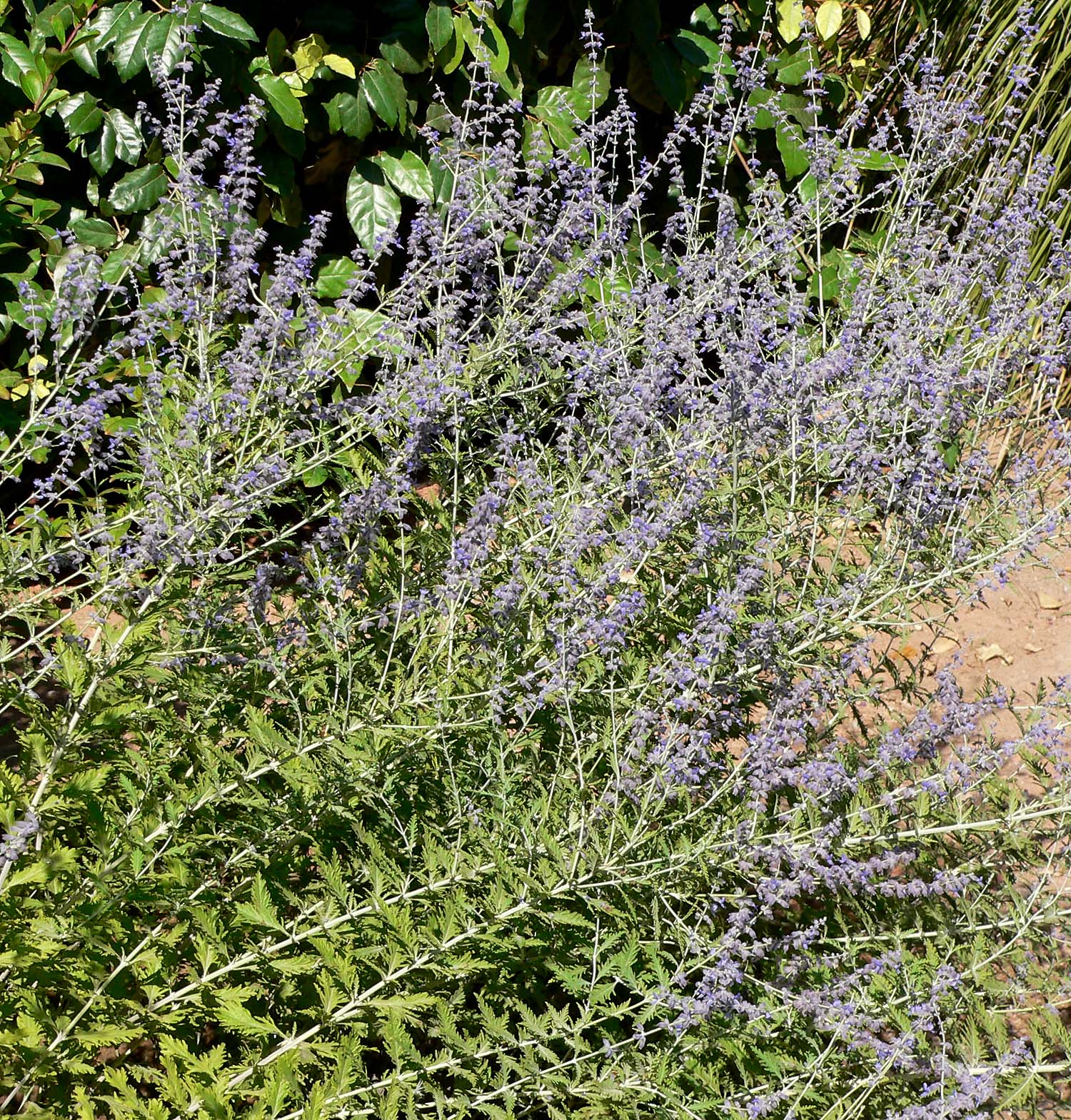
6. Russian Sage (Perovskia atriplicifolia)
With silvery foliage and airy blue flower spikes, Russian sage adds texture and color. Its strong scent and bitter leaves discourage deer browsing.
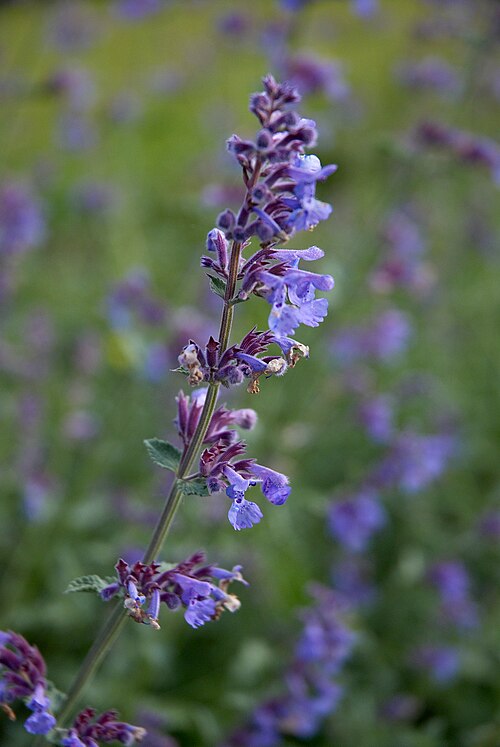
7. Catmint (Nepeta spp.)
Catmint forms mounds of aromatic gray-green leaves with blue to lavender flowers. It’s drought-tolerant and deer tend to stay away.
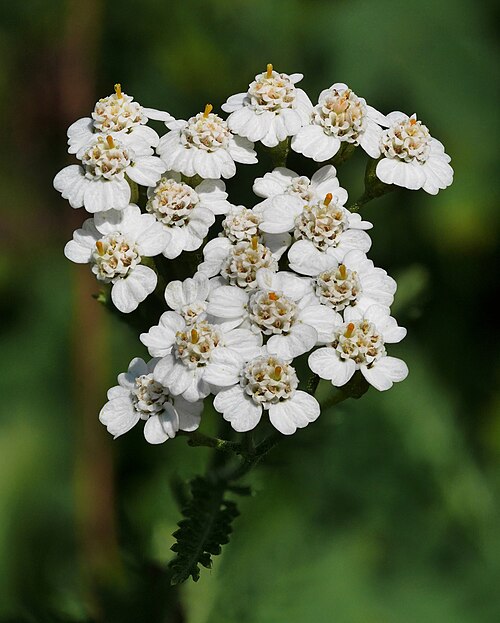
8. Yarrow (Achillea millefolium)
Yarrow’s flat clusters of tiny flowers in white, yellow, or pink are attractive to beneficial insects. Its bitter foliage makes it unappealing to deer.
Additional Tips for Deer-Resistant Gardening
- Diversify your planting: Mixing plants with varying textures, scents, and growth habits can confuse and deter deer.
- Use native plants: Local species have evolved defenses against native herbivores, including deer.
- Maintain garden health: Stressed plants are more vulnerable to deer damage, so proper watering and fertilizing help.
- Consider timing: Deer pressure may be higher in winter or drought years, so extra protection may be needed seasonally.
Wildlife Resistance Disclaimer
While these plants are considered deer-resistant, no plant is entirely deer-proof. Deer feeding behavior varies by region, local food availability, and population density. Use multiple strategies to reduce deer damage.
Pet Safety Reminder
Many beautiful garden plants can be harmful to pets if ingested. The plants listed here are generally not listed as toxic, but always monitor pet interactions and contact the ASPCA Animal Poison Control Center at 888-426-4435 if you suspect poisoning.
Conclusion
If you’re asking why deer eat roses, it’s because roses provide tender growth and fragrance that appeal to deer. While protective measures can help, switching to deer-resistant plants like peony, lavender, or coneflower can provide long-lasting beauty with less damage. By selecting the right plants and employing multiple strategies, you can enjoy a vibrant garden that resists deer browsing.
Ready to find the perfect plants for your garden? Try our Plant Finder wizard at /wizard to discover more deer-resistant options tailored to your climate and preferences.