FTC Disclosure: This post contains affiliate links. We only recommend products and plants we trust and love.
If you’re gardening in USDA Zone 5 and struggle with deer nibbling on your plants, choosing native plants that are deer resistant is a smart strategy. Native plants adapted to your region not only support local ecosystems but often have natural defenses that make them less appealing to deer. In this post, we’ll explore 8 native plants for Zone 5 that deer typically avoid, helping you create a beautiful, sustainable, and low-maintenance garden.
Why Choose Native Plants for Zone 5?
Native plants are species that naturally occur in your region and have evolved to thrive in local climate and soil conditions. For gardeners in Zone 5, which includes parts of the Midwest and Northeast U.S., selecting native plants means you get species that can handle cold winters and relatively short growing seasons.
Besides being well-adapted, native plants provide critical habitat and food sources for local wildlife such as bees, butterflies, and birds. Using native plants also reduces the need for fertilizers, pesticides, and extra watering, making your garden more eco-friendly.
When it comes to deer resistance, native plants often have tougher leaves, strong scents, or bitter compounds that deer find unappealing. While no plant is completely deer-proof — deer feeding habits vary by season, food availability, and deer population — choosing these natives greatly reduces damage.
Important: While these plants are generally considered deer resistant, individual results can vary, and no plant is guaranteed deer proof. Additionally, if you have pets, be aware that some native plants may be toxic or not listed as toxic. Always consult the ASPCA hotline at 888-426-4435 for pet safety information.
🌱 Get Personalized Plant Picks
Answer a few quick questions and we’ll match plants to your exact yard conditions.
Find My Plants →8 Native Plants for Zone 5 That Are Deer Resistant
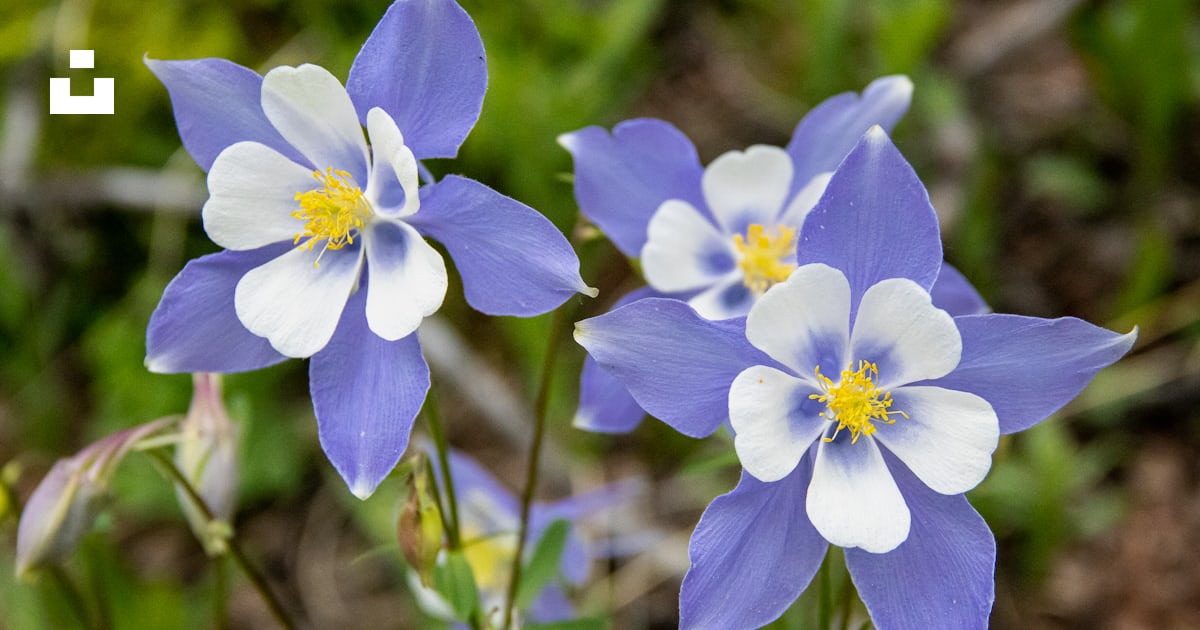
1. Eastern Red Columbine (Aquilegia canadensis)
A favorite for native gardens, Eastern Red Columbine offers bright red and yellow flowers that attract hummingbirds and butterflies. This perennial blooms in late spring to early summer and thrives in partial shade to full sun.
Its delicate, fern-like foliage and nodding flowers are generally unappealing to deer, who tend to avoid the slightly bitter taste. This plant prefers well-drained soil but is quite adaptable.
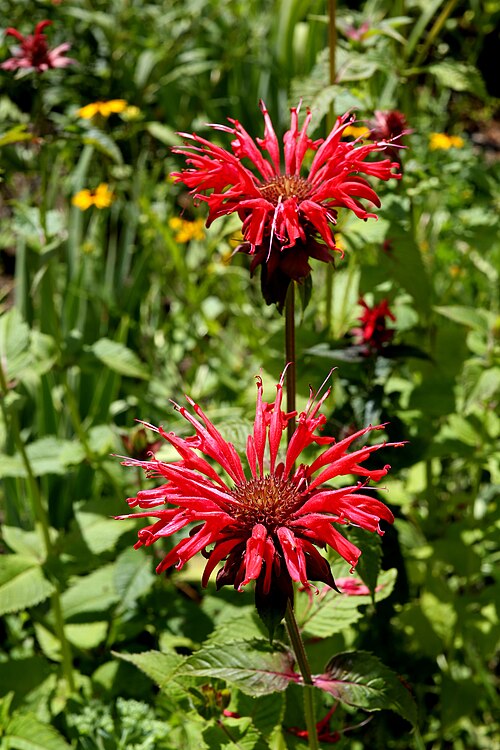
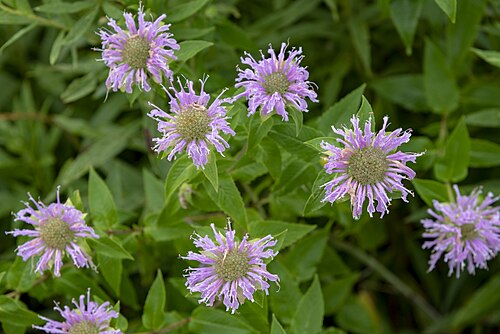
2. Wild Bergamot (Monarda fistulosa)
Wild Bergamot is a native bee balm with fragrant lavender-pink flowers that bloom midsummer. It’s a magnet for pollinators like bees, butterflies, and hummingbirds, making it a great choice for wildlife gardens.
Deer usually avoid Wild Bergamot due to its strong, minty aroma and rough-textured foliage. It grows best in full sun and well-drained soil and can tolerate drought once established.
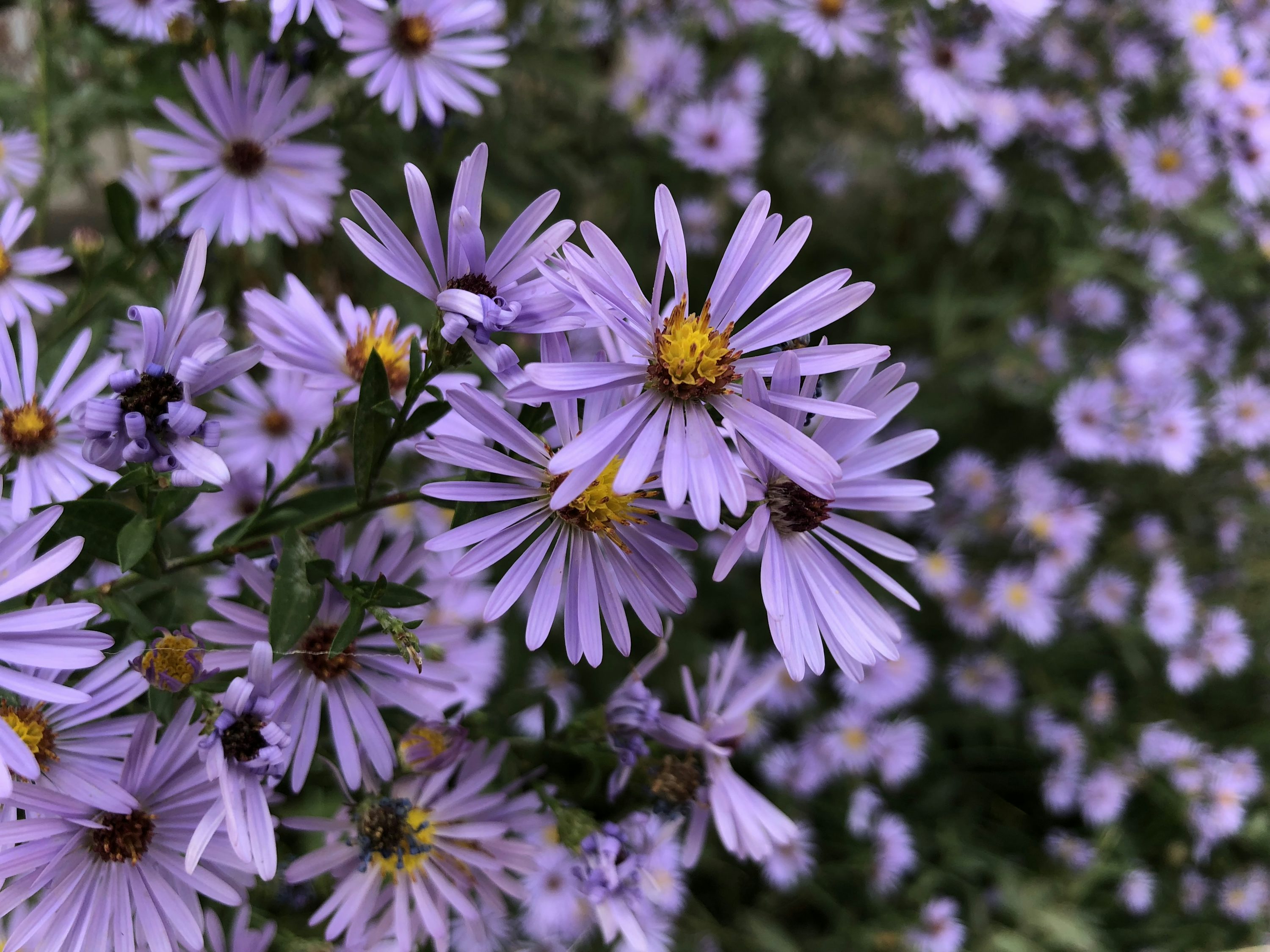
3. New England Aster (Symphyotrichum novae-angliae)
New England Aster is a fall-blooming perennial with vibrant purple flowers that provide late-season nectar for pollinators. It’s a hardy plant that grows well in full sun and moist soil but tolerates a range of conditions.
Deer tend to steer clear of asters because of their hairy leaves and stems, which can be unpalatable. This species also adds valuable color to gardens in autumn.
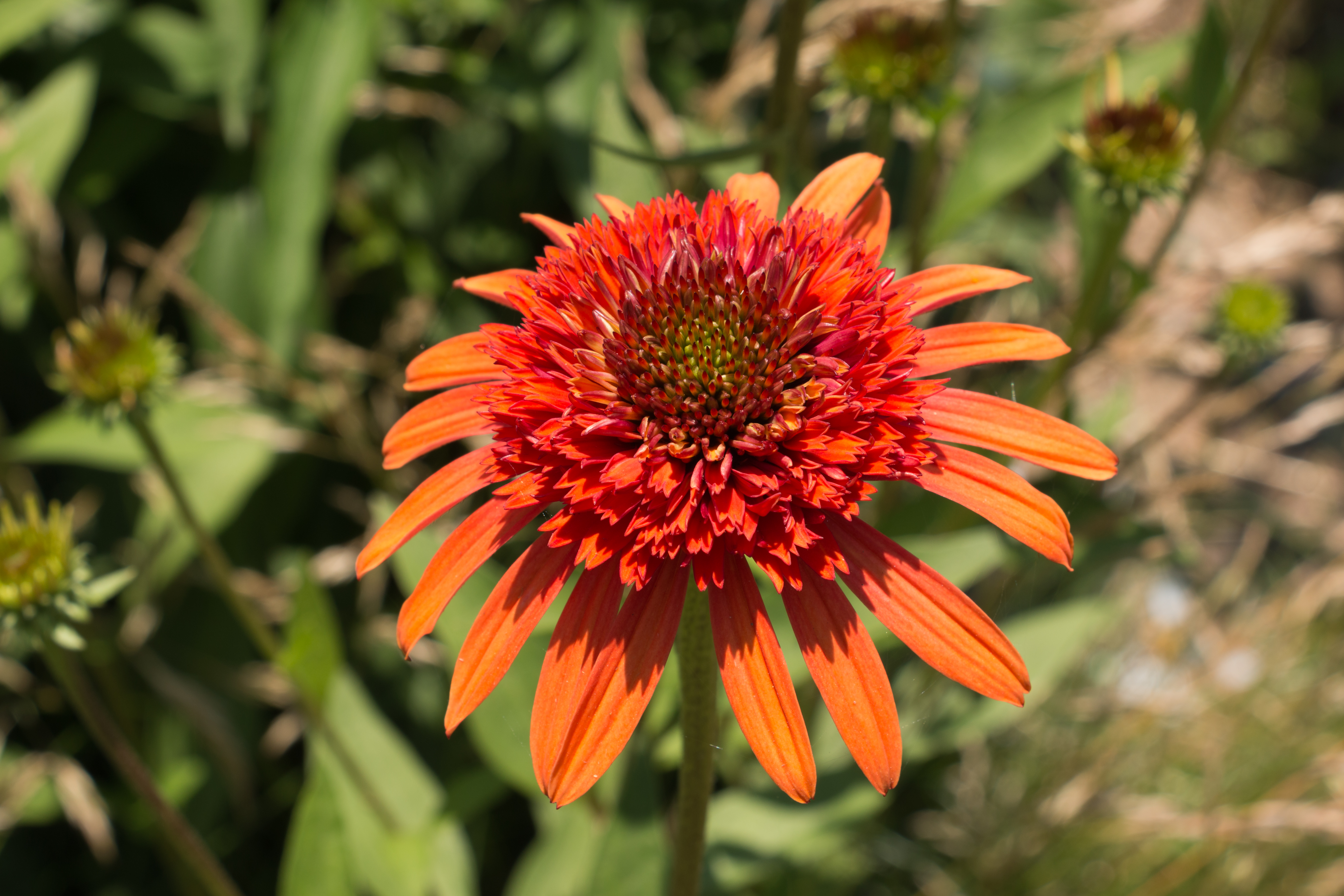
4. Purple Coneflower (Echinacea purpurea)
A classic native prairie plant, Purple Coneflower boasts striking purple petals and a prominent orange-brown central cone. It blooms summer through early fall and attracts butterflies and bees.
Its tough, hairy leaves and bitter taste make it less attractive to deer. Purple Coneflower thrives in full sun and tolerates drought and poor soils, making it an excellent low-maintenance choice.
5. Smooth Blue Aster (Symphyotrichum laeve)
Smooth Blue Aster is a late-season bloomer with clusters of pale blue to lavender flowers. It’s native to prairies and open woods and prefers full sun and well-drained soil.
The smooth but tough leaves and mildly bitter foliage tend to discourage deer browsing. It’s a valuable nectar source for pollinators in the fall when other flowers are scarce.
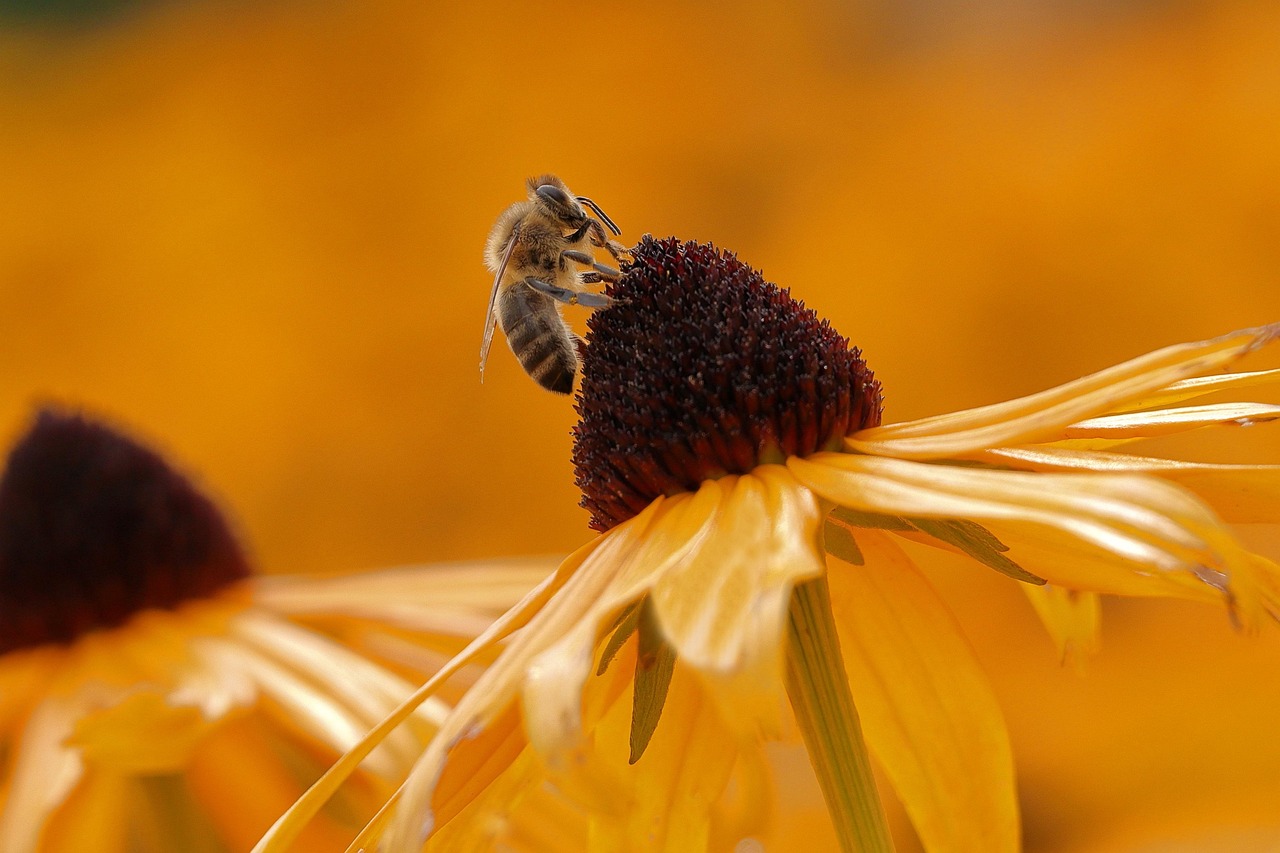
6. Black-eyed Susan (Rudbeckia hirta)
Black-eyed Susan is a cheerful native wildflower with bright yellow petals and a dark brown center. It blooms from mid-summer to fall and is highly attractive to pollinators.
Deer usually avoid Black-eyed Susan due to its rough, hairy leaves and bitter taste. It grows well in full sun and tolerates a variety of soil types, including dry and poor soils.
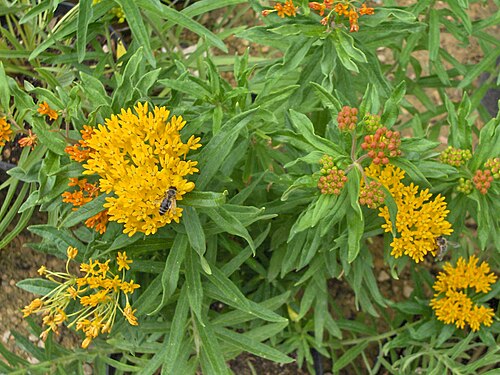
7. Butterfly Weed (Asclepias tuberosa)
Butterfly Weed is a milkweed species with vibrant orange flowers that attract butterflies, especially monarchs, and other pollinators. It blooms in summer and prefers full sun and well-drained soils.
Milkweeds contain compounds that make them unappealing or mildly toxic to deer, so they tend to avoid this plant. Butterfly Weed is drought tolerant and adds bright color to native gardens.
8. Wild Senna (Senna hebecarpa)
Wild Senna is a native shrub or perennial with yellow flowers that bloom mid to late summer. It thrives in full sun to part shade and prefers moist but well-drained soils.
Deer generally avoid Wild Senna due to its tough, somewhat bitter foliage. It also supports native bees and butterflies, including the Cloudless Sulphur butterfly.
Senna Hebecarpa
Tips for Enhancing Deer Resistance in Your Garden
- Plant in groups: Mass plantings of deer-resistant natives tend to discourage browsing more than isolated plants.
- Use physical barriers: Fences or deer netting can protect young plants until they are established.
- Add repellents: Commercial deer repellents or homemade sprays may provide extra protection but often require reapplication.
- Diversify plants: Mixing a variety of native species reduces the chance that deer will find a favorite.
- Avoid fertilizing to excess: Lush, tender growth is more attractive to deer.
Wildlife Resistance Disclaimer
While the plants listed here are generally deer resistant, it is important to note that no plant is entirely deer proof. Deer feeding habits vary widely depending on local population levels, available food sources, and season. Using these native plants can greatly reduce deer damage but may not eliminate it entirely.
Pet Safety Note
Some native plants may be toxic or not listed as toxic to cats, dogs, and other pets. If you have pets, always check the ASPCA’s database or call their hotline at 888-426-4435 before introducing new plants to your garden.
Conclusion
Incorporating native plants that are deer resistant into your Zone 5 garden is a wonderful way to create a sustainable, wildlife-friendly space with less damage from deer. Species like Eastern Red Columbine, Wild Bergamot, and Purple Coneflower not only offer beauty and attract pollinators but also stand up better to deer browsing.
Ready to find more plants perfect for your garden? Use our Plant Finder wizard to discover native plants tailored to your zone, soil, and sunlight conditions. Start planning your deer-resistant garden today!
Explore the Plant Finder wizard here: /wizard