FTC Disclosure: This post contains affiliate links. As an Amazon Associate, we earn from qualifying purchases.
If you're gardening in USDA Zone 8 and looking for native plants that deer consistently avoid, you’re in the right place. Native plants adapted to Zone 8 climates not only thrive in Southern heat and mild winters but also tend to be more resistant to deer browsing. Incorporating deer-resistant native species into your landscape supports local ecosystems and helps reduce plant damage without relying on chemical repellents. Below, we explore eight native plants for Zone 8 that are known to be deer resistant, making them ideal for eco-conscious gardeners seeking beautiful, sustainable landscapes.
Why Choose Native Plants That Are Deer Resistant in Zone 8?
Zone 8 covers a wide swath of the southern United States, including parts of Texas, Louisiana, Georgia, and the Carolinas. The climate features hot summers and mild winters, which support a diverse range of plant species. Native plants thrive here because they have evolved alongside local wildlife, soil types, and seasonal weather patterns. Choosing native plants adapted to Zone 8 reduces maintenance and water needs.
Deer can be a persistent challenge in gardens, especially in suburban and rural areas where natural food sources are limited. While no plant is completely deer-proof, deer-resistant plants tend to have qualities such as strong scents, tough textures, or bitter compounds that deer find unpalatable. Using native, deer-resistant plants allows you to create a resilient garden that supports pollinators and local wildlife without becoming a buffet for deer.
Note: Deer resistance varies based on deer population, food availability, and local conditions. No plant is guaranteed to be deer-proof.
🌱 Get Personalized Plant Picks
Answer a few quick questions and we’ll match plants to your exact yard conditions.
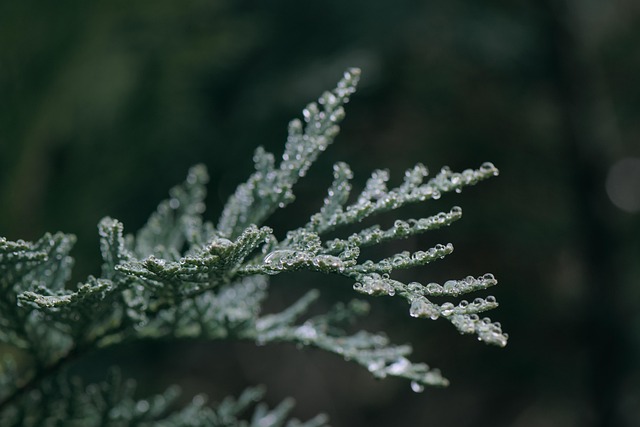
Find My Plants →1. Eastern Red Cedar (Juniperus virginiana)
Eastern Red Cedar is a hardy evergreen tree native to Zone 8 and beyond. Its dense, aromatic foliage and tough needles make it unappealing to deer. This conifer grows well in a variety of soil types and tolerates drought once established. Besides providing year-round greenery, Eastern Red Cedar offers shelter and nesting sites for birds.
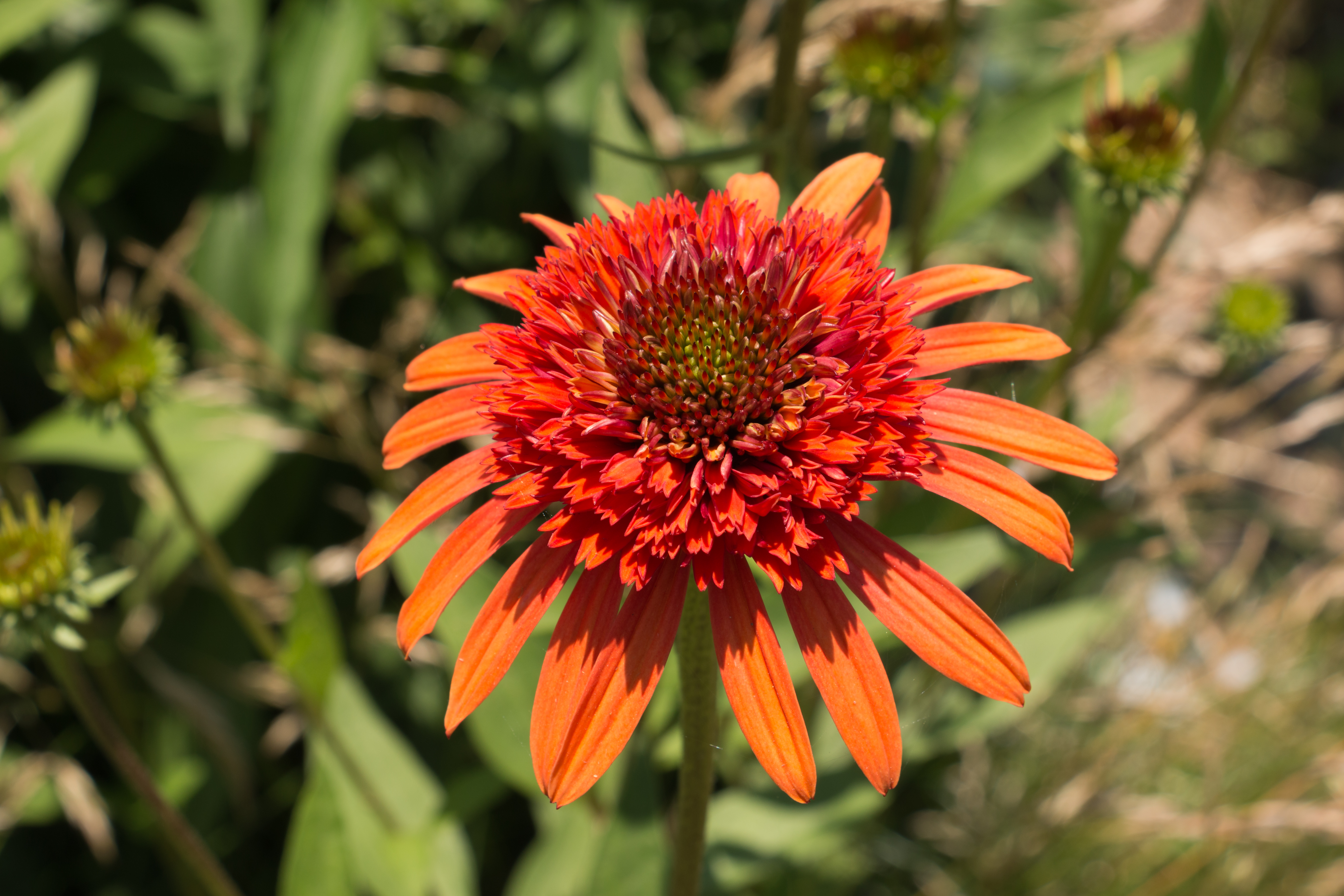
2. Purple Coneflower (Echinacea purpurea)
A favorite of pollinators, Purple Coneflower is a perennial wildflower native to parts of Zone 8. Its rough-textured leaves and mildly bitter taste deter deer, while its vibrant purple flowers attract bees and butterflies. Purple Coneflower thrives in full sun and well-drained soil, making it a versatile choice for beds and borders.
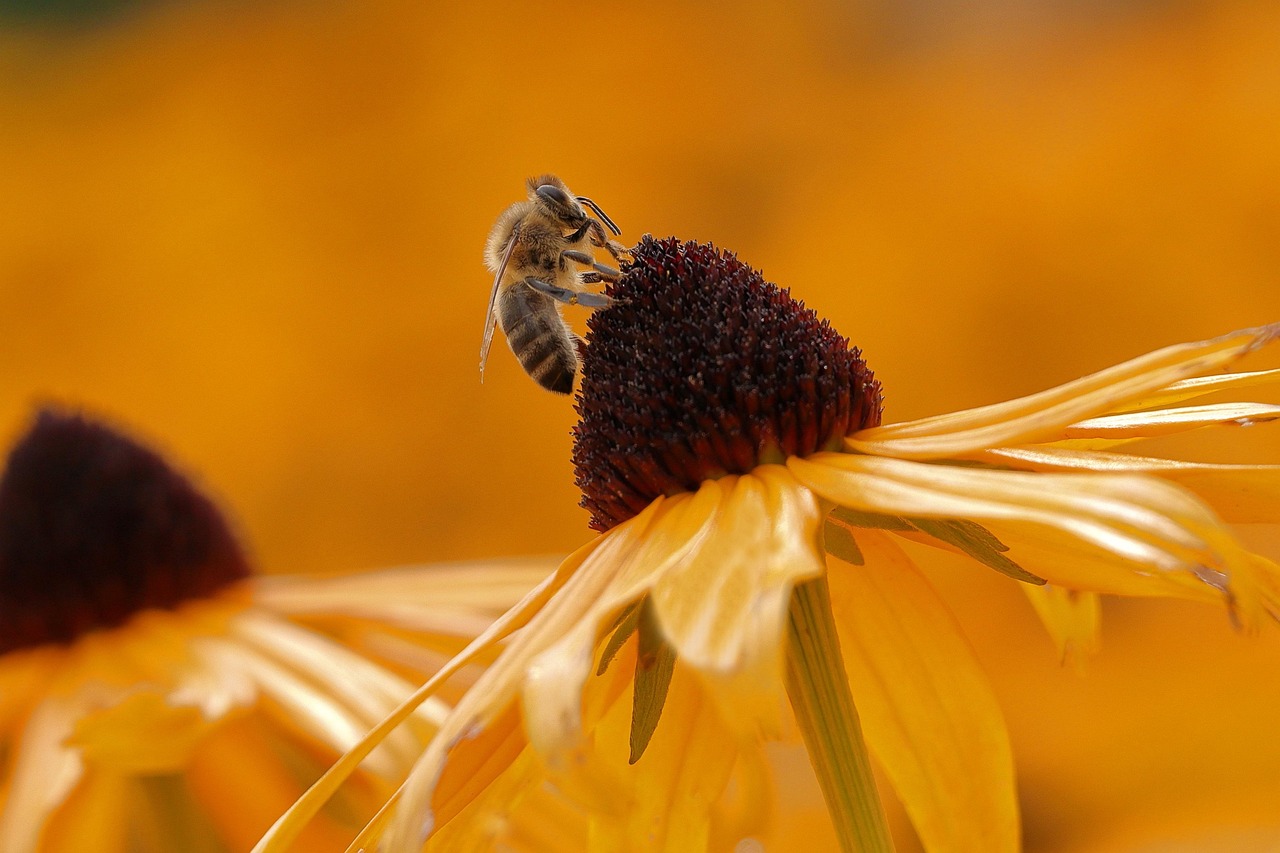
3. Black-eyed Susan (Rudbeckia hirta)
Black-eyed Susan is another native perennial that deer tend to avoid. Its coarse leaves and tough stems make it less palatable. This cheerful yellow-flowered plant performs well in sunny locations and poor soils typical of Southern landscapes. It also supports native pollinators and adds bright color from summer to fall.
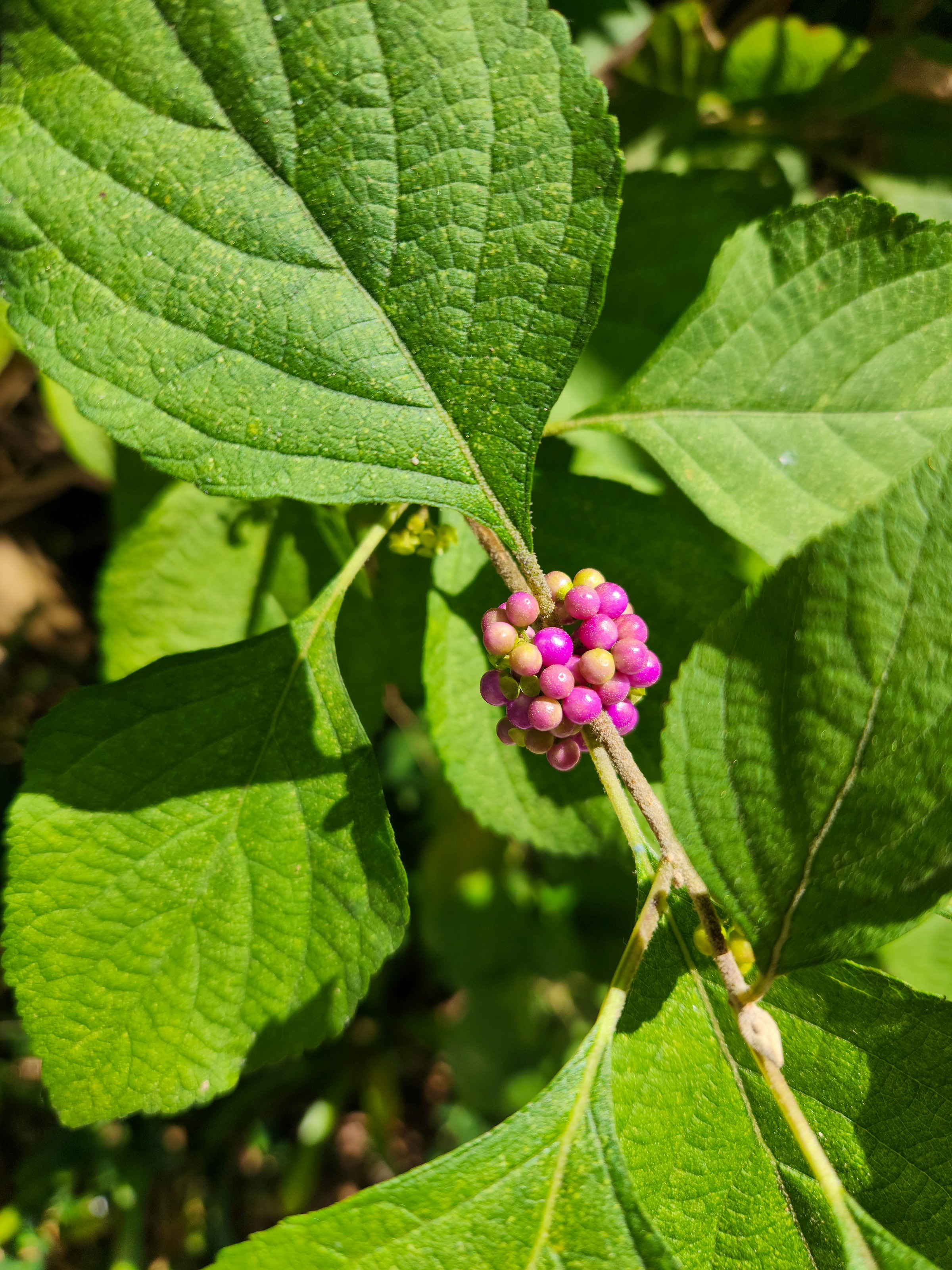
4. American Beautyberry (Callicarpa americana)
American Beautyberry is a native shrub admired for its clusters of bright purple berries in late summer and fall. Deer generally avoid its leaves due to their strong aroma and texture. This plant prefers partial sun to shade and moist, well-drained soils. Beyond its ornamental appeal, Beautyberry provides food for birds and small mammals.
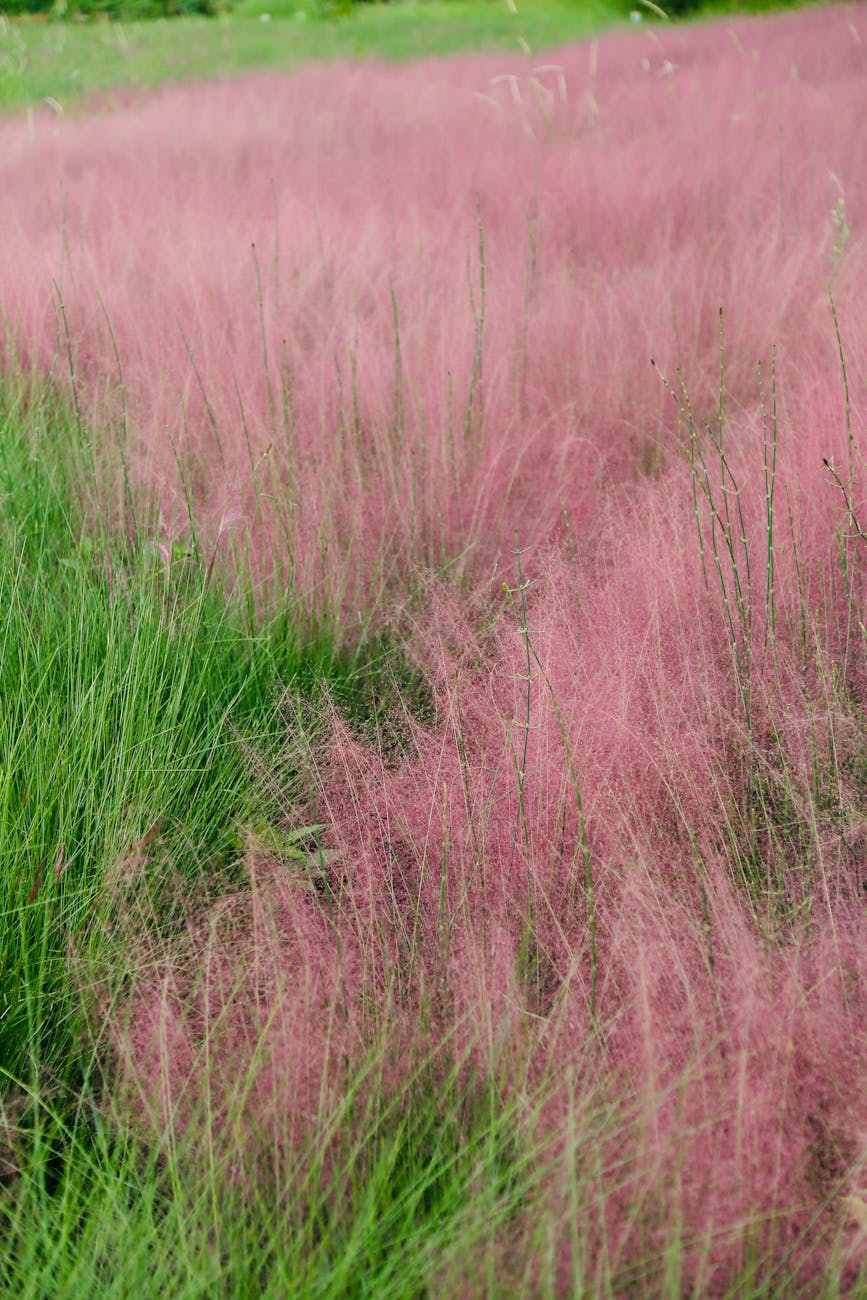
5. Gulf Muhly Grass (Muhlenbergia capillaris)
Gulf Muhly Grass is a native ornamental grass prized for its airy, pink flower plumes in the fall. Its fine-textured blades and upright growth habit are unappealing to deer. This grass thrives in full sun and adapts to a range of soil conditions, including sandy and rocky sites. It’s an excellent choice for adding movement and texture to native gardens.
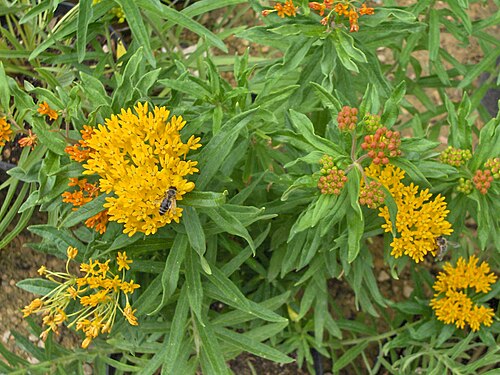
6. Butterfly Milkweed (Asclepias tuberosa)
Butterfly Milkweed is a native perennial that plays a crucial role in supporting monarch butterflies as a host plant. Its bright orange flowers and tough, hairy leaves discourage deer browsing. This drought-tolerant plant prefers full sun and well-drained soils and is a great addition to pollinator-friendly native gardens.
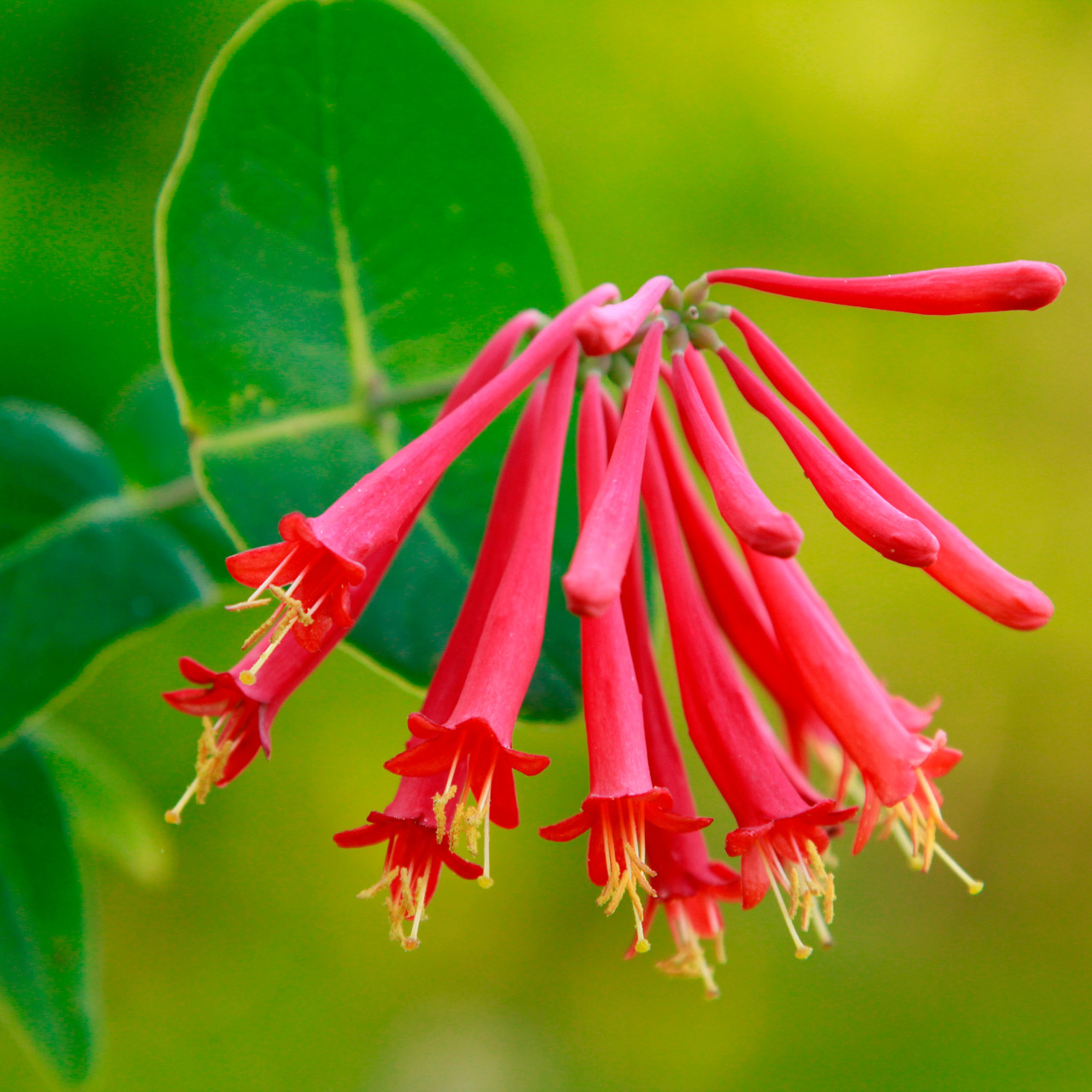
7. Coral Honeysuckle (Lonicera sempervirens)
Coral Honeysuckle is a native, deciduous vine that produces tubular red flowers attractive to hummingbirds but largely ignored by deer. It grows best in full sun to partial shade and well-drained soils. This vine is ideal for trellises, fences, or naturalizing along woodland edges.
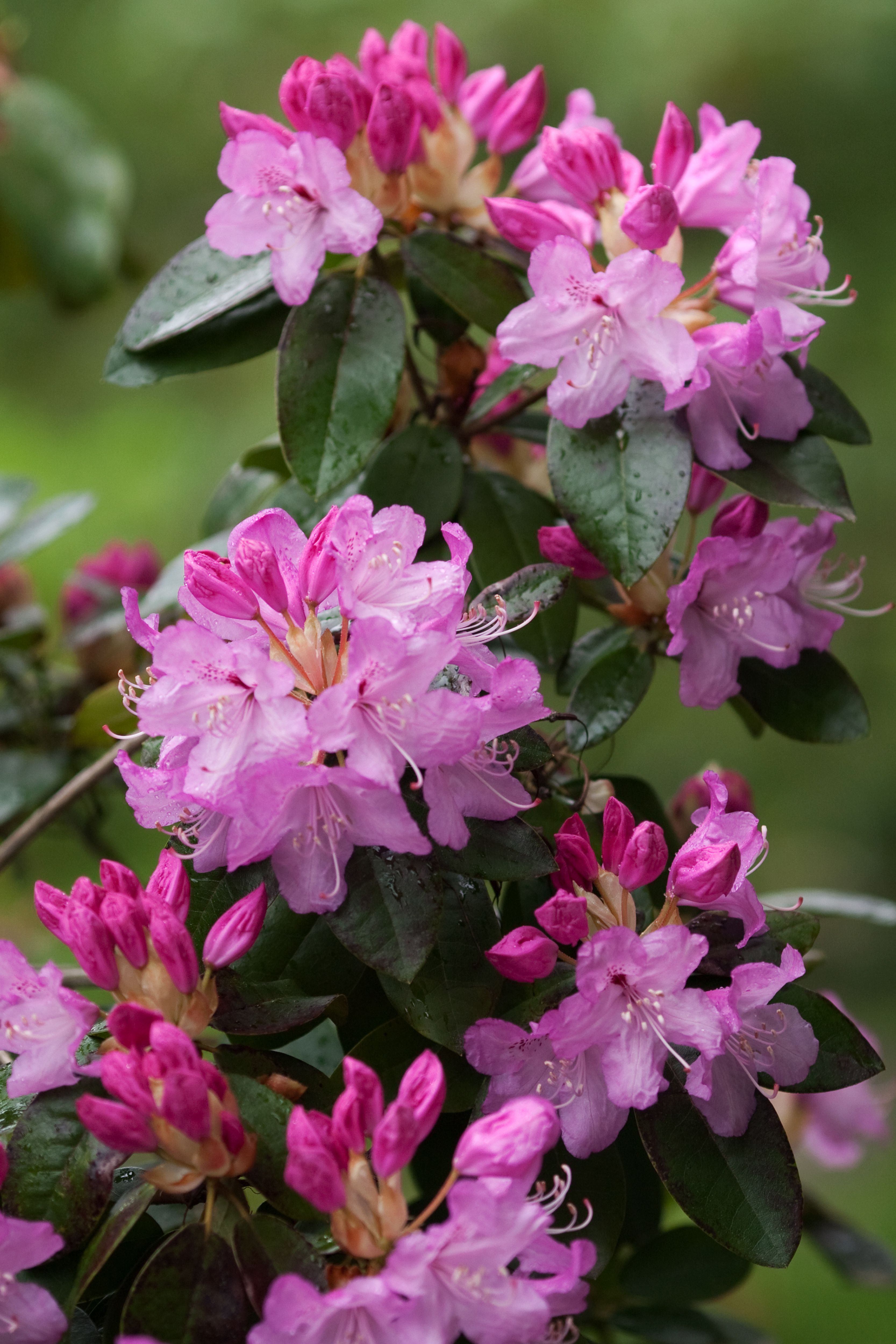
8. Flame Azalea (Rhododendron calendulaceum)
Flame Azalea is a native shrub admired for its bright orange to red flowers in spring. Its tough, leathery leaves make it less appetizing to deer. This azalea prefers acidic, well-drained soils under partial shade. It’s a stunning addition to woodland gardens in Zone 8.
Deer Resistance and Wildlife Disclaimer
While these native plants are commonly reported as deer resistant, deer feeding habits can vary widely depending on local populations, food availability, and seasonal changes. No plant is entirely deer-proof. Using a combination of deer-resistant plants and other deterrents will provide the best protection.
Additionally, these plants support a variety of pollinators and wildlife, which can be beneficial for your garden ecosystem. However, if you have pets, always monitor their exposure to plants. Many native plants are not listed as toxic to pets, but individual sensitivities vary. In case of pet poisoning, contact the ASPCA Animal Poison Control Center at 888-426-4435 immediately.
Tips for Gardening with Deer-Resistant Native Plants in Zone 8
- Diversify Plantings: Mix several deer-resistant plants together to reduce browsing pressure on any one species.
- Use Physical Barriers: Fencing, netting, or repellents can complement plant choices to protect young or vulnerable plants.
- Maintain Healthy Soil: Native plants thrive with good soil, which also improves their vigor and resistance to damage.
- Water Appropriately: While many native plants tolerate drought, consistent watering helps establish new plants.
- Plant in Clusters: Grouping plants in masses can create a visual barrier and make browsing less appealing.
Final Thoughts
Choosing native plants for Zone 8 that deer consistently avoid is an effective strategy for sustainable, low-maintenance gardening. Plants like Eastern Red Cedar, Purple Coneflower, and American Beautyberry not only resist deer but also support local wildlife and require less water and fertilizers. By selecting the right native species, you can create a beautiful, resilient landscape that thrives in Southern climates while minimizing damage from deer.
Explore more native plants tailored to your garden’s needs by trying our Plant Finder wizard at /wizard. It’s a great tool to help you select the perfect plants for your specific conditions and preferences.
If you enjoyed learning about native plants for Zone 8 that are deer resistant, be sure to visit our Plant Finder wizard to customize your garden plan!
Remember: Always verify plant safety for pets and consult local experts for wildlife recommendations.
FTC Disclosure: This post contains affiliate links. As an Amazon Associate, we earn from qualifying purchases.
ASPCA Animal Poison Control Center Hotline: 888-426-4435
Wildlife resistance varies; no plant is guaranteed deer-proof.
Juniper Blue Star
Coneflower
Black-eyed Susan
Beautyberry
Muhly Grass