FTC Disclosure: This post contains affiliate links. If you make a purchase through these links, we may earn a small commission at no extra cost to you.
If you’re gardening in USDA Hardiness Zone 7 and looking for native plants that deer tend to avoid, you’re in the right place. Native plants zone 7 deer resistant offer the dual benefits of supporting local ecosystems while reducing the frustration of deer browsing. While no plant is completely deer-proof, these eight native species have qualities that make them less appealing to deer, helping you create a beautiful, sustainable garden with less wildlife damage.
For pet owners, remember to check the ASPCA hotline at 888-426-4435 to verify if a plant is safe for your furry friends, as none of these are guaranteed safe and should be treated with caution around pets.
Why Choose Native Plants That Are Deer Resistant?
Native plants thrive in your local climate and soil conditions, requiring less water and fertilizer than non-natives. They provide crucial habitat and food for pollinators, birds, and other wildlife. Deer resistance is an added benefit—plants that deer find unpalatable or difficult to eat help reduce garden damage. However, it’s important to note that deer feeding habits vary with region, time of year, and food availability, so no plant is completely deer-proof.
🌱 Get Personalized Plant Picks
Answer a few quick questions and we’ll match plants to your exact yard conditions.
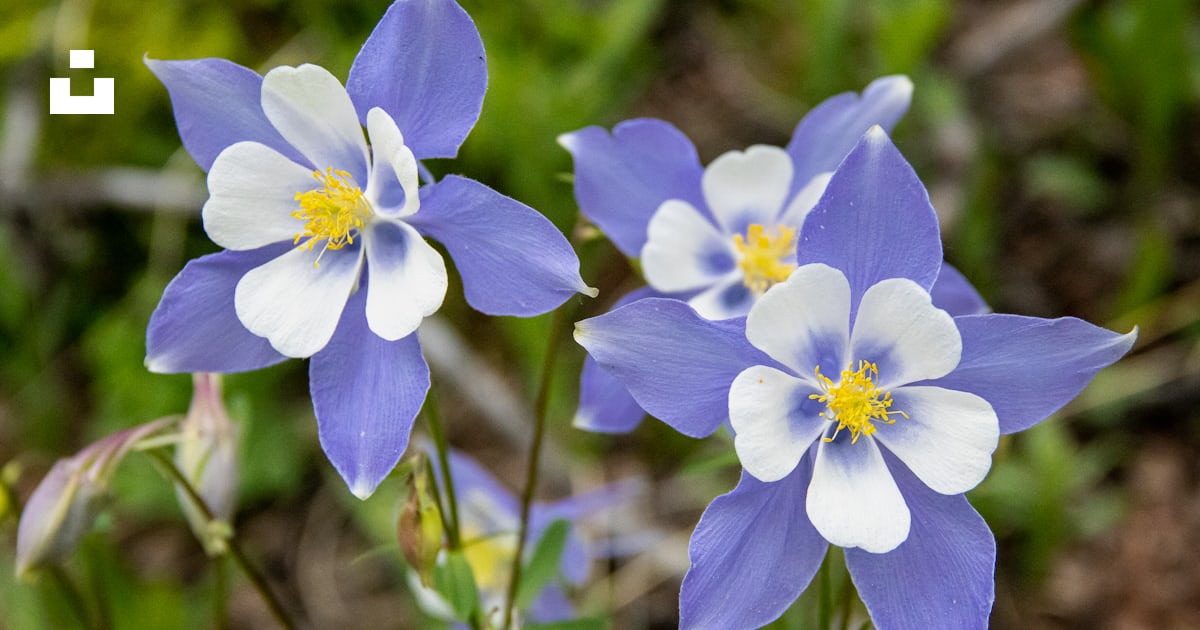
Find My Plants →1. Eastern Red Columbine (Aquilegia canadensis)
The Eastern Red Columbine is a charming wildflower with nodding red and yellow flowers that attract hummingbirds and butterflies but are generally ignored by deer. Its delicate foliage emits a slight scent that deer dislike, making it a great choice for shaded or partially shaded areas.
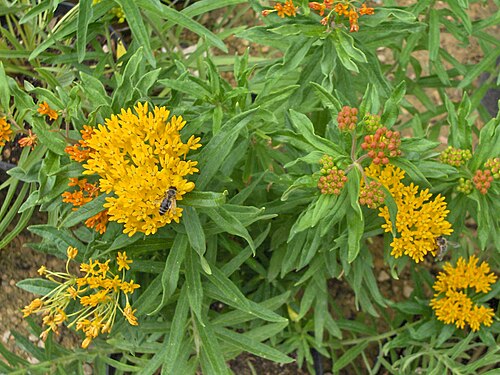
2. Butterfly Weed (Asclepias tuberosa)
Butterfly Weed is a bright orange milkweed native to Zone 7 that supports monarch butterflies and other pollinators. Its tough, hairy leaves and bitter latex make it unappealing to deer, who usually avoid milkweed species. Besides being deer resistant, it’s drought tolerant and thrives in full sun.
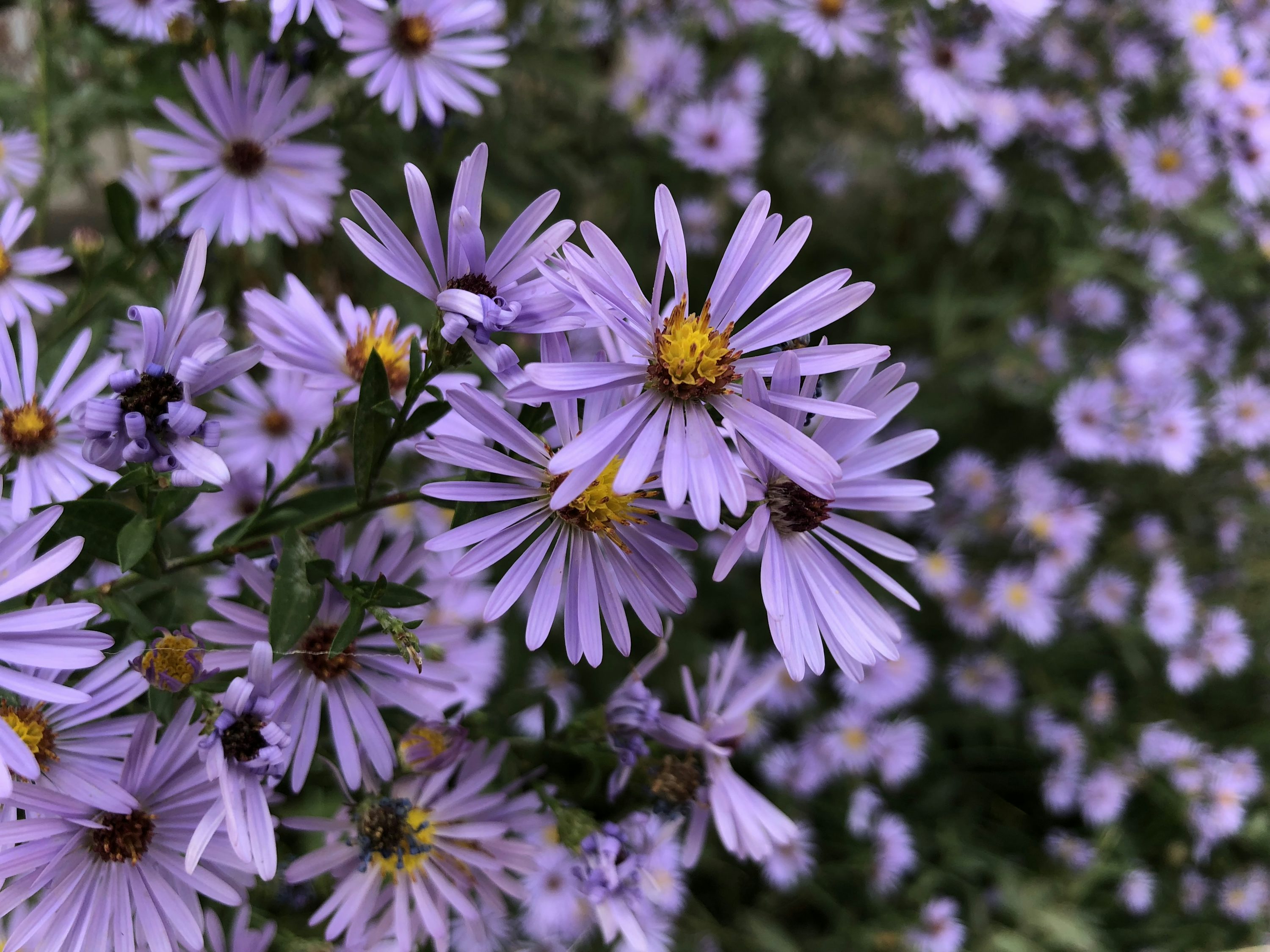
3. New England Aster (Symphyotrichum novae-angliae)
New England Aster produces masses of purple flowers in late summer and fall, providing late-season nectar for bees and butterflies. Its tough, hairy stems and leaves contribute to its deer resistance. It prefers full sun and moist, well-drained soil.
4. Spicebush (Lindera benzoin)
Spicebush is a native deciduous shrub valued for its aromatic leaves and early spring yellow flowers. Deer tend to avoid it due to its strong scent and slightly bitter foliage. It’s an excellent understory plant for woodland gardens and supports spicebush swallowtail butterflies.
5. Wild Bergamot (Monarda fistulosa)
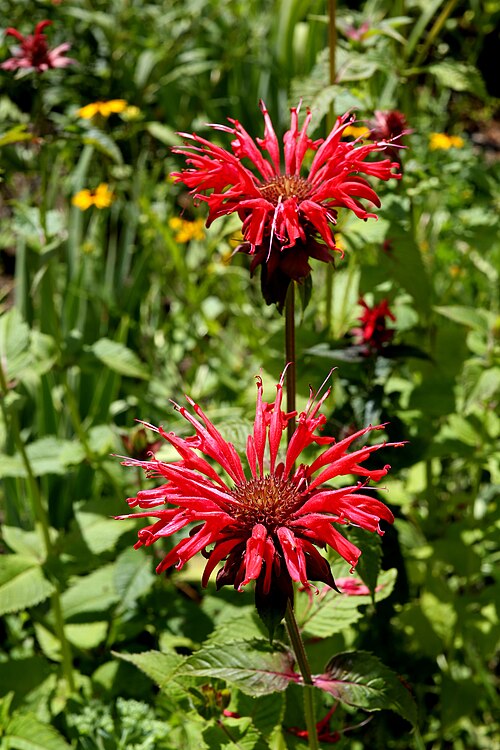
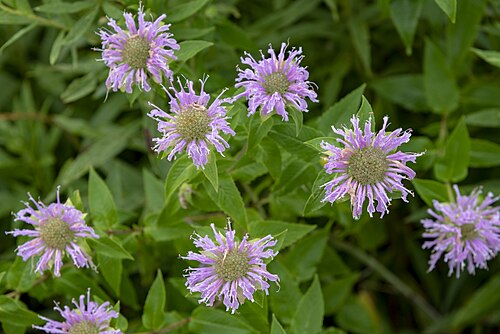
Wild Bergamot, also called bee balm, features lavender-pink flowers that attract pollinators and hummingbirds. Its aromatic foliage contains oils that deter deer and rabbits, making it a good choice for sunny borders or naturalized areas.
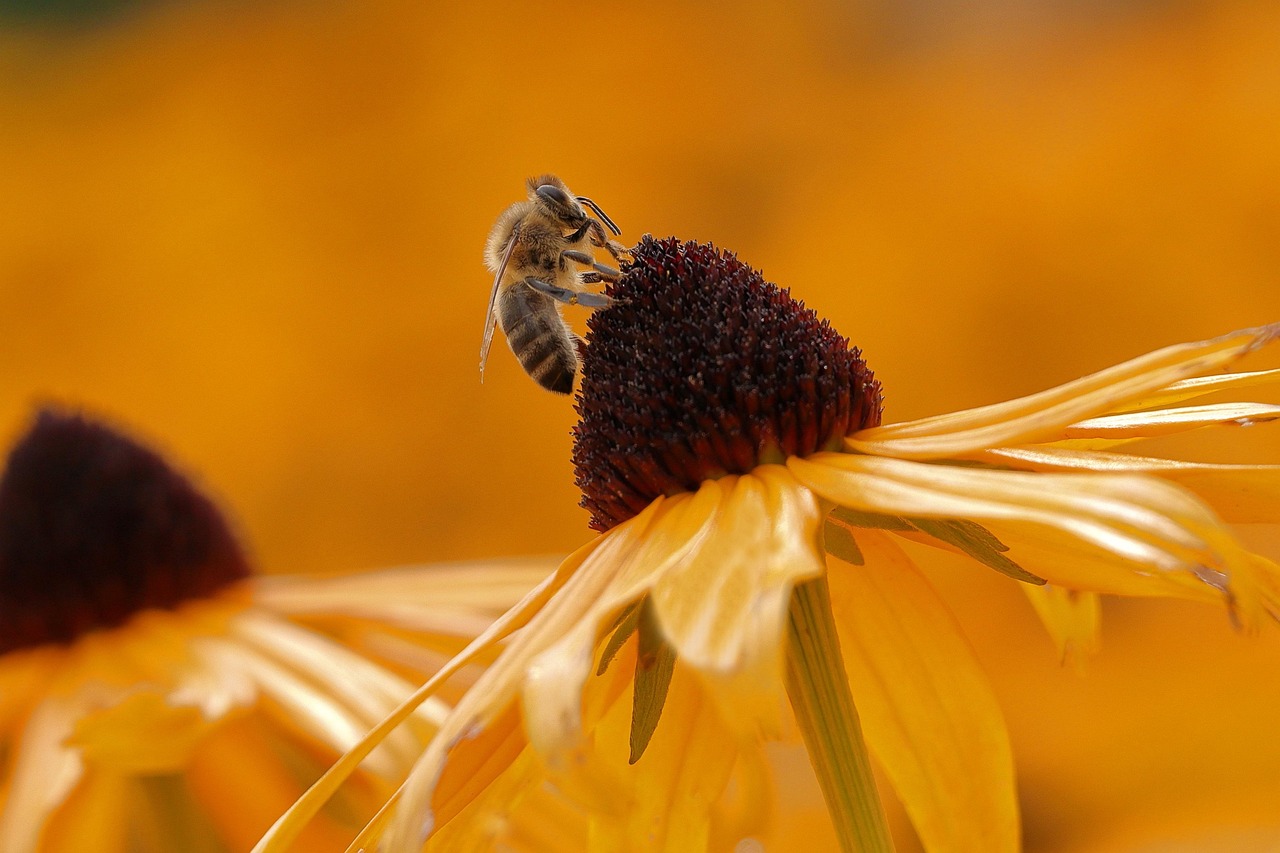
6. Black-eyed Susan (Rudbeckia hirta)
Black-eyed Susan is a classic native wildflower with bright yellow petals and dark centers. While deer may occasionally nibble on it, its coarse leaves and tough stems make it less palatable. It’s drought tolerant and thrives in full sun to partial shade.
7. Eastern Red Cedar (Juniperus virginiana)
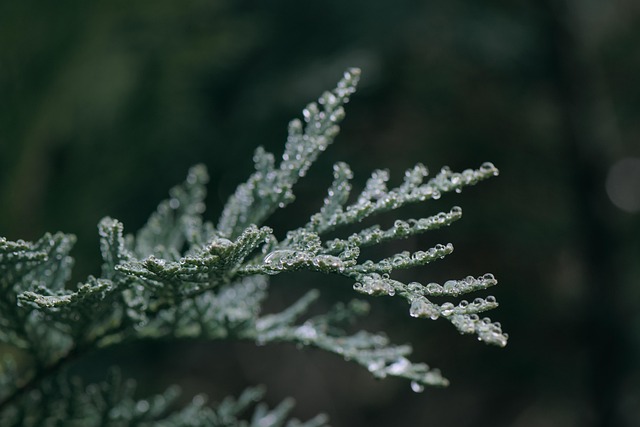
This evergreen conifer has scale-like blue-green foliage and dense growth that deer tend to avoid. Eastern Red Cedar offers year-round interest and provides shelter for birds in winter. It tolerates a range of soils and can be used as a screen or specimen tree.
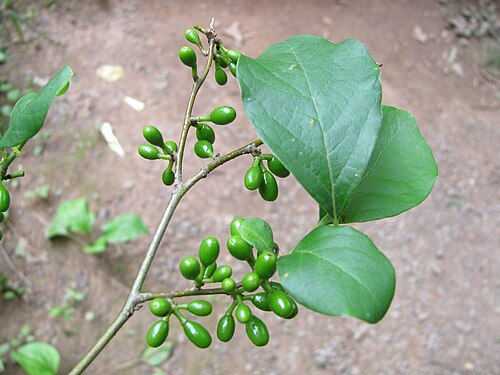
8. Wild Senna (Senna hebecarpa)
Wild Senna is a native shrub with attractive yellow flowers and compound leaves. Its foliage contains compounds that make it distasteful to deer. It blooms in mid to late summer and is excellent for attracting bees and butterflies.
Senna Hebecarpa
Important Notes on Deer Resistance and Wildlife
While these native plants are generally less favored by deer, hungry deer can browse almost any plant if food is scarce. Additionally, these plants support local wildlife such as pollinators and birds, so their presence contributes positively to your garden ecosystem.
If you have pets, remember that none of these plants are listed as safe or non-toxic by the ASPCA. Always supervise pets and consult the ASPCA hotline at 888-426-4435 if ingestion occurs.
Deer resistance does not guarantee resistance to other wildlife such as rabbits or groundhogs. Wildlife feeding habits vary, and no plant is completely resistant to all animals.
Tips for Maximizing Deer Resistance in Your Garden
- Combine deer resistant plants with other deterrents like physical barriers (fencing), repellents, and planting density.
- Avoid planting highly palatable species near resistant natives, as deer may spill over.
- Consider the local deer population and food availability—pressure is lower when natural food sources are abundant.
- Maintain healthy soil and plant vigor to help plants better withstand browsing damage.
Conclusion
Selecting native plants zone 7 deer resistant is a smart way to create a sustainable, wildlife-friendly garden while reducing deer damage. The eight species listed here—Eastern Red Columbine, Butterfly Weed, New England Aster, Spicebush, Wild Bergamot, Black-eyed Susan, Eastern Red Cedar, and Wild Senna—offer beautiful blooms, ecological benefits, and deer resistance to help your garden thrive.
Explore more native plants suited for your zone and preferences using our Plant Finder wizard. Find the perfect plants for your garden at /wizard and enjoy a thriving landscape with less wildlife damage!
For more gardening tips and plant recommendations, visit our Plant Finder wizard at /wizard.
If you have pets, always keep the ASPCA’s hotline handy for emergencies: 888-426-4435.
Wildlife resistance is never guaranteed; local deer populations and feeding habits vary.