FTC Disclosure: This post contains affiliate links. We may earn a commission at no extra cost to you.
If you’re searching for native plants zone 6 deer resistant, you’re in luck. Many native plants have evolved natural defenses that make them less appealing to deer, helping you create a beautiful, eco-friendly garden that supports local wildlife without the frustration of constant browsing. In this post, we’ll explore eight native plants suitable for USDA Hardiness Zone 6 that are known to resist deer. These selections combine ecological benefits with landscape resilience to keep your garden thriving.
Why Choose Native Plants That Are Deer Resistant?
Native plants are adapted to local climate and soil conditions, providing essential habitat and food sources for native pollinators, birds, and beneficial insects. When deer populations grow, they often browse on garden plants, causing damage and stress. Choosing native plants that deer tend to avoid reduces the need for chemical repellents or fencing and encourages a balanced ecosystem.
Remember, "deer resistant" does not mean "deer proof." Deer feeding habits can vary by region and season, and hungry deer may occasionally nibble on plants they generally avoid. Wildlife resistance depends on factors like plant availability, deer population density, and environmental conditions.
🌱 Get Personalized Plant Picks
Answer a few quick questions and we’ll match plants to your exact yard conditions.
Find My Plants →8 Native Plants Zone 6 Deer Resistant
Here are eight excellent native plants for Zone 6 that typically repel deer while enhancing your garden’s biodiversity.
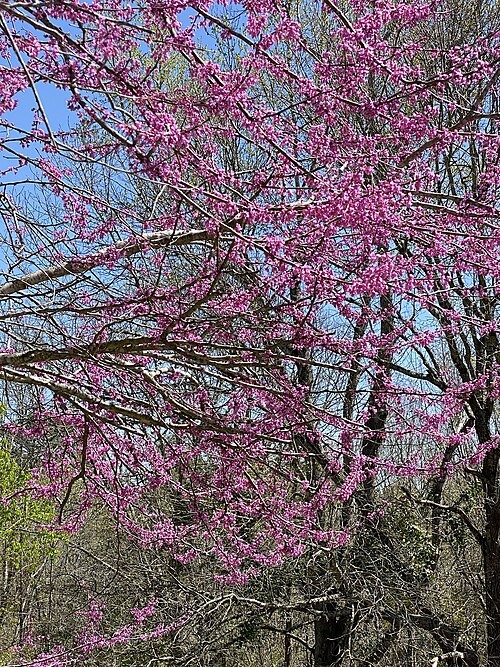
1. Eastern Redbud (Cercis canadensis)
The Eastern Redbud is a small, deciduous tree known for its stunning early spring pink blossoms. Its heart-shaped leaves and attractive form make it a wonderful focal point. Deer tend to avoid the tough, leathery leaves, making it a reliable choice for deer-prone areas.
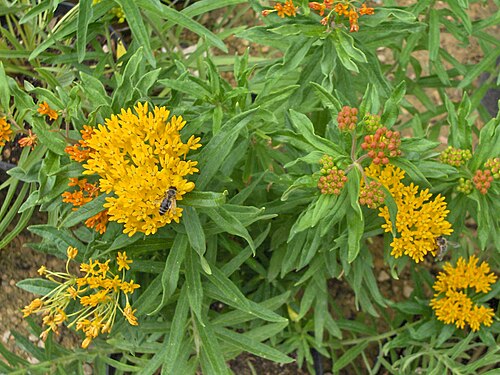
2. Butterfly Weed (Asclepias tuberosa)
Butterfly Weed is a bright orange-flowering milkweed that attracts butterflies, especially monarchs, while deterring deer due to its bitter sap and rough texture. It thrives in full sun and well-drained soils, adding vibrant color to your native garden.
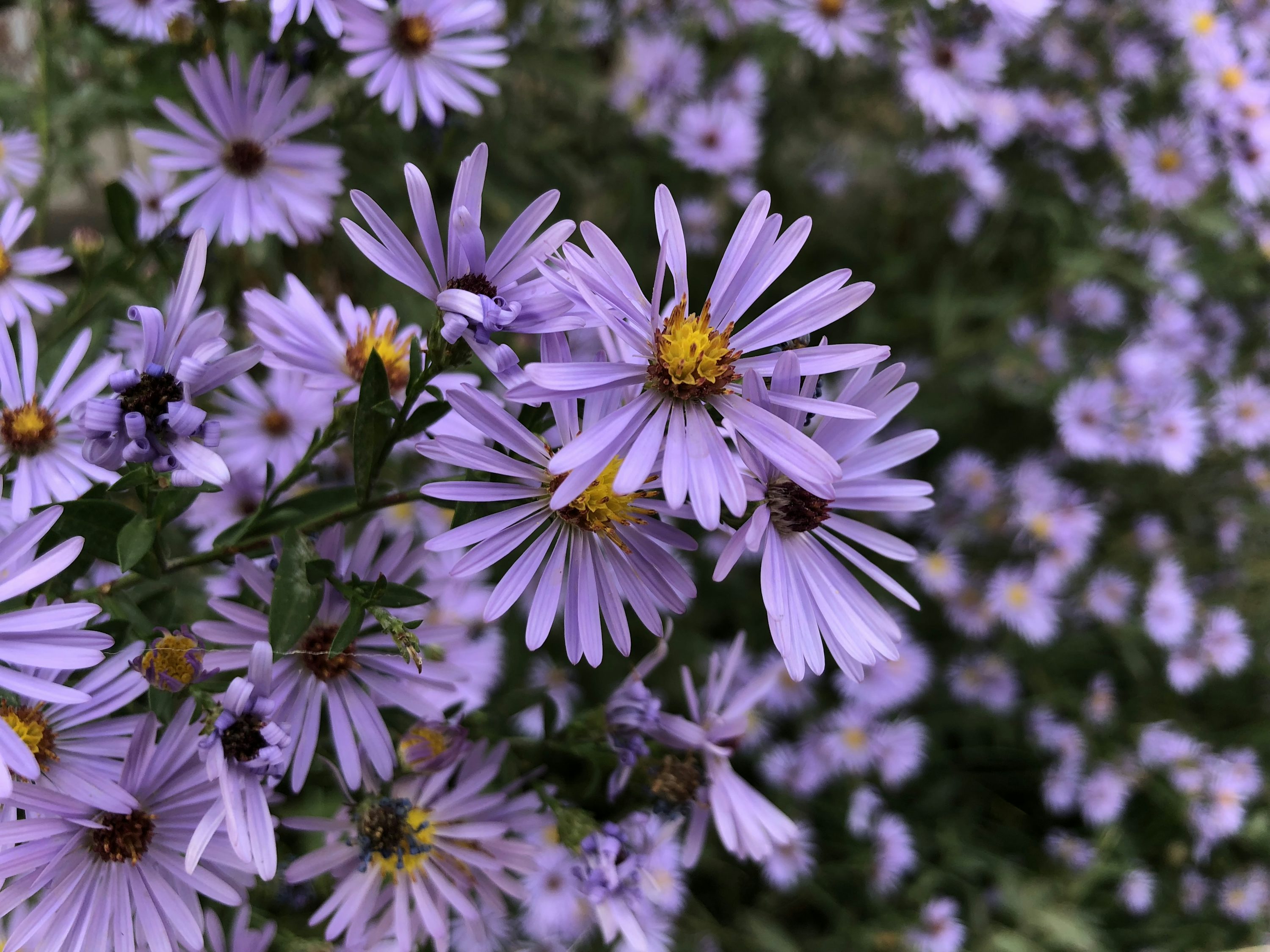
3. New England Aster (Symphyotrichum novae-angliae)
This late-blooming perennial produces purple-pink flowers that are a magnet for pollinators. Its coarse foliage and bitter taste discourage deer browsing. New England Aster also provides late-season nectar for bees and butterflies.
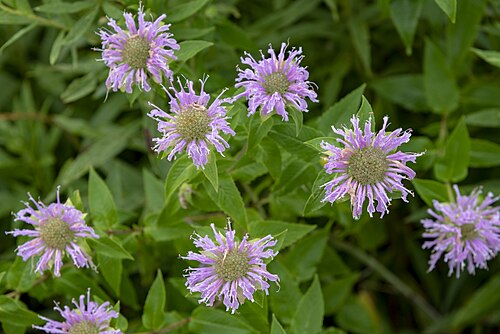
4. Wild Bergamot (Monarda fistulosa)
Wild Bergamot offers lavender to pink blooms that attract hummingbirds and bees. The plant’s aromatic foliage contains compounds that deer find unpalatable. It prefers full sun to part shade and well-drained soils.
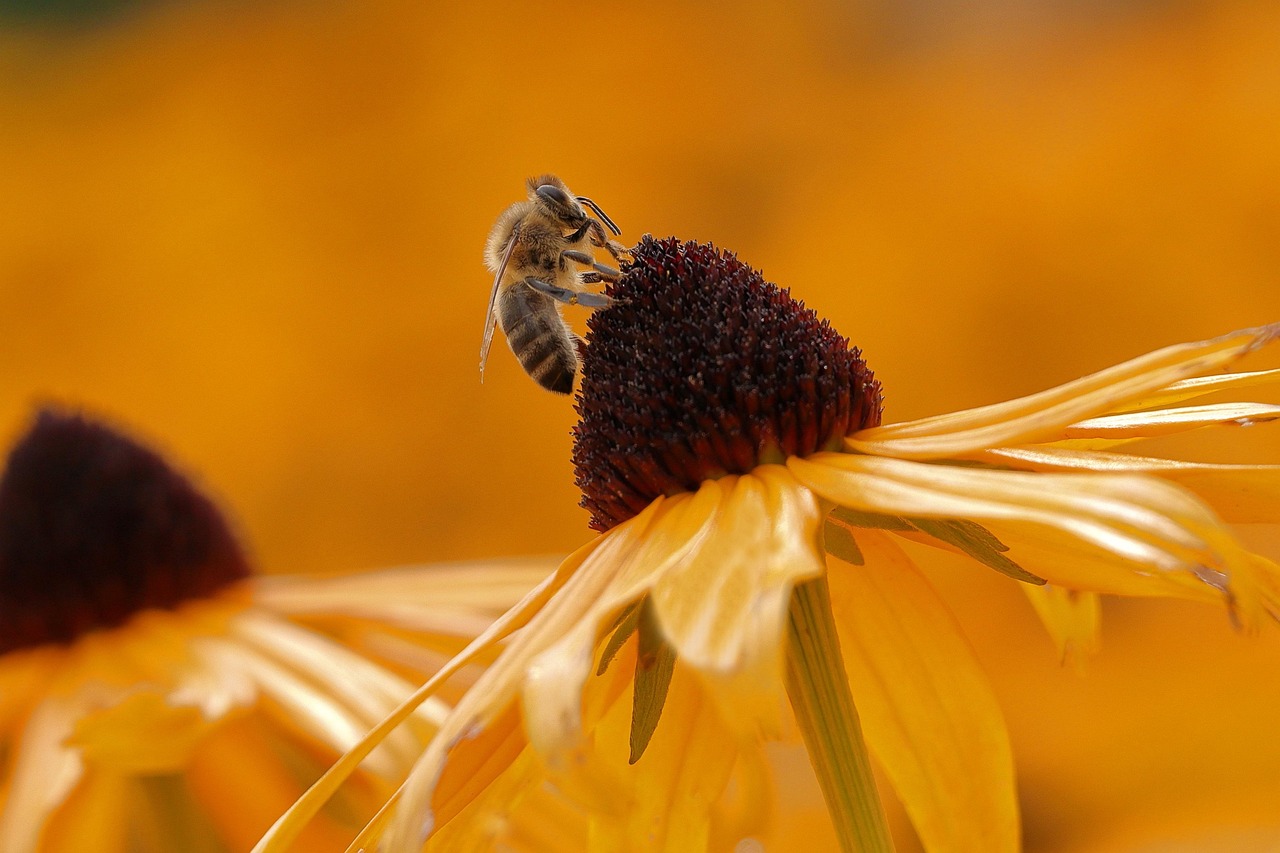
5. Black-eyed Susan (Rudbeckia hirta)
This cheerful yellow flower is a staple in native gardens. Its rough, hairy leaves and stems make it less attractive to deer. Black-eyed Susan supports pollinators and adds long-lasting color to your garden beds.
6. Spicebush (Lindera benzoin)
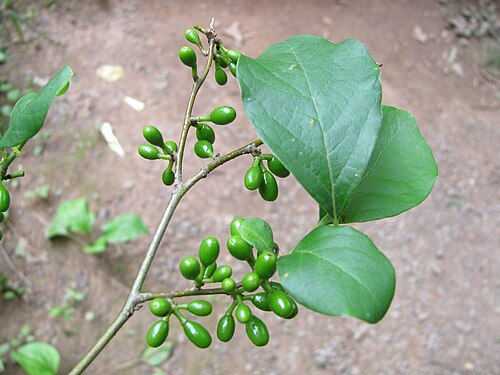
A native shrub with aromatic leaves and bright red berries that attract birds, Spicebush is generally avoided by deer. It thrives in moist, shady areas and offers early spring flowers that support pollinators.
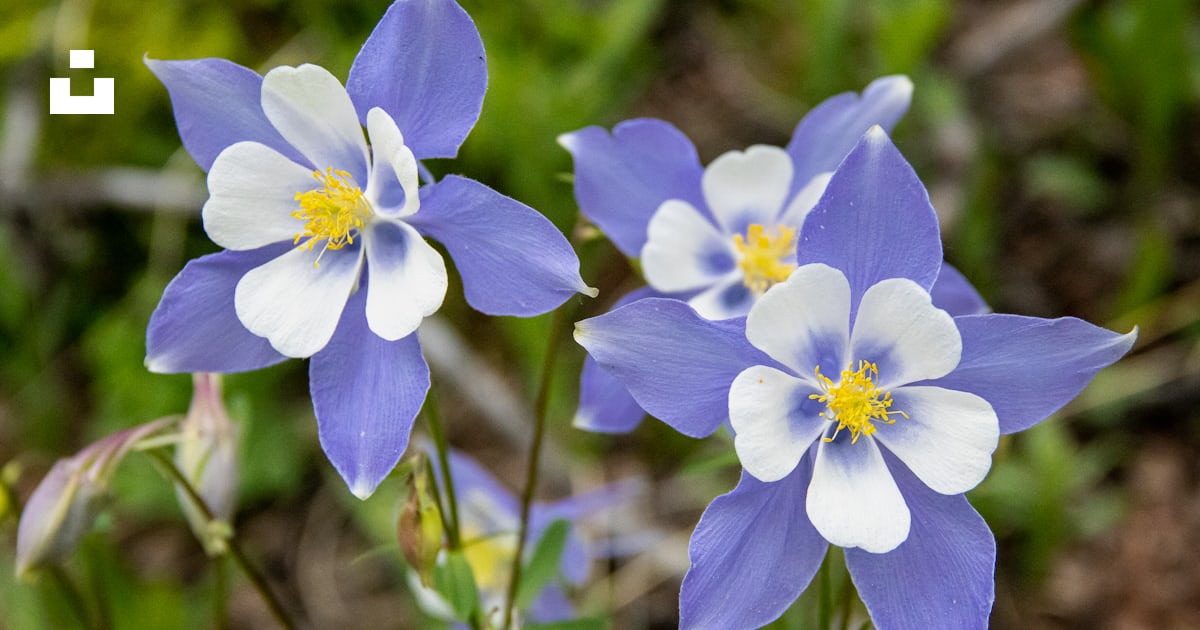
7. Wild Columbine (Aquilegia canadensis)
Wild Columbine is a delicate perennial with red and yellow flowers that attract hummingbirds. Its finely divided leaves and bitter taste reduce deer interest. It grows well in partial shade to full sun.
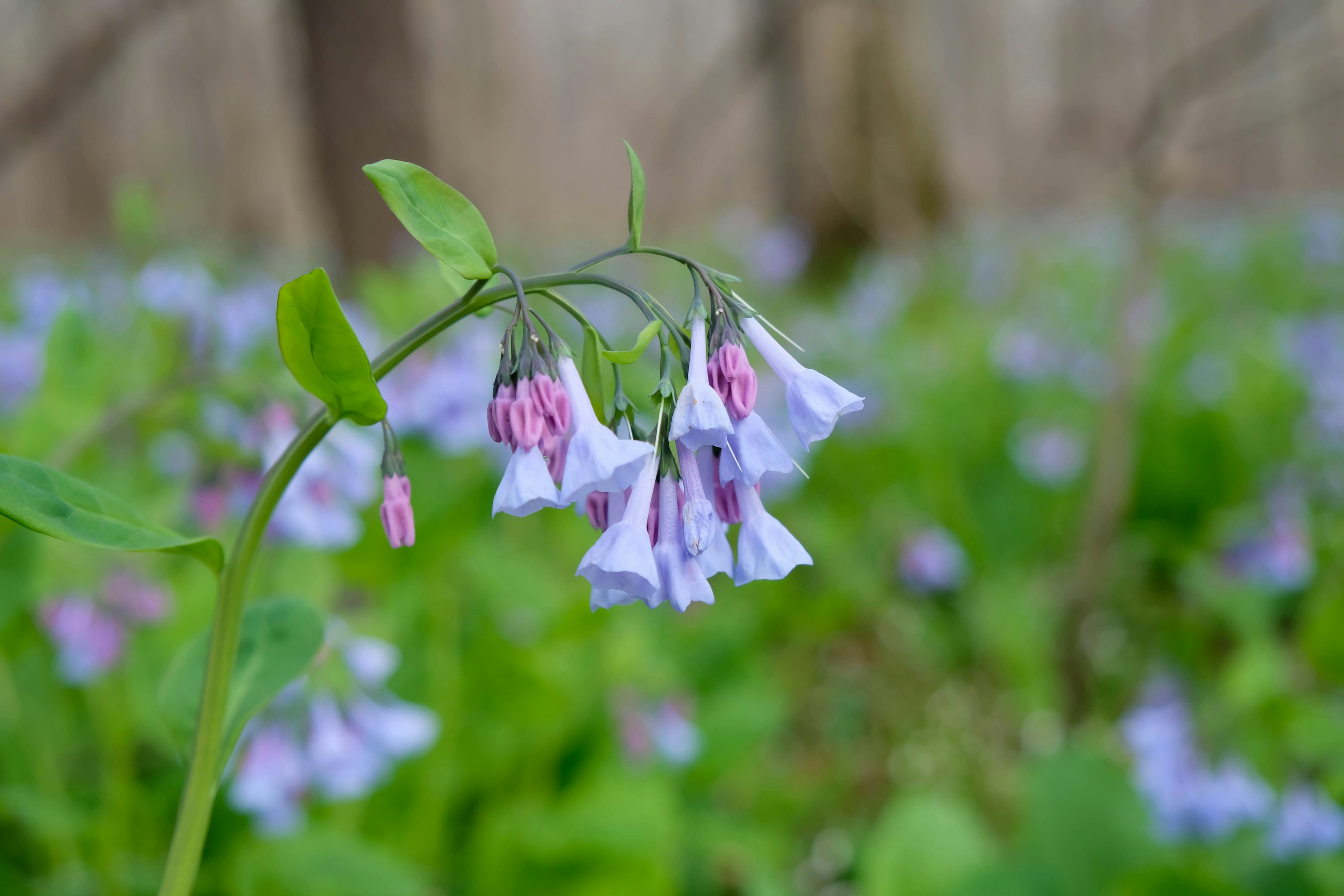
8. Virginia Bluebells (Mertensia virginica)
Virginia Bluebells produce clusters of bell-shaped blue flowers in early spring. Their foliage is somewhat toxic and not favored by deer. This plant prefers moist, shaded woodland gardens.
Additional Tips for Managing Deer in Your Garden
While planting deer-resistant natives helps, consider combining strategies for best results:
- Physical Barriers: Fencing, netting, or plant cages can protect young plants.
- Plant Groupings: Clusters of deer-resistant plants can discourage browsing.
- Repellents: Commercial or homemade deer repellents may add protection.
- Habitat Management: Reducing cover near your garden can lower deer presence.
Pet Safety Reminder
Many native plants that resist deer are not listed as toxic to pets by the ASPCA; however, always verify individual plant safety if you have dogs or cats that roam outdoors. For questions about plant toxicity or pet exposure, contact the ASPCA Animal Poison Control Center at 888-426-4435.
Wildlife Resistance Disclaimer
While these plants are generally deer resistant, no plant is guaranteed to be deer proof. Deer feeding behavior can vary widely depending on location and environmental conditions.
Conclusion
Choosing native plants zone 6 deer resistant lets you create a sustainable, wildlife-friendly garden that reduces the impact of deer browsing. From flowering perennials like Butterfly Weed and New England Aster to shrubs like Spicebush, these native plants support pollinators and birds while standing up to local wildlife pressure.
Ready to find the perfect native plants for your garden? Use our Plant Finder wizard to get personalized recommendations at /wizard.
Happy gardening!
Eastern Redbud Butterfly Weed Aster Wild Bergamot Black-eyed Susan