Anti-desiccant (anti-transpirant) spray forms a thin film on evergreen leaves that slows winter moisture loss, and it helps most on broadleaf evergreens and recently planted shrubs in windy, sunny spots. Apply it only after plants are fully dormant, on a dry day when the temperature stays above about 40 degrees for several hours, and treat it as a backup to deep watering and mulch, not a replacement.
What causes winter burn
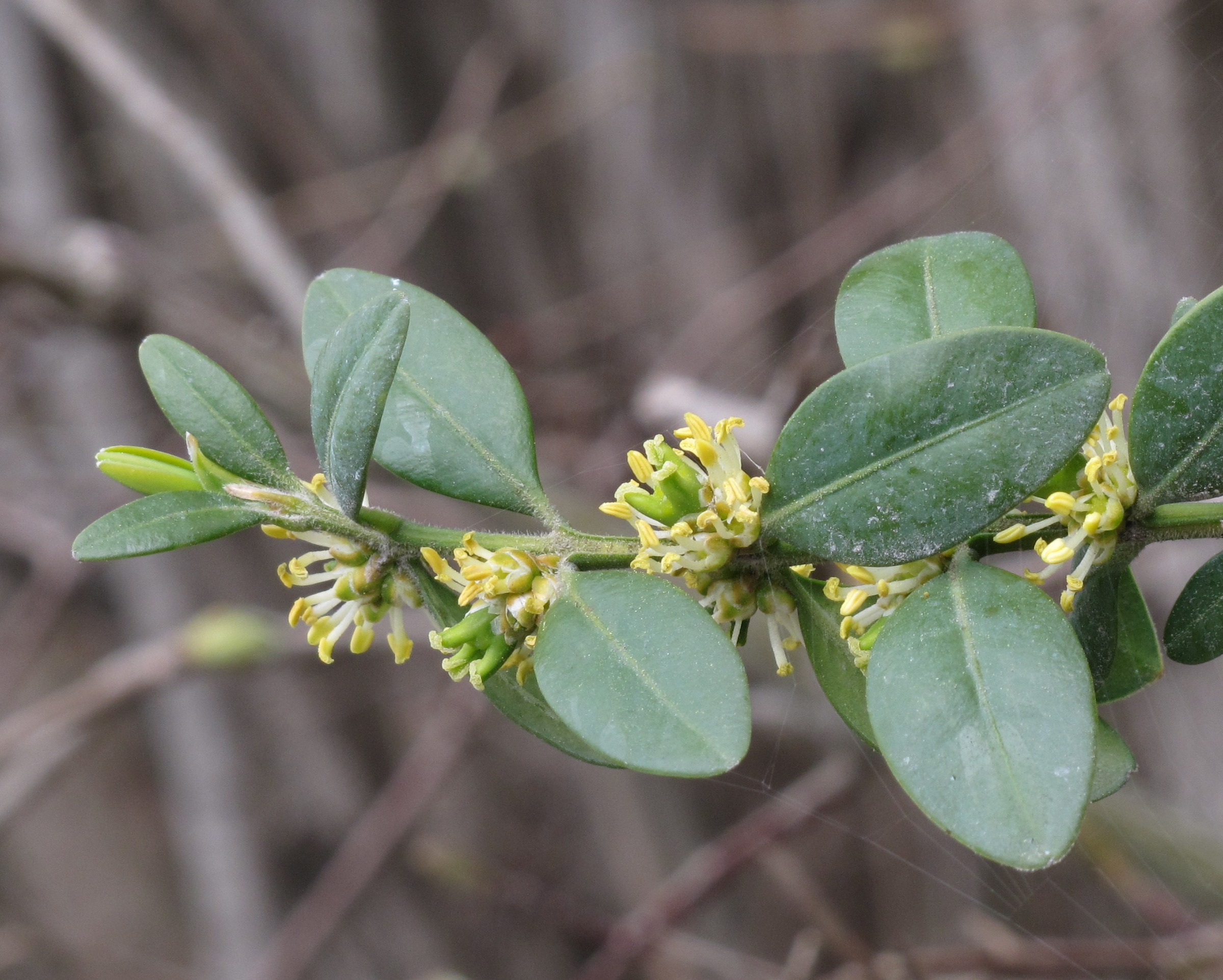
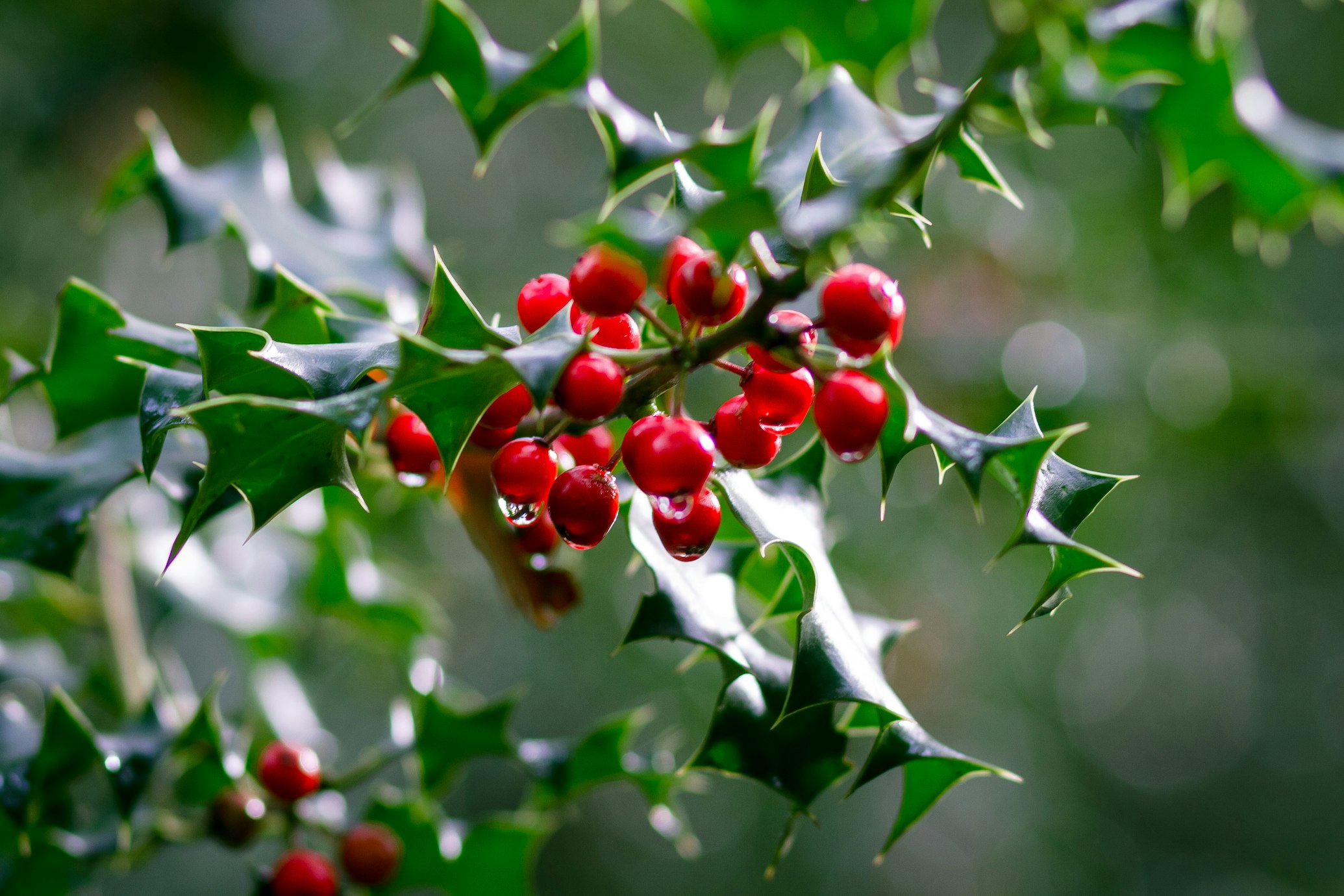
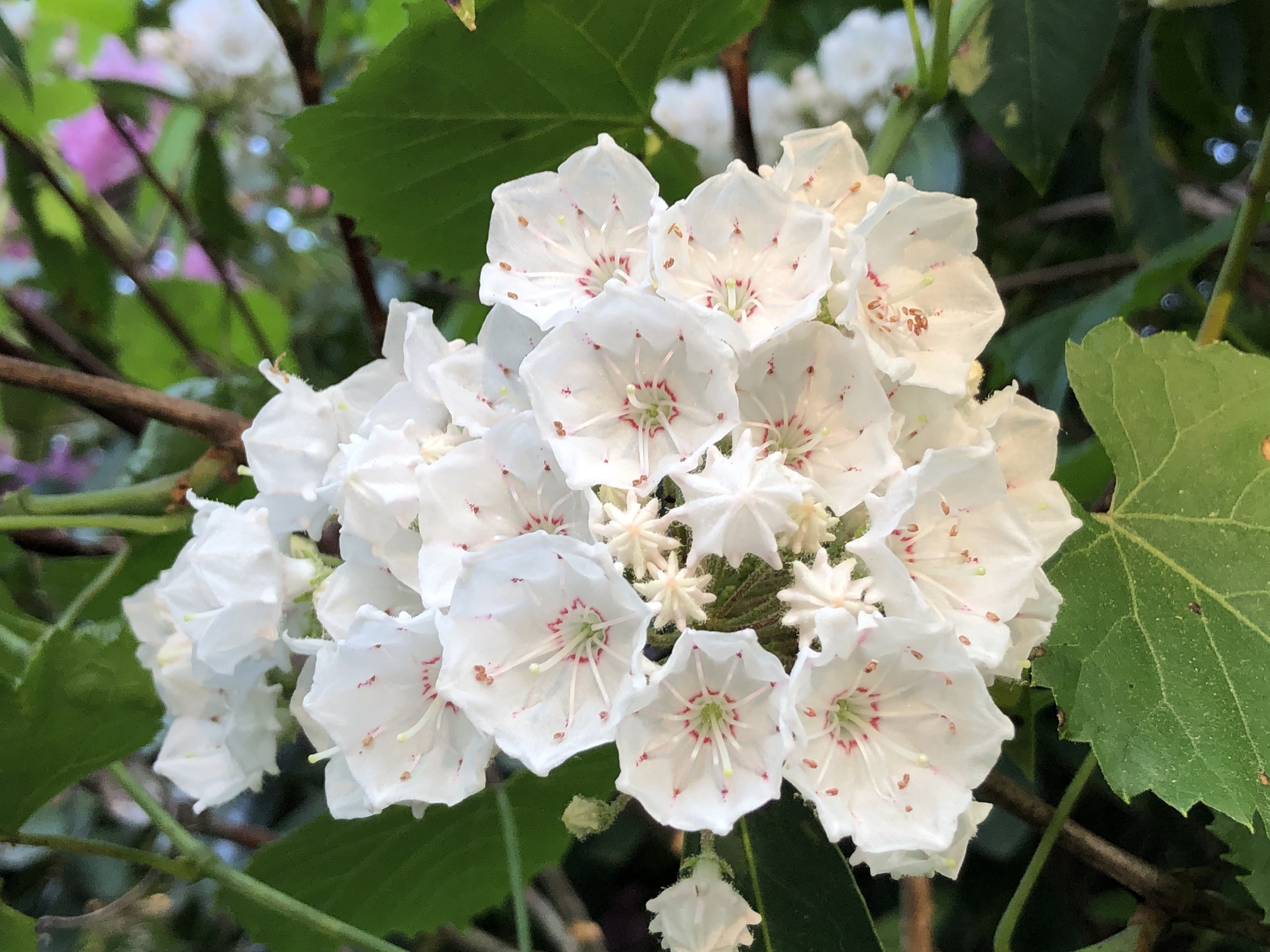
On sunny, windy winter days, evergreen leaves keep losing water while the roots sit in frozen soil and cannot replace it. The result is brown leaf edges or needles, usually on the south, west, or windward side. Broadleaf evergreens such as boxwood, holly, rhododendron, and mountain laurel are the most prone, along with arborvitae and newly planted conifers.
Anti-desiccants are usually based on pine resin or wax and form a clear, flexible coating that slows that water loss. Research results are mixed: some studies show modest benefit, others show little. They are most useful as one layer of protection on high-value or exposed plants.
🌱 Get Personalized Plant Picks
Answer a few quick questions and we’ll match plants to your exact yard conditions.
Find My Plants →First line of defense: water and mulch
Before you spray, make sure the plant goes into winter fully hydrated.
- Water deeply until the ground freezes, especially after a dry fall. Our guide to tree watering bags works for recently planted shrubs too.
- Mulch 2 to 3 inches deep over the root zone, keeping it a few inches off stems. See fall mulch before freeze in cold zones.
- Block wind on very exposed plants with a burlap screen. Our guide to burlap wind screens for evergreens shows how.
Shop anti-desiccant sprays on Amazon
Ready-to-spray and concentrate anti-transpirant films, a pump sprayer for larger shrubs, and goggles for spraying overhead. We may earn a commission at no extra cost to you.
Amazon · Anti-desiccant spray Amazon · Garden pump sprayer Amazon · Splash goggles
When and how to spray
- Wait for dormancy. Spraying while plants are still actively growing can interfere with hardening off. Late fall into early winter, after several hard frosts, is typical.
- Pick the right day. Temperatures above about 40 degrees, dry foliage, no rain or freeze expected for several hours, and light wind. Follow your product label, which may list a different minimum.
- Mix at the winter rate if using a concentrate, and keep the sprayer agitated.
- Cover both sides of the leaves until they are wet but not dripping. Missing the undersides leaves much of the leaf unprotected.
- Reapply in a midwinter thaw if the label allows; the film weathers over time.
- Rinse the sprayer right away. Resin products gum up nozzles if left to dry.
Which plants benefit most
Spraying every evergreen in the yard is rarely necessary. Focus on plants that browned in past winters, broadleaf evergreens on the south or west side of the house, shrubs in open, windswept spots, and anything planted within the last year or two whose roots are still small. Plants in sheltered, shaded spots on the north or east side usually come through without help. A quick walk around the yard after the first hard freeze tells you where the wind hits hardest.
Where not to use it
- Blue-needled conifers such as blue spruce: the coating can dull the blue color until new growth comes in.
- Some products warn against use on certain conifers, including some arborvitae and junipers. Read the label for the specific plant.
- Plants still actively growing, or on frozen, wet foliage.
Safety
- Read and follow the label. Wear splash goggles and gloves, especially when spraying above head height on tall shrubs.
- Do not spray on windy days; drift lands on cars, windows, and siding and can be hard to remove.
- Keep pets and children away until the spray has fully dried. Store products sealed and out of reach.
- Use a stable step stool rather than a ladder when possible; for anything tall, spray from the ground with an extension wand.
Bottom line
Water deeply, mulch, and screen first; then spray an anti-desiccant on dormant, exposed evergreens on a dry day above about 40 degrees, covering both leaf surfaces. Expect modest help, not a guarantee. If browning shows up in spring anyway, wait for new growth before pruning, since buds behind brown leaves are often still alive. For snow load on upright evergreens, read tying up arborvitae for snow.
Related reading
Ready to match plants to your location? Try the PlantWise Plant Finder →