Burlap Wind Screens for Evergreens in Winter
In late September through November, a burlap wind screen shields newly planted and exposed evergreens from drying winter winds, sunscald on needles, and road-salt spray before the hardest weather arrives. This is not a plastic tarp cocoon. Breathable burlap on stakes or frames cuts wind while letting moisture escape.
Cold and windy sites (Zones 3-7, open lots, rooftop edges, and salted roadside beds) see the most benefit. Broadleaf evergreens and recent transplants desiccate faster than established native pines in sheltered spots.
When a burlap screen makes sense
- New evergreens planted in the last one to two seasons
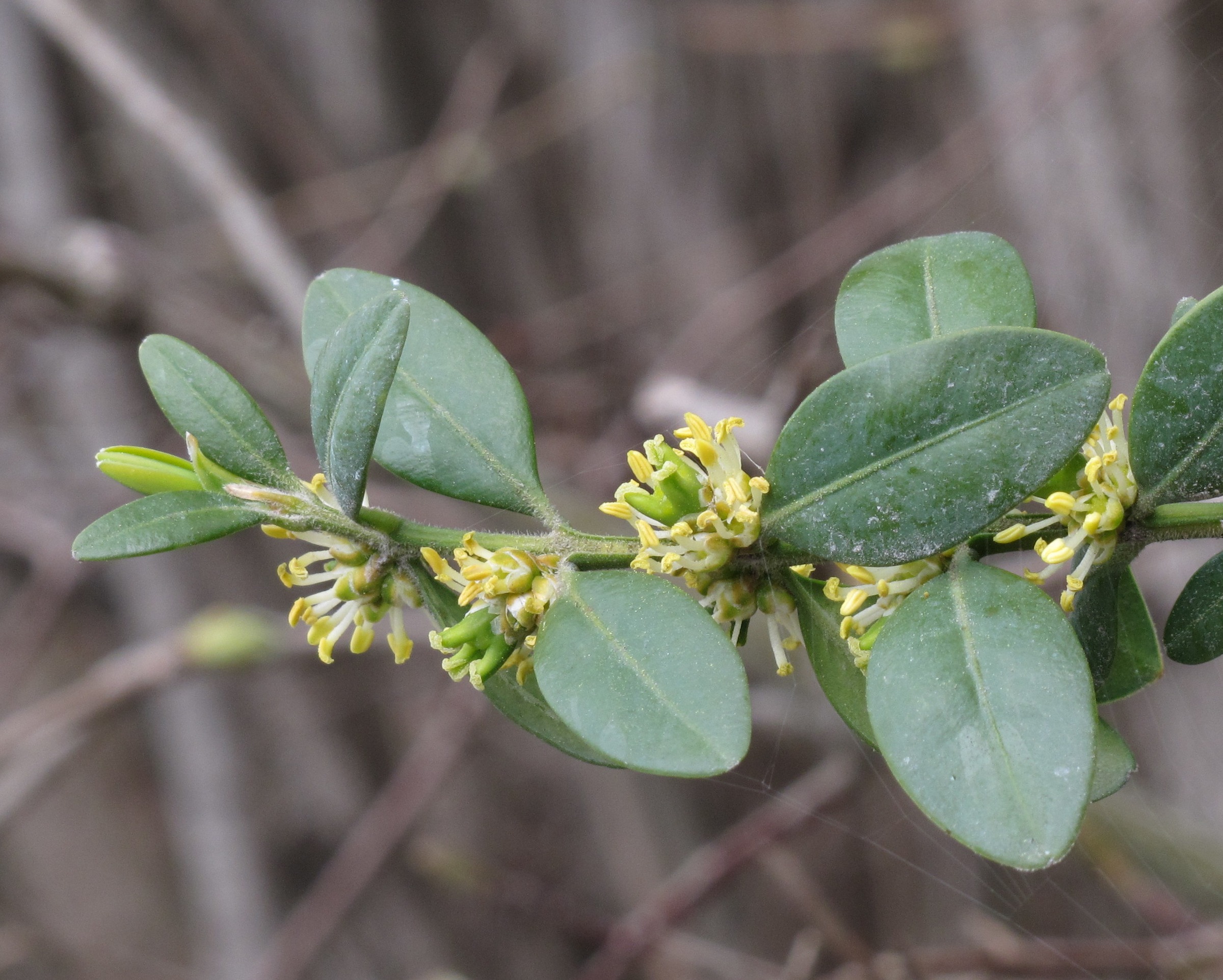
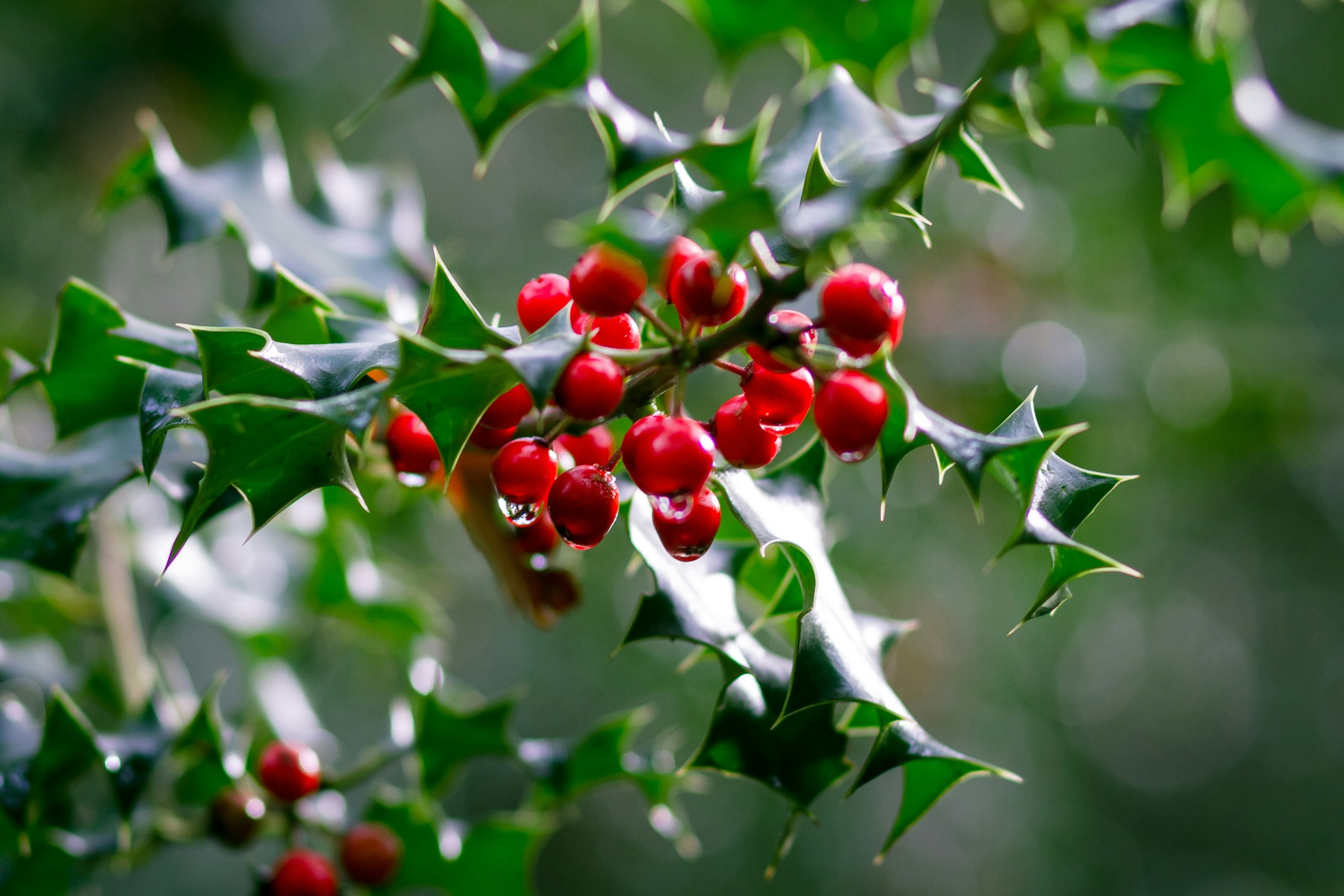
- Broadleaf evergreens (rhododendron, holly, boxwood types) on windy exposures
- Salt spray corridors along plowed roads
- South/west winter sun that thaws tissue then refreezes nightly
Skip wrapping every mature sheltered spruce in a calm backyard. Target the plants that actually brown every winter.
🌱 Get Personalized Plant Picks
Answer a few quick questions and we’ll match plants to your exact yard conditions.
Find My Plants →Screen vs full wrap
| Approach | Use when |
|---|---|
| Burlap wind screen on stakes | Prevailing wind from one direction; keep airflow |
| Burlap plant wrap | Smaller shrubs needing 360° light protection |
| Anti-desiccant sprays | Supplemental only; not a substitute for wind breaks |
| Plastic sheeting | Avoid as a long-term wrap - traps moisture and heat swings |
Build a simple frame: stakes outside the drip line, burlap stapled or tied to face the wind. Leave the top open or loosely covered so heat does not cook foliage on sunny days.
Shop burlap wraps and screens on Amazon
Burlap plant wrap and landscape fabric for winter wind screens. We may earn a commission at no extra cost to you.
Installation checklist
- Water evergreens deeply before ground freeze if soil is dry.
- Set stakes outside the root flare; do not spear major roots.
- Stretch burlap tight enough to resist flapping, loose enough for air.
- Face the screen into the prevailing winter wind and salt source.
- Check after storms; re-tie if panels sag into foliage.
- Remove in spring when hard freezes and salt season ease.
- If you are on the fence, protect the newest windward plants first.
Pair with trunk and browse protection
Evergreen screens handle wind and sun. Young deciduous trees still may need tree wrap and trunk guards. Deer browse on buds is a separate netting or repellent job - see deer fencing.
Moisture first
Winter browning often starts as drought stress. A wind screen without fall watering is half a fix. Mulch the root zone (not against stems), water before freeze, then screen the wind.
Bottom line
Use breathable burlap wind screens on exposed and newly planted evergreens in late fall. Stake panels into the wind, keep plastic off as a season-long wrap, water before freeze, and take screens down in spring. Target real winter burn sites, not every shrub on the lot.
Related reading
Ready to match plants to your location? Try the PlantWise Plant Finder →