How to Grow Boxwood: Complete Guide
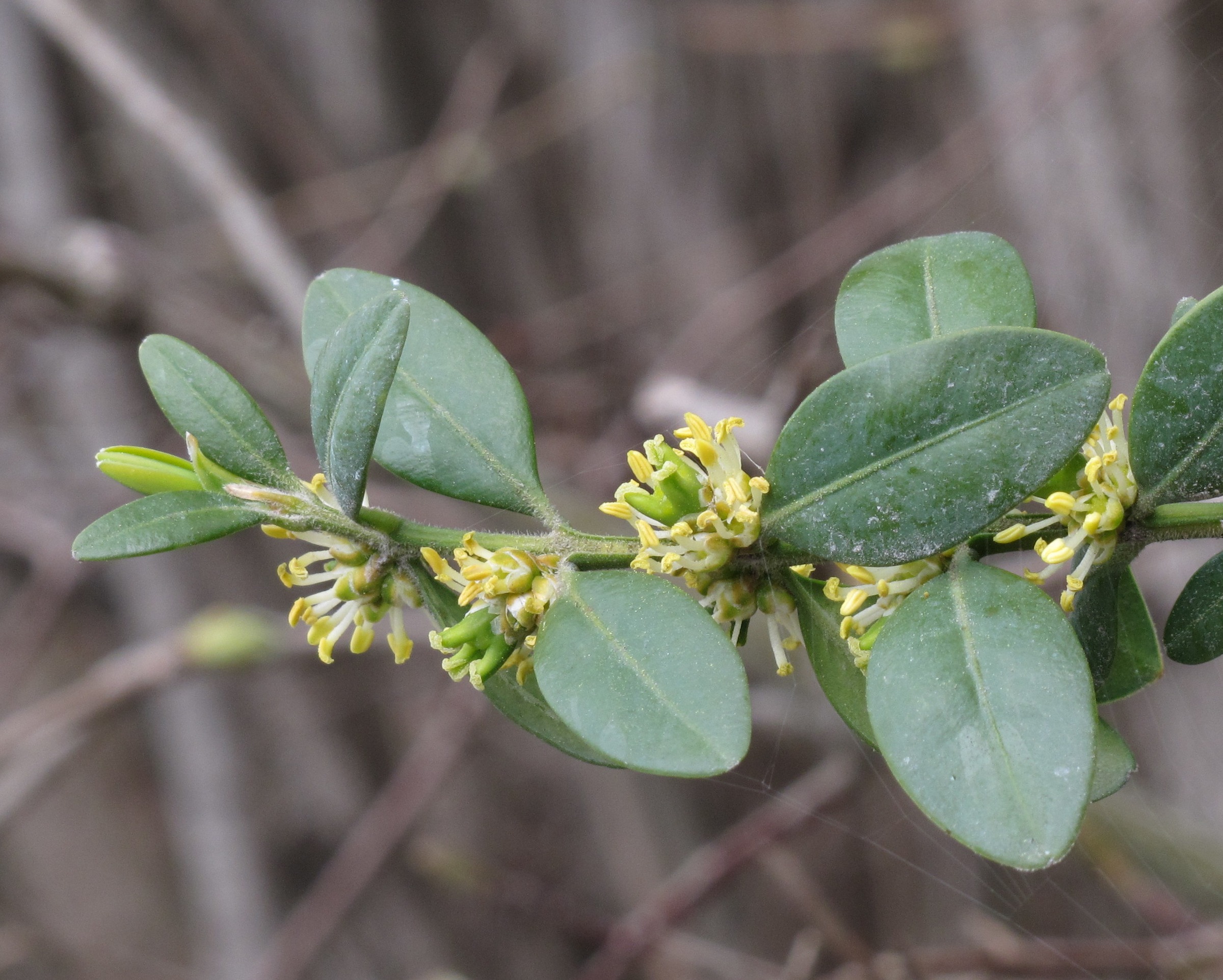
Boxwood (Buxus spp.) is a classic, versatile, and highly valued evergreen shrub that can elevate the look of almost any garden. To grow boxwood successfully, provide it with well-draining soil, partial to full sun exposure, and consistent moisture, especially during its establishment period. Regular, light pruning will help maintain its dense, desired shape. These resilient shrubs are known for their dense foliage, slow growth, and adaptability, making them perfect for hedges, borders, topiary, or as elegant specimens. With the right care, boxwood can thrive for decades, adding structure and year-round greenery to your landscape.
🌱 Get Personalized Plant Picks
Answer a few quick questions and we’ll match plants to your exact yard conditions.
Find My Plants →Why Choose Boxwood for Your Garden?
Boxwood has been a staple in formal and informal gardens for centuries, and for good reason. Its small, glossy leaves create a dense, uniform appearance, making it ideal for creating defined garden spaces. Whether you're aiming for a manicured look with geometric hedges or a more natural, rounded form, boxwood delivers. It's also a relatively low-maintenance plant once established, tolerating a range of conditions and generally being quite long-lived. Plus, as mentioned in the meta description, it's one of the more deer-resistant options available, though it's important to remember that no plant is truly deer-proof if food is scarce.
What Are the Best Growing Conditions for Boxwood?
Boxwood thrives when its basic needs are met, primarily focusing on soil, light, and water. Understanding these requirements is key to a healthy, vibrant shrub.
Sunlight: Boxwood prefers partial shade to full sun. In hotter climates, some afternoon shade is beneficial to protect the foliage from scorching. In cooler regions, full sun is often tolerated well. Too much shade can lead to sparse growth and increased susceptibility to fungal diseases. Aim for at least 4-6 hours of direct sunlight, or bright, indirect light throughout the day.
Soil: This is perhaps the most critical factor. Boxwood absolutely requires well-draining soil. Heavy clay soils that retain too much moisture can lead to root rot, a common killer of boxwood. Amend heavy soils with organic matter like compost to improve drainage and aeration. The ideal pH for boxwood is slightly acidic to neutral (6.5 to 7.0), but they are quite tolerant of a broader range.
Watering: Consistent moisture is important, especially for newly planted boxwood. Water deeply and regularly, allowing the top few inches of soil to dry out between waterings. Once established, boxwood is relatively drought-tolerant, but will benefit from supplemental watering during prolonged dry spells, particularly in late fall before the ground freezes, which helps prevent winter desiccation.
Temperature and Hardiness: Most boxwood varieties are hardy in USDA Zones 5-8, with some cultivars extending into Zone 4 or 9. They are evergreen, meaning their leaves persist through winter, which can sometimes lead to winter burn if exposed to harsh winds and strong sun while the ground is frozen.
How Do I Properly Plant Boxwood?
Proper planting sets your boxwood up for long-term success.
- Choose the Right Location: Select a spot with appropriate sunlight and good drainage. Consider the mature size of the boxwood when planting near structures or other plants.
- Prepare the Soil: Dig a hole that is twice as wide as the root ball and just as deep. If your soil is heavy clay, amend it with a generous amount of compost or other organic material.
- Planting: Gently remove the boxwood from its container. If the roots are circling, gently tease them apart. Place the plant in the hole so that the top of the root ball is level with or slightly above the surrounding soil line. This is crucial for preventing root rot.
- Backfill: Backfill the hole with the amended soil, gently tamping it down to remove air pockets.
- Water Thoroughly: Water deeply immediately after planting to settle the soil around the roots.
- Mulch: Apply a 2-3 inch layer of organic mulch (like shredded bark or compost) around the base of the plant, keeping it a few inches away from the trunk. Mulch helps retain moisture, regulate soil temperature, and suppress weeds.
When Is the Best Time to Prune Boxwood?
Pruning is essential for maintaining the shape, density, and health of your boxwood.
The best time for major pruning is in late winter or early spring, after the last hard frost but before new growth fully emerges. This allows the plant to heal quickly and put energy into new growth. Avoid pruning too late in the season (late summer or fall), as new growth may not harden off before winter, making it susceptible to frost damage.
For light shaping or tidying up, you can do this throughout the growing season. If you're maintaining a formal hedge, light shearing can be done every few weeks during the spring and early summer.
Pruning Techniques:
- Shearing: For formal hedges, use sharp shears to create crisp lines. Shear lightly and often to maintain density.
- Thinning: For older, overgrown boxwood, or to improve air circulation, use hand pruners to remove a few branches from the interior of the plant. This allows light and air to penetrate, reducing the risk of fungal diseases.
- Rejuvenation Pruning: Severely overgrown boxwood can be cut back hard (within 6-12 inches of the ground) in late winter/early spring. This is a drastic measure and should only be done if the plant is healthy otherwise. It may take a year or two for the plant to fully recover its shape.
Quick Reference: Boxwood Care
| Feature | Requirement |
|---|---|
| Sunlight | Partial shade to full sun (4-6+ hours direct sun) |
| Soil | Well-draining, rich in organic matter; pH 6.5-7.0 (slightly acidic to neutral) |
| Watering | Consistent moisture, especially when young. Allow top few inches of soil to dry between waterings. |
| Fertilizing | Annually in early spring with a balanced, slow-release granular fertilizer or organic compost. |
| Pruning | Late winter/early spring for major cuts; light shearing throughout spring/early summer for shaping. |
| Hardiness | USDA Zones 5-8 (varies by cultivar) |
| Deer Resistance | High (no plant is truly deer-proof) |
| Pet Safety | Boxwood is not listed as toxic to dogs, cats, or horses by the ASPCA, but ingestion of any plant material can cause mild stomach upset. If you suspect your pet has ingested a toxic plant, call the ASPCA Animal Poison Control Center immediately at (888) 426-4435. |
What Pests and Diseases Should I Watch Out For?
While generally robust, boxwood can encounter a few common issues:
- Boxwood Blight: A serious fungal disease that causes rapid defoliation and black streaking on stems. Prevention is key: ensure good air circulation, avoid overhead watering, and buy disease-free plants. Remove and destroy infected plants immediately.
- Volutella Blight: Another fungal disease, often appearing as tan or bronze spots on leaves, leading to dieback. Prune out affected branches and improve air circulation.
- Boxwood Leafminer: Small fly larvae that tunnel within the leaves, causing blistering and discoloration. Systemic insecticides can be used, or resistant varieties can be planted.
- Boxwood Psyllid: Causes cupping of new leaves. Usually a cosmetic issue and rarely requires treatment.
- Winter Burn: Browning or bronzing of foliage in winter, especially on exposed sites. This is due to desiccation from cold winds and sun when the ground is frozen. Ensure adequate watering in fall and consider protecting plants with burlap screens in exposed locations.
Choosing resistant cultivars and practicing good cultural care (proper planting, watering, and pruning) are your best defenses against most problems.
Companion Plants for Boxwood
Boxwood's classic green foliage makes it an excellent backdrop for a variety of flowering plants. Its formal structure can beautifully contrast with the softer forms of perennials.
Here are a few ideas:
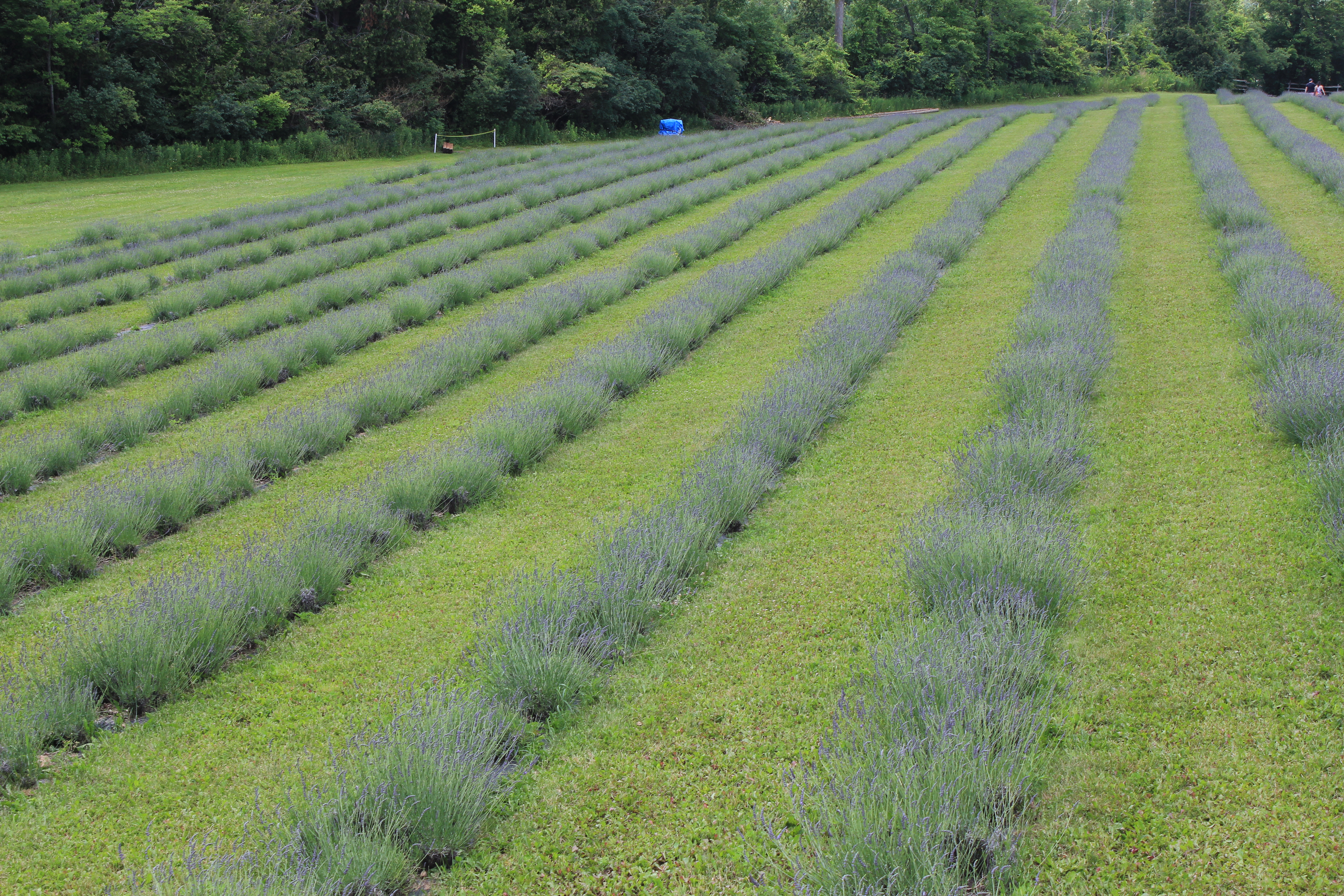
- For a classic look: Pair with roses, hydrangeas, or lavender for a traditional garden feel.
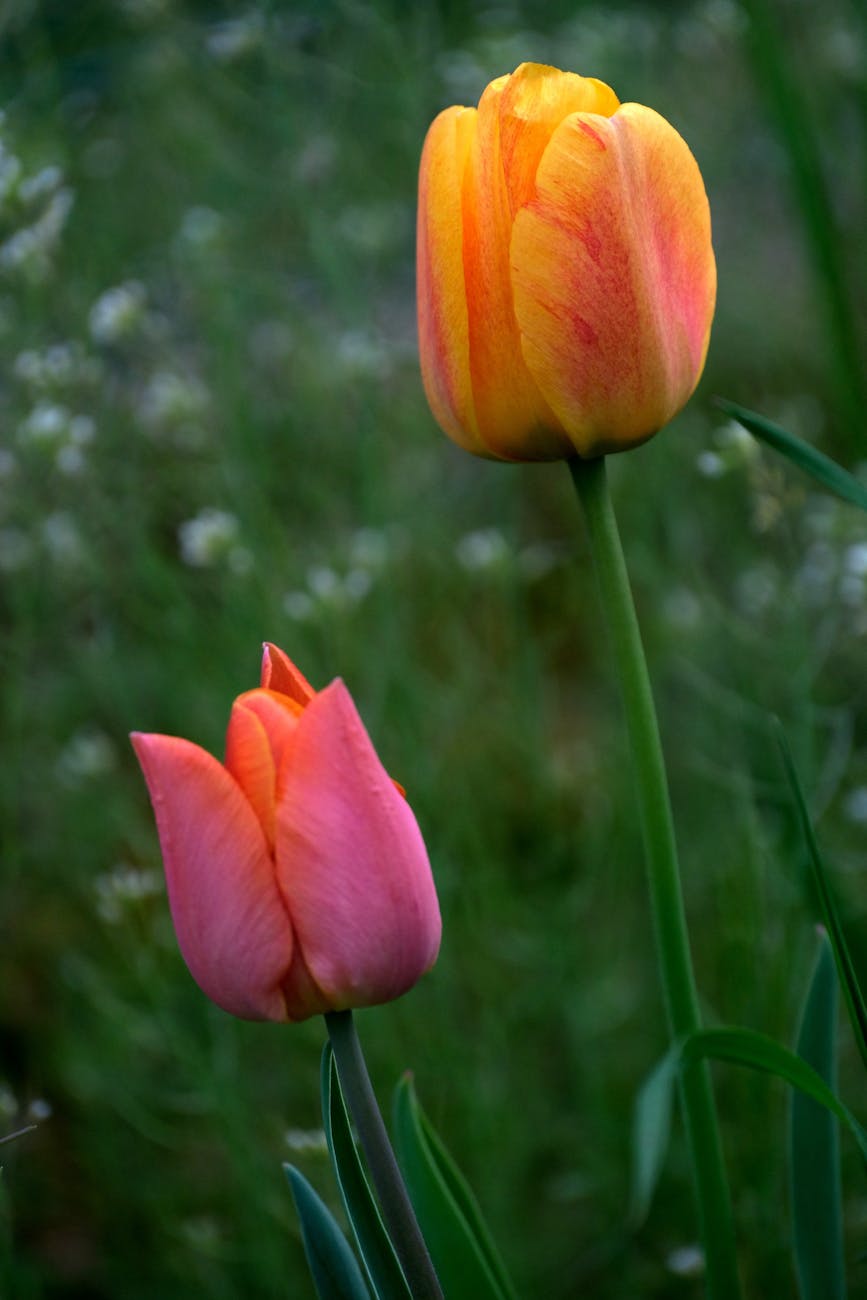
- For year-round interest: Underplant with spring bulbs like tulips or daffodils, followed by summer-blooming perennials.
- For a pollinator-friendly garden:
Boxwood is a timeless choice for any landscape, offering structure, beauty, and year-round interest. By following this guide, you can enjoy healthy, thriving boxwood in your garden for many years to come.
Ready to find the perfect plants for your yard? Try the PlantWise Plant Finder →